
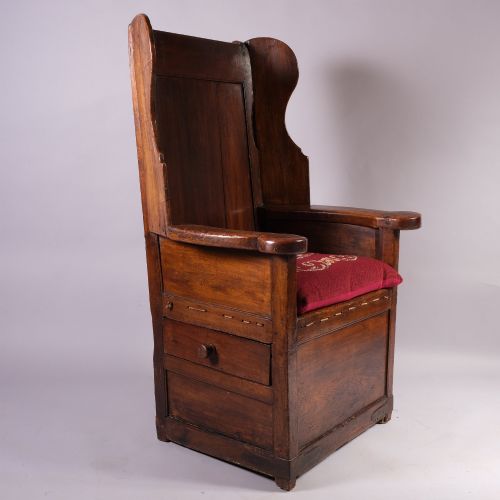


English Wingback Armchair
An english wingback armchair offers draught-excluding comfort and classic proportions, anchoring a room with traditional seating.
English Wingback Armchair
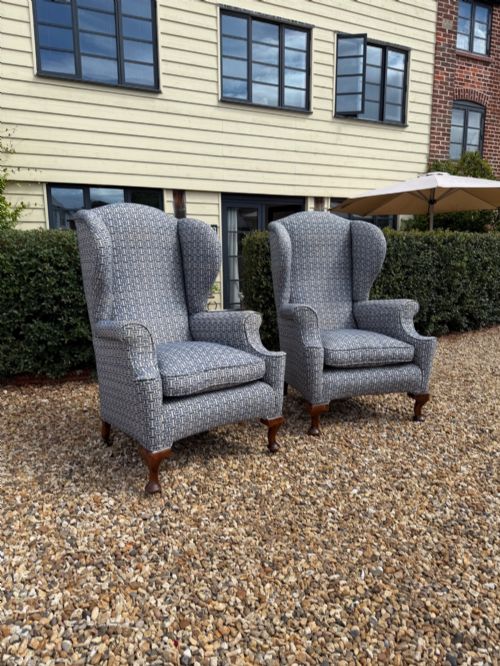
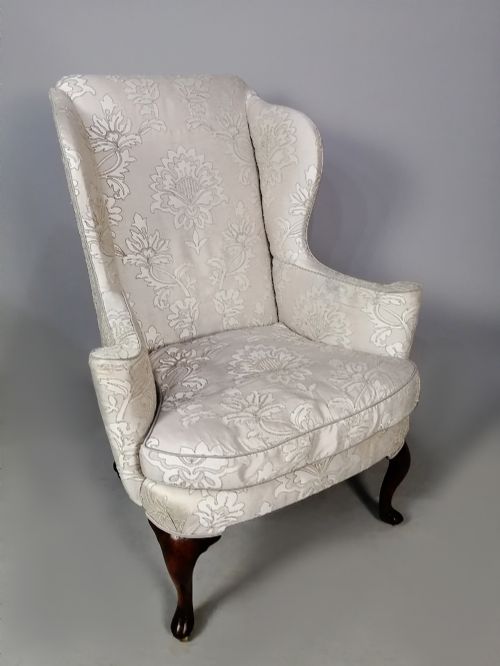
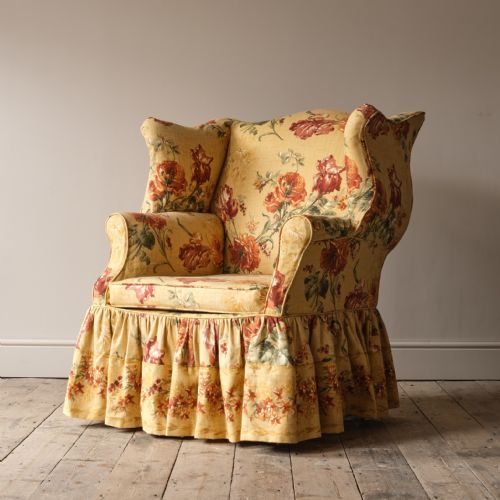
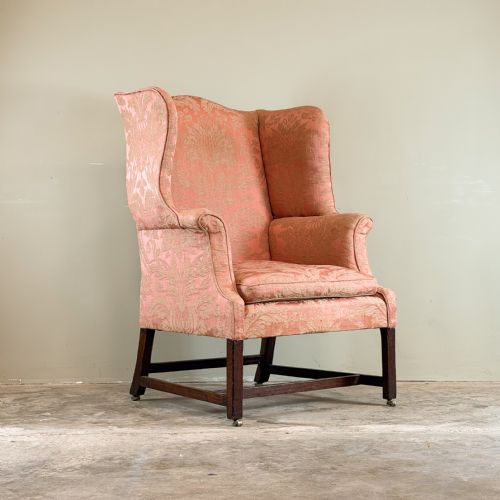
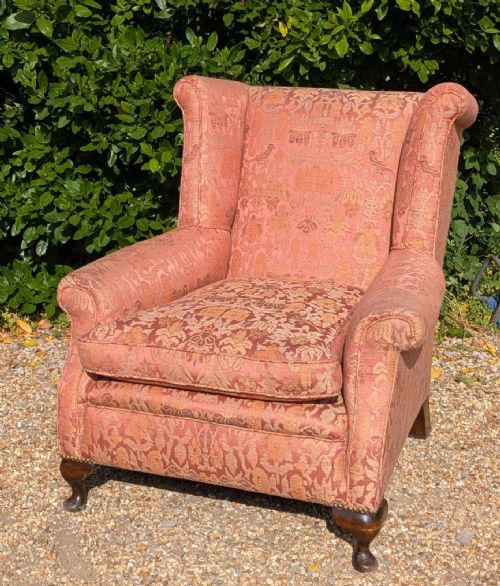
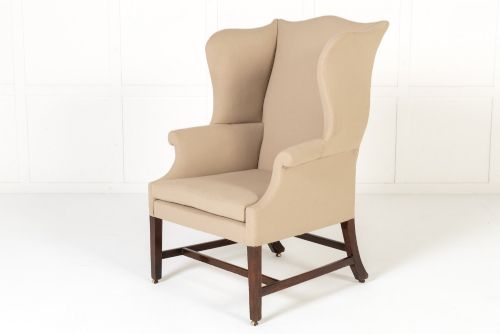
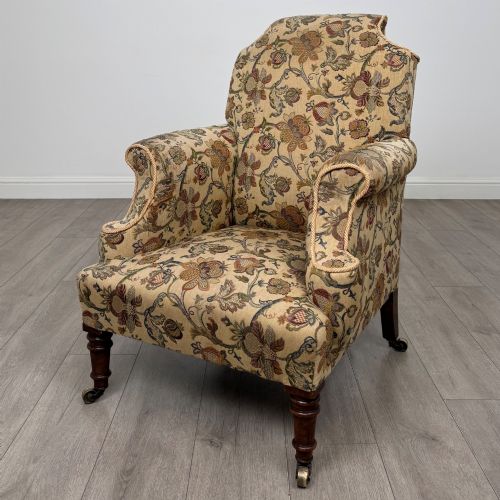
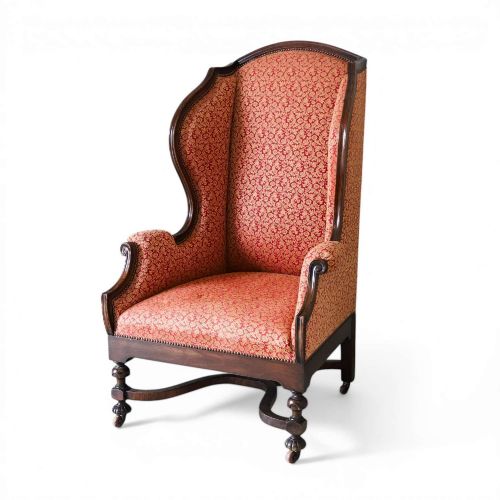
An english wingback armchair provides substantial upholstered seating featuring protective side wings designed originally to shield the occupant from cold draughts near an open fire. Buyers search for this phrase to find classic fireside seating that bridges formal period elegance and deep comfort.
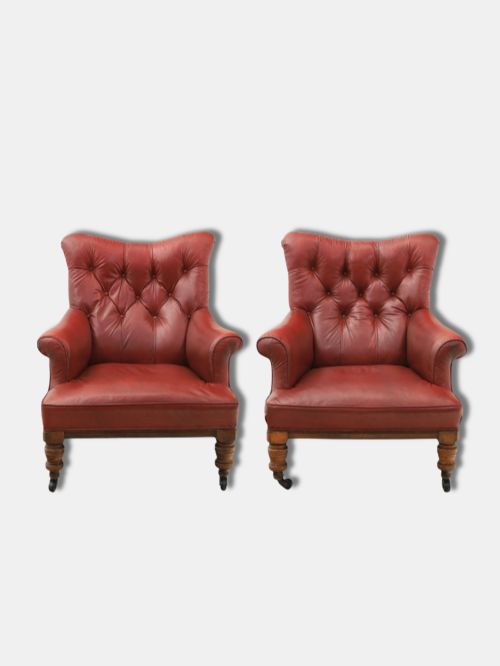
The selections span significant centuries, ranging from formal Georgian and George III iterations in mahogany and walnut to later Victorian, Edwardian, and 1920s interpretations. Pieces frequently incorporate mahogany, oak, or walnut frames beneath traditional upholstery.
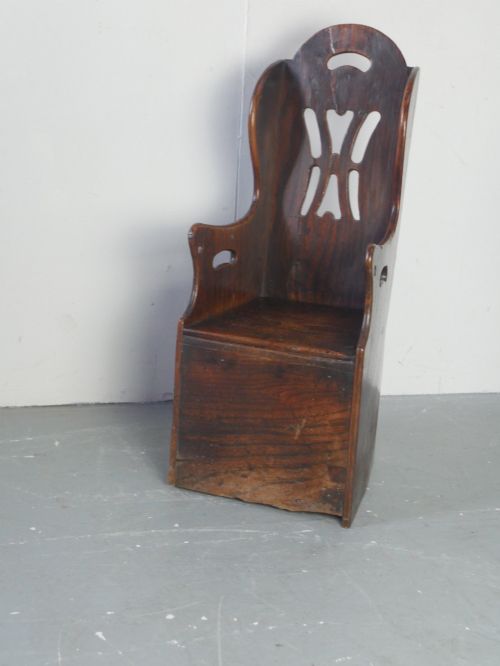
Most examples encountered here reflect the 18th and 19th centuries, alongside early 20th century revival pieces. Forms vary from grand library chairs and barrel backs to smaller childs chairs and country house lambing variants.
Materials and construction
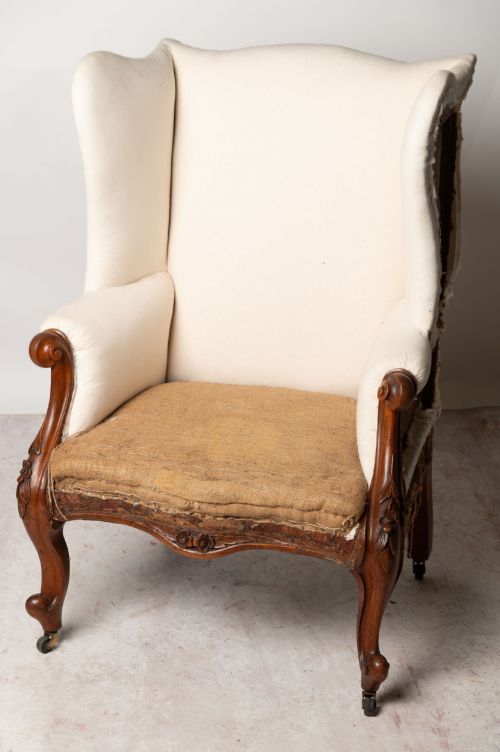
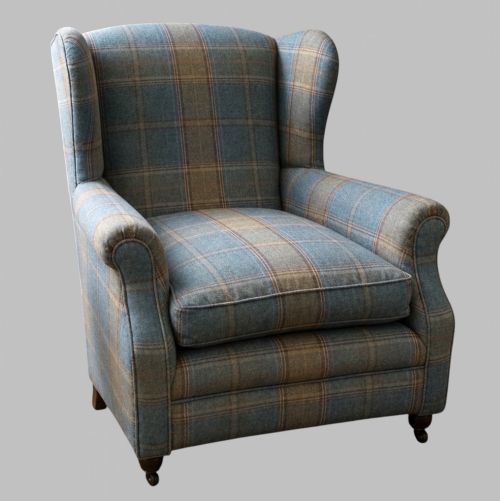
Upholstery methods involved layered stuffing within fabric, leather, velvet, or plaid wool, sometimes finished to calico stage for custom covering. Feather filling provided resilient cushioning for daily use.
Listings feature periods spanning from the 18th century through the Edwardian era and the 1930s, constructed in mahogany, oak, walnut, and brass.
Gradations of quality
Proportion and scale separate ordinary seating from superior examples, with finer chairs displaying confident proportions in the rake of the back and sweep of the wings. Timber selection also dictates grade, where dense figured walnut or rich mahogany elevates the piece.
The integrity of the frame construction and the fidelity of revival styles, such as Queen Anne or Chippendale influences, define the upper tier of the market. Original timber patination and untouched frame joints hold greater appeal than heavily altered structures.
Howard And Sons
The English Wingback Armchair Glossary
- Wingback
- An upholstered chair featuring characteristic lateral panels attached to the arm rests. These wings historically blocked cold air currents in draughty historic houses.
- Lambing chair
- A vernacular variant featuring a high wooden or partially upholstered back with hooded sides. These pieces often originate from northern English rural contexts.
- Barrel back
- A seating form where the back and arms form a single continuous semicircular curve. This shape offers enveloping comfort.
- Calico stage
- An intermediate state of upholstery where the internal stuffing is secured beneath plain cotton fabric. This allows a buyer to apply their own top fabric.
- George III
- A design period spanning the mid to late 18th century, noted for refined proportions and mahogany framing. Pieces from this era display classical cabinetmaking standards.
English Wingback Armchair: Frequently Asked Questions
What is an english wingback armchair?
An english wingback armchair is a traditional upholstered seat defined by protective side panels attached to the arms. These wings historically served to trap heat from the hearth and block cold draughts.
Today, these chairs function as prominent living room or library seating, combining structural timber frames with deep upholstery.
How do I date an antique wing chair?
Dating relies on examining the timber species, stretcher construction, leg style, and upholstery build-up methods. Georgian and 18th-century examples typically show lighter mahogany or walnut frames with hand-carved details.
Victorian and Edwardian iterations often feature heavier proportions, different secondary woods, and machine-assisted joinery marks beneath the fabric layers.
Were wingback chairs used by the fireside?
Yes, the enclosed sides were specifically engineered to protect sitters from chilly drafts in older English homes. The upholstered wings trapped warmth around the head and shoulders.
This functional design explains why they are frequently termed fireside armchairs in historic records.