
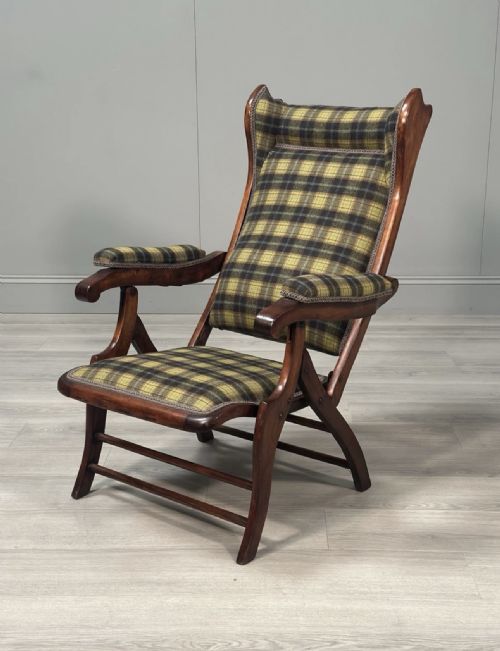
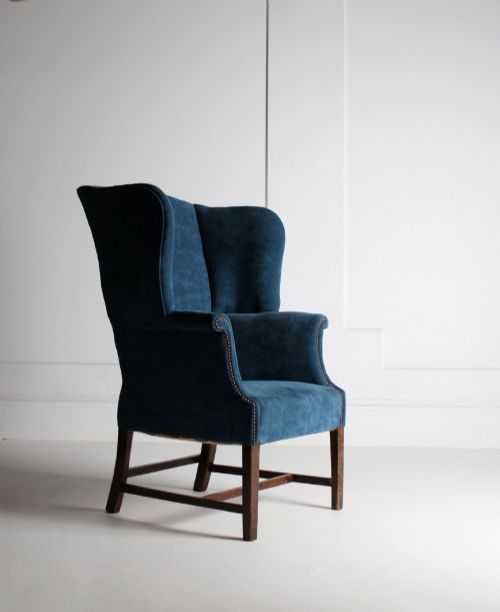


Antique Wooden Wingback
An antique wooden wingback provides deep comfort and draught protection, drawing collectors to its sheltering upholstered sides and sturdy timber frames.
Antique Wooden Wingback
An antique wooden wingback brings functional seating rooted in historical design directly into a modern room. Buyers searching for an antique wooden wingback encounter varied interpretations spanning several centuries and regional traditions.
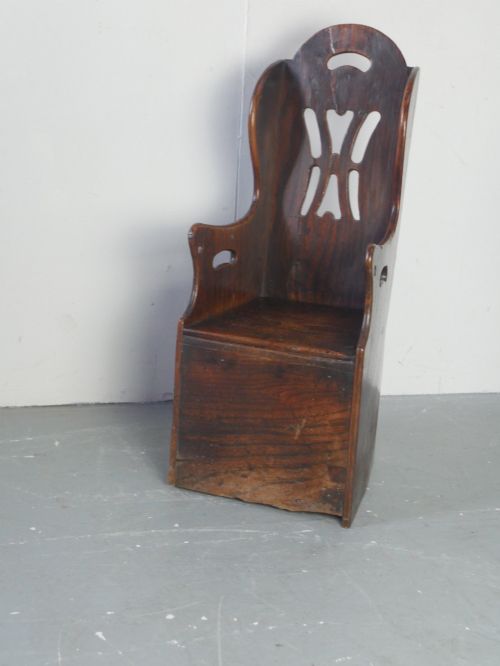
The selections on this page range from early vernacular lambing chairs to formal Georgian and Edwardian examples. Forms vary from childs chairs and rocking chairs to large panelled wingback concave barrel settles.
Origins stretch across English country workshops, French chateaux, and broader European cabinet-making traditions. Pieces incorporate periods such as the 18th century, 19th century, and Edwardian eras.
Materials and construction methods
Cabinet makers utilised robust timbers including oak, mahogany, walnut, and general wood. Frames display carved details, exposed grain, and occasionally original paint or giltwood finishes.
Upholstery historically relied on materials like hessian, fabric, and velvet to pad the enclosed seating areas. Structural hardware incorporates brass elements for folding mechanisms or decorative accents.
Available forms include full-sized armchairs, childs chairs, rocking chairs, reclining models, and panelled barrel settles.
Distinctions in craftsmanship and condition
Quality rests upon the integrity of the timber frame and the depth of the original carving. Superior pieces retain their structural soundness without excessive modern intervention in the wood.
The handling of upholstered elements defines another tier of distinction, particularly where original textiles or period coverings survive. Proportion and regional vernacular authenticity further separate standard examples from notable ones.
The Antique Wooden Wingback Glossary
- Wingback
- An armchair featuring protective side panels designed to shield the occupant from draughts. These upholstered extensions wrap forward from the upper back.
- Lambing chair
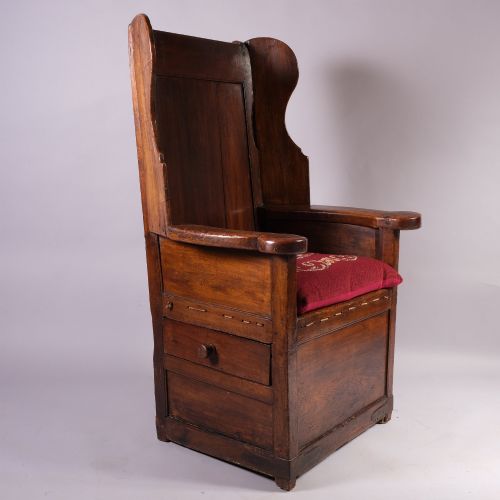
- A traditional vernacular seat constructed with a high solid wooden back and enclosed sides. Historically utilised by shepherds during lambing season near hearth fires.
- Settle
- A wooden bench featuring a high solid back and enclosed arms to block cold air. Larger examples often incorporate panelled construction and concave barrel shapes.
- Bergere
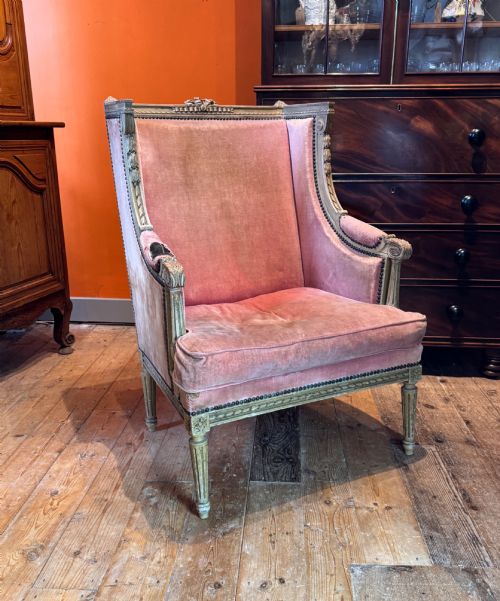
- An enclosed armchair with upholstered sides and a exposed wooden frame. This French seating form frequently employs walnut or carved giltwood.
- Campaign armchair
- A portable seating design engineered for travel or military use. These pieces often incorporate folding wooden frames and brass mounts.
Antique Wooden Wingback: Frequently Asked Questions
What is a wingback chair used for?
These chairs were historically designed to keep draughts away from the person sitting near an open fireplace. The side wings trapped heat and offered shelter in large, cold rooms.
Today, they function as statement armchairs in studies, living rooms, and bedrooms. Their enclosed structure creates a private seating experience ideal for reading or resting.
How do I identify an 18th century wingback?
Eighteenth century examples typically display heavier timber construction, hand-carved details, and vernacular forms such as oak paneling or lambing chair designs. Joinery techniques from this period rely on traditional pegs and hand-cut joints.
Proportions often feel heavier and more functional compared to later decorative iterations. Inspecting the underside and frame construction reveals the age of the wood and the joinery methods.
Can these chairs be re-upholstered?
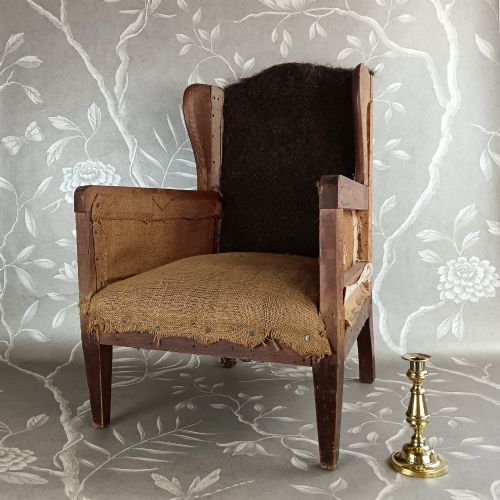
Many antique armchairs require new fabric or complete re-upholstery to suit modern interiors. Some pieces are specifically sold as projects for restoration.
Traditional upholstery methods should be maintained when working on older frames to preserve historical integrity. Consult a specialist who understands period padding and webbing techniques.
Where were wooden wingback chairs made?
Production occurred across English country workshops, provincial cabinet makers, and continental European ateliers. Regional styles heavily influenced the choice of timber and carving motifs.
English country pieces favour oak and vernacular designs, while French examples showcase walnut, giltwood, and carved cabriole lines. Each origin reflects local interior fashions of the period.