




Dark Oak Lambing Chair
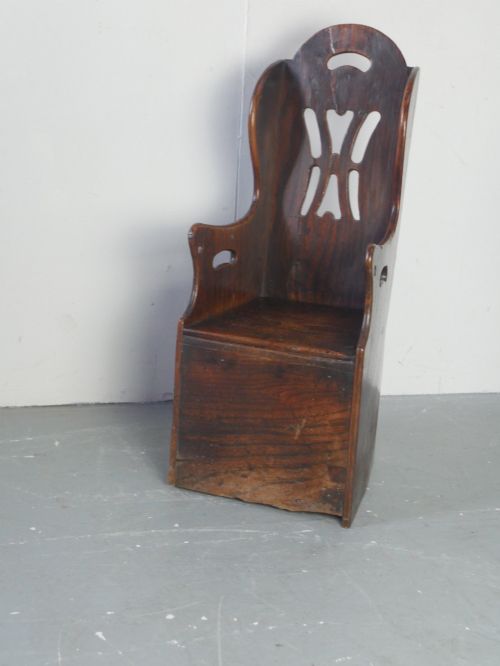
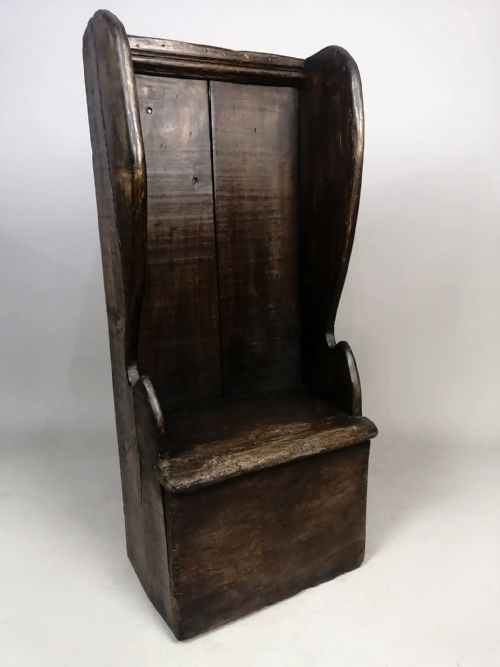
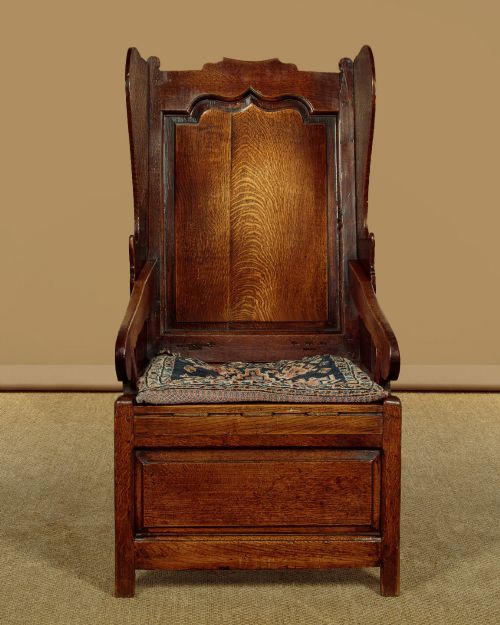
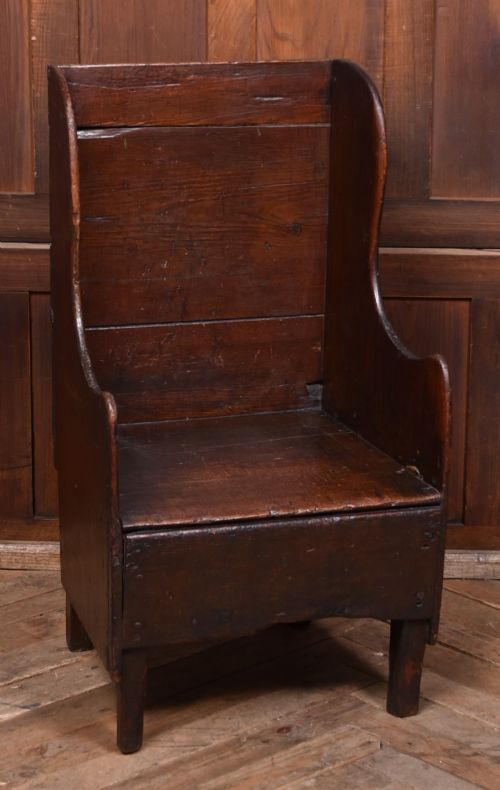
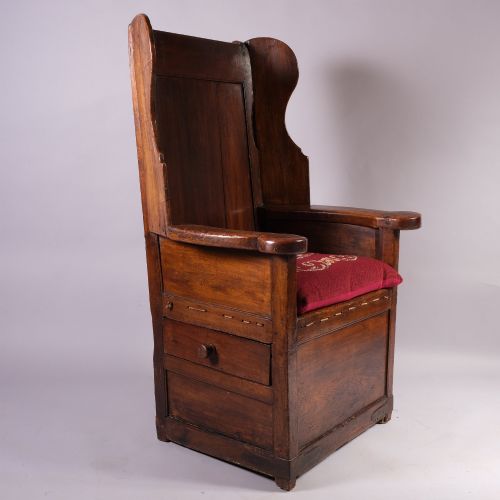
A dark oak lambing chair brings rugged vernacular comfort to a room, offering high wing backs and deep seats designed to block cold draughts.
Dark Oak Lambing Chair
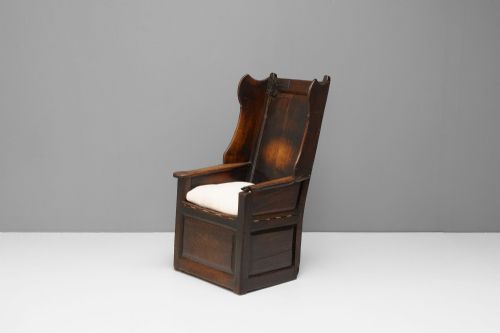
When you search for a dark oak lambing chair, you are looking at substantial country seating built for warmth and shelter in centuries past. These chairs typically feature high wooden backs, enclosed sides or wings, and solid seats designed to keep fireside draughts at bay.
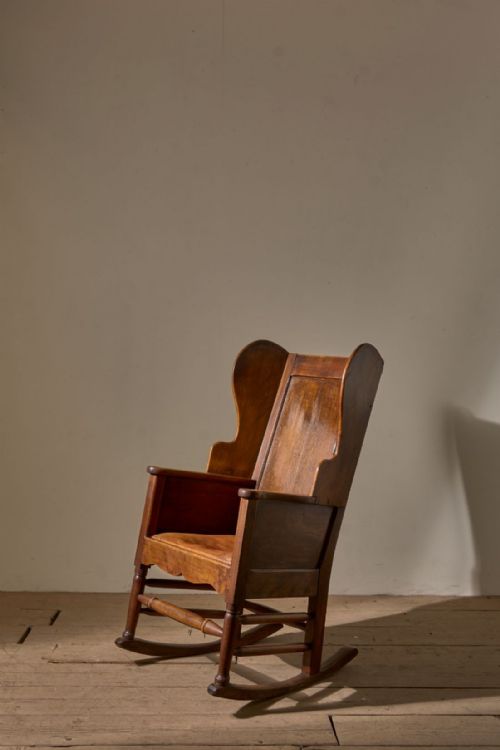
On this page, you are most likely to meet examples from the seventeenth, eighteenth, and nineteenth centuries, spanning English, Welsh, Scottish, and Dutch country vernacular styles. Forms range from full-sized adult armchairs to smaller child variants and occasional rocking formats.
Makers working within Georgian vernacular and rustic country traditions built these pieces for everyday utilitarian use in farmhouses and cottages. The resulting furniture balances functional protection with the honest, heavy proportions characteristic of early regional woodwork.
How they were made
The primary material across these listings is solid oak, frequently partnered with secondary timbers such as fruitwood and elm for structural framing or seat boards. Artisans utilised traditional joinery techniques, relying on pegged mortise and tenon joints to build rigid, hard-wearing frames without metal fasteners.
Surface detailing remained simple and practical, allowing the natural grain of the oak and fruitwood to dominate the appearance of each piece. Where upholstery appears, materials like leather, fabric, and textiles line the seat bases or squabs for added comfort.
Listings feature oak, elm, and fruitwood spanning the seventeenth to nineteenth centuries in English, Welsh, and Dutch country styles.
What varies in quality
Quality in a dark oak lambing chair depends heavily on the integrity of the original timber and the proportions of the protective wing sides. Better examples retain their deep, untouched patination and heavy board construction without excessive timber replacement.
The sophistication of the vernacular design separates standard workshop output from finer regional pieces. Well-balanced arm curves, integrated rocker rails where applicable, and clean structural lines elevate the presence of seventeenth and eighteenth-century country seating.
Charles Bevan
The Dark Oak Lambing Chair Glossary
- Vernacular
- Everyday furniture built by local country joiners rather than urban cabinet makers. These pieces reflect regional materials and practical domestic needs.
- Wing back
- The extended sides built onto the upper frame of the chair. They shield the sitter from side draughts near an open hearth.
- Fruitwood
- Dense timber gathered from fruit-bearing trees such as pear or apple. Makers often utilised it for contrasting spindles or smaller child chairs.
- Mortise and tenon
- A traditional joint where a protruding tongue fits snugly into a matching cavity, secured with wooden pegs. This method forms the skeleton of early oak seating.
- Patina
- The surface sheen and colour acquired by wood through decades of handling, polishing, and exposure to light. A deep patina indicates age and regular use.
Dark Oak Lambing Chair: Frequently Asked Questions
What is a dark oak lambing chair?
A dark oak lambing chair is a traditional vernacular armchair featuring high solid wings and enclosed sides designed to block cold draughts around a farmhouse hearth.
These pieces were constructed by regional country joiners using heavy local timbers, primarily oak, to provide durable and sheltered seating for daily domestic life.
How do I date an old lambing chair?
Dating relies on examining the construction methods, tool marks, timber shrinkage, and regional style characteristics evident in the frame. Seventeenth-century examples often display heavier board construction and simpler joinery, whereas eighteenth-century versions show more refined country proportions.
Comparing the patination of the oak and the style of the arm supports against documented vernacular furniture helps narrow down the period of manufacture.
Were these chairs used only for shepherds?
Despite the traditional name linking them to lambing seasons and shepherds nursing newborn livestock, these chairs served general domestic purposes in farmhouses and cottages. Anyone in the household needing protection from cold stone-floor draughts sat in them by the fire.
Their enclosed design made them practical general seating before central heating became common in rural homes.
How do I care for antique oak furniture?
Maintaining antique oak involves keeping pieces away from direct heat sources and rapid humidity changes that cause the timber to split. Regular dusting with a dry, soft cloth preserves the surface without building up heavy chemical residues.
Applying a traditional beeswax polish sparingly helps nourish the old wood and maintains its natural lustre over time.