





Dark Wood Panel Chair
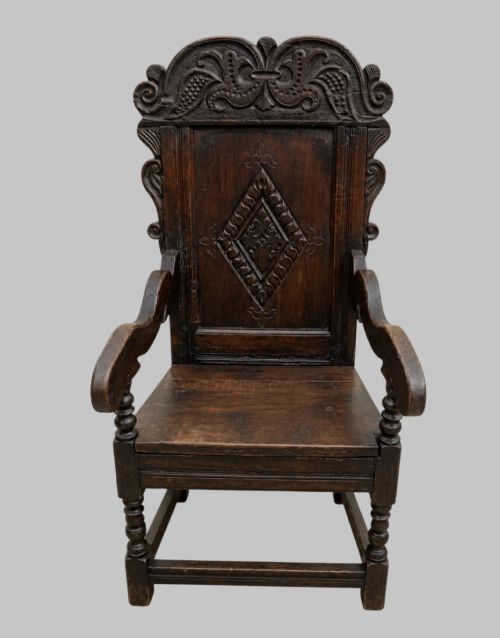
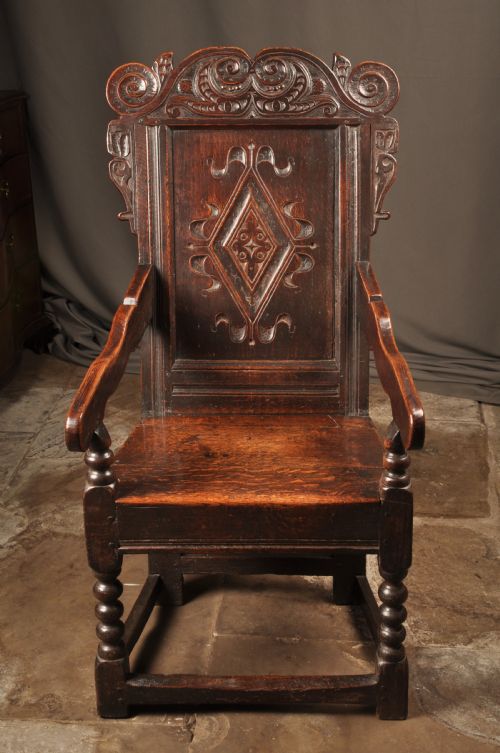
A dark wood panel chair brings heavy timber framing and rigid historical gravity into a room, offering immediate architectural presence through solid wood backrests.
Dark Wood Panel Chair
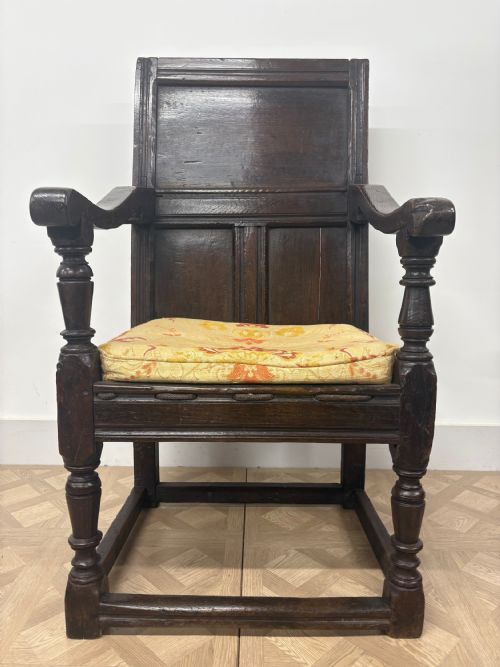
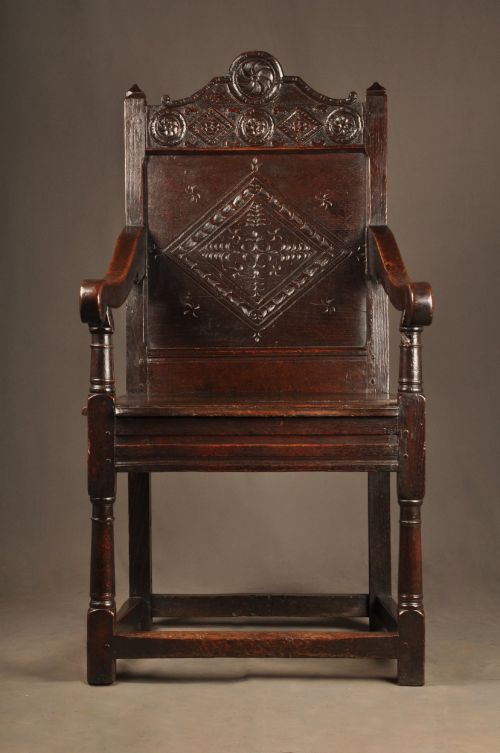
A dark wood panel chair centres on solid timber construction, most frequently seen in seventeenth-century wainscot forms alongside later nineteenth-century revivals and regional vernacular pieces. These seats rely on heavy wooden backs made from framed panels, often complemented by solid seats and sturdy armrests.
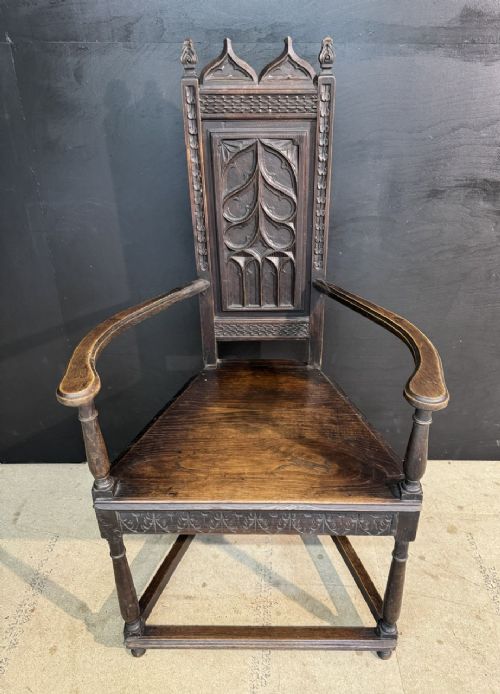
The selections span from early English and Welsh oak armchairs to Victorian interpretations, side chairs, benches, and corner chairs incorporating intricate carving or inlaid details. Buyers encounter everything from authentic seventeenth-century examples to later copies built in the same robust manner.
How they were made
Construction relies primarily on solid oak, walnut, fruitwood, and birch, joined using traditional pegged mortise and tenon methods rather than modern metal fasteners. Timber surfaces are hand-carved, panelled, and occasionally embellished with contrasting woods or mother-of-pearl.
Upholstered elements, when present, integrate needlepoint tapestry or fabric and leather panels secured with brass tacks. Secondary timbers and regional variations utilise local hardwoods such as yew alongside the dominant oak.
Dark Wood Panel Chair Retail Price Guide 2026
Typical asking prices for dark wood panel chair among the pieces listed under this phrase on Sellingantiques today, from the lower quarter to the upper quarter. They describe what is for sale here now, not the wider market.
Listings feature solid oak, walnut, and fruitwood alongside upholstered additions in leather, fabric, and needlepoint tapestry.
What varies in quality
The depth and crispness of hand-carving separate ordinary production from superior examples, as does the choice of prime quarter-sawn timber that displays strong medullary rays. Early period authenticity, structural integrity in the frame joints, and minimal timber replacement dictate the standing of a piece.
Regional distinctiveness and refined proportions elevate certain vernacular chairs above standard utilitarian seating. The integration of decorative elements like Mashrabiya panels or inlaid details further distinguishes finer workshop output.
Liberty and Co
The Dark Wood Panel Chair Glossary
- Wainscot chair
- An early wooden armchair featuring a panelled backrest and solid wooden seat. This form preceded the widespread adoption of upholstered seating in domestic interiors.
- Mortise and tenon
- A traditional joint where a projecting peg fits securely into a corresponding cavity. This method provides the primary structural strength for heavy timber framing.
- Mashrabiya
- An architectural wooden lattice screen formed of small turned pieces of wood fitted together. These panels appear in Anglo-Moorish revival pieces.
- Quarter-sawn
- Timber cut radially across the growth rings to produce stable boards with distinctive figuring. Cabinetmakers prized this cut for high-grade furniture.
- Backstool
- An early term for a side chair without arms that matches the design vocabulary of a larger armchair. These pieces provided formal seating around dining tables.
Dark Wood Panel Chair: Frequently Asked Questions
What is a wainscot chair?
A wainscot chair is a heavy wooden seat constructed with panelled backrests, solid timber seats, and sturdy armrests. The form originates from sixteenth and seventeenth-century joinery traditions.
These pieces served as principal seats of authority in domestic spaces before lighter, upholstered furniture became common.
How do I date an oak chair?
Dating relies on examining the joinery methods, tool marks left by hand-working, timber species, and stylistic carving motifs. Seventeenth-century examples display pegged frame construction and distinct regional carving.
Later nineteenth-century revivals often copy these early styles but exhibit different secondary timbers, machine tooling, or assembly techniques.
Where were lambing chairs used?
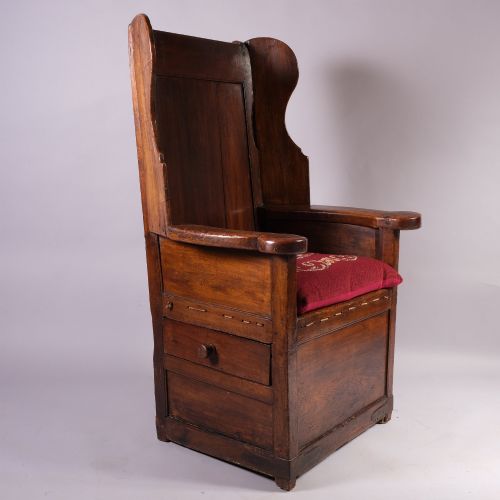
Lambing chairs functioned as vernacular seating in rural farmhouses and cottages, particularly in regions like Wales and the north of England. Their high panelled wings protected occupants from cold drafts.
They stood near hearths and often incorporated under-seat storage compartments for blankets or small household items.
Are these chairs comfortable?
These solid timber seats were built for structural durability and upright posture rather than relaxed lounging. Adding loose cushions or pads softens the hard wooden surfaces for daily use.
Their substantial weight and rigid frames make them permanent anchor pieces within a room's layout.