
Antique Vernacular Seating
These pieces of antique vernacular seating are domestic chairs, stools and settles shaped by regional hands, offering sturdy utility and enduring character.
Antique Vernacular Seating
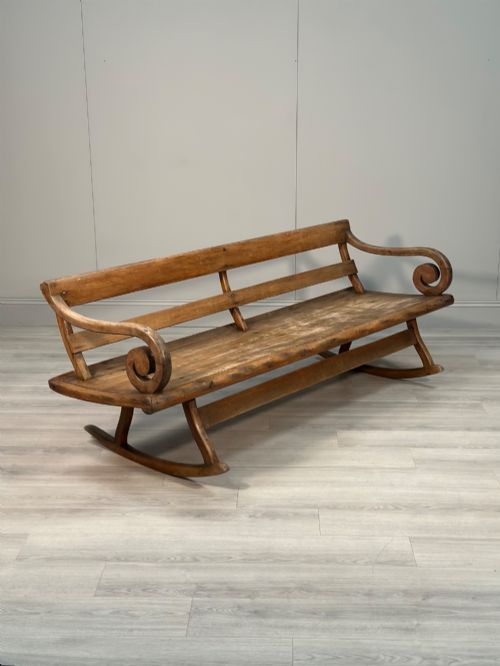
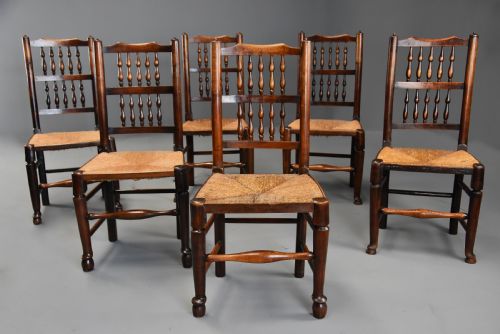
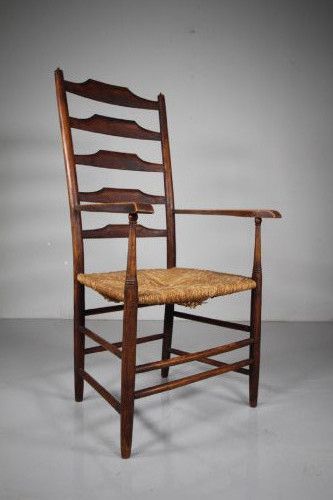
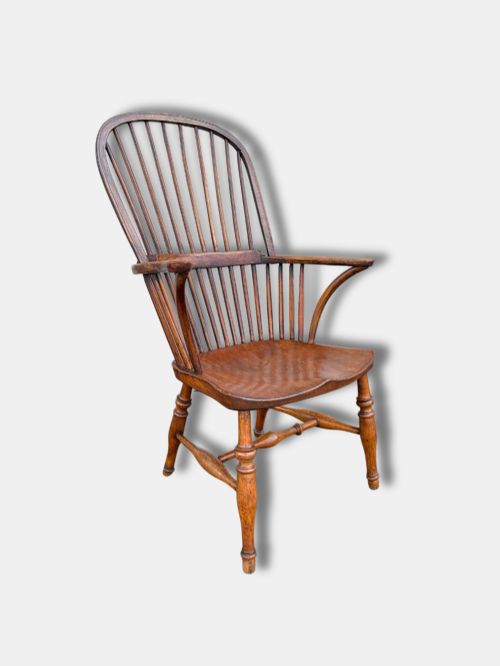
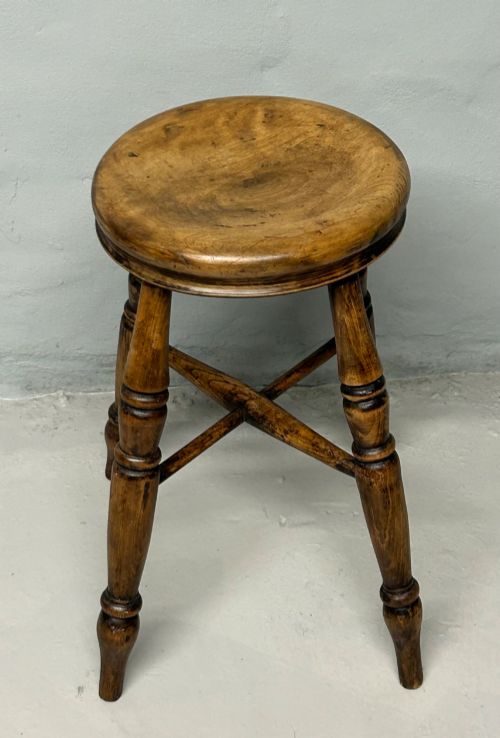
Antique vernacular seating encompasses everyday wooden furniture made for domestic life without grand academic design rules, spanning the seventeenth century through to the Edwardian period. When browsing this selection, buyers frequently encounter regional forms including Windsor armchairs, ladderback dining chairs, low stools and high settle benches. These items originate from British rural workshops and farmhouses, fashioned by local carpenters using available timber.
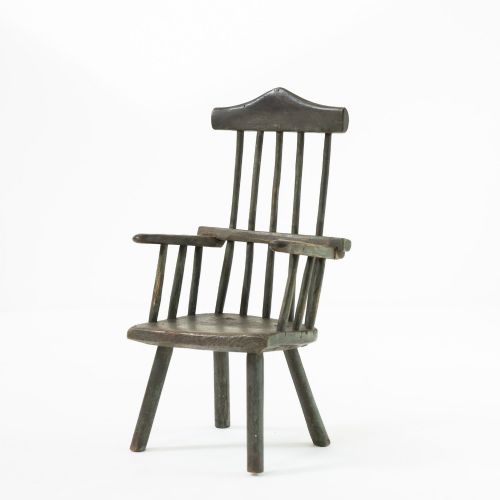
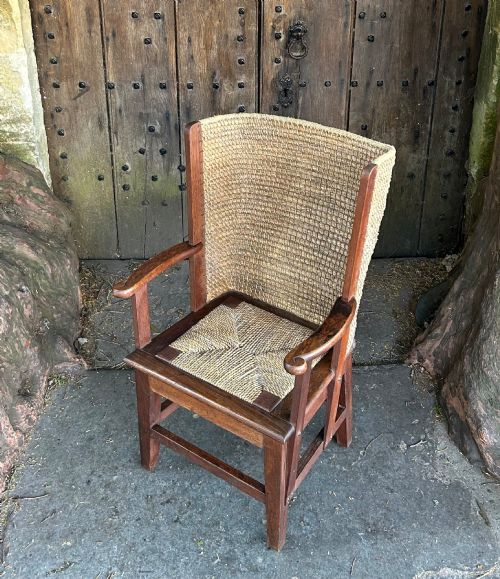
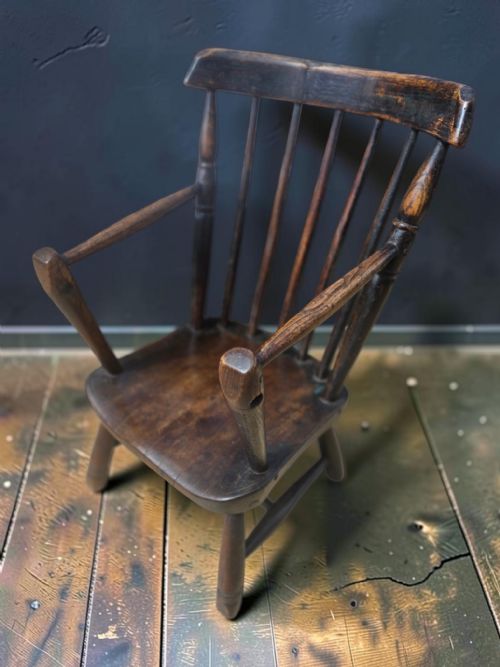
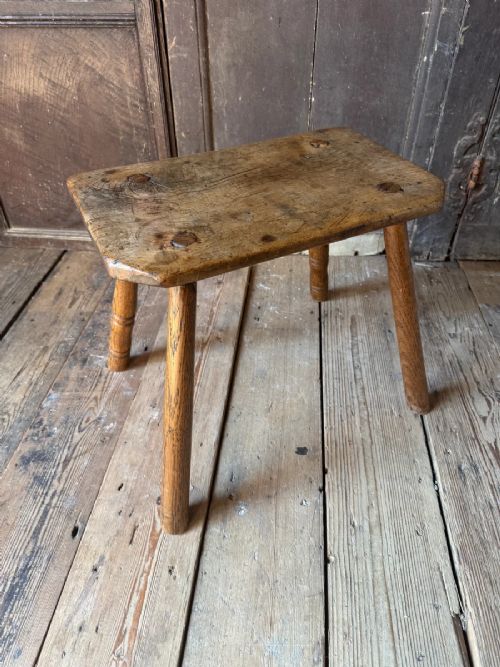
The objects listed here range from single children's chairs and milking stools to harlequin sets of kitchen dining chairs. Pieces emerge from distinct local traditions, such as Welsh oak chairs, Thames Valley armchairs and Scottish crofter seating. Simple domestic function dictated the design of these forms, prioritising practical utility over formal decorative display.
How they were made
Makers constructed these seats using mixed native timbers suited to different parts of the chair structure. Elm frequently formed comfortable solid seats, while ash, beech, oak and sycamore provided strong turned spindles, legs and bentwood hoops. Workshops occasionally incorporated fruitwood, laburnum, yew, pine, rush and iron fixings into the construction.
Traditional greenwood working techniques involved shaping unseasoned timber with drawknives and spokeshaves before assembly. Windsor chairs utilised pegged mortise and tenon joints alongside steam-bent components to secure stability. Stools and ladderbacks relied on simple turned joints and rush-woven bases to withstand daily household wear.
Listings feature regional vernacular seating made from native British hardwoods including oak, elm, ash, beech, fruitwood and yew.
What varies in quality
Quality in these domestic pieces depends upon the harmony of the timber selection and the retention of an honest, uninhibited surface finish. Chairs displaying well-figured grain in combination woods like ash and elm possess greater visual depth. Original painted surfaces or patinated bare wood elevate an example far above heavily stripped or over-restored equivalents.
Structural integrity and balanced proportions also separate standard examples from finer items. Skilled turning on spindles and legs, coupled with minimal replacement to structural components, demonstrates superior regional craftsmanship. The rhythm of a matched set or the sculptural confidence of a singular primitive armchair dictates its standing among collectors.
Philip Clissett·Wheelers of Arncroach·Yealmpton
The Antique Vernacular Seating Glossary
- Windsor chair
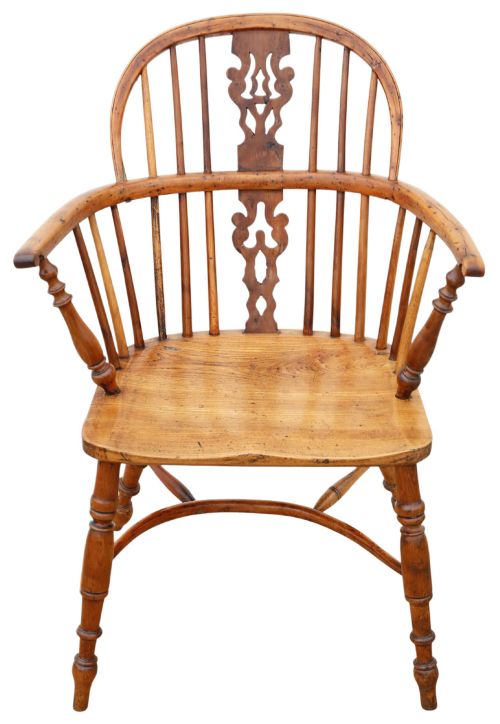
- A wooden chair featuring a thick solid timber seat into which the legs and back spindles are directly wedged. Steam-bent bows often form the upper backrest.
- Settle
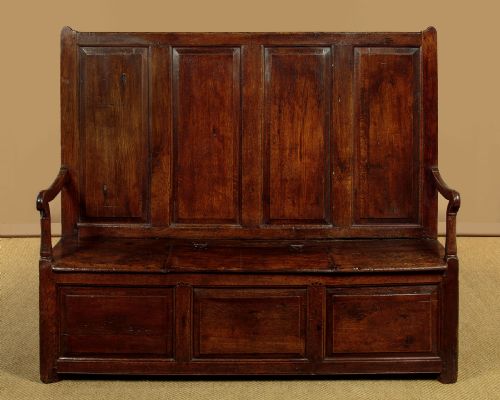
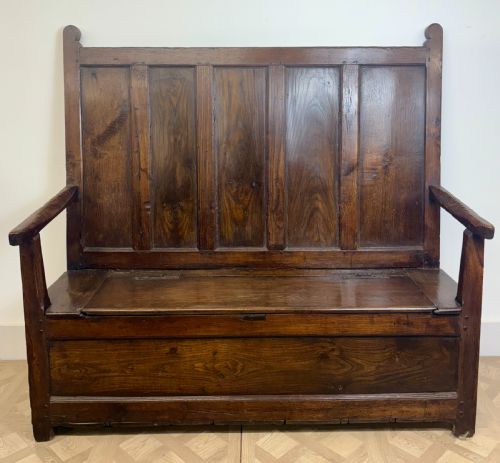
- A high-backed wooden bench with solid sides and a box base designed to shield occupants from draughts. These items served as central pieces of hearth furniture.
- Ladderback
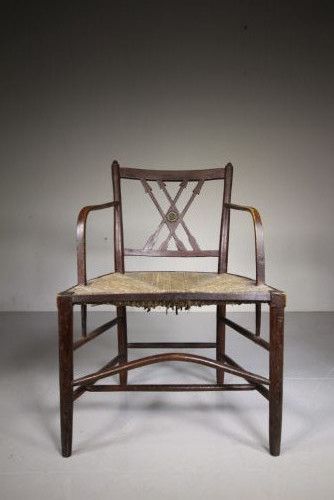
- A chair style characterised by horizontal wooden slats or rails set between upright rear posts. These frames commonly supported rush-woven seating pads.
- Lambing chair
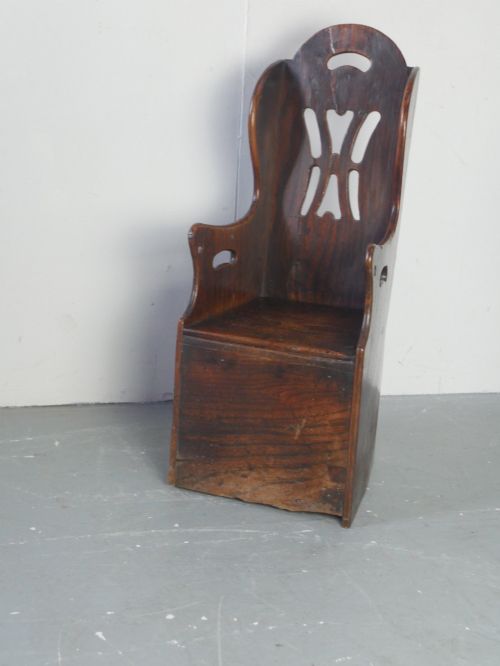
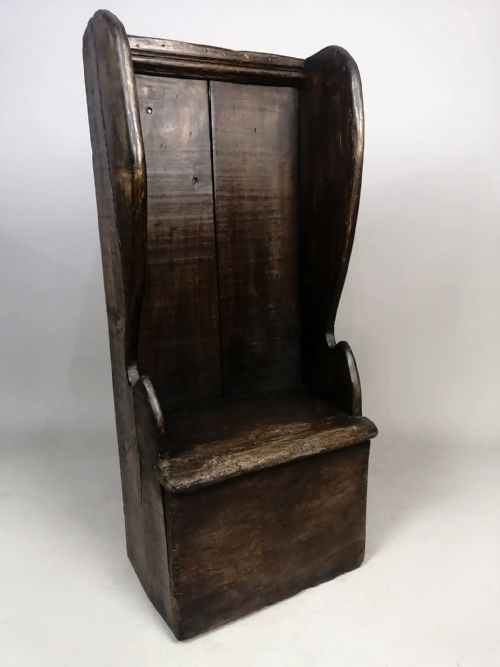
- An enclosed low-seated armchair with high wooden wings intended for warmth near a fireplace. Early examples frequently utilised solid oak or fruitwood.
- Vernacular
- Unpretentious domestic architecture or furniture shaped by local traditions and available materials rather than metropolitan architectural pattern books.
Antique Vernacular Seating: Frequently Asked Questions
What is an antique vernacular chair?
These items are everyday regional wooden seats made by local carpenters for domestic use rather than high-style urban workshops. They include various forms of Windsor chairs, ladderbacks and kitchen seating.
Craftsmen built them using native British timbers like elm, ash and oak to serve practical functions in farmhouses and cottages. Their design evolved from local traditions rather than academic architectural rules.
How were vernacular settles used?
Settles served as heavy wooden benches placed near the household hearth to protect residents from cold drafts. The enclosed base often doubled as a storage chest.
Families gathered around the fire on these benches during winter evenings, making them a central fixture of rural domestic life. Their high backs provided necessary insulation in stone-floored rooms.
How do I date a country chair?
Dating relies on observing construction methods, tool marks, timber choices and the evolution of regional styles. Early pieces often feature hand-split timbers and primitive pegged joints.
Later Victorian and Edwardian examples show mechanical turning and standardised components. Comparing the form to dated regional archetypes helps narrow the period.
What is a Harlequin set of chairs?
A harlequin set is a gathering of dining or kitchen chairs that share a similar style, period or material without being an exact matching factory-made set. These collections naturally accumulated in rural homes over time.
Individual chairs might vary slightly in turning, height or timber grain while maintaining a cohesive visual rhythm. This grouping reflects the practical reality of furnishing a historic household.
How do I care for antique wooden seating?
Maintenance involves keeping wooden furniture away from direct heat sources and sudden humidity changes to prevent timber splitting. Regular gentle dusting preserves the historic surface.
Applying occasional appropriate wax feeds dry timber and maintains the natural patina accumulated over centuries of use. Avoiding harsh chemical cleaners protects the original finish.