


English Winged Armchair
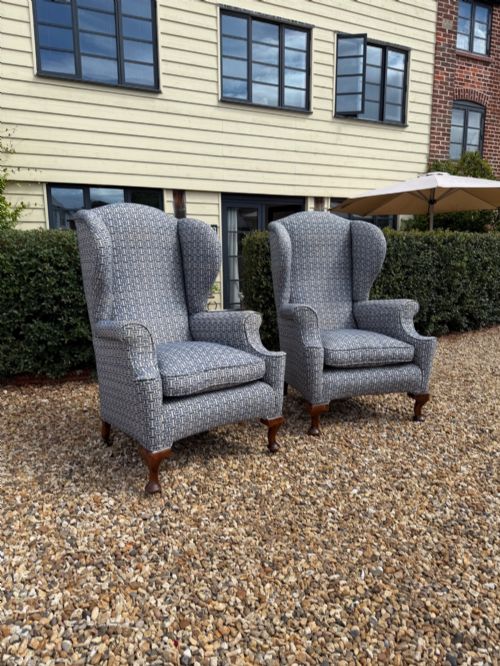
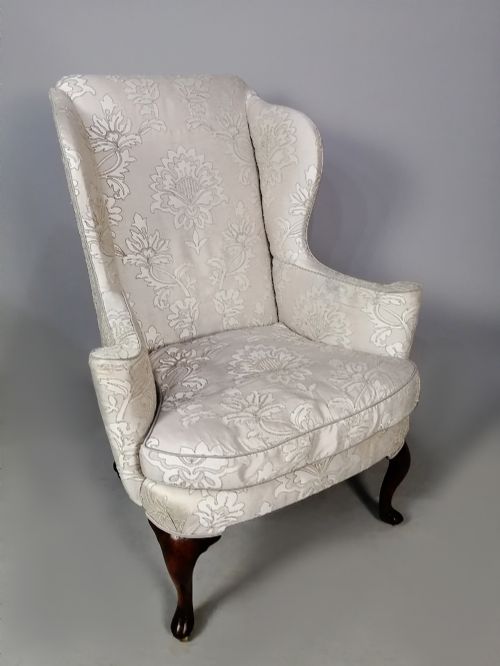
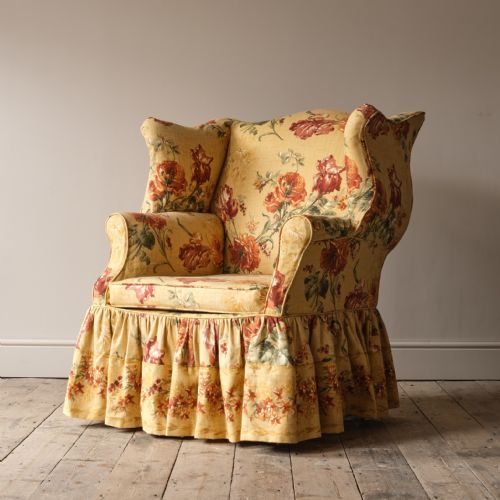
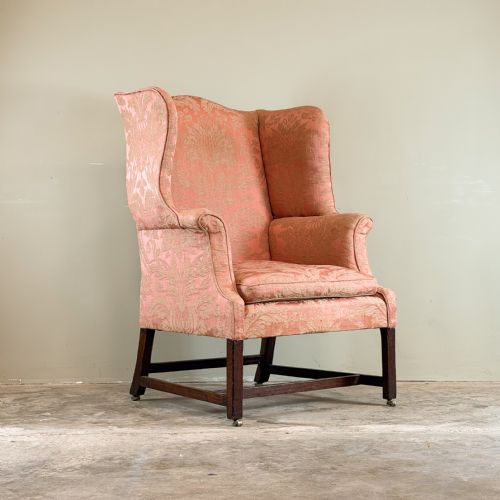
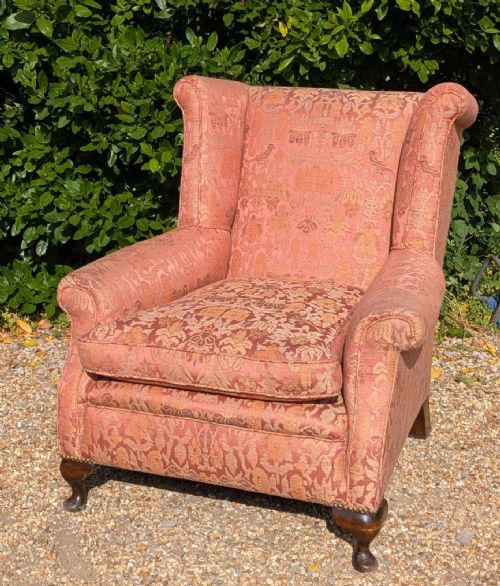
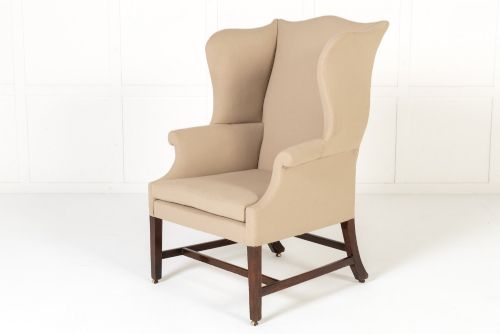
An english winged armchair wraps you in high-sided comfort, keeping hearth-side drafts away while anchoring a room with traditional stature.
Materials and construction
Carpenters built the foundational frames of an english winged armchair using hardwoods such as mahogany, walnut, oak, and fruitwood, paired with exposed timber legs and stretchers.
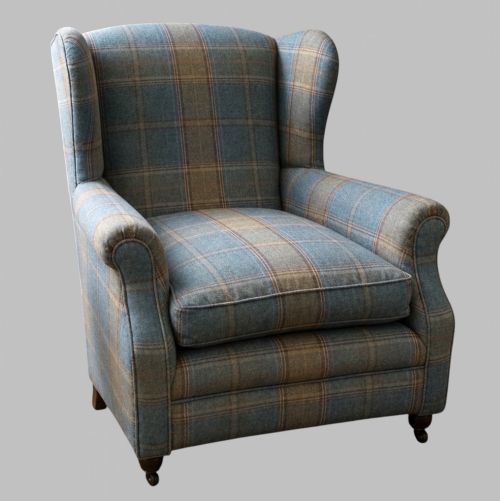
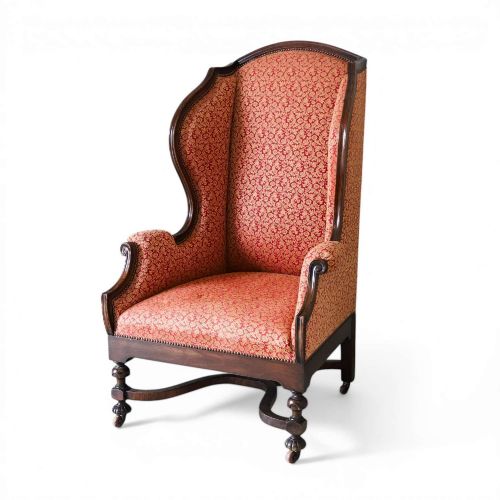
Upholstery relies on traditional textiles including velvet, leather, wool plaid, and calico, often filled with feathers or hair to create deep comfort within the high-backed structure.
Assessing quality
The distinction between ordinary and exceptional examples rests on the integrity of the timber frame, the sweep of the wings, and the proportion of the arms and back. Finer pieces display confident carving on mahogany or walnut show-wood and maintain their original architectural scale.
Upholstery execution and the choice of covering materials, from antique leather to wool plaid, dictate the finish and longevity of the seating.
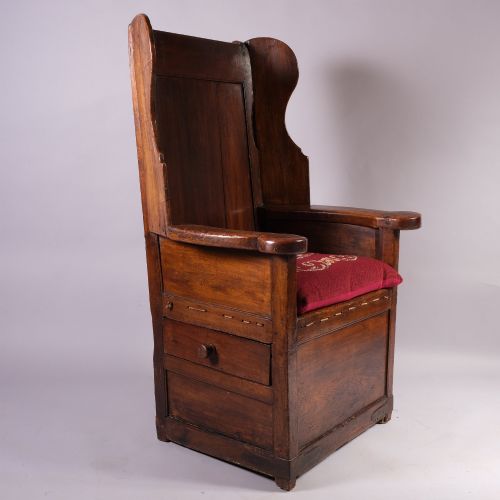
Listings span from seventeenth-century fruitwood lambing chairs to nineteen-thirties wool plaid armchairs.
Howard & Sons
The English Winged Armchair Glossary
- Wingback
- The upholstered side panels attached to the arms of an armchair designed to deflect cold air from the sitter's head and shoulders. These projections define the silhouette of the chair.
- Lambing chair
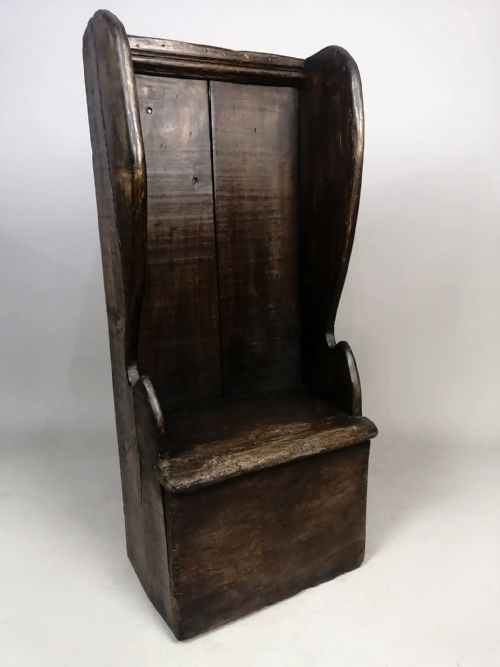
- An early vernacular form of seating, often featuring a hooded top and solid wooden panels, historically utilised by shepherds and in rural dwellings. They date back to the seventeenth and eighteenth centuries.
- Calico stage
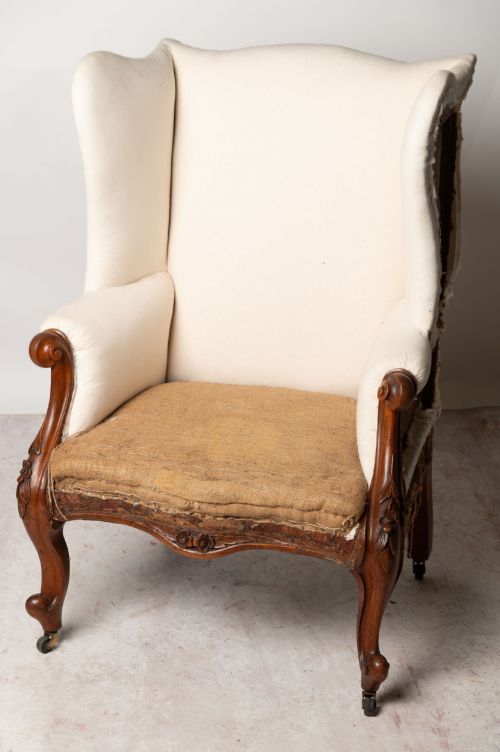
- An unfinished state where an armchair has been re-sprung and covered in plain calico fabric, awaiting final top upholstery. This allows a buyer to choose their own visible textile.
- Carolean style
- A revival style referencing late seventeenth-century English furniture design, characterised by rich carved woodwork and scrolling details. It appears in nineteenth-century interpretations on this page.
- Howard style
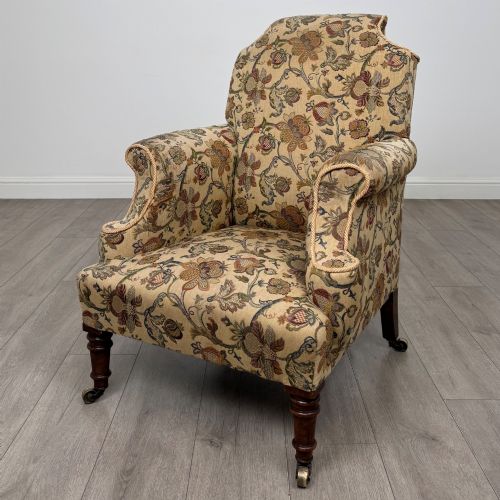
- A nineteenth and early twentieth-century design approach known for deep, comfortable upholstery and low-profile rolled arms. Chairs in this style prioritise relaxed domestic seating.
English Winged Armchair: Frequently Asked Questions
What is the purpose of the wings on an armchair?
The wings were originally engineered to trap heat from an open fireplace and protect the occupant from household draughts.
Over time, the form evolved into a symbol of stately comfort that provides privacy and acoustic shelter in a large room.
How do I distinguish an 18th-century chair from a Victorian copy?
Eighteenth-century pieces typically exhibit hand-carved joinery, pegged framing, and timber patination developed over centuries of use.
Victorian and later revival versions often utilise machine-sawn components, denser secondary woods, and nineteenth-century upholstery techniques.
What is a lambing chair?
A lambing chair is a specialised vernacular armchair constructed primarily from solid wood, often featuring a high enclosing back and a storage box beneath the seat.
These early pieces originated in rural farmhouses to keep shepherds warm during cold lambing seasons.
Can I reupholster an antique wing chair?
Many antique armchairs are sold in calico or require reupholstery to suit modern interiors while preserving the historic internal webbing and springs.
Professional upholsterers retain the original frame integrity and stuffing methods during the restoration process.
How do I style a wing chair in a modern home?
An english winged armchair works effectively as a fireside reading seat or paired opposite a sofa to anchor a living room conversation area.
Selecting bolder fabrics like teal plaid or green velvet helps bridge traditional frames with contemporary decor.