
18th Century Walnut Seating
These pieces of 18th century walnut seating bring rich warmth and fluid grain to a room through centuries of craftsmanship.
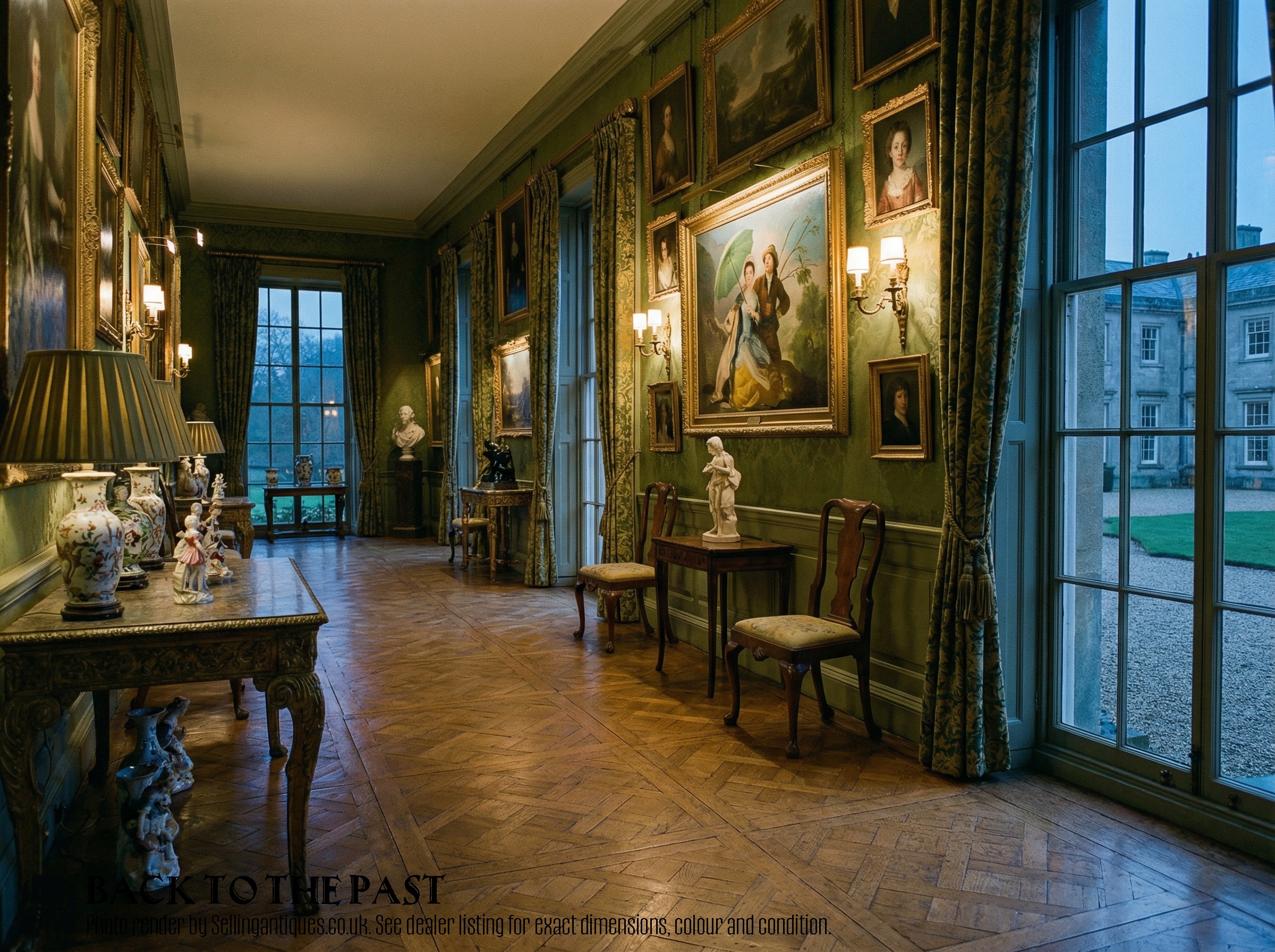
18th Century Walnut Seating
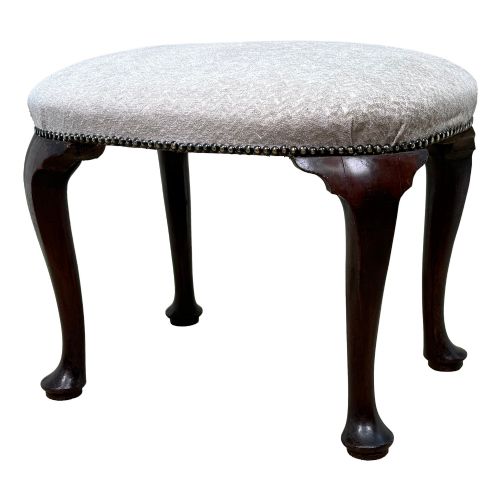
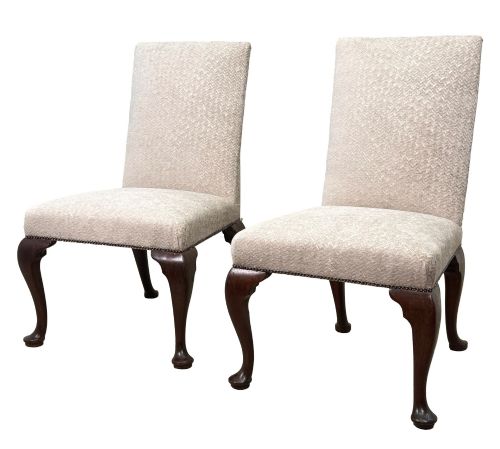
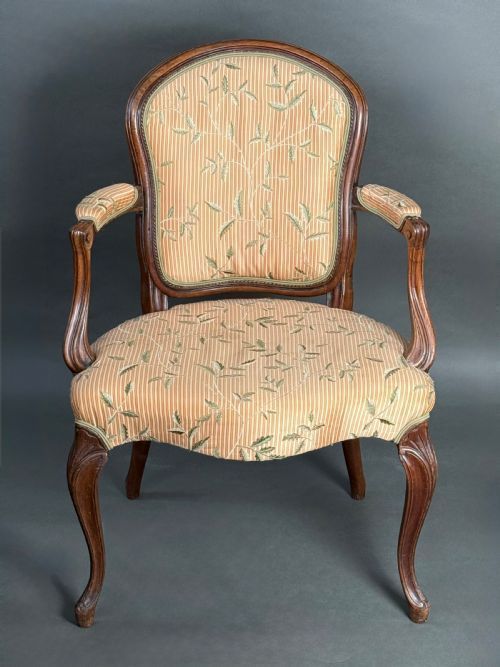
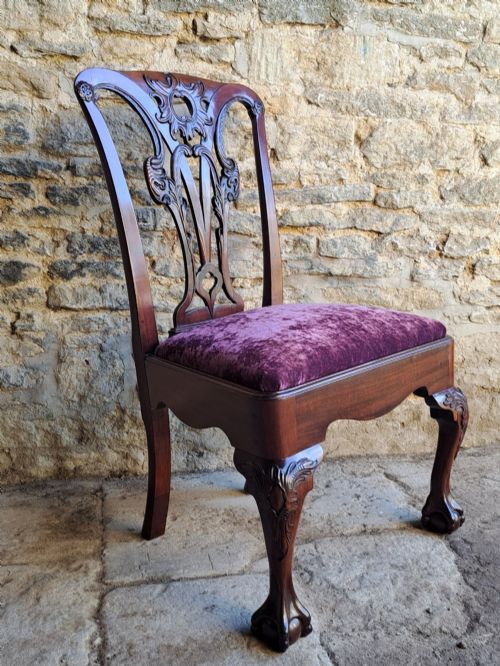
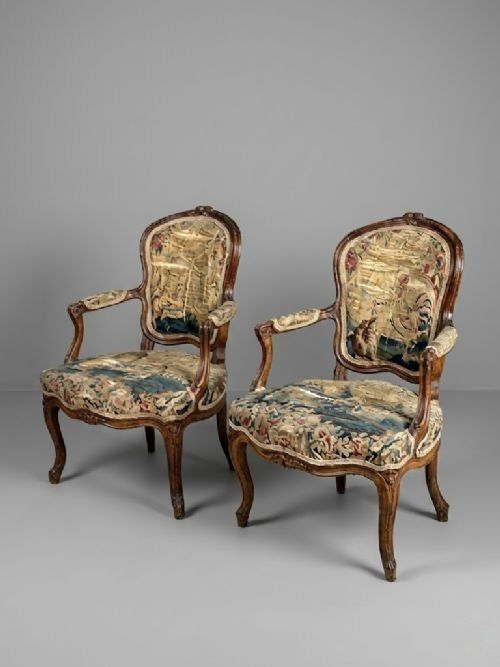
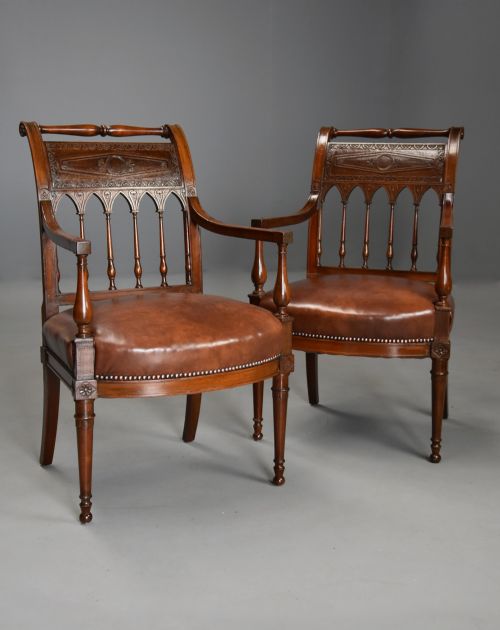
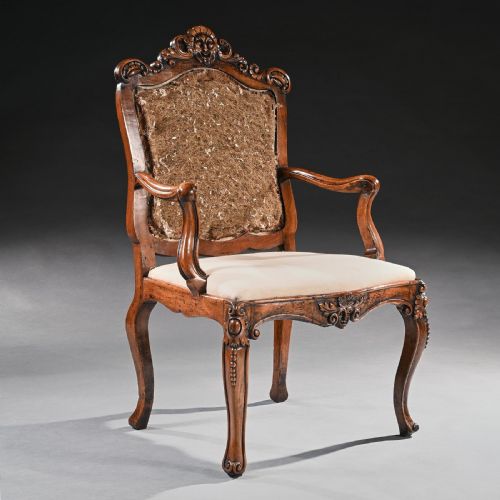
When searching for 18th century walnut seating, buyers encounter a diverse selection of chairs, stools, and settees originating from English, Irish, Scottish, Italian, Dutch, and French workshops. The forms range from simple side chairs and corner chairs to elaborate armchairs, study chairs, and sets of dining chairs.
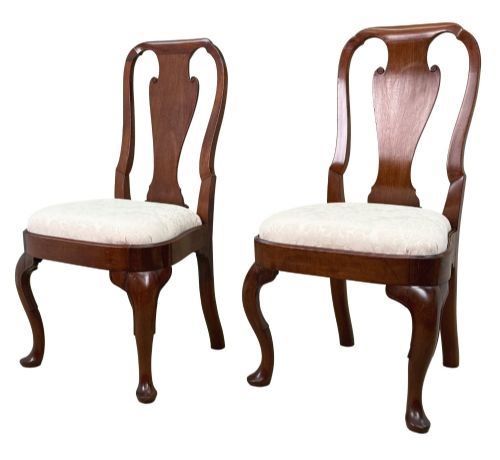
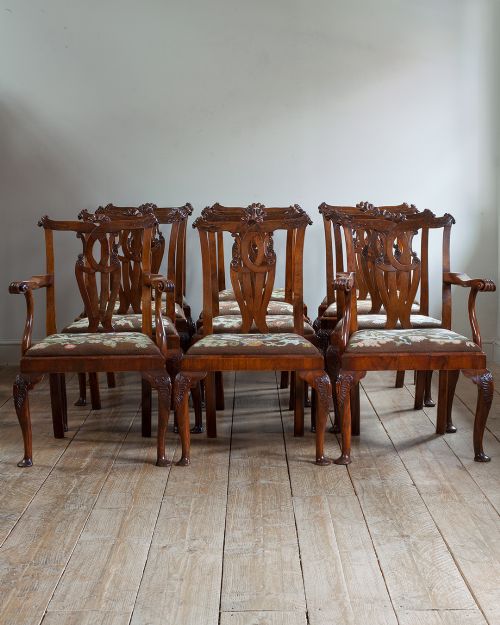
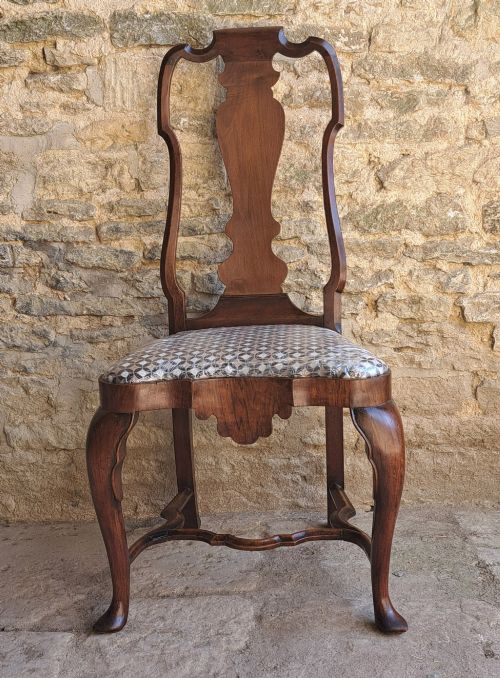
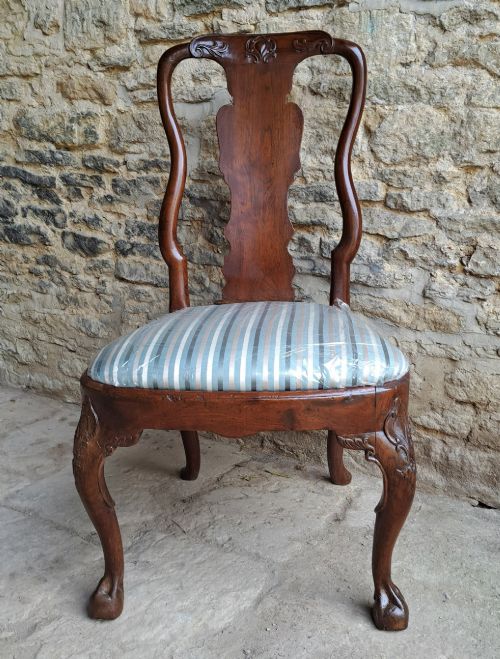
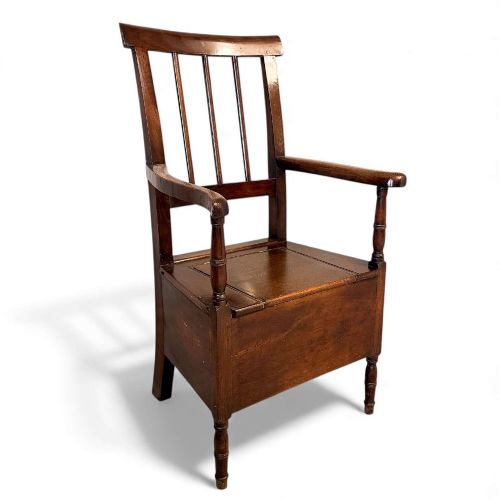
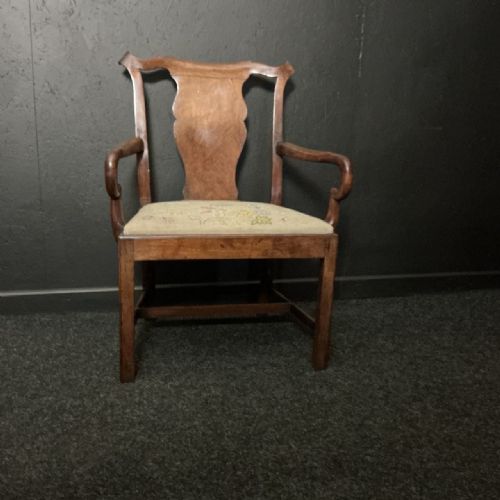
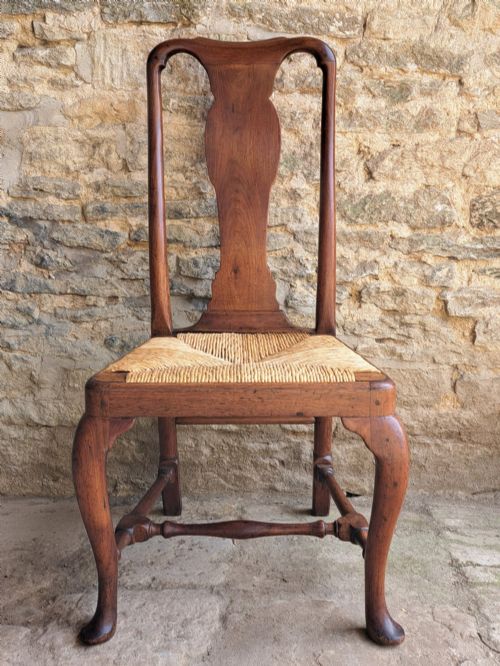
Side chairs and armchairs from the Queen Anne and George I periods dominate the selections here, frequently displaying the classic fiddle back or vase-shaped splat. Dining chairs often appear in sets, while individual pieces such as commode chairs, hall chairs, and occasional tables provide specialised forms.
Materials and construction methods
Makers utilised solid walnut and red walnut timber, sometimes augmented by oak in structural framing, selecting wood with deep figuring and rich tone. Frames were jointed securely and shaped with restrained curves or carved ornament suited to the reigning style.
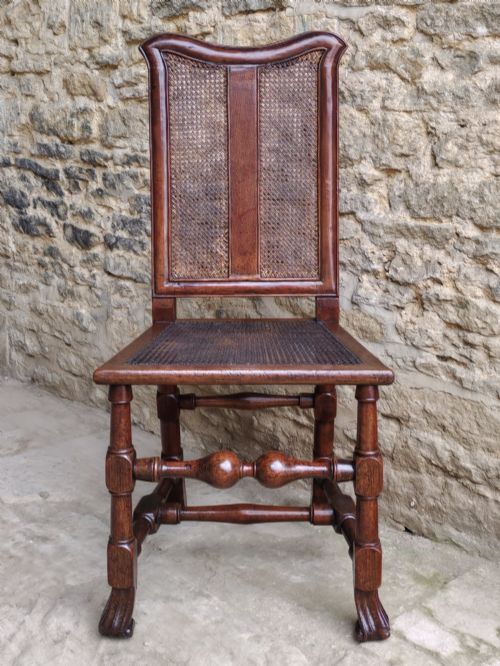
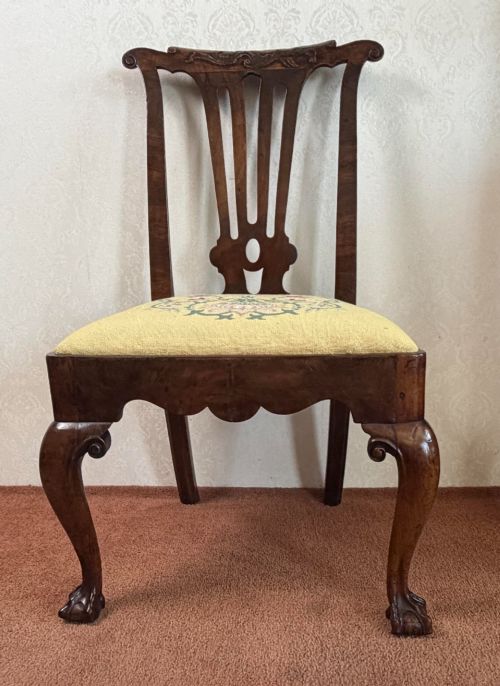
Seats required extensive upholstery work, utilising textiles such as silk, velvet, tapestry, and needlepoint, alongside drop-in seats or woven cane panels. Brass elements and marquetry inlay occasionally ornamented the surfaces of high-status Dutch and English examples.
Materials recorded across the inventory include walnut, cane, brass, and diverse textiles from silk to needlepoint.
Distinctions in quality and execution
The degree of refinement in the carving separates standard regional pieces from exceptional urban commissions, particularly in the crispness of shell motifs, scroll terminals, and claw-and-ball feet. Timber selection dictates visual impact, with highly figured grain and uniform colour commanding greater appreciation.
The integrity of the original frame construction and the preservation of period surface patination govern the standing of individual examples. Original upholstery methods and period textile coverings enhance historical completeness.
Charles Tozer·Colefax and Fowler
The 18th Century Walnut Seating Glossary
- Splatt
- The vertical wooden strip down the centre of a chair back that provides lumbar support. It frequently takes a vase or fiddle shape in early designs.
- Drop-in seat
- A removable wooden frame upholstered separately and dropped into the seat rail rebate. This construction method facilitated easy re-covering.
- Cabriole leg
- A furniture leg that curves out at the knee and tapers inward to the ankle, mimicking animal limbs. It typifies Queen Anne and Georgian design.
- Marquetry
- Decorative patterns formed by fitting contrasting veneer pieces into a prepared wooden surface. Dutch makers applied this technique extensively to high back chairs.
- Ribbon back
- A chair back carved to resemble intertwined ribbons or flowing silk bands. This design gained favour during the Georgian period.
18th Century Walnut Seating: Frequently Asked Questions
How do I identify a Queen Anne walnut chair?
Queen Anne walnut chairs typically feature cabriole legs, pad feet, and a solid vase-shaped splat centred in a curved upright back.
They rely on graceful lines rather than heavy carving, often displaying a warm honey tone in the timber.
Were these chairs used at dining tables?
Dining chairs from this era were produced individually or in small sets for formal meals and domestic use. Sets of six or eight remain sought after for actual dining purposes today.
Single side chairs served multiple functions around the house as desk or hall seating.
What is red walnut?
Red walnut refers to timber possessing a distinct reddish hue, frequently associated with Irish furniture production during the mid-18th century. It offers a dense grain and deep colouration.
Irish pieces in red walnut often display robust proportions and distinctive carved details.
How should I care for antique walnut frames?
Maintain antique walnut by keeping pieces away from direct sunlight and fluctuating heat sources that dry out the timber. Apply microcrystalline wax sparingly to nourish the surface.
Avoid commercial polishes containing silicone, which can penetrate the grain and damage the patinated finish.