

18th Century Walnut Furniture
18th century walnut furniture brings deep, warm tones and rich grain patterns into a room, offering both practical storage and classical proportion.
18th Century Walnut Furniture
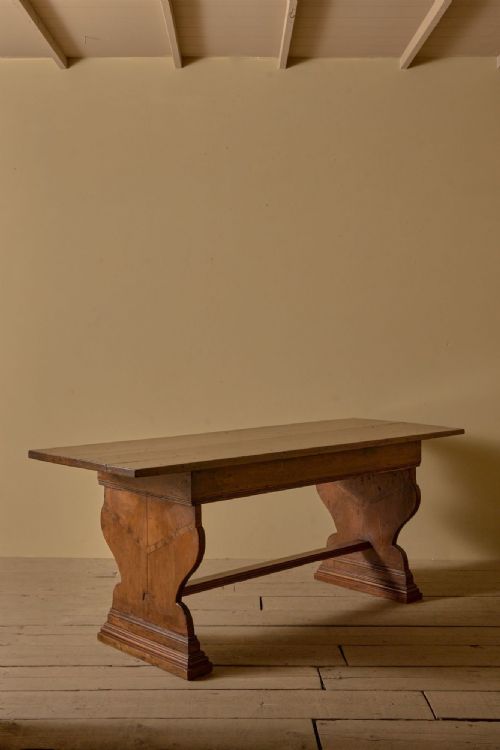
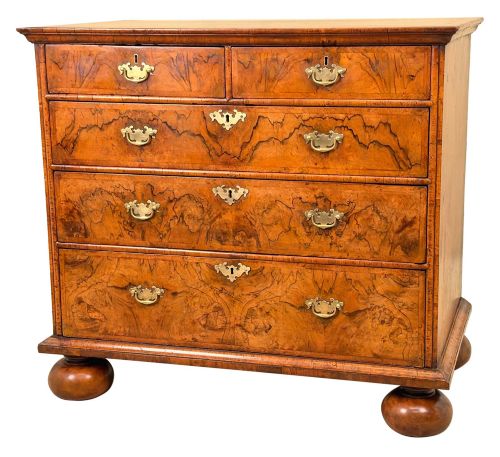
These items comprise practical domestic forms spanning desks, chests of drawers, tables, and cabinets produced during the 1700s and Georgian eras. Buyers encounter pieces reflecting Queen Anne, George I, and George II periods alongside continental Dutch styles.
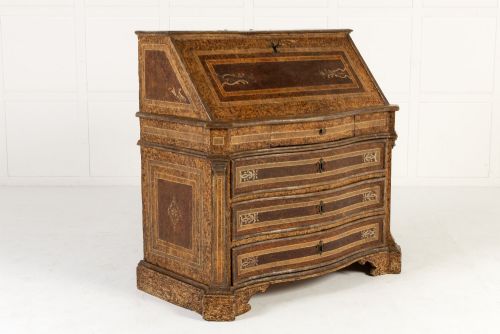
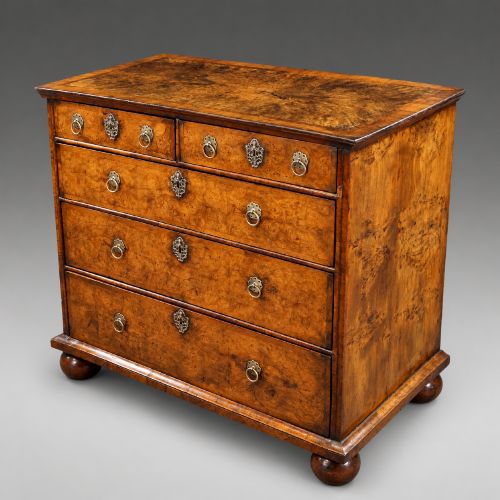
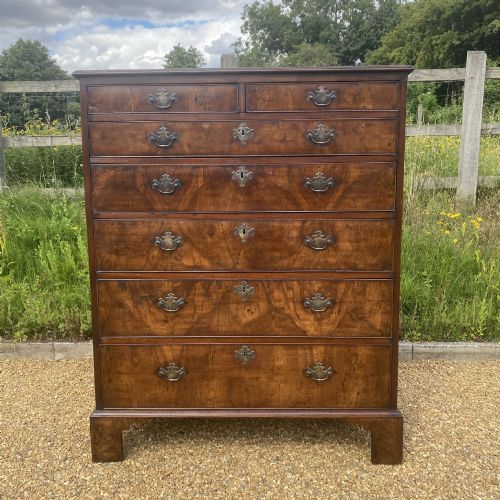
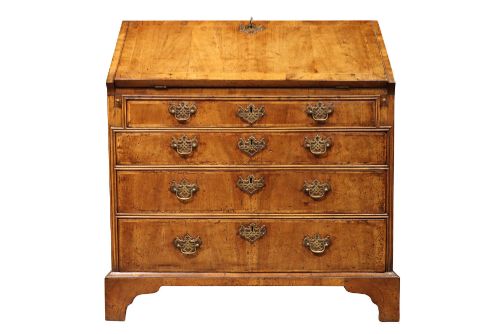
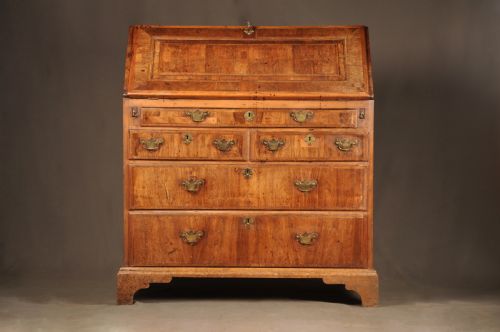
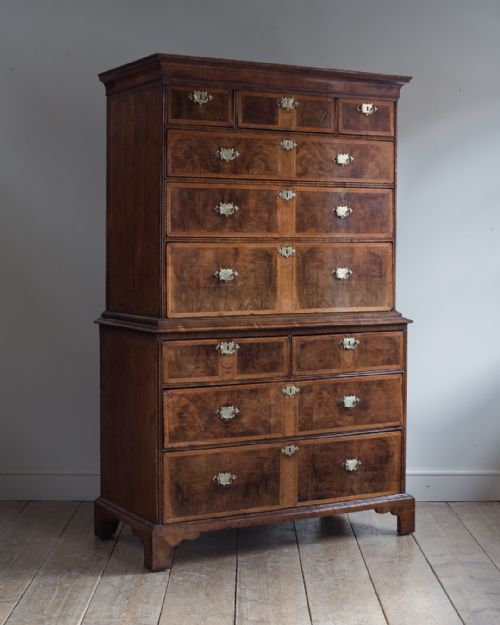
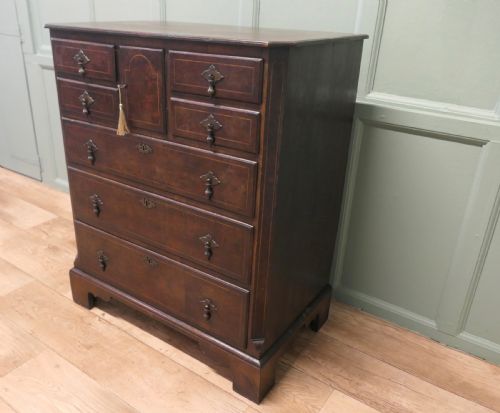
The selection centres heavily on storage pieces, notably chest of drawers and bureau bookcases, constructed with veneered surfaces or solid timber. Regional influences from England, Holland, and France shape the distinct character of each form.
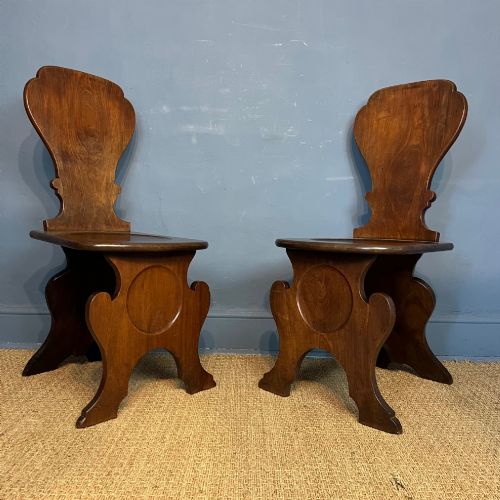
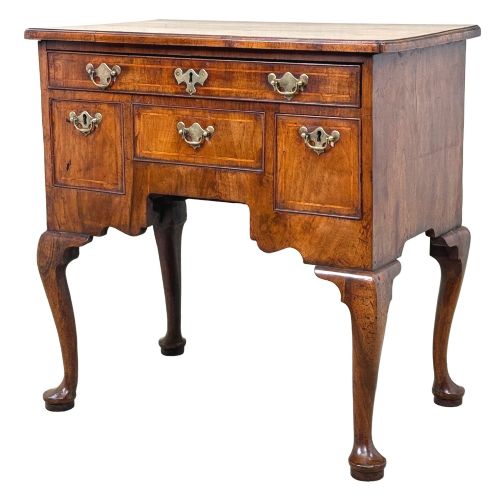
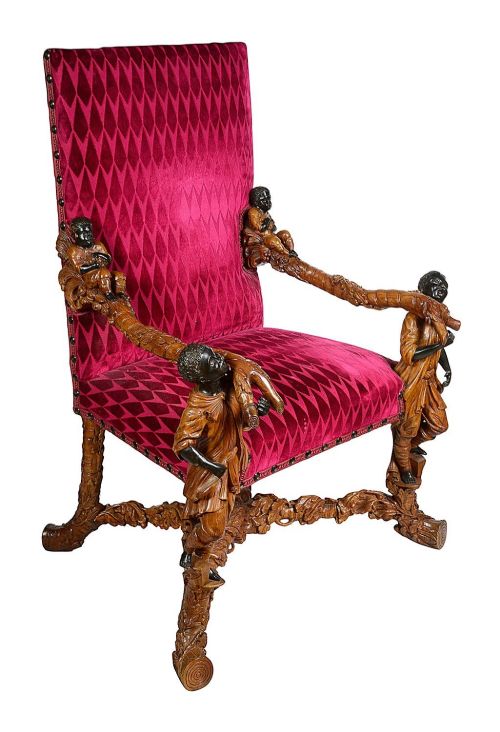
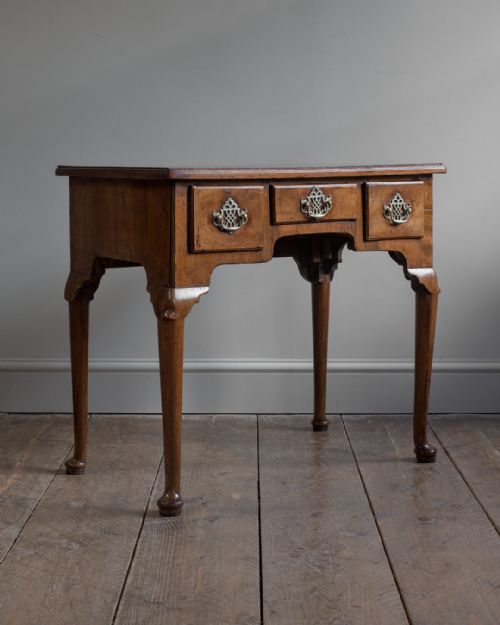
Chairs, lowboys, and drop leaf tables appear alongside larger case furniture, providing varied options for domestic spaces. The aesthetic relies on architectural balance rather than heavy ornamentation, suiting traditional and contemporary interiors alike.
Assessing Quality and Execution
Superior examples display careful timber selection where grain patterns match symmetrically across drawer banks and principal surfaces. The depth of the colour and the smoothness of the aged patina indicate how well the wood has aged over centuries.
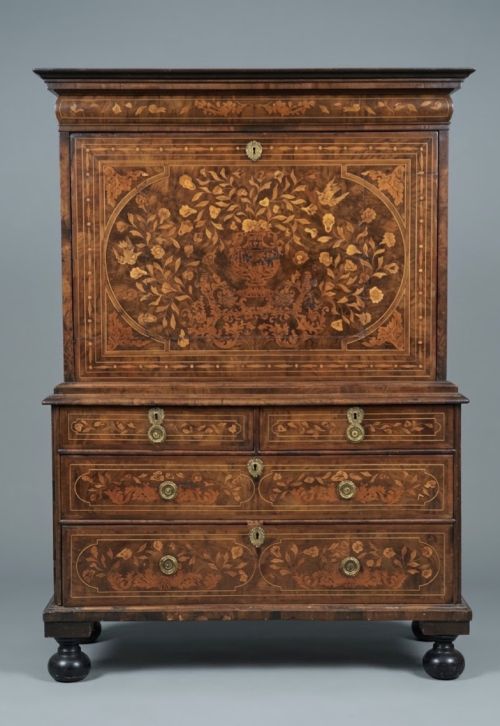
Construction integrity depends on the precision of joinery within drawers, carcases, and internal partitions. Refined pieces exhibit crisp marquetry, delicate stringing, and original brassware that harmonise with the proportions of the period.
18th Century Walnut Furniture Retail Price Guide 2026
Typical asking prices for 18th century walnut furniture among the pieces listed under this phrase on Sellingantiques today, from the lower quarter to the upper quarter. They describe what is for sale here now, not the wider market.
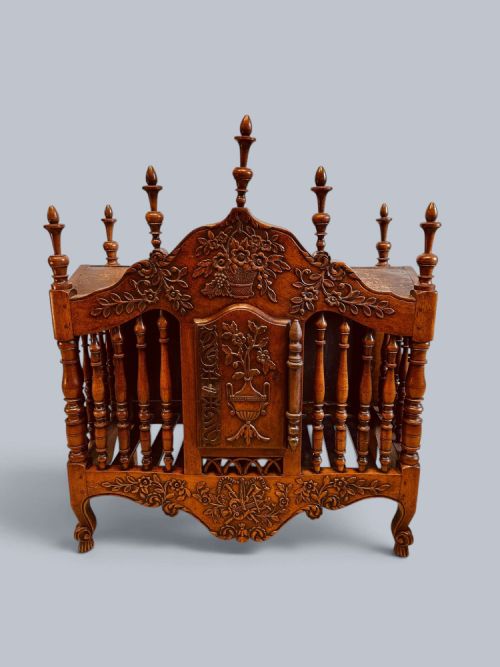
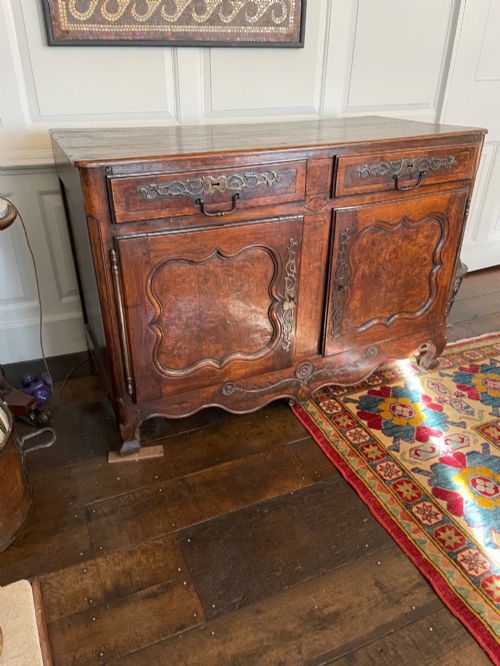
The listings span multiple centuries, incorporating oak structural timbers, brass hardware, and intricate floral marquetry across various European design traditions.
The 18th Century Walnut Furniture Glossary
- Burr walnut
- A highly prized wood featuring swirling, knotty grain patterns harvested from tree growths. Cabinetmakers cut these formations into thin veneers for decorative highlights.
- Marquetry
- An intricate decorative technique where pieces of different woods or floral materials are fitted into a veneer background. This method creates pictorial designs on cabinet doors and tabletops.
- Crossbanding
- A border technique where narrow strips of veneer are laid across the grain of the main surface. It frames panels and defines the geometric edges of drawers.
- Lowboy
- A small side table featuring a low set of drawers supported by slender legs. These tables served various dressing and writing functions in period bedchambers.
- Herringbone inlay
- A distinct V-shaped banding pattern created by laying contrasting strips of veneer side by side. It adds delicate linear detail around drawer perimeters.
18th Century Walnut Furniture: Frequently Asked Questions
How do I care for antique walnut?
Keep wooden surfaces away from direct sunlight and heat sources to prevent the timber from drying out or splitting. Apply natural beeswax periodically to nourish the grain and maintain a soft sheen.
Avoid using modern chemical polishes or excessive moisture during cleaning. A dry, soft cloth removes dust safely without harming the aged finish.
How do I identify a Queen Anne piece?
Queen Anne items often feature distinctive cabriole legs that curve outward at the knee and taper down to pad feet. Proportions remain graceful and restrained, focusing on the natural figure of the wood rather than heavy carving.
Drawer fronts frequently display veneered walnut panels bordered by simple crossbanding. Brass drop handles mounted on batwing plates are typical of this era.
What is a bureau bookcase?
A bureau bookcase combines a sloping writing flap that opens to reveal internal pigeonholes and small drawers with upper shelving enclosed by doors. This tall form provided efficient storage for books and correspondence in one unified piece of furniture.
Lower sections typically rest on bracket feet or bun feet, supporting the heavy writing desk component. These large items served as central administrative hubs in wealthy historic households.
Can I use these pieces daily?
These items were built for active household use and function reliably in modern homes when treated with reasonable care. Sturdy joinery and durable timber allow chests and tables to handle everyday storage and display requirements.
Placing felt pads beneath objects placed on tabletops prevents scratching. Regular checks on drawer runners ensure smooth operation without placing stress on ancient timber.