

18th Century Walnut Dresser
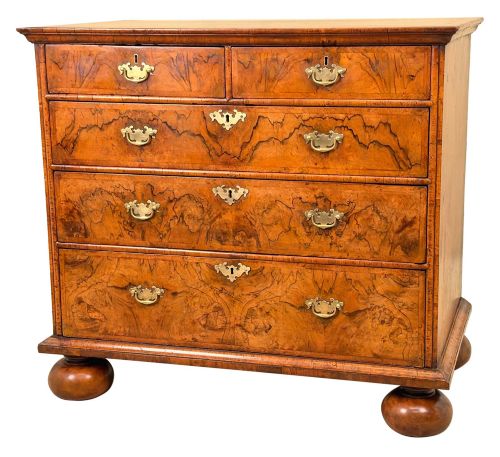
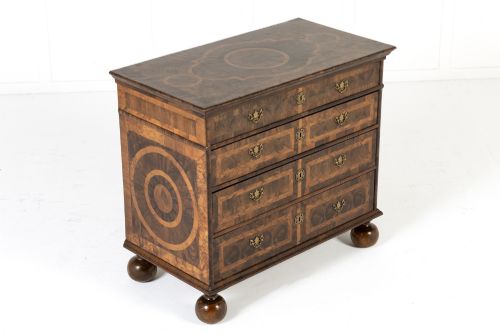
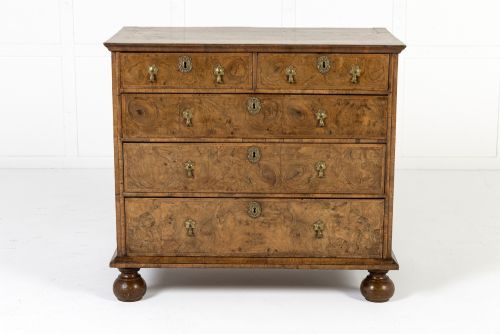
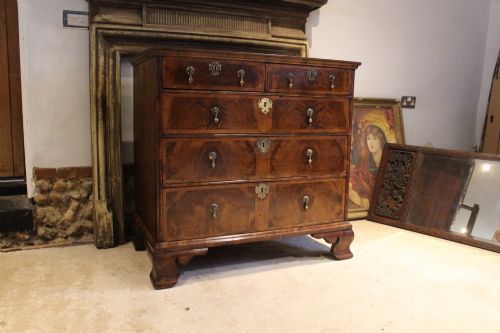
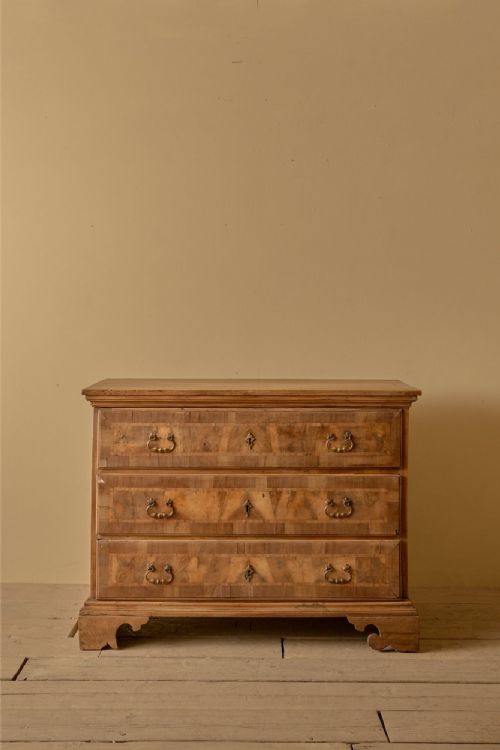
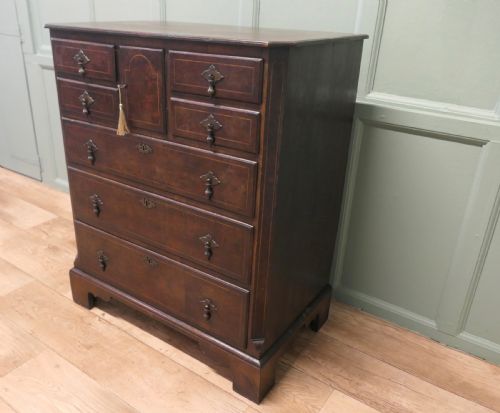
An 18th century walnut dresser delivers warmth and architectural presence to a room, offering substantial storage through deep timber drawers.
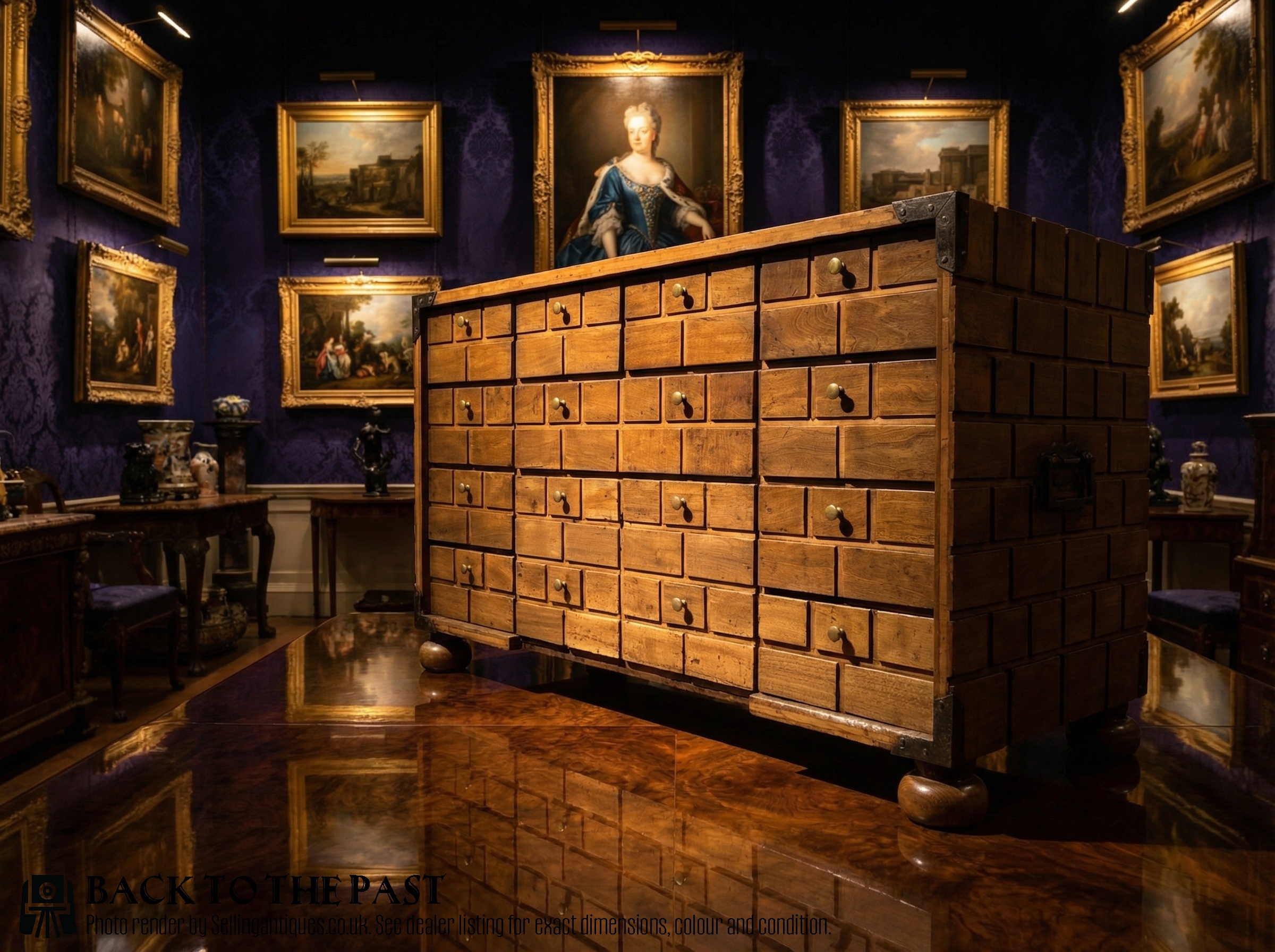
18th Century Walnut Dresser
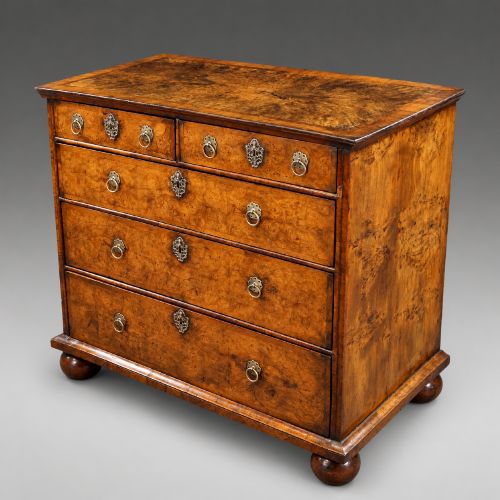
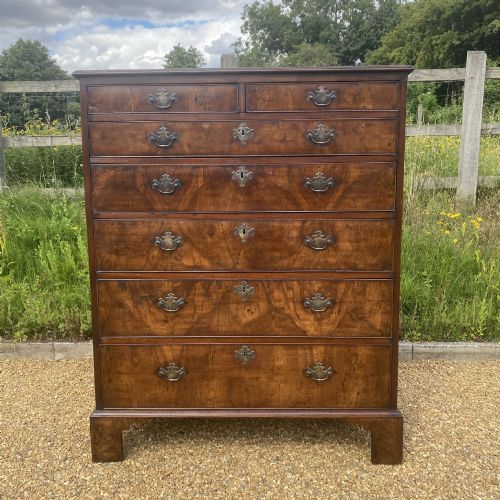
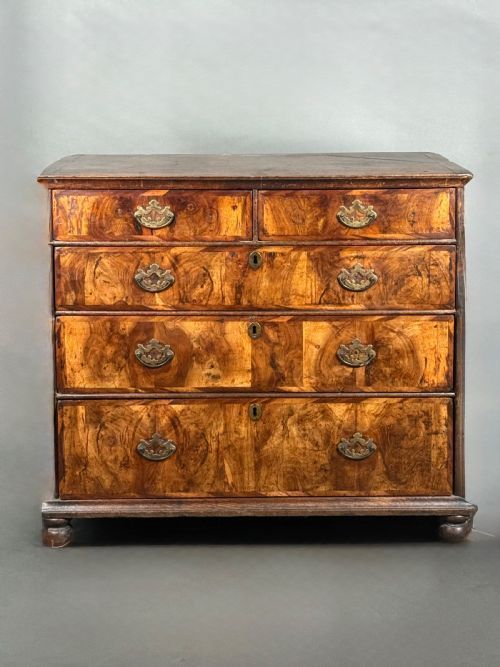
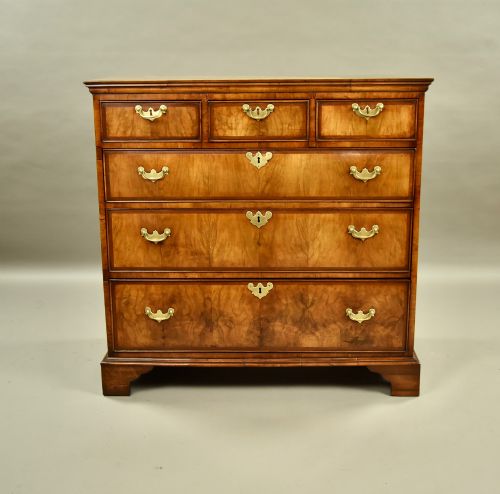
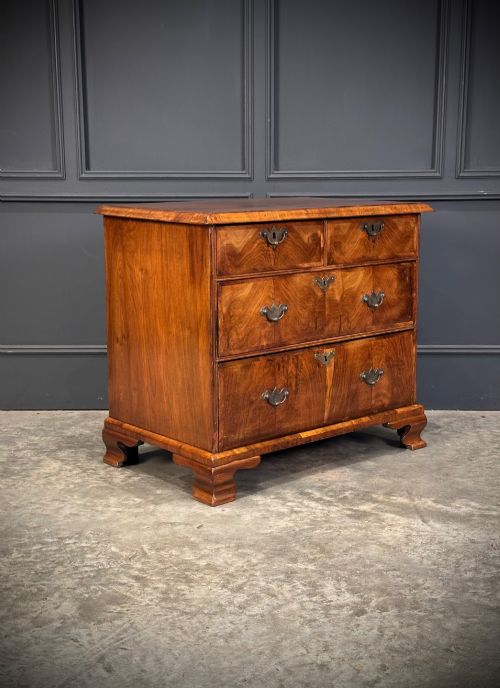
An 18th century walnut dresser most commonly appears as a sturdy base or chest form, frequently integrating oak linings or secondary timbers. These pieces span the Georgian era, Queen Anne period, and continental workshops, crossing styles from George I to French provincial.
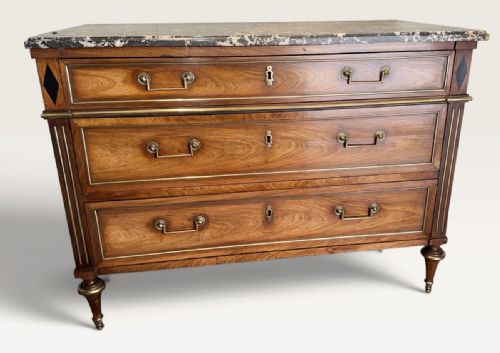
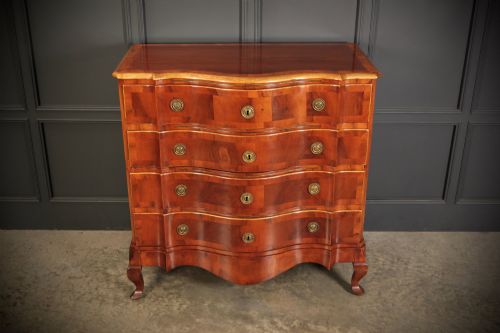
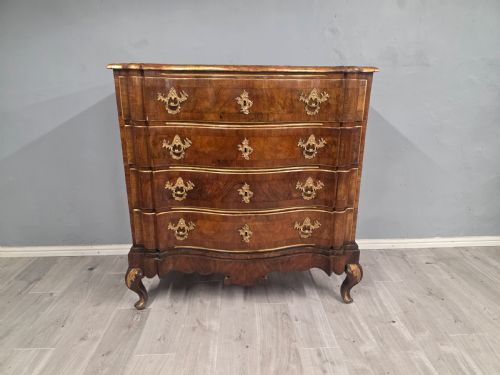
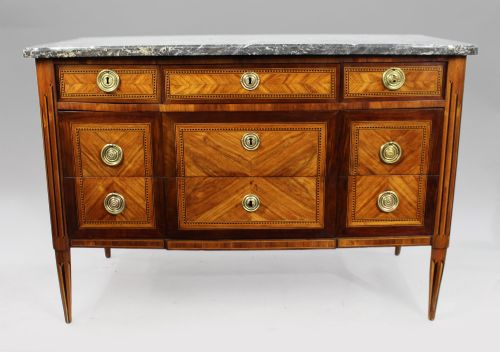
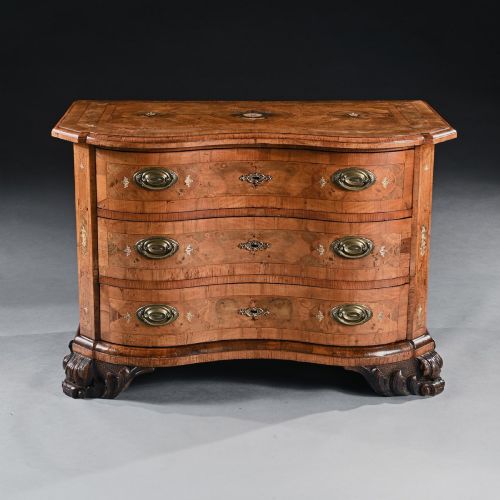
Buyers encounter regional variations including Dutch baroque commodes, German marquetry pieces, and English drawer units fitted with brass handles. The inventory ranges from simple country furniture to elaborate cross-banded examples.
Materials and technique
Cabinetmakers relied on walnut and burr walnut veneers laid over solid pine or oak carcases, often applying herringbone and feather-banded borders to drawer fronts. Marquetry, parquetry, and ivory inlays decorated continental commodes, whilst brass hardware secured handles and escutcheons.
Structural integrity relied on secondary woods like fruitwood and pine for internal drawer linings and backboards, while marble tops appeared on select French and Italian pieces.
18th Century Walnut Dresser Retail Price Guide 2026
Typical asking prices for 18th century walnut dresser among the pieces listed under this phrase on Sellingantiques today, from the lower quarter to the upper quarter. They describe what is for sale here now, not the wider market.
Listings feature walnut, oak, fruitwood, and pine alongside marble tops and brass fittings across multiple 18th century styles.
Assessing quality
The standard of an 18th century walnut dresser rests on the selection of figured timber and the precision of its banded borders. Superior examples maintain crisp inlay work and original brass fittings without excessive timber replacement.
Proportion and the handling of serpentine or straight carcase lines dictate desirability, separating provincial utility furniture from high-style urban cabinet work.
The 18th Century Walnut Dresser Glossary
- Burr walnut
- A wood harvested from walnut tree growths, yielding intricate swirling grain patterns highly prized for cabinet veneers. It adds ornamental depth to drawer fronts and top panels.
- Cross-banding
- A decorative border technique where veneer strips are laid perpendicular to the main grain direction. This frames drawer edges and top surfaces.
- Commode
- A low French or continental chest of drawers standing on legs, popular throughout the eighteenth century. Many incorporate marble tops and marquetry.
- Herringbone
- A V-shaped arrangement of veneer strips resembling fish bones, used as decorative banding on drawer borders. It requires precise cutting by the cabinetmaker.
- Dresser base
- A low storage unit fitted with multiple drawers, occasionally constructed in oak and walnut. These pieces provided functional kitchen or dining room storage.
18th Century Walnut Dresser: Frequently Asked Questions
Where were these pieces used?
These items served primarily in formal reception rooms, parlours, and dining spaces for linen and tableware storage.
Continental variants often stood in bedchambers as commodes, holding personal effects and supporting decorative objects on marble surfaces.
How do I care for walnut furniture?
Keep timber pieces away from direct heat sources and sudden humidity shifts to prevent veneer lifting and wood splitting.
Apply traditional wax sparingly and buff gently with a soft cloth to maintain the natural sheen of the aged surface.
How do I distinguish regional styles?
English pieces typically favour architectural proportions with walnut veneers on oak frames, accompanied by brass drop handles. Continental examples often display marquetry, serpentine shaping, and distinct fruitwood or pine carcase construction.
Are secondary timbers important?
Secondary woods like oak, pine, and fruitwood form the interior drawer linings, carcase backs, and structural supports hidden from view.
Examining these unseen materials helps confirm the period and geographic origin of the construction.