




18th Century Vitrine
An 18th century vitrine displays treasured collections behind glazed doors while bringing period warmth into a room.
18th Century Vitrine
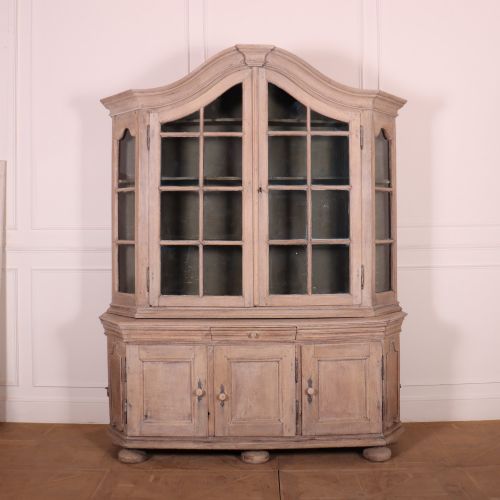
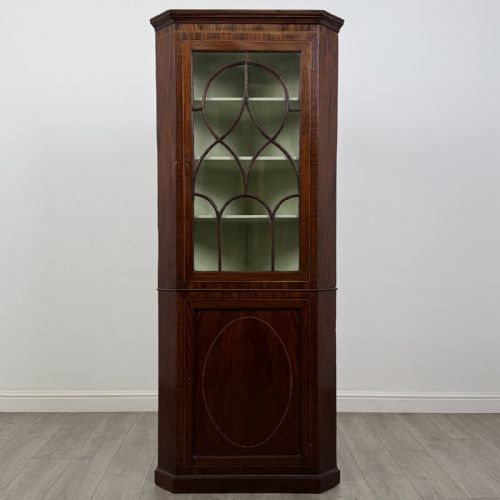
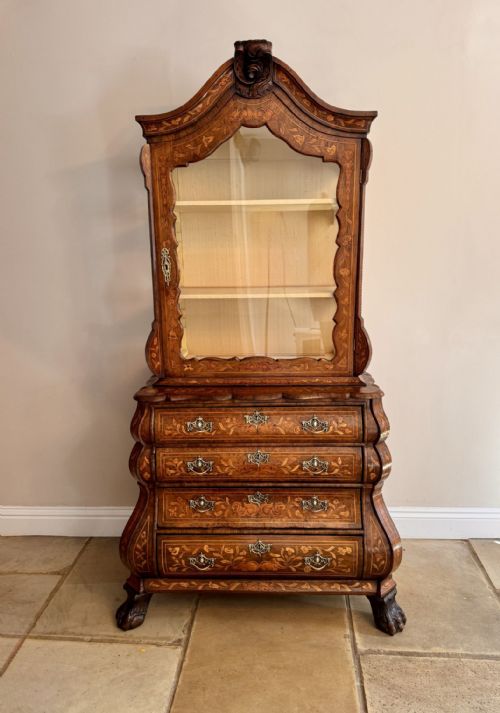
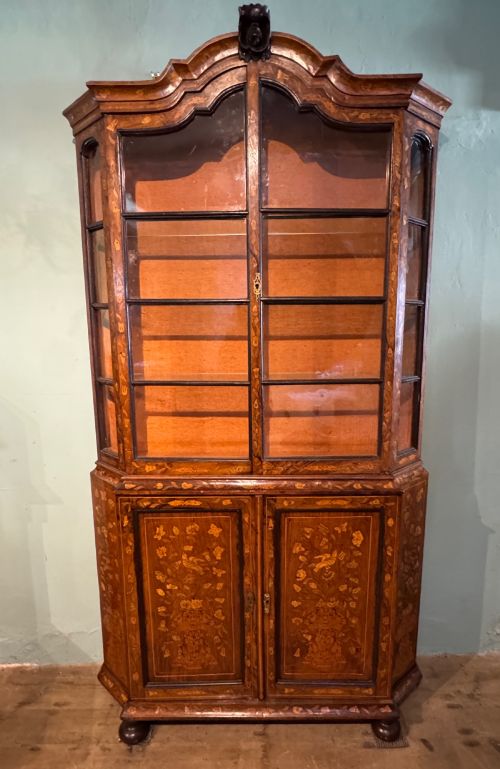
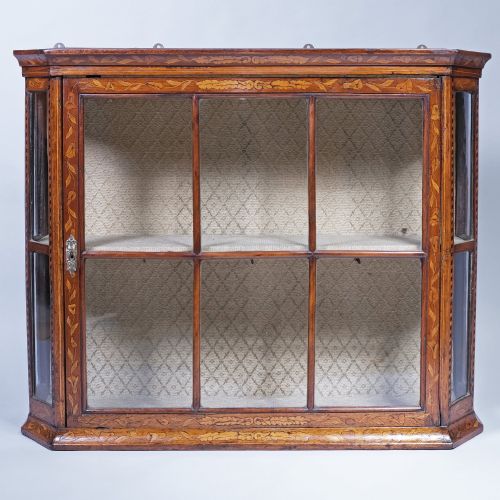
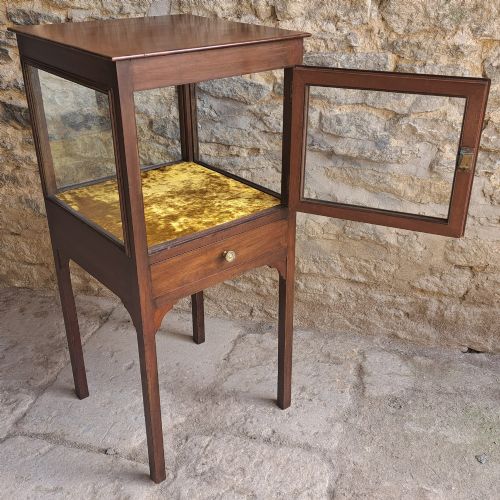
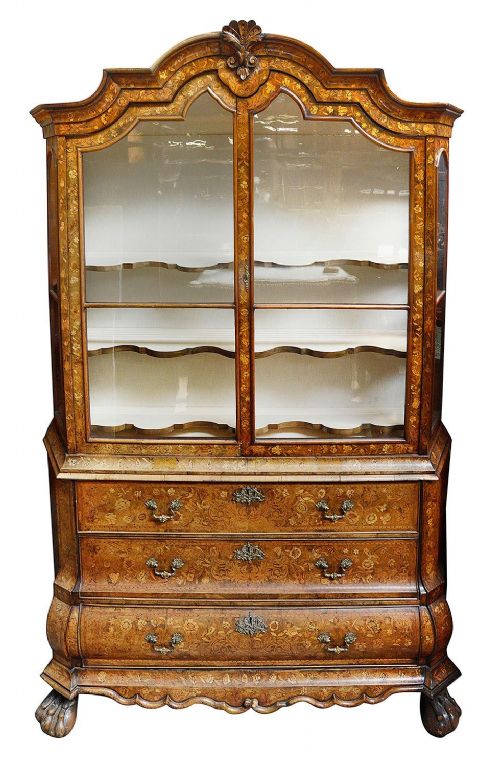
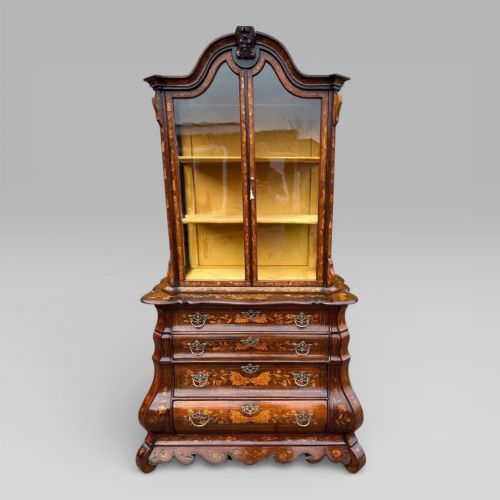
An 18th century vitrine primarily takes the form of a display cabinet, wall cabinet, or corner cabinet designed to showcase porcelain and curiosities. Cabinets appear in various configurations, including bombé silhouettes, cabinets on chests, and two-piece commodes.
The pieces encountered most frequently span Dutch Baroque and Dutch Rococo styles alongside Georgian and French Provincial designs. Walnut, mahogany, oak, and fruitwood form the structural foundation of these cabinets, frequently enriched with marquetry inlay or paintwork.
Originating predominantly from Britain, the Netherlands, and France, these cabinets range from compact wall-mounted cupboards to large freestanding bookcases and display cases. Many examples incorporate glazed panels and brass fittings to frame the items kept inside.
How they were made
Cabinetmakers built solid carcases using timber such as walnut, mahogany, oak, and fruitwood, often shaping the wood into distinct bombé contours. Marquetry artisans applied intricate floral or pictorial inlays using contrasting veneers across the surface.
Glazing bars divided the glass panels on doors and sides to secure the panes within wooden frames. Brass hinges, escutcheons, and handles provided functional reinforcement while complementing the darker timber tones.
18th Century Vitrine Retail Price Guide 2026
Typical asking prices for 18th century vitrine among the pieces listed under this phrase on Sellingantiques today, from the lower quarter to the upper quarter. They describe what is for sale here now, not the wider market.
Several bulbous walnut cabinets wear their generous curves so proudly they appear to have eaten too many Dutch pastries.
What varies in quality
The refinement of the marquetry inlay dictates much of the visual standard, separating simple geometric patterns from elaborate floral pictorials. Precision in the joinery of curved bombé fronts and the crispness of carved mouldings further distinguish the standard of work.
The choice of primary timber and secondary veneer selection defines the tier of the piece, with figured walnut and rich mahogany sitting above plain painted finishes. Original glass panes, brass hardware, and intact structural proportions preserve the integrity of the cabinet.
The 18th Century Vitrine Glossary
- Vitrine
- A glass-fronted cabinet designed for the display of porcelain, glassware, and small ornaments. These pieces typically feature glazed doors and sides.
- Bombe
- A swelling, bulging contour found on the front and sides of furniture carcases. This curved profile requires advanced woodworking skill to execute properly.
- Marquetry
- The art of applying thin veneers of different woods to a structure to create decorative pictures or patterns. Floral motifs appear frequently on Dutch examples.
- Glazing
- The fitting of glass panes into wooden window or door frames. In display cabinets, glazing allows light to illuminate the interior shelves.
- Escutcheon
- A flat plate of brass surrounding a keyhole. This hardware protects the surrounding wood from wear and adds a decorative accent.
18th Century Vitrine: Frequently Asked Questions
What is an 18th century vitrine used for?
These cabinets served primarily to store and display valuable porcelain, glassware, and small curiosities safely behind glass.
Today, they perform the exact same function in a home, protecting delicate collections from dust while keeping them visible.
How do I tell Dutch and English cabinets apart?
Dutch examples frequently display pronounced bombé silhouettes and intricate floral marquetry inlay across walnut surfaces.
English pieces, by contrast, tend to lean towards linear mahogany constructions influenced by Georgian and Chippendale styles.
Where should I place a corner cabinet?
Corner cabinets fit neatly into unused room angles, making them practical for smaller spaces where a flat cabinet might overwhelm the room.
They draw the eye upward and utilise vertical wall junctions efficiently while providing display depth.
Are painted finishes period-correct?
Painted wood finishes appear regularly on continental European cabinets, particularly those originating from Dutch workshops.
These painted surfaces often complement floral motifs or provide a softer aesthetic than dark polished timber.
How do I style a display cabinet?
Arrange objects of varying heights and materials on the interior shelves to create balanced visual weight behind the glass.
Allow enough empty space between items so that the timber framing and back panels remain visible.