




18th Century Treen
These small wooden domestic objects span everyday use and rural craftsmanship across the Georgian era.
18th Century Treen
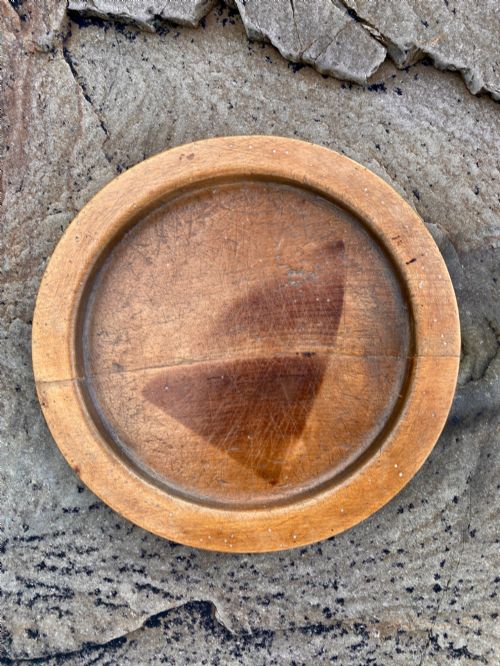
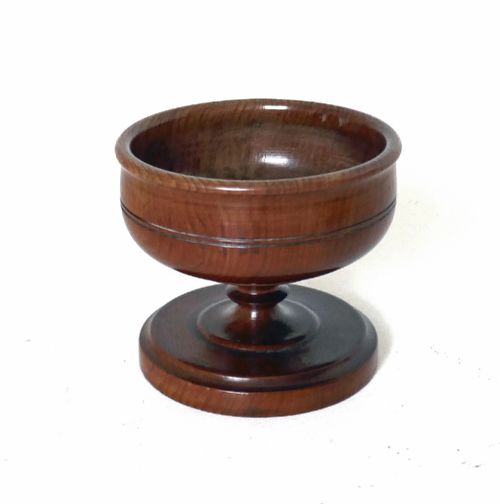
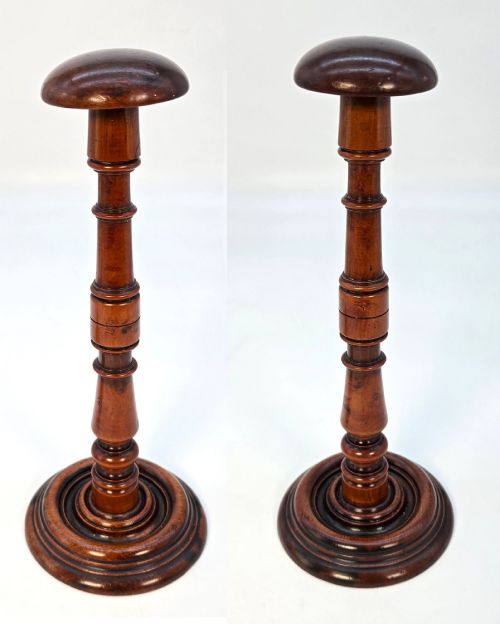
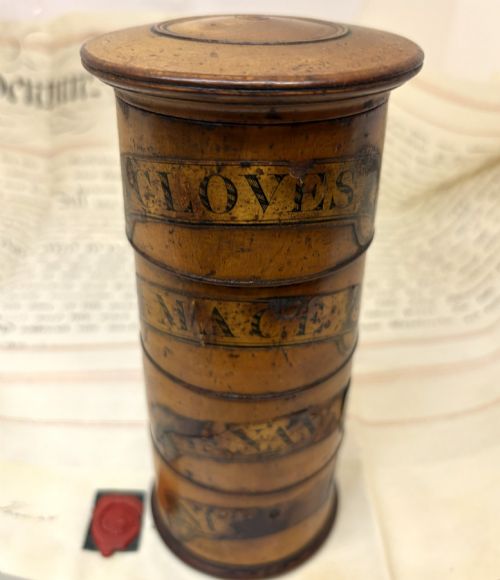
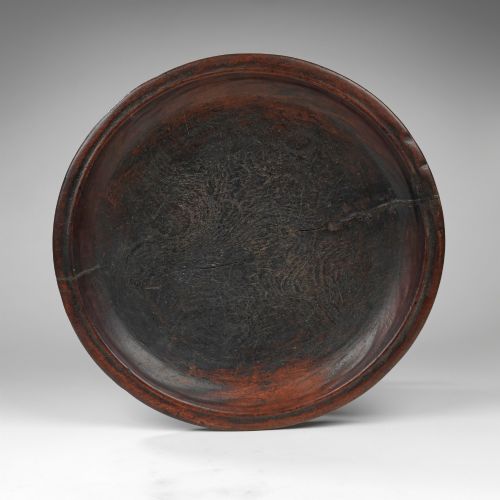
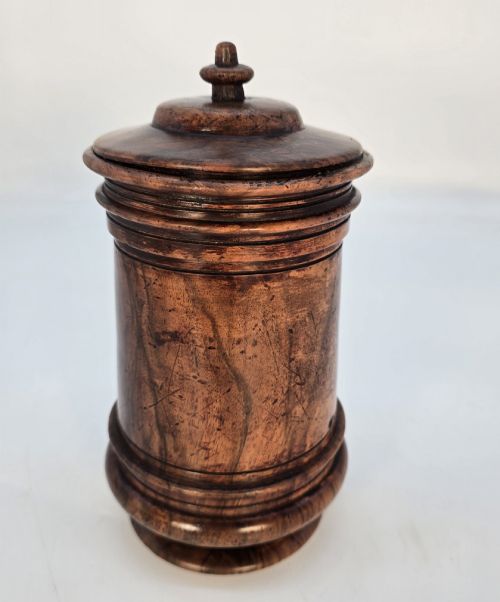
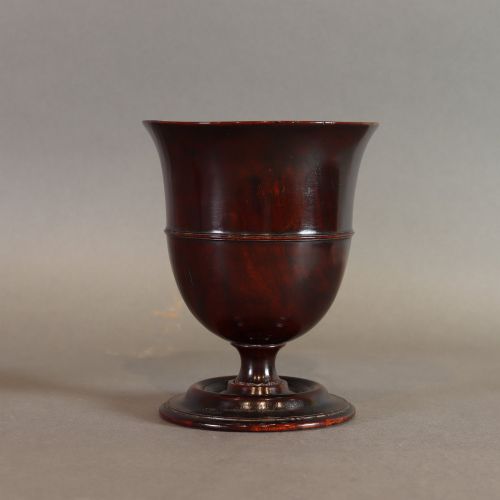
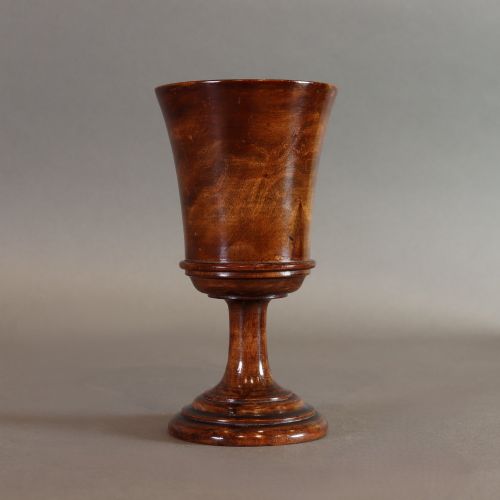
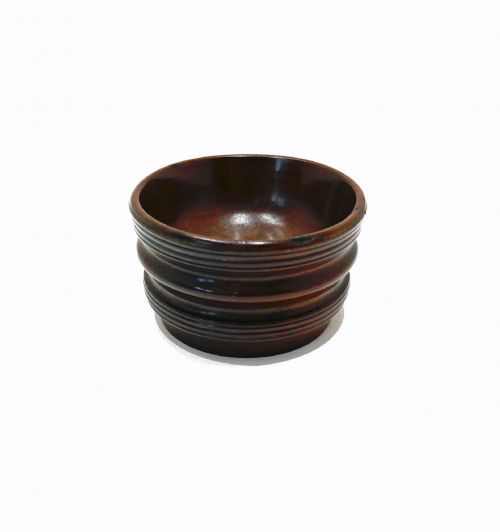
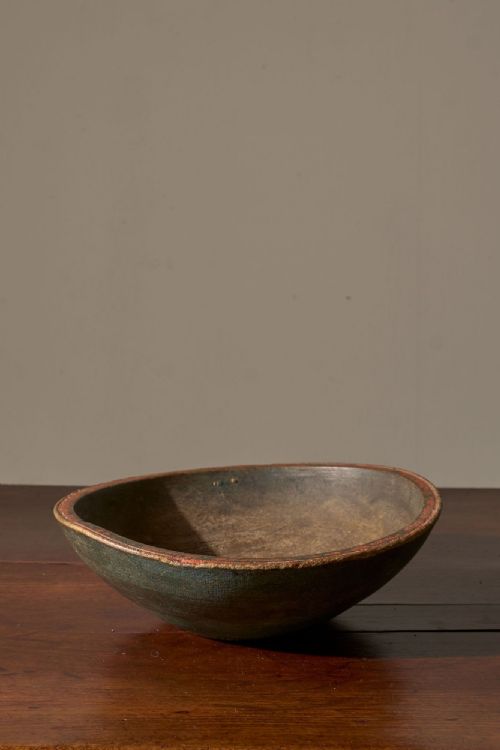
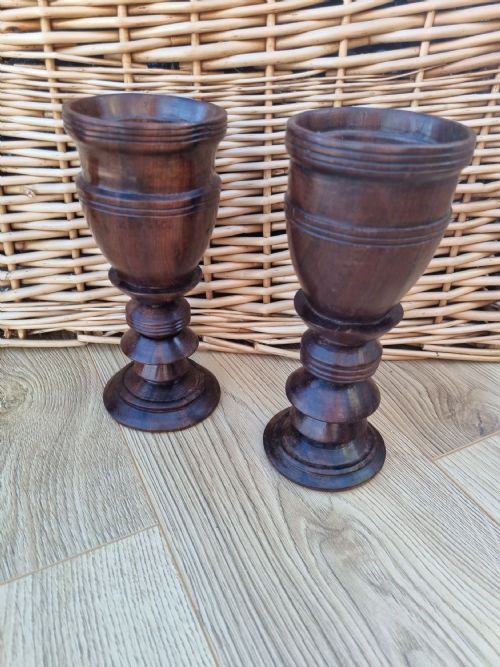
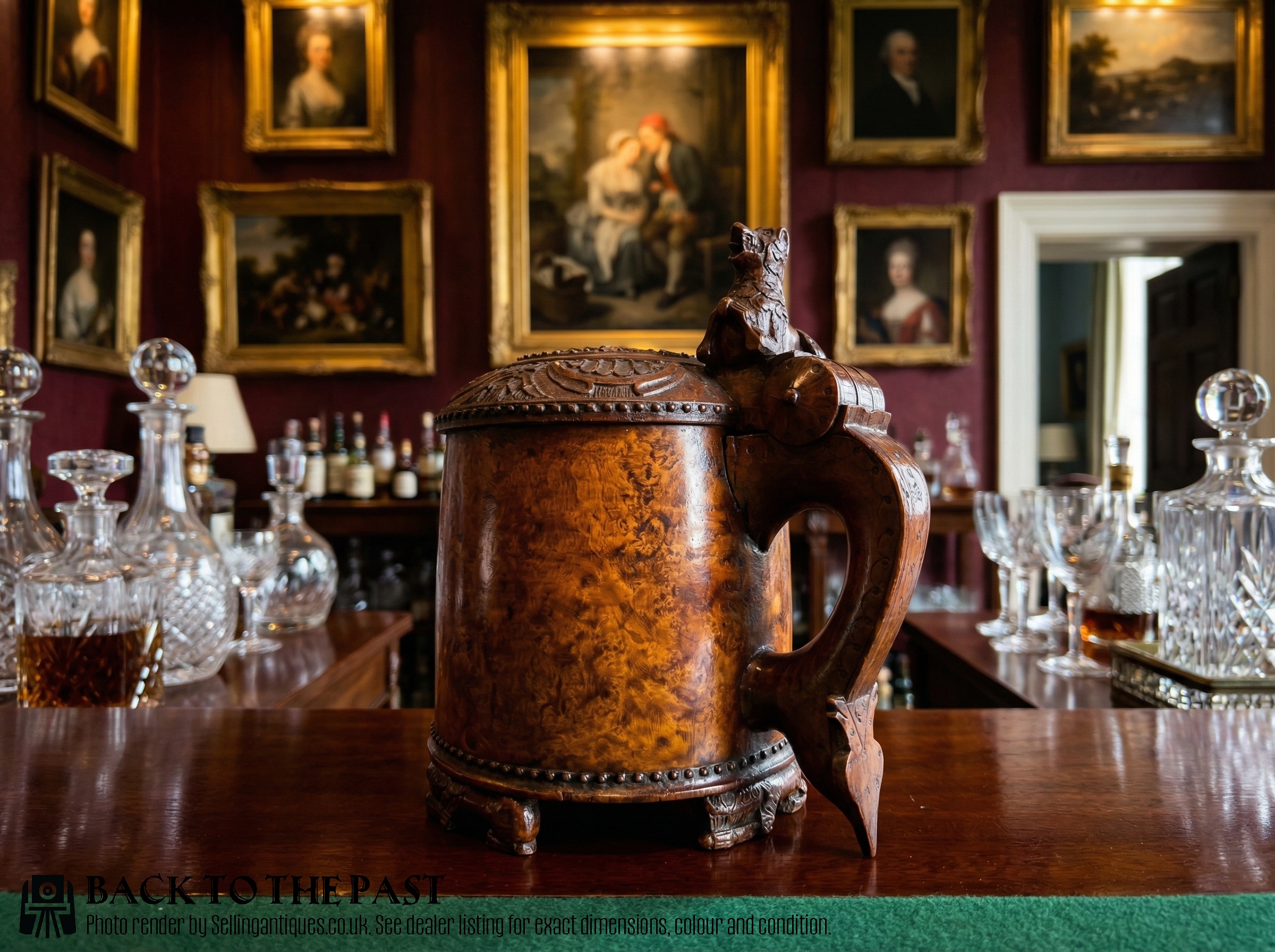
18th century treen comprises small domestic wooden items made for daily use in households, ranging from utilitarian kitchen equipment to personal accessories like snuff boxes and wig stands. Buyers encounter turned vessels, spice towers, and carved spoons originating from English, Welsh, and Scandinavian workshops.
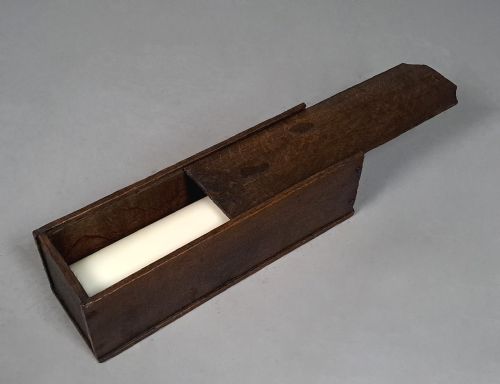
The objects reflect the functional needs of period homes, utilising local timber for items such as salts, bowls, and candle boxes. Many surviving examples demonstrate the careful hand of vernacular makers working within established regional traditions.
Materials and construction methods
Woodturners and craftsmen shaped these domestic pieces from native hardwoods including fruitwood, oak, walnut, mahogany, yew wood, and dense lignum vitae. Lathe turning produced symmetrical items such as goblets, mortars, and pedestals, while hand carving shaped bowls, boxes, and spoons.
Makers selected specific timbers for their natural properties, employing dense woods for mortars and resilient fruitwoods or yew for turned table salts and containers. Metal elements like wrought iron mounts or brass fixtures reinforced functional items such as apothecary crushers and kettle holders.
18th Century Treen Retail Price Guide 2026
Typical asking prices for 18th century treen among the pieces listed under this phrase on Sellingantiques today, from the lower quarter to the upper quarter. They describe what is for sale here now, not the wider market.
Factors determining quality
Quality rests upon the crispness of the turning and the retention of clean, uncompromised form through centuries of handling. Pieces that display confident tool marks and balanced proportions hold greater presence than those dulled by heavy wear or aggressive cleaning.
The choice of material and figure in the timber dictates visual success, particularly in walnut burrs, yew, and figured fruitwoods. Retaining original surface patination and honest signs of domestic use elevates the standing of any surviving vessel or container.
The 18th Century Treen Glossary
- Treen
- Small handmade wooden objects for domestic use. The term covers everything from utilitarian kitchen implements to decorative personal items.
- Lignum vitae
- A dense, heavy tropical hardwood prized by turners for mortars and candlesticks. Its natural oils provided exceptional durability for items subject to heavy friction.
- Searce
- A fine sieve or sifter used in domestic and apothecary contexts. These wooden containers held powdered substances or spices.
- Spice tower
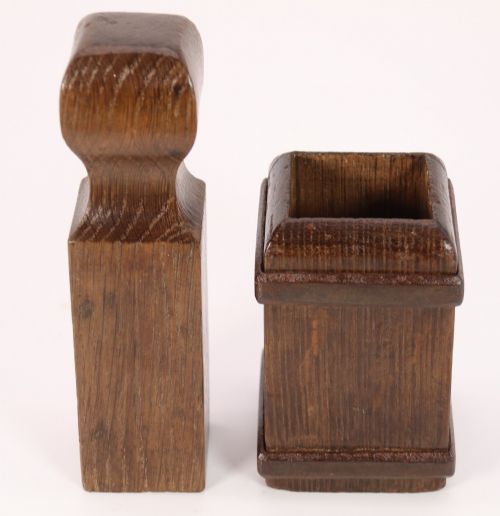
- A multi-tiered turned wooden container used for storing various culinary spices. Sections typically screw or fit together tightly to preserve contents.
- Pounce pot
- A small container with a perforated lid used to sprinkle resin powder onto paper. This prepared rough manuscript surfaces for ink writing.
18th Century Treen: Frequently Asked Questions
What was treen used for?
These wooden items served practical daily functions in Georgian kitchens, parlours, and shops. They held food, spices, and lighting materials before mass-produced ceramics and plastics took over.
Domestic spaces relied on turned vessels for food preparation, while personal boxes carried snuff, patches, or sewing gear.
How do I date these pieces?
Dating relies on matching turning profiles, tool marks, and wood species to known Georgian and 18th-century conventions. Assemblage techniques and hardware like hand-forged iron also help narrow down the period.
Wear patterns provide clues, but stylistic traits tied to regional vernacular workshops offer the most reliable chronological markers.
How should I clean wooden objects?
Dusting with a dry, soft cloth is usually sufficient to maintain the dry surface and historic patina. Moisture and modern detergents strip natural oils and damage the aged wood.
Wax polish should be used sparingly, only when the timber appears dry, and buffed off completely to avoid a sticky buildup.