
18th Century Table Desk
An 18th century table desk provides a compact writing surface with integrated storage, offering both period character and daily utility.
18th Century Table Desk
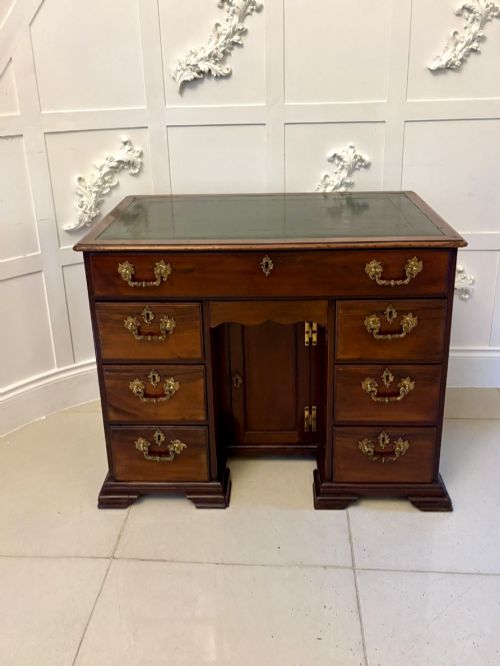
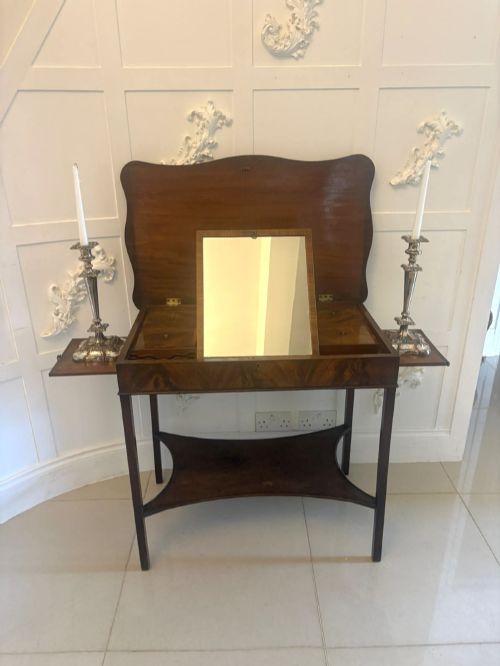
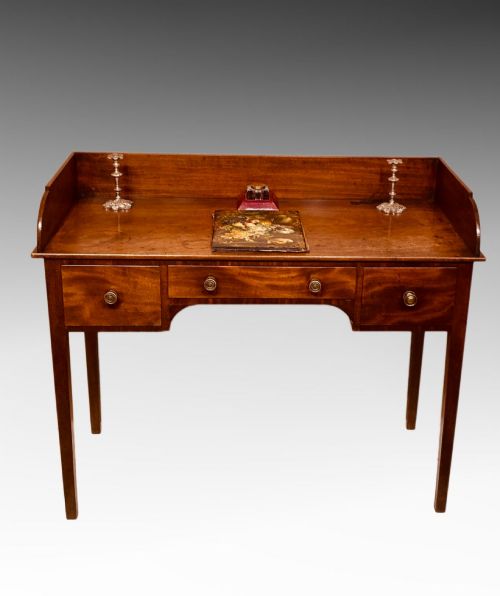
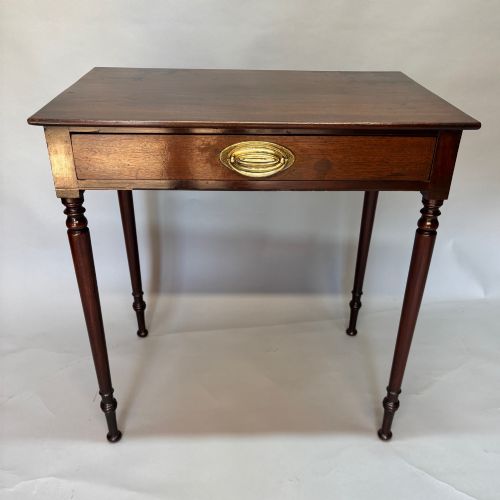
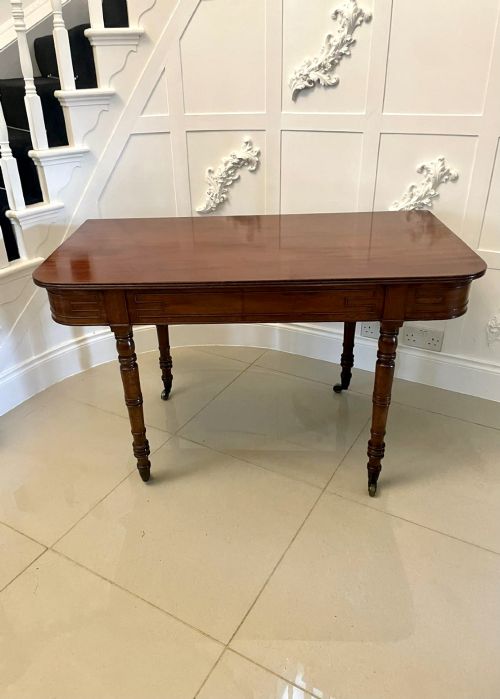
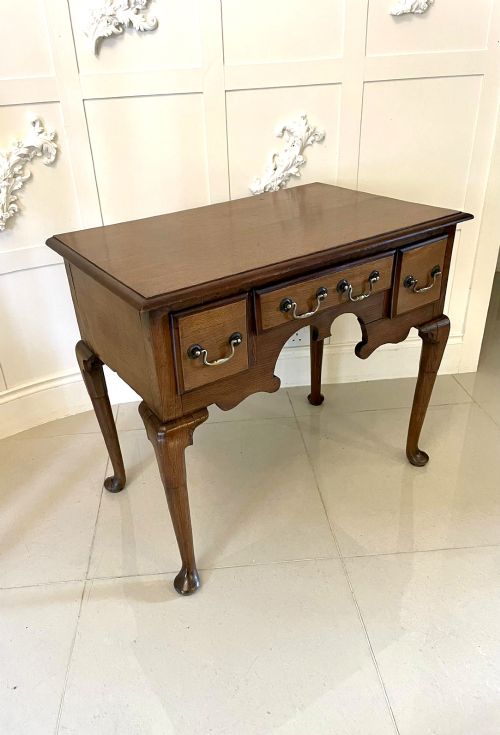
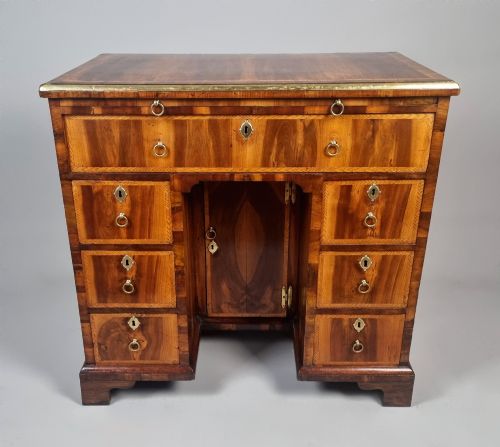
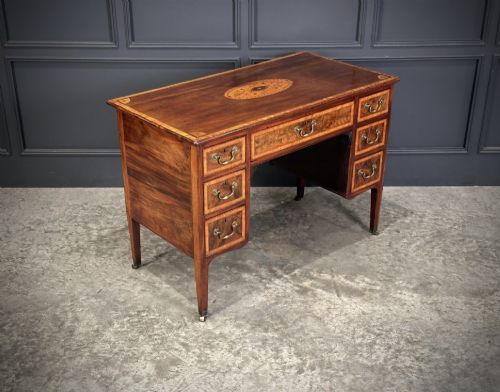
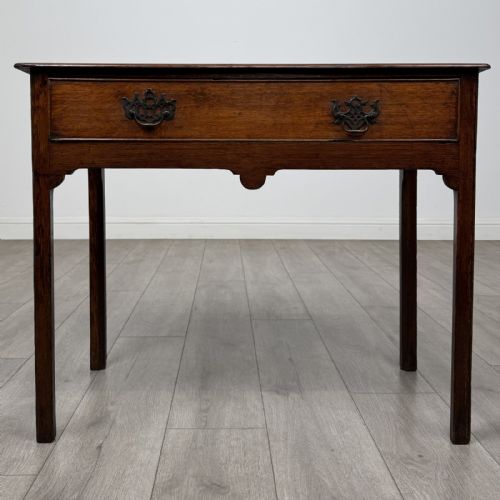
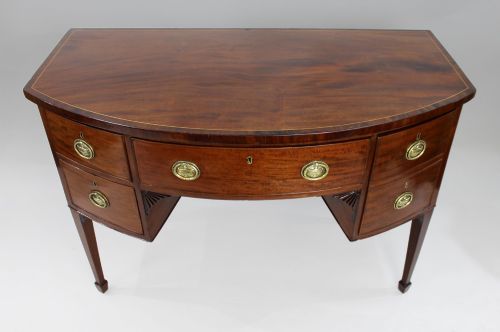
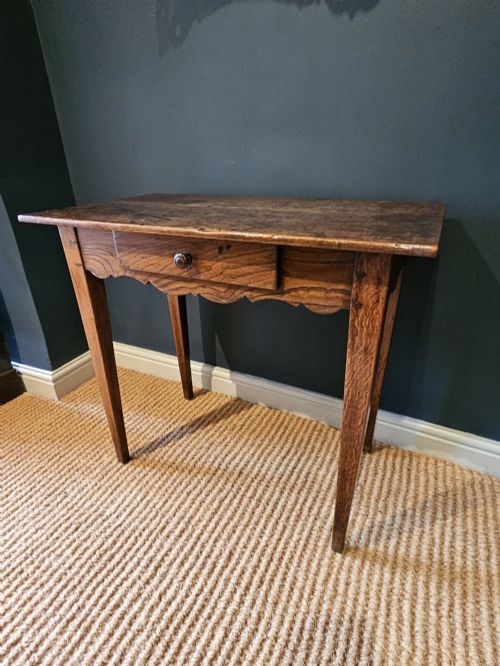
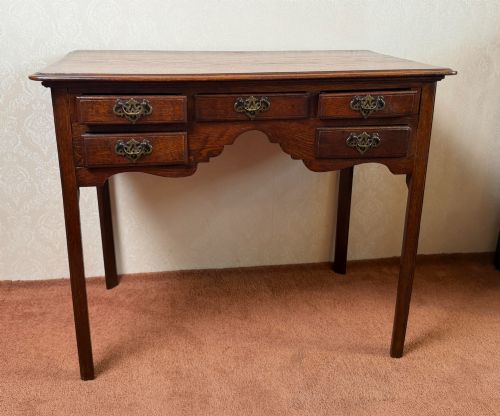
An 18th century table desk encompasses writing tables, kneehole desks, and lowboys used for correspondence and paperwork. Buyers on this page encounter pieces originating from the Georgian period through the eighteenth century.
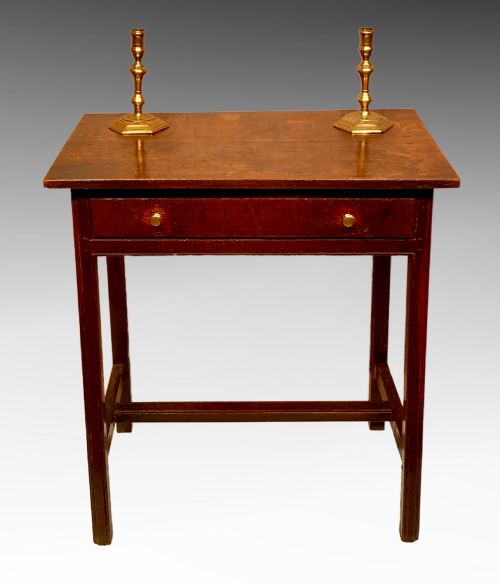
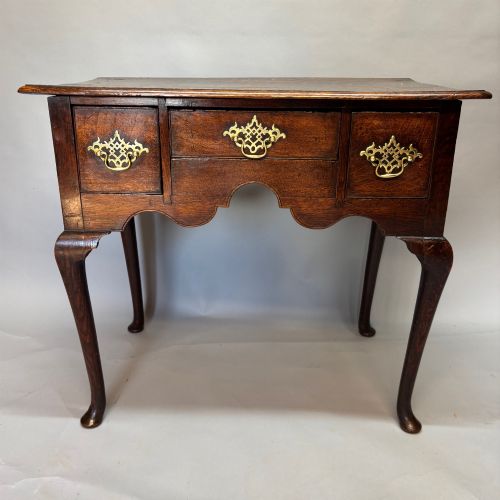
The forms vary from simple oak and elm side tables and lowboys to fitted walnut and mahogany kneehole desks. These items reflect the domestic writing habits of the period across various English regions.
How they were made
Cabinet makers utilised native and imported timbers including oak, mahogany, walnut, elm, yew, and fruitwood. Many examples feature figured veneers and crossbanding applied to solid secondary woods.
Construction methods rely on traditional joinery, dovetailed drawer construction, and brass hardware such as drop handles and escutcheons.
Object forms include kneehole desks, lowboys, writing tables, and Pembroke tables.
What varies in quality
The choice of timber grain, such as burr walnut or figured mahogany, separates standard domestic furniture from finer output. Finer pieces demonstrate careful selection and matching of wood veneers across primary surfaces.
Proportion, leg configuration, and the retention of original brass fittings influence the integrity of each piece. Superior examples maintain crisp mouldings and undisturbed drawer construction.
The 18th Century Table Desk Glossary
- Kneehole desk
- A form featuring a central recess for the user, flanked by banks of small drawers. This desk type became popular during the early eighteenth century.
- Lowboy
- A small table with one or more rows of drawers, commonly used as a dressing table or side table. These pieces typically stand on four legs.
- Crossbanding
- A decorative border of veneer laid around the perimeter of a tabletop or drawer front so the grain runs perpendicular to the centre panel. This technique frames the primary wood.
- Figured wood
- Timber showing natural patterns such as flames, ripples, or burrs within the grain. Cabinet makers selected these sections for prominent display.
18th Century Table Desk: Frequently Asked Questions
What is a lowboy used for?
A lowboy served multiple domestic functions including writing, dressing, and holding small household items. Its compact scale allowed placement in bedrooms and parlours.
Over time, these tables adapted to various functional needs within the home while maintaining their characteristic drawer configuration.
How do I tell walnut from mahogany?
Walnut exhibits a rich brown colour with darker grain figuring, often showing a warm patination developed over centuries. It was predominant in earlier eighteenth century furniture.
Mahogany displays a reddish-brown tone and a dense, interlocking grain pattern that became widespread during the mid to late Georgian period.
Were these desks used daily?
These desks supported letter writing, household accounts, and correspondence in period households. The integrated drawers kept writing materials and papers organised.
Their sturdy construction accommodated the weight of heavy ledgers and frequent use by members of the household.
How do I date an eighteenth century desk?
Dating relies on stylistic indicators, construction techniques, and timber usage characteristic of reigns such as George I, George II, and George III. Cabinet making methods evolved noticeably across these decades.
Examining drawer linings, secondary woods, and hardware fixings provides further evidence for establishing the period of manufacture.