




Welsh Oak Writing Desk
These welsh oak writing desk examples span centuries of regional craftsmanship, offering sturdy timbers and practical writing surfaces that suit traditional and modern interiors alike.
Welsh Oak Writing Desk
A welsh oak writing desk encompasses several regional forms designed for domestic correspondence and record keeping. Buyers encounter various configurations spanning the seventeenth century through to the nineteen-thirties.
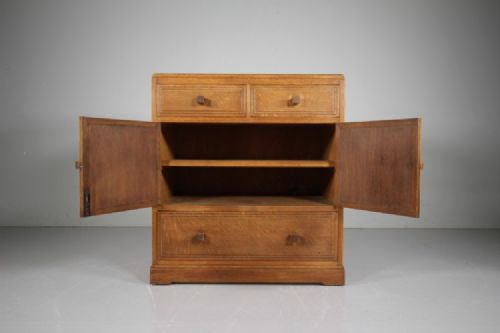
Earlier examples display seventeenth and eighteenth century vernacular traditions, while later pieces include twentieth century labelled items from makers such as Bryn Mawr. Each form utilises solid oak construction adapted for writing and storage.
What varies in quality
The standard of execution ranges from basic vernacular carpentry to refined Georgian vernacular cabinet making. Proportions, the integration of original hardware like brass and iron fittings, and timber selection dictate the relative standing of individual pieces.
Provenance and documented origins, such as specific regional attributions to Glamorgan or labels from workshops like Bryn Mawr, distinguish standard domestic furniture from more notable examples.
One early seventeenth century table desk bears the actual initials and date carved by its original owner.
Bryn Mawr
The Welsh Oak Writing Desk Glossary
- Lowboy
- A small side table featuring one or more rows of drawers beneath the working surface. These pieces often served multiple domestic purposes including writing and dressing.
- Bureau
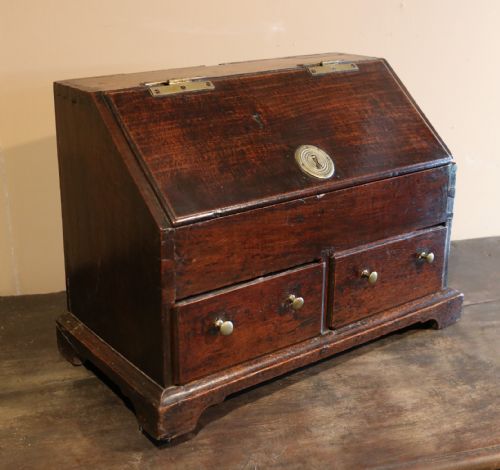
- A desk fitted with a sloping hinged writing flap that conceals an interior arrangement of small drawers and pigeonholes. This form provides secure storage for correspondence.
- Vernacular
- Furniture built by local tradesmen using regional traditions rather than metropolitan pattern books. These objects prioritise practical function and locally sourced materials.
- Secretaire
- A cabinet or press cupboard incorporating a pull down writing drawer or flap. It combines large scale storage with a dedicated writing space.
Welsh Oak Writing Desk: Frequently Asked Questions
What periods do these desks cover?
The pieces span from the seventeenth century through the eighteenth and nineteenth centuries, concluding with twentieth century examples from the nineteen-thirties.
Earlier items reflect seventeenth century vernacular methods, while later objects demonstrate Georgian styles and regional Welsh country traditions.
How were these desks used?
Households utilised these surfaces for daily correspondence, managing accounts, and storing documents securely within fitted drawers and compartments.
Smaller formats functioned on tabletops or side tables, whereas larger bureau bookcases combined writing facilities with extensive domestic storage.
What materials are typically found?
Solid oak forms the primary structural material across nearly all examples in this category. Workshops incorporated brass and iron for drawer pulls, hinges, and escutcheons, occasionally adding glass or fabric details.
How do side tables differ from bureaus?
Side tables and lowboys provide an open underframe and a flat top surface primarily intended for general support and minor writing tasks.
Bureaus enclose the writing area behind a sloping flap that folds down to reveal inner compartments and small letter drawers.