


Antique Brass Stud Desk
An antique brass stud desk seating choice offers traditional workspace comfort, combining robust timber frames with decorative metalwork details.
Antique Brass Stud Desk
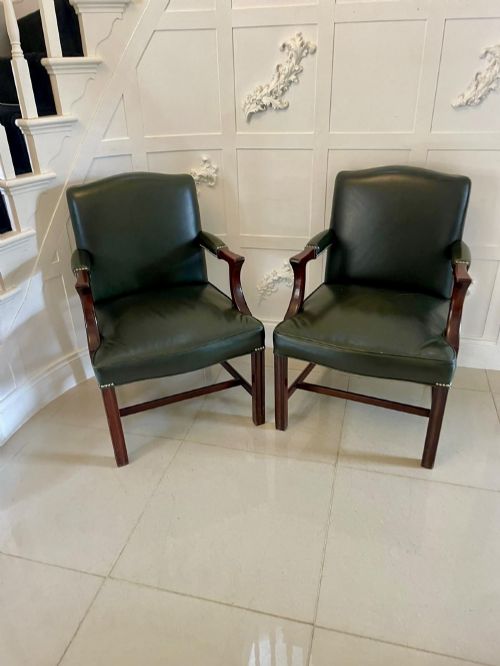
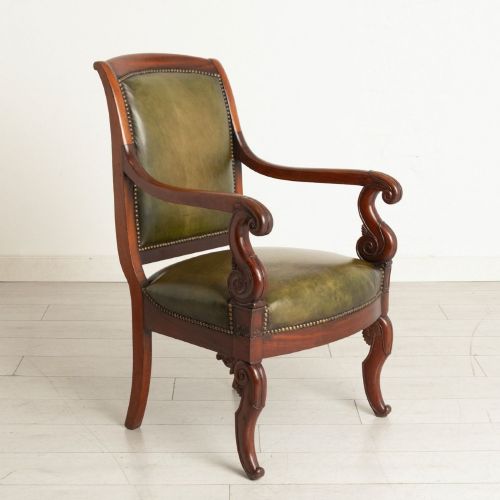
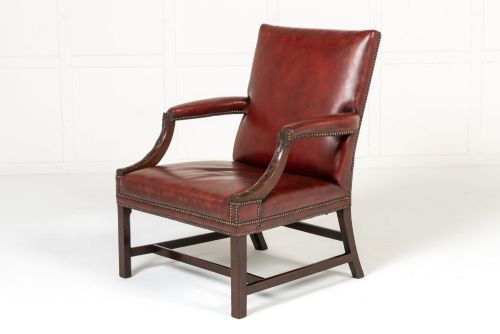
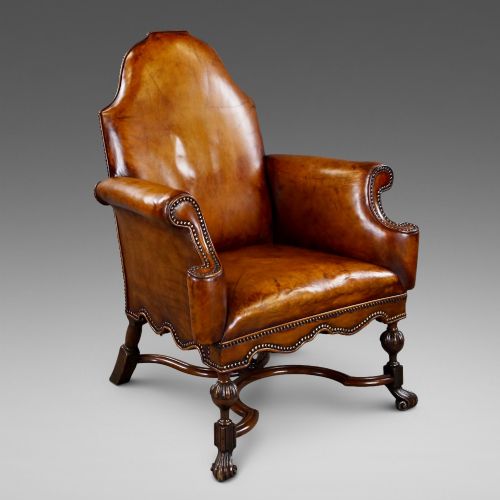
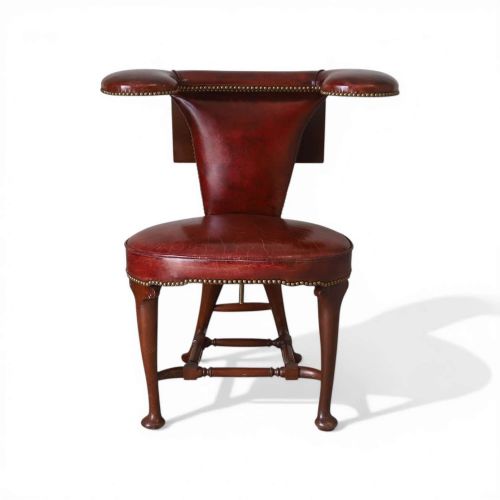
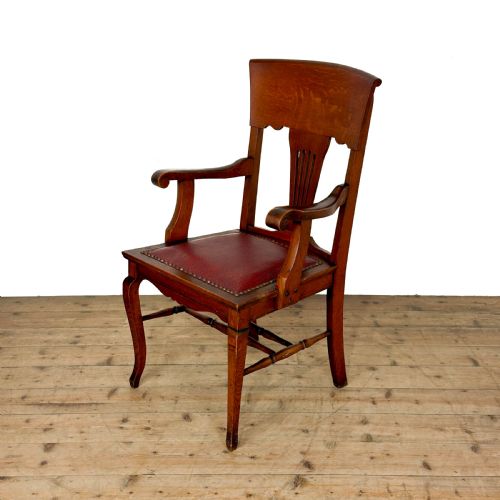
An antique brass stud desk seating selection primarily comprises library armchairs, Gainsborough chairs, and captain's chairs designed for writing environments. These pieces emerge across periods ranging from the 18th century through the Victorian era and Edwardian times.
Mahogany and oak form the predominant primary timbers for these seating options, frequently paired with leather upholstery secured by metal fixings. Buyers regularly encounter variations including horseshoe frames, scroll arms, and rotating mechanisms intended for study use.
Materials and construction methods
Craftsmen built these chairs using hardwoods such as mahogany, oak, and walnut, often shaping the frames with carved decoration or scroll arms. Leather upholstery was then applied to seats and backrests, fixed securely in place with metal stud work.
Structural integrity relied on traditional joinery techniques suited to frequent movement in libraries and studies. Metal components such as cast iron and brass appeared in mechanical desk chairs, patent music seats, and swivel mechanisms.
Listings feature mahogany, oak, and walnut chairs spanning the 17th, 18th, and 19th centuries, alongside Edwardian designs.
Distinctions in quality
Quality rests upon the proportion of the timber frame and the depth of carving executed by the maker. Finer examples display carefully selected mahogany or walnut with well-defined structural lines rather than plain or utilitarian forms.
The standard of upholstery and the application of leather seating significantly influence the stature of a piece. Hand-dyed leathers combined with precise metal fastening elevate an item beyond standard commercial office seating of the period.
Howard and Co
The Antique Brass Stud Desk Glossary
- Captain's chair
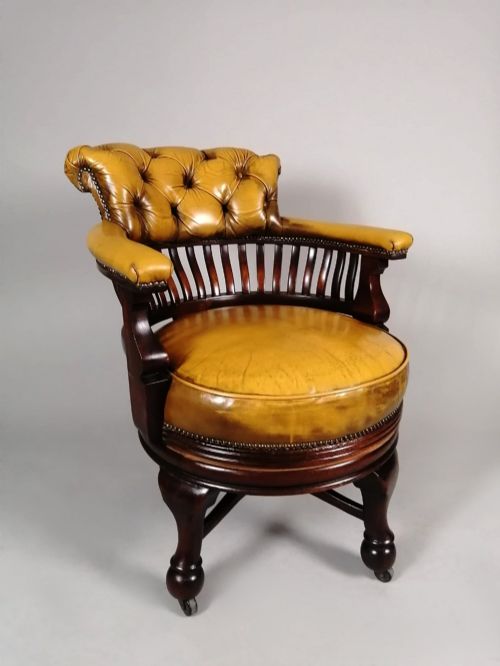
- A sturdy wooden armchair featuring a rounded backrest supported by small spindles above a solid seat. Versions designed for offices often incorporate revolving bases or leather upholstery.
- Carver chair
- An armchair intended to match a set of dining or side chairs, usually placed at the head of a table. In desk contexts, it provides sturdy arm support during writing tasks.
- Gothic Revival
- A 19th-century design movement drawing inspiration from medieval architecture and ornamentation. Pieces in this style often incorporate pointed arches and heavy carved timber details.
- Treen
- Small handmade wooden objects produced as everyday utilitarian items. The term encompasses items like turned boxes, small containers, and desk accessories.
Antique Brass Stud Desk: Frequently Asked Questions
What defines a Gainsborough chair?
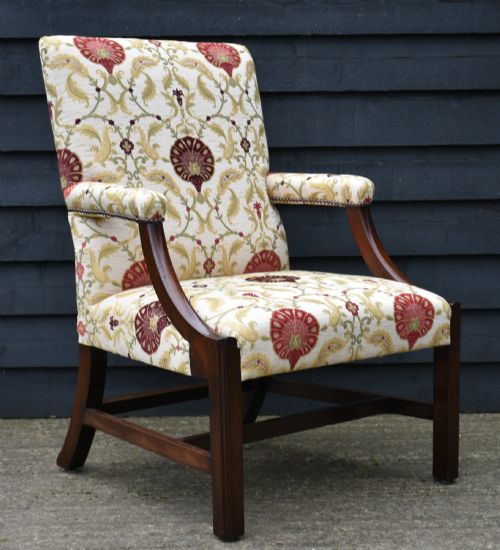
A Gainsborough chair is a wide, open-armed armchair with upholstered panels designed during the 18th century. These seats provide generous proportions intended for library and study use.
They generally feature a mahogany frame, straight legs, and leather upholstery edged with metal studs. Their distinct open sides distinguish them from fully enclosed armchairs.
How do I identify a Victorian desk chair?
Victorian desk chairs frequently incorporate darker hardwoods like mahogany and walnut alongside buttoned leather upholstery. Scroll arms and heavier proportions are common characteristics of this era.
Many examples from this period utilise swivel mechanisms or cast iron elements to provide mobility in study environments.
What timber was used for these chairs?
Mahogany, oak, and walnut form the primary woods found across these desk seating options. Cabinet makers selected these hardwoods for their strength and ability to take fine carved details.
Lighter oak pieces often date to earlier periods or regional workshops, while polished mahogany is typical of Georgian and Victorian library seating.
Are these chairs suitable for daily use?
These historical chairs were originally constructed for sustained work in studies and libraries, making them structurally robust. Solid timber frames and supportive armrests lend themselves well to contemporary seating needs.
Care should be taken with antique leather and historical joining methods to ensure the chair remains stable during regular daily tasks.