


18th Century Silverware
These pieces of 18th century silverware bring heavy sterling silver and precise domestic craftsmanship directly to the modern dining table.

18th Century Silverware
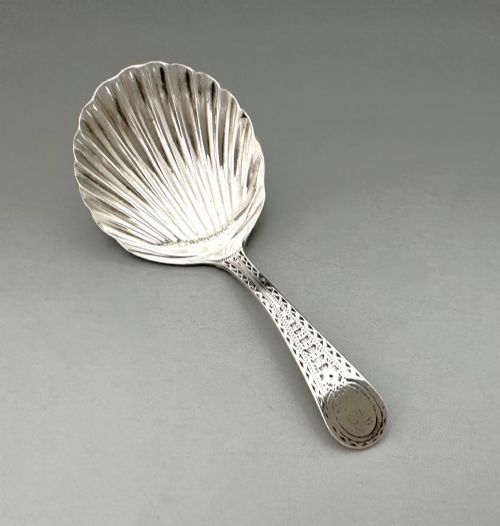
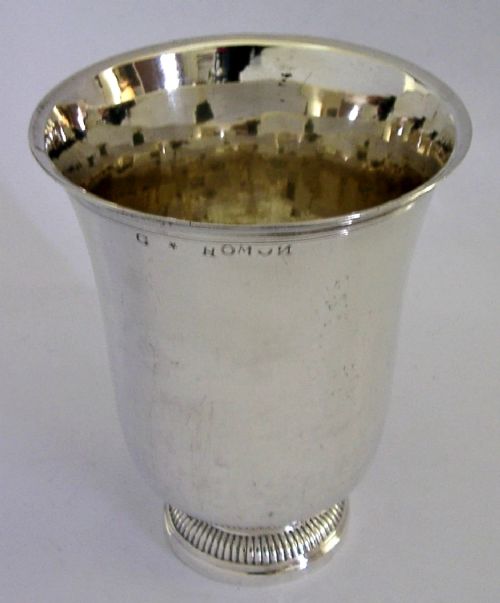
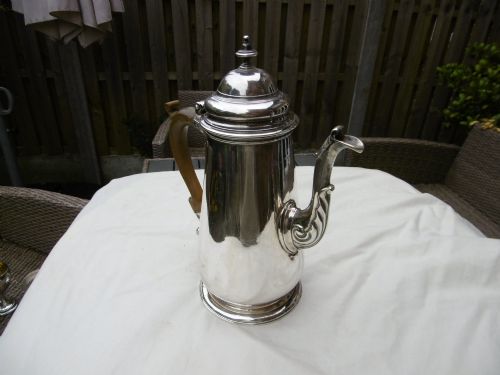
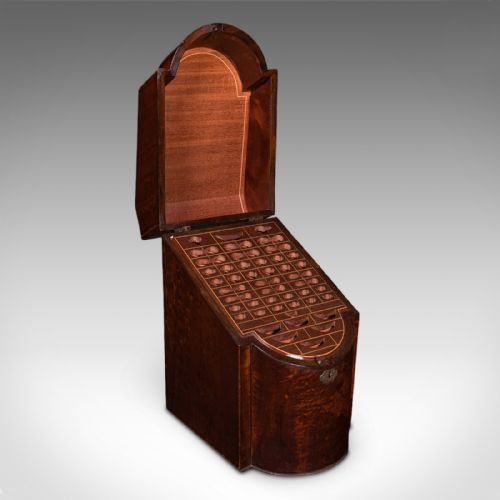
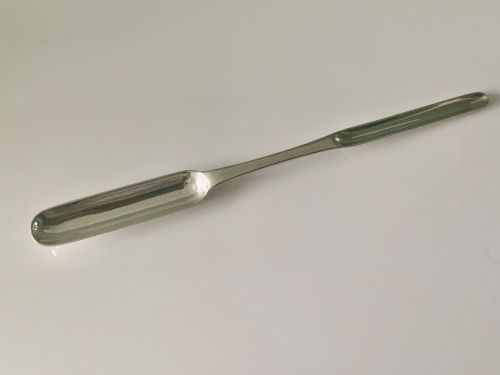
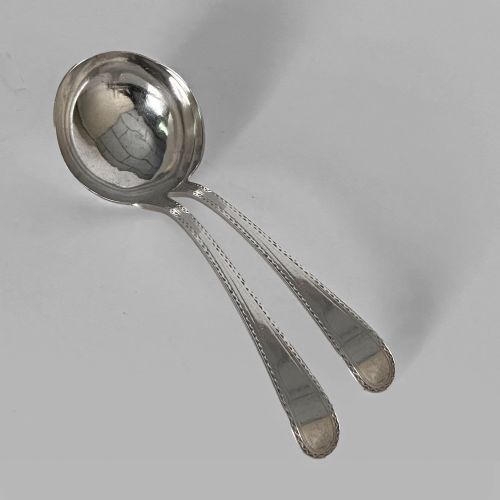
When you search for 18th century silverware, you encounter functional dining implements and table vessels spanning the Georgian, Queen Anne, and Regency periods. The selection here ranges from utilitarian cutlery and serving spoons to specialised pieces like sugar casters, marrow scoops, and caddy spoons.
The objects frequently originate from English, Scottish, and Irish workshops, reflecting distinct regional hallmarking traditions and provincial silversmithing styles. You are also likely to meet storage items such as mahogany knife boxes and display tables designed to house these precious metals.
Materials and construction
The primary material across these listings is sterling silver, shaped through traditional hammering, casting, and piercing techniques by skilled silversmiths. Many domestic items integrate organic elements like bone, mother of pearl, or wood, particularly in cutlery handles and serving utensils.
Storage pieces and display furniture utilise dense hardwoods such as mahogany, often finished with detailed wood inlay and brass hardware to complement the silver contents.
18th Century Silverware Retail Price Guide 2026
Typical asking prices for 18th century silverware among the pieces listed under this phrase on Sellingantiques today, from the lower quarter to the upper quarter. They describe what is for sale here now, not the wider market.
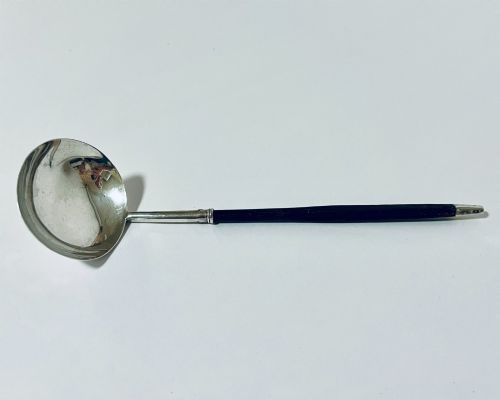
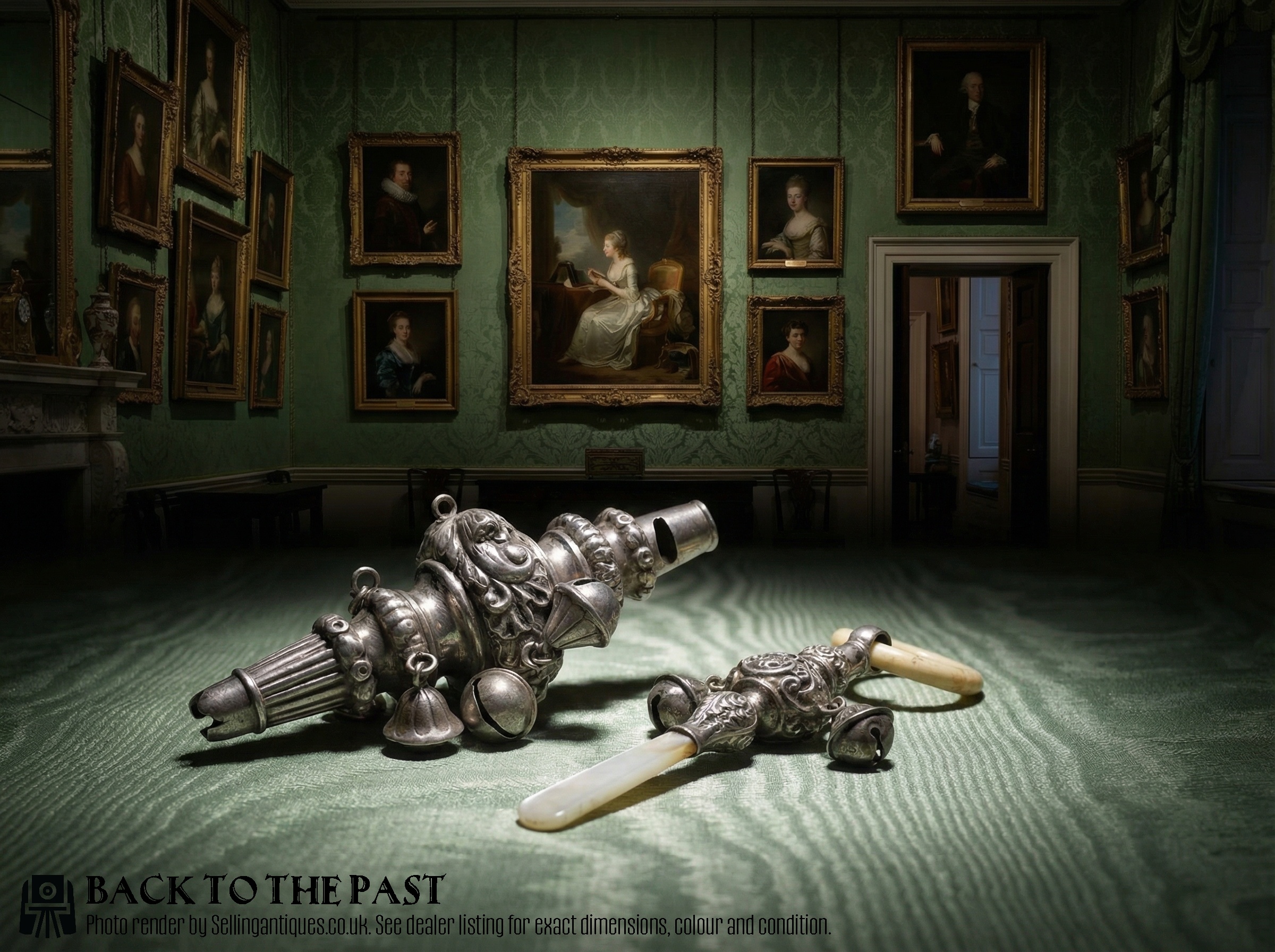
Object forms documented in the inventory include bullet teapots, child rattles, sauce boats, and serving ladles.
Standards of craftsmanship
Quality in this category rests upon the crispness of the maker marks, the legibility of town and date hallmarks, and the crisp preservation of chased or engraved crests. Weight, gauge of metal, and structural integrity distinguish heavy serving vessels and solid cast casters from lighter, more utilitarian items.
For storage furniture and cutlery boxes, the quality depends upon the selection of timber, the retention of original interior fittings, and the precision of the joinery.
Bateman Family·Richard Gurney·John Craig·James Tookey·J Ladyman·Thomas Sutton·Alexander Henderson·Walter Brind
The 18th Century Silverware Glossary
- Hallmark
- An official stamp applied to precious metals indicating the standard of purity, the maker, and the year of assay. These marks provide the primary means of dating and attributing antique silver.
- Caster
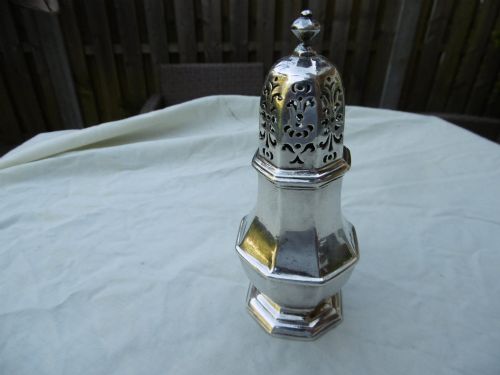
- A small perforated vessel used for sprinkling sugar or spices over food. Early examples often feature distinct octagonal bodies and pierced lids.
- Marrow scoop
- A narrow, double-ended spoon designed for extracting marrow from animal bones. These utensils reflect the refined dining habits of the Georgian period.
- Sugar nips
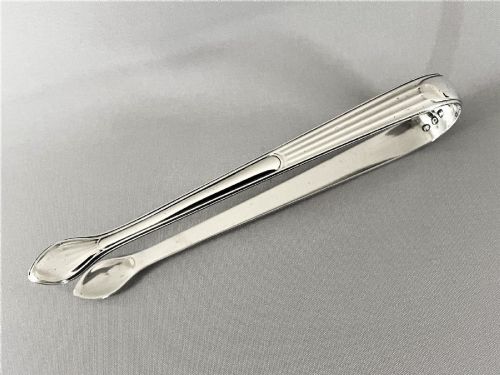
- A specialised scissor-like utensil used for cutting small portions from a sugar loaf before the invention of granulated sugar lumps.
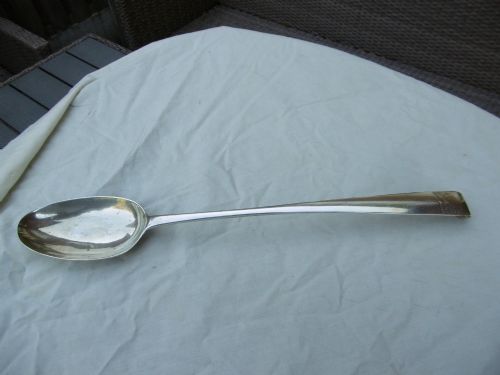
- Basting spoon
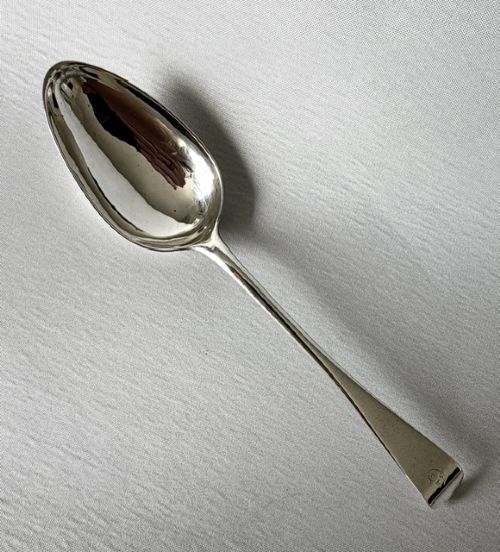
- An oversized spoon utilised in the kitchen or at the table for pouring juices over roasting meat. They frequently bear family crests or monograms belonging to the original owner.
18th Century Silverware: Frequently Asked Questions
How do I clean antique silver?
Sterling silver benefits from minimal intervention using a soft cloth and specialised polish only when tarnish becomes heavy. Avoid harsh abrasive cleaners that can wear away delicate hand-engraved crests and historic hallmarks.
Storing pieces in dry, tarnish-resistant environments helps maintain the natural lustre built up over centuries of gentle handling and careful use.
Can I use these items daily?
Many solid sterling silver spoons and flatware items remain robust enough for regular dining use. Hand washing immediately after meals prevents food residues from pitting the metal surface.
More fragile hollowware, delicate caddy spoons, or items with organic handles are generally best reserved for special occasions or careful display.
How do I read silver hallmarks?
British silver hallmarks typically include a leopard's head or lion passant indicating purity, a date letter signifying the year of assay, and the maker's initials. Compasses and reference books help cross-reference these punches to specific cities and silversmiths.
Legible hallmarks add significant historical context and confidence to any piece of 18th century silverware.
Why do some spoons feature crests?
Gentry and aristocratic families commissioned silversmiths to engrave their family crests, coats of arms, or monograms onto dining silver. This custom identified the household ownership and added a personalised layer of distinction to the tableware.
Tracing these heraldic symbols often reveals fascinating provenance about the original families who commissioned the silver.