


Antique Silver Whistle
An antique silver whistle brings together historical utility and fine craftsmanship, turning a simple signal into a collectable object of personal silver.
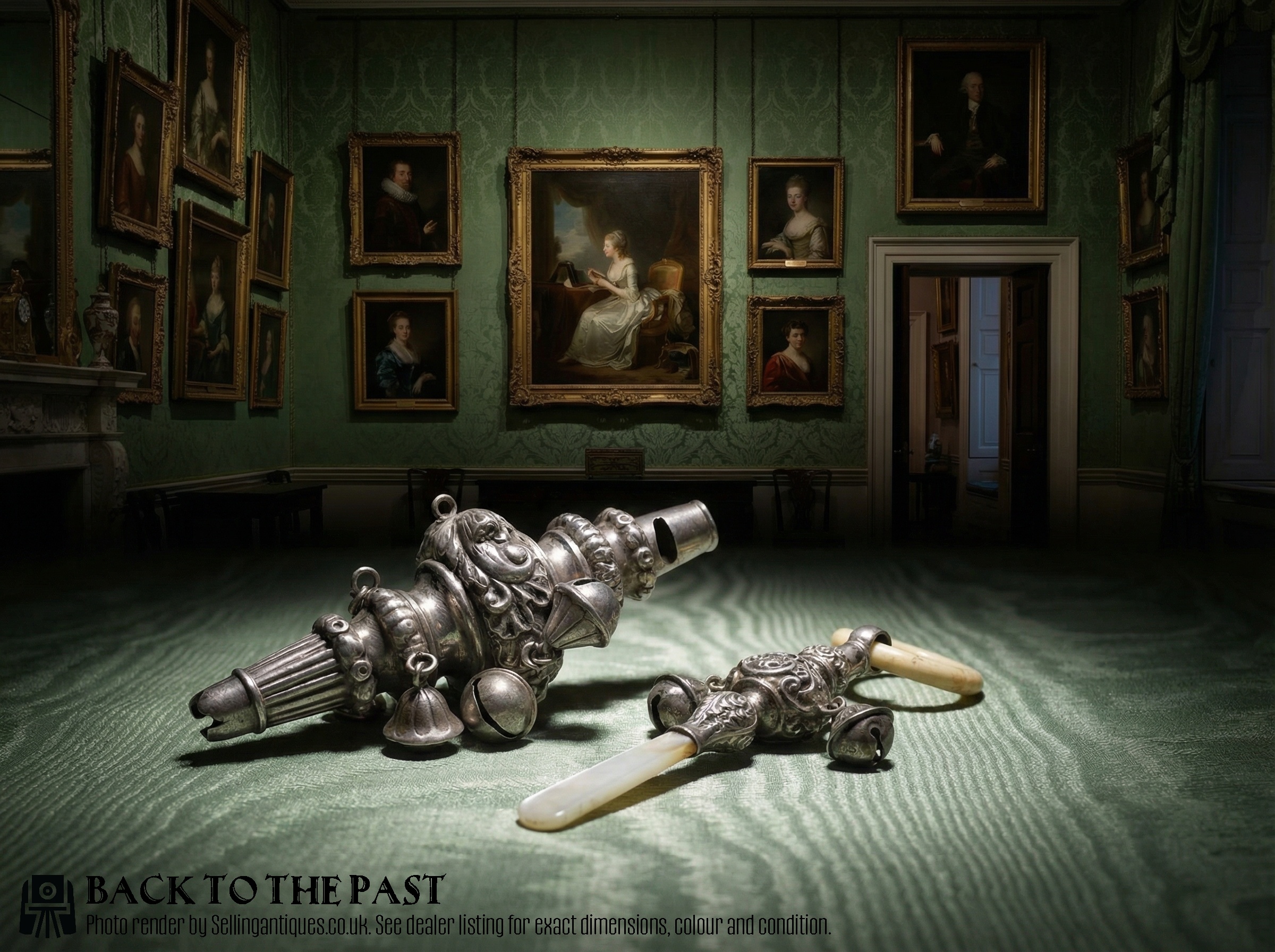
Antique Silver Whistle
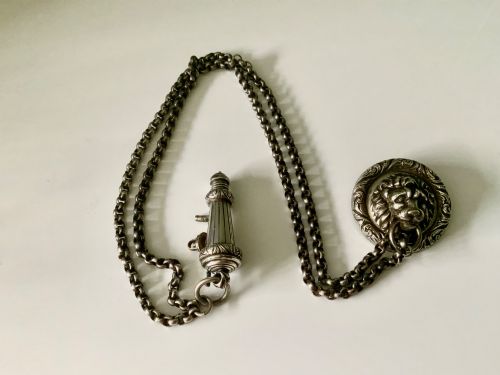
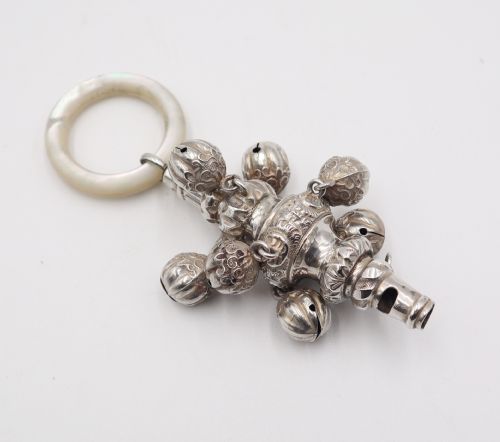
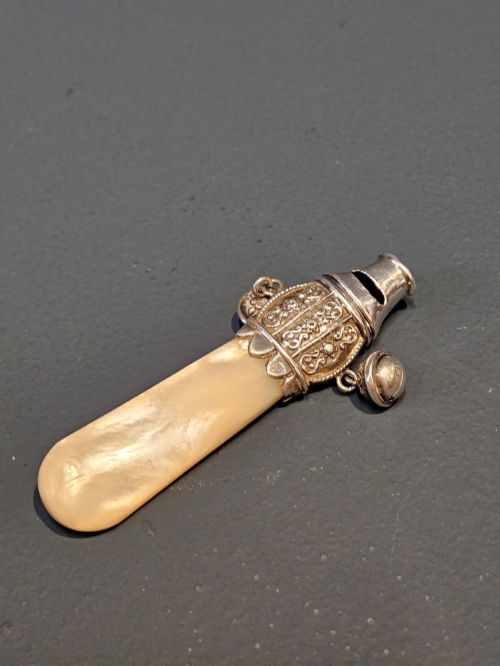
An antique silver whistle spans several distinct forms created for specific duties, ranging from military command and sporting use to infant amusement. You will frequently encounter multi-functional pieces that combine a whistle with a baby rattle, a teething implement, or a match case.
The pieces originate across the Georgian, Victorian, and Edwardian eras, with notable examples incorporating Scottish regional styles. These objects reflect the material culture of their respective periods, whether designed as a naval boatswain's instrument, a dog training tool, or a christening gift.
How They Were Made
Silversmiths utilised sterling silver and silver plate, frequently pairing the metal with organic elements such as mother-of-pearl, coral handles, bone, and amber glass. Construction methods involved piercing, chasing, and hollow-ware fabrication to shape the intricate bodies of rattles and tubular whistles.
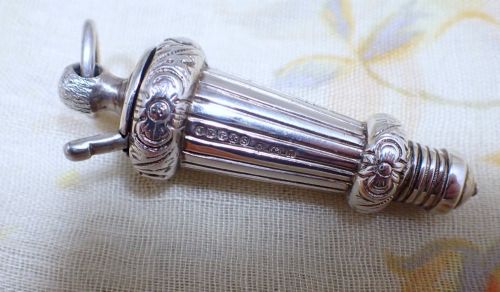
Many items incorporate functional moving parts, such as sliding mechanisms on boatswain's pipes or hinged lids on combination vesta cases. Specialised makers applied crisp hallmarks and figural detailing, shaping Mr Punch motifs or thistles into the solid silver.
What Varies in Quality
The distinction between standard production and exceptional work rests on the crispness of the chased decoration, the integrity of the hinges, and the clarity of the maker's mark. Elaborate figural modelling and the inclusion of undamaged organic materials like coral or mother-of-pearl elevate a piece.
Complexity of function separates simple tubular designs from multi-use pieces that integrate vestas, toothers, or multiple bells. The preservation of original surface textures and legible hallmarks demonstrates the care a piece has received over the centuries.
George Unite·Joseph Taylor·Bateman London·Sampson Mordan
The Antique Silver Whistle Glossary
- Vesta case
- A small pocket container designed to hold matches, frequently manufactured with an integrated whistle for dual utility.
- Boatswain's whistle
- A specialised nautical pipe used by naval officers to pass commands, often produced in sterling silver with a keel and boue.
- Hallmark
- An official stamp applied to silver items indicating the maker, assay office, and year of manufacture.
- Teether
- A solid element attached to baby rattles, historically fashioned from coral, bone, or mother-of-pearl to soothe infants during teething.
Antique Silver Whistle: Frequently Asked Questions
What were antique silver whistles used for?
These pieces served diverse practical functions in daily life, operating as dog training implements, military command tools, and naval signals. Many others functioned as infant amusements and christening presents.
Combined formats also held matches for smokers or served as decorative pendants and charms worn on chains.
How do I identify a Georgian silver whistle?
Georgian examples typically display heavier gauge silver with simpler, hand-raised forms and distinct period hallmarks. They frequently appear combined with coral handles and rattle bells for infants.
Examination of the assay office marks and date letters provides the exact year of creation within the eighteenth or early nineteenth century.
Why do some whistles have rattles attached?
Makers combined multiple functions into single objects intended as affluent gifts for newborns and christenings. The rattle provided auditory stimulation, while the whistle and teether served parallel practical purposes.
Organic additions like coral were believed to possess protective qualities for infants in past centuries.
Are these silver whistles still operational?
Many surviving examples retain their internal pea or air channel configuration and remain fully capable of producing sound. Testing should be approached gently to preserve the historical interior components.
Combination pieces like vesta cases also maintain their hinged spring lids and secure closures.