


Antique Baby Teether
These antique baby teether pieces combine silver, bone, and coral into tactile objects that soothe an infant and charm a collector.
Antique Baby Teether
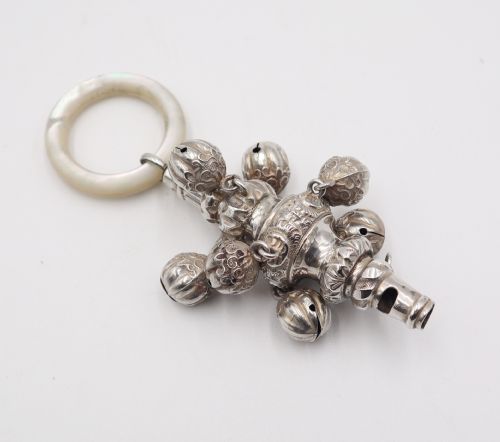
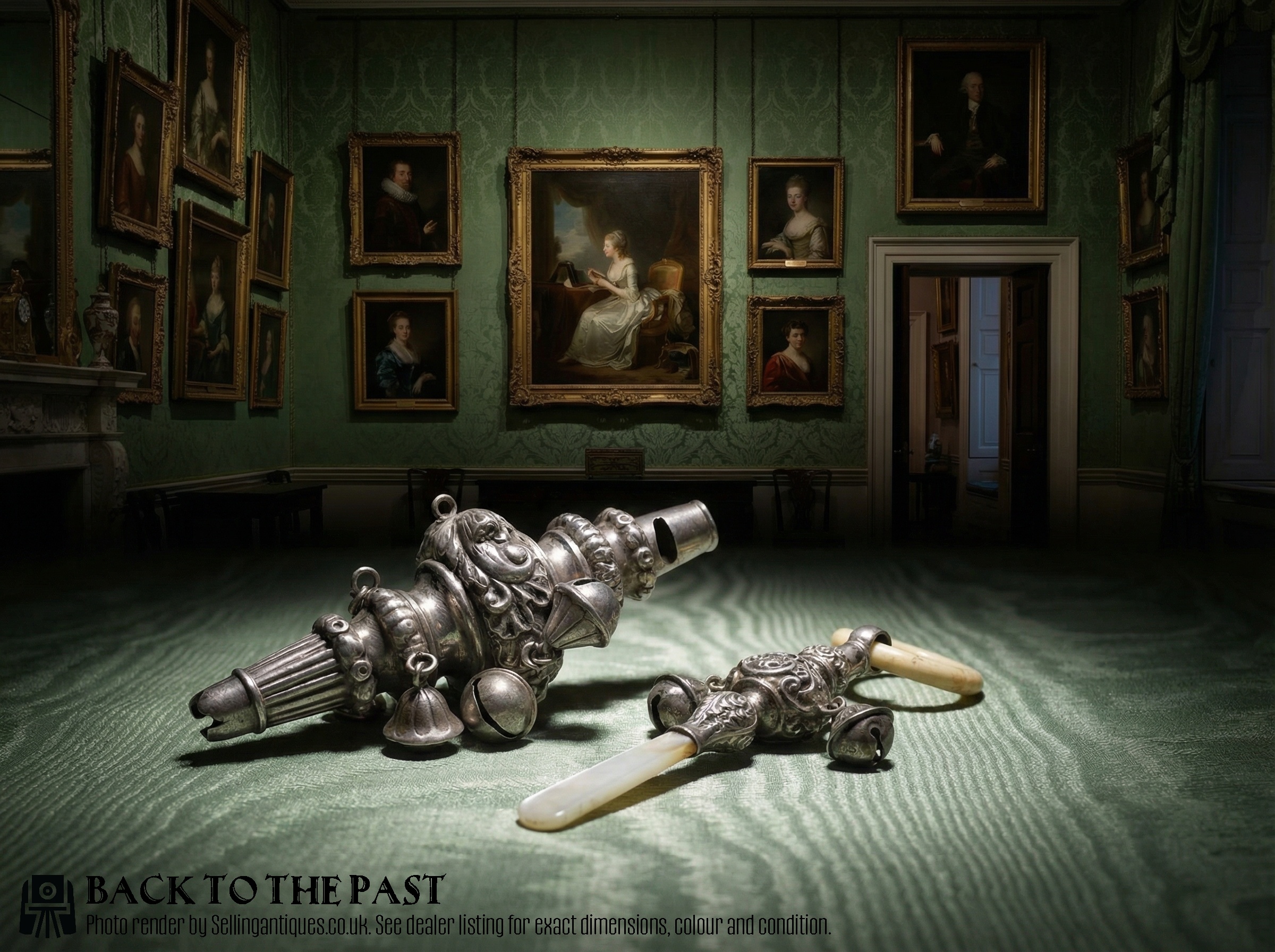
An antique baby teether is a domestic object designed for an infant to chew upon during teething, often combining a handle with bells or a whistle. The examples found here span the Georgian and Victorian periods, alongside nineteenth-century items and mid-twentieth-century pieces.
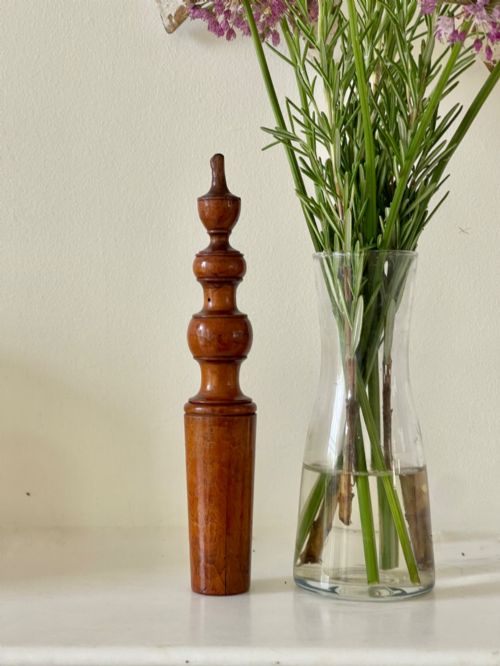
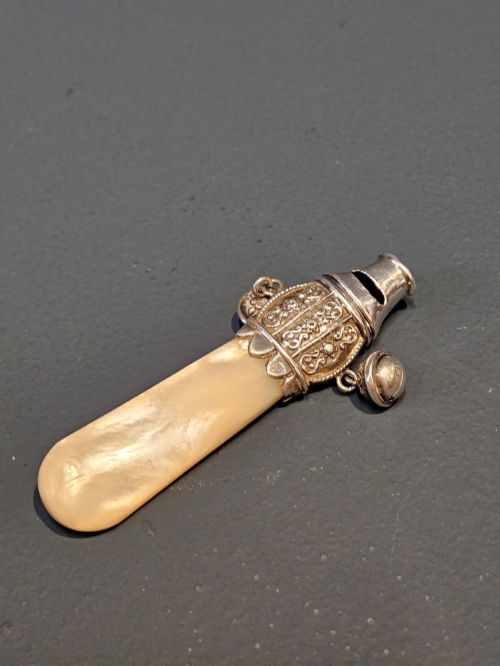
Most pieces encountered on this page take the form of rattles and soothers, frequently incorporating materials intended to provide a hard surface for the gums. Makers combined these functional chewing ends with sterling silver whistles and treen bodies.
The assortment bridges several collecting categories, including silverware and treen collectables. Buyers will find both simple wooden toys and complex silver items bearing hallmarks from London and Chester.
How they were made
Silversmiths constructed the metal components using sterling silver, often forming hollow rattle chambers that required delicate soldering and embossing. These silver elements were then paired with organic materials like mother-of-pearl and coral.
Makers utilised hardwood and fruitwood for treen items, turning the wood on a lathe to create smooth shapes suitable for a child. Bone was similarly carved and shaped to form durable teething surfaces.
What varies in quality
Quality rests upon the complexity of the design and the integration of multiple functions, such as combining a whistle, rattle, and teether into a single object. Pieces by known silversmiths demonstrate superior execution in chasing and hallmark clarity.
The condition and retention of delicate natural materials like coral and mother-of-pearl dictate the desirability of the piece. Finer examples maintain their original bells and structural integrity without excessive wear to the silver elements.
George Unite·Joseph Taylor·Bateman London
The Antique Baby Teether Glossary
- Treen
- Small wooden domestic objects made by turning or carving. These items display the grain and colour of hardwoods and fruitwoods.
- Hallmark
- An official stamp applied to precious metals indicating the standard of silver, the assay office, and the date letter.
- Mother-of-pearl
- The iridescent inner layer of certain mollusc shells. Craftsmen used it to carve smooth teething handles.
- Soother
- An early term for a device given to an infant to suck or bite upon. These often doubled as rattles.
- Whistle
- A sound-producing mechanism incorporated into the handle of many silver rattles. It allowed the toy to amuse as well as soothe.
Antique Baby Teether: Frequently Asked Questions
What materials make up an antique baby teether?
These pieces primarily utilise sterling silver, mother-of-pearl, bone, and coral. Wooden items fashioned from hardwood and fruitwood also appear.
Craftsmen combined these substances to provide varied textures for an infant. The metal provided bells and whistles, while the organic elements formed the chewing surfaces.
How do I date a silver baby rattle?
Dating relies upon the hallmarks stamped into the silver by assay offices. These marks reveal the exact year of manufacture and the maker's mark.
Stylistic shifts between the Georgian and Victorian eras also help determine the age. Georgian pieces often display different decorative motifs compared to later Victorian designs.
Were these objects used by real infants?
Yes, these items served a practical domestic purpose for teething babies. The hard coral, bone, or mother-of-pearl gave infants something solid to bite.
At the same time, the attached bells and whistles entertained the child. Many show evidence of handling and use from their period.
How should I display a collection of rattles?
Displaying these items safely requires stable surfaces away from direct sunlight. Cabinets with glass doors allow the silver and mother-of-pearl to be viewed clearly.
Because many pieces are three-dimensional and incorporate hanging bells, proper spacing prevents accidental scratching. Keeping the silver polished preserves the definition of the chased work.