





18th Century Silver Ladle
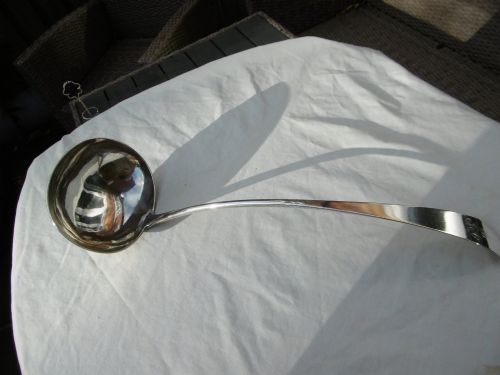
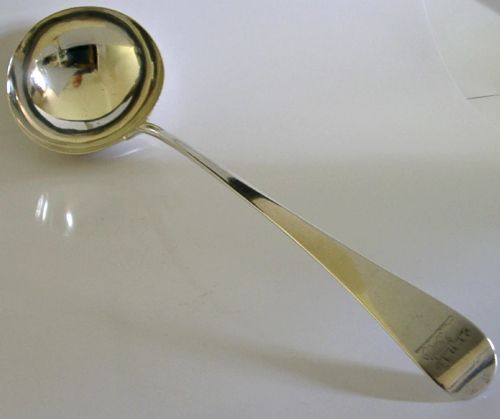
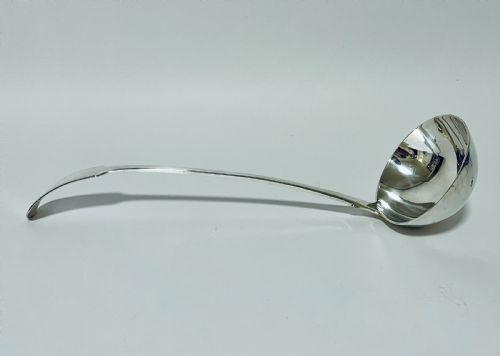
An 18th century silver ladle brings the weight of Georgian dining directly to the table through deep bowls and substantial handles.
18th Century Silver Ladle
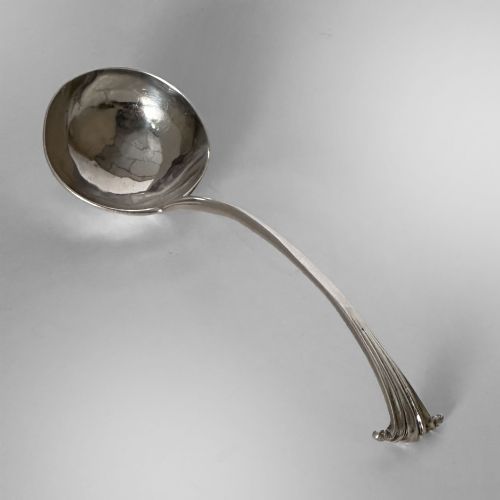
An 18th century silver ladle is a serving utensil designed for soup, punch, gravy, cream, or sauce, spanning the Georgian period with dates stretching from the mid-1700s to 1800. The forms vary from massive soup and punch ladles down to smaller toddy ladles, sifter spoons, and caddy spoons.
The pieces on this page originate from English, Scottish, and Irish makers, reflecting regional silversmithing traditions. Soup and punch versions offer generous bowl capacities, whereas sauce and gravy variants scale down for table service.
How they were made
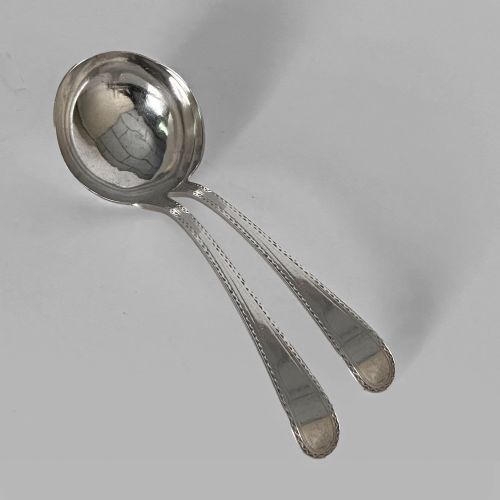
Makers shaped sterling silver into bowls and stems using hammering and casting techniques, frequently incorporating patterns such as Old English Thread, Onslow, feather edge, and bright cut engraving. Many examples combine the metal with organic materials for the handle.
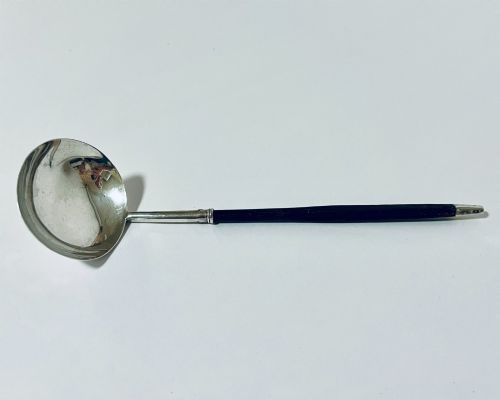
Handles often utilise twisted whalebone, horn, wood, rosewood, or coquilla nut to insulate against heat when serving hot liquids like punch or toddy. These mixed-media pieces rely on secure silver mountings and rivets to join the organic stem to the metal bowl.
18th Century Silver Ladle Retail Price Guide 2026
Typical asking prices for 18th century silver ladle among the pieces listed under this phrase on Sellingantiques today, from the lower quarter to the upper quarter. They describe what is for sale here now, not the wider market.
Materials across the listings include sterling silver, silver, wood, coquilla nut, and horn, spanning the 18th Century, Georgian period, and 1800.
What varies in quality
Substance separates the heavier serving pieces from lighter items, measured in gram weight and the thickness of the silver in the bowl. Makers who used thicker gauges ensured the ladle resisted bending during heavy service.
Crispness of detail defines the better examples, particularly where crests, engravings, or crest decorations like the cannon davy crest are applied. Pierced work on sifter spoons and the integration of twisted wooden or nut handles display the maker's technical skill.
Milne and Campbell·Hester Bateman·Michael Smith
The 18th Century Silver Ladle Glossary
- Toddy ladle
- A small drinking vessel tool with a bowl designed for transferring punch or hot spirits. These often feature twisted whalebone or wooden handles.
- Sifter spoon
- A utensil with a pierced bowl used for dusting sugar or spices over food or drink. The perforations are drilled or punched into the silver.
- Coquilla nut
- The hard brown seed of a South American palm tree utilised for turned handles on drinking ladles. It provides a tactile, dark grip contrasting with the silver bowl.
- Bright cut
- An engraving technique utilising angled cuts to create faceted, light-reflecting geometric or floral patterns. This ornamentation appears across handles and stems of the period.
18th Century Silver Ladle: Frequently Asked Questions
What is a toddy ladle used for?
A toddy ladle serves to stir and transfer warm punch or spirits from a bowl into individual glasses. The smaller bowl capacity suits this specific drinking custom.
Many of these incorporate insulating organic stems like wood or coquilla nut to protect the hand from heat.
How do I date an 18th century silver ladle?
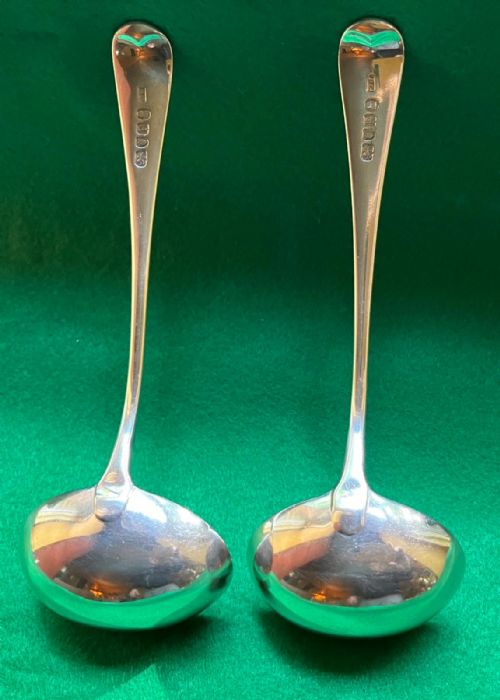
Dating relies on stamped hallmarks indicating the assay office, date letter, and maker's mark struck directly into the silver. Stylistic clues like bright cut engraving or Onslow patterns also point to specific decades.
Comparing the crests or regional hallmarks helps narrow the origin further.
Why do some ladles have wooden handles?
Wooden, horn, or whalebone handles prevent heat transfer when dipping the utensil into hot punch or soup bowls. Silver conducts heat rapidly, making organic materials practical for hot liquids.
These mixed-material stems are typically secured with silver caps and pins.
What is the difference between a soup ladle and a sauce ladle?
Soup and punch ladles feature large, deep bowls and long stems built for communal tureens and punch bowls. Sauce and gravy ladles scale down significantly for individual table boats.
Both share the prevailing styles of their respective Georgian decades.