
18th Century Silver Flatware
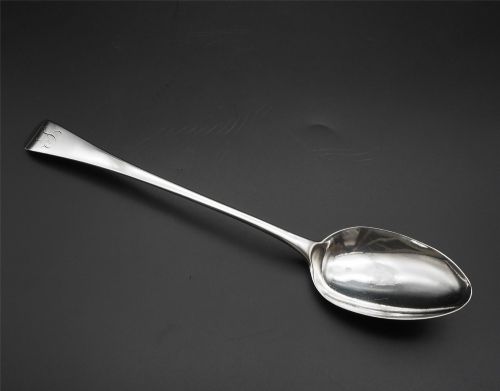
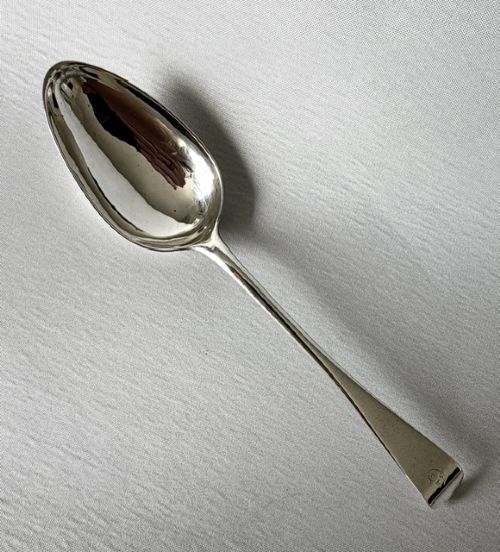
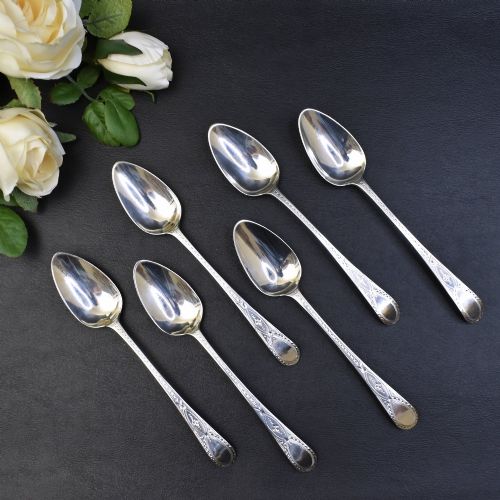
These pieces of 18th century silver flatware bring tactile history to the table, offering durable sterling silver tableware that collectors prize for its heritage.
18th Century Silver Flatware
When you search for 18th century silver flatware, you encounter a specialised selection of antique cutlery and serving utensils designed for dining and hospitality. The pieces span periods such as Queen Anne, George I, George II, and George III, reflecting the changing aesthetic preferences of the 18th Century and Regency eras.
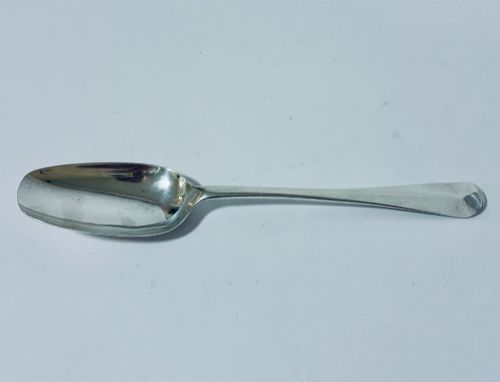
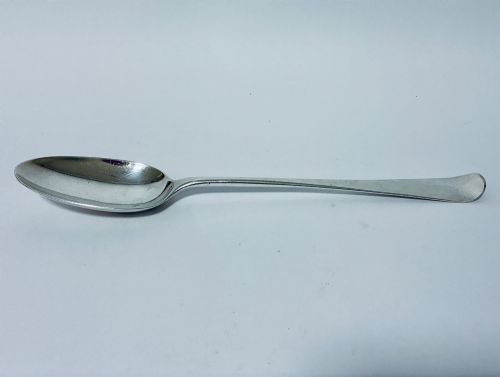
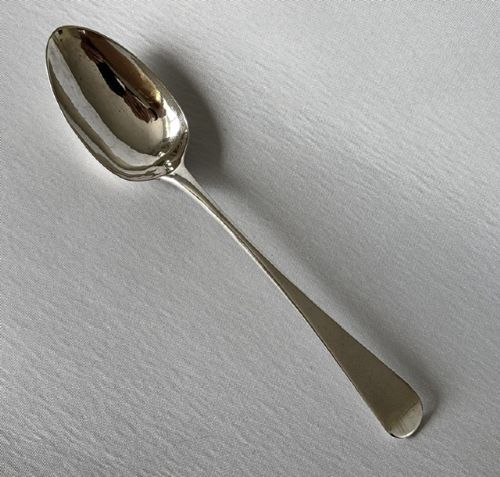
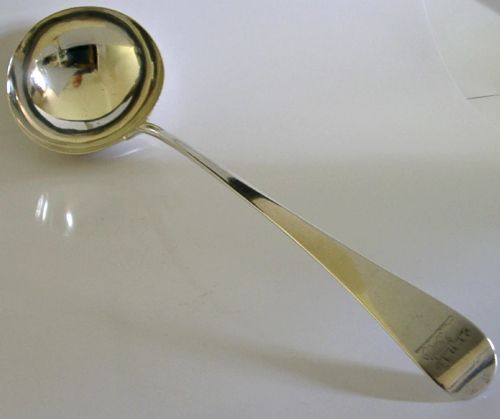
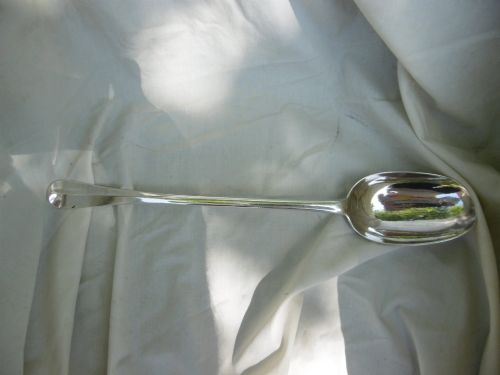
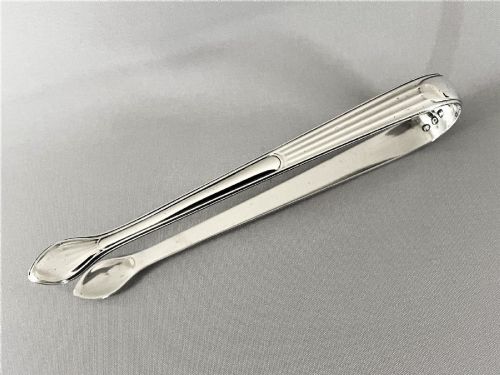
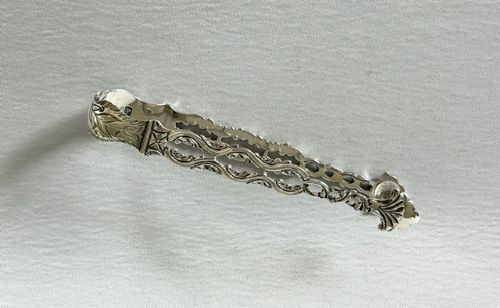
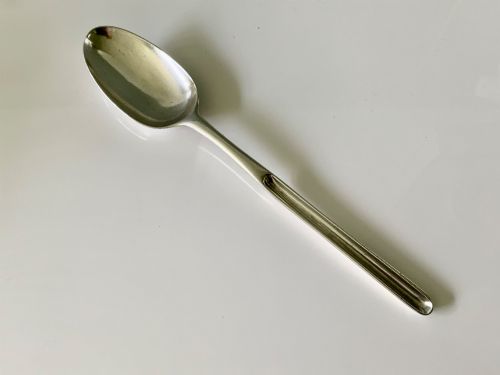
You are most likely to meet serving spoons, basting spoons, hash spoons, and tablespoons on this page, alongside smaller items like marrow scoops, dessert forks, caddy spoons, and sugar tongs. Many originate from London, while provincial English, Scottish, and Irish examples also appear.
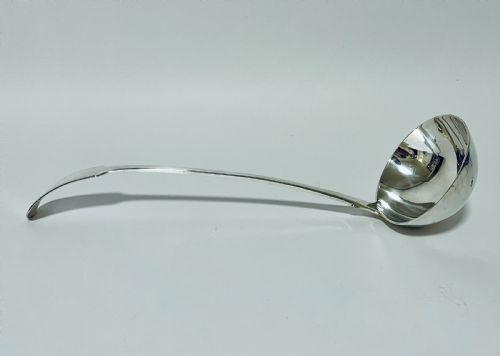
The assortment demonstrates the functional breadth of dining equipment during the Georgian period, ranging from massive ladles to delicate teaspoons. Each form serves a specific culinary purpose, rooted in the dining customs of the 1700s.
Materials and manufacturing techniques
Silversmiths utilised sterling silver and high-purity Britannia silver, occasionally applying gold gilt to specific items like caddy spoons or presentation pieces. Additional materials such as ebony, wood, silk, and velvet appear in fitted cases or handle components, complementing the metalwork.
The construction methods combine hand-beating, casting, and piercing to achieve both structural rigidity and ornamental detail. Smithing techniques like rat tail reinforcement and bright-cut engraving demonstrate the technical skill applied to functional cutlery.
Distinctions in quality and execution
The distinction between standard items and superior examples lies in the crispness of the hallmarks, the weight of the metal, and the refinement of hand-engraved crests. Heavier gauge silver withstands centuries of use without thinning the bowl or stem.
Peter & Jonathan Bateman·Hester Bateman·Andrew Archer·Wallis·E Coker·William Scarlett·James Tookey·John Locker·John Wilks·Benjamin Watts·John Smith·Michael Smith·James Tait·Robert Gordon·Wilkes Booth·Peter & Anne Bateman
The 18th Century Silver Flatware Glossary
- Britannia silver
- A higher standard of silver purity introduced by law in England, containing 95.84 percent pure silver. This standard was compulsory for silver articles between 1697 and 1720.
- Rat tail
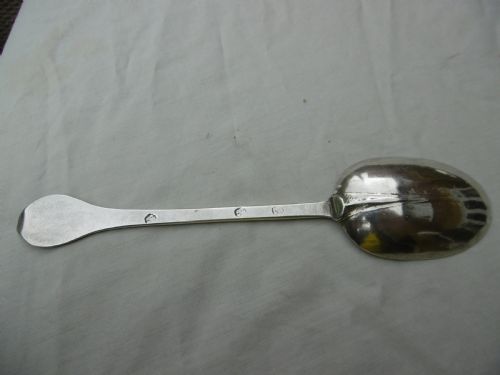
- A strengthening tongue of metal extending down the back of a spoon bowl from the stem. This feature reinforces the joint on early 18th century pieces.
- Bright-cut engraving
- A surface decoration technique utilising faceted angled cuts to create sparkling geometric patterns. It was popular on silverware during the late 18th century.
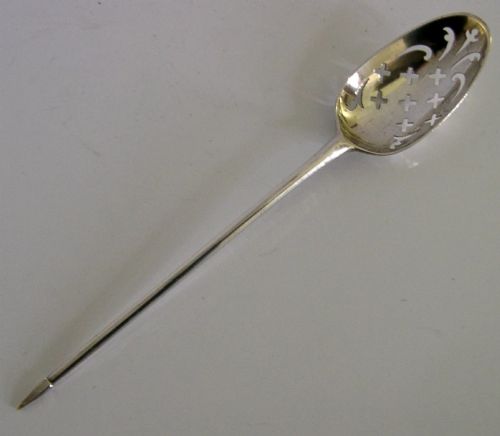
- Mote spoon
- A slender spoon with a pierced bowl used for straining tea leaves from cups. The pointed terminal end served to clear clogged tea strainers.
18th Century Silver Flatware: Frequently Asked Questions
How do I identify a Georgian silver spoon?
Look for hallmarks stamped directly onto the metal, which typically include a maker's mark, a standard mark indicating sterling purity, and a date letter.
Style characteristics such as rat tail backs, dognose terminals, or bright-cut engraving also help assign a piece to the 18th century.
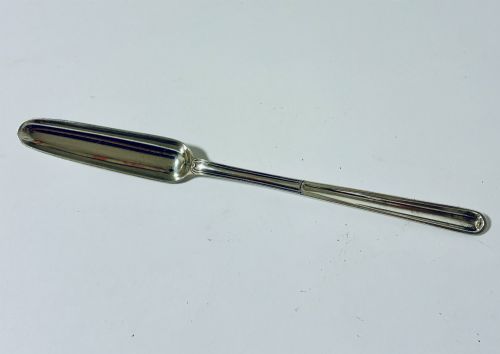
What was a marrow scoop used for?
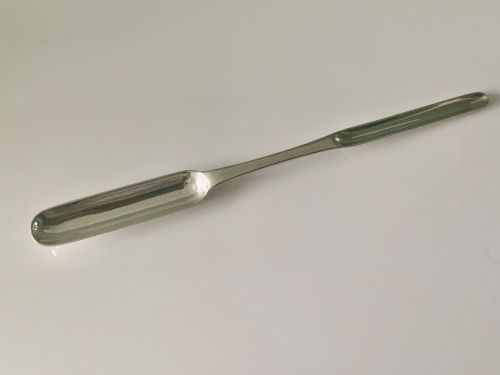
A marrow scoop served a practical dining function during formal meals when roasted bone marrow was a popular delicacy. The narrow troughs allowed diners to extract the marrow cleanly from the bone cavity.
These double-ended implements reflect the specific culinary habits of Georgian households.
Can I use antique silver flatware daily?
Many people choose to incorporate Georgian silver flatware into modern dining, as solid sterling silver is robust and durable. Hand washing with mild soap preserves the finish and prevents damage to the delicate antique metal.
Avoid abrasive cleaners and harsh dishwashers to maintain the historic surface texture and engraved crests.
What is the difference between Britannia standard and sterling silver?
Britannia standard silver contains a slightly higher proportion of pure silver, mandated briefly during the reigns of William III and Queen Anne. Sterling silver uses a standard of ninety-two point five percent purity, which became the predominant alloy for British flatware.
Pieces bearing Britannia standard marks are therefore generally earlier in date.