



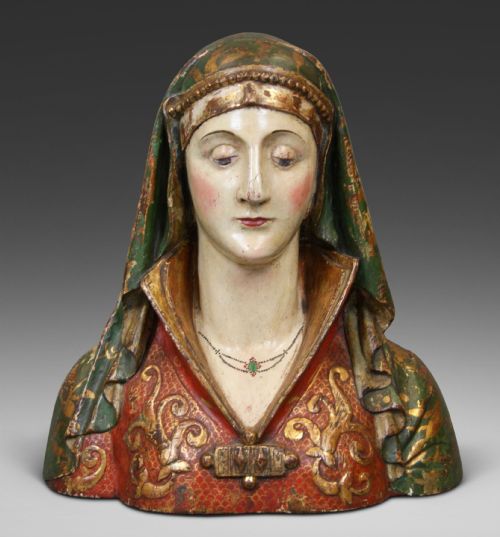


18th Century Saint Sculpture
These 18th century saint sculpture pieces bring devotional presence and masterly carving into a room, offering historic spiritual art for the collector.
18th Century Saint Sculpture
An 18th century saint sculpture takes the form of carved wooden statues, ecclesiastical busts, and figure groups representing figures such as Saint Jerome, Saint Nicholas, and Saint John. These devotional works originate from Italian, Spanish, French, German, and Croatian workshops working within Baroque and Rococo traditions.
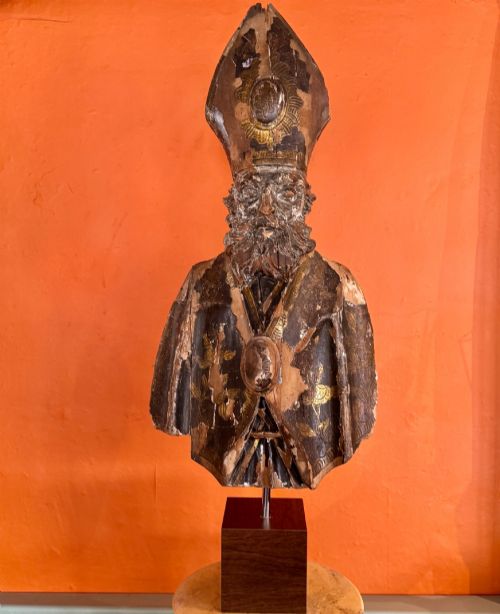
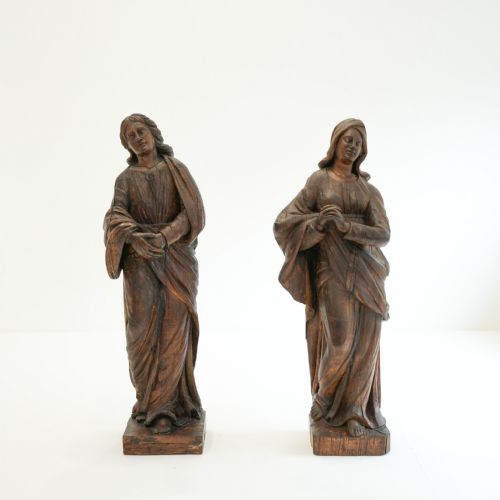
The pieces on this page are most commonly single standing figures, bishops, or character heads created for religious settings. They span from the late seventeenth century through the seventeen-fifties, reflecting the theatricality and ornate detail of the period.
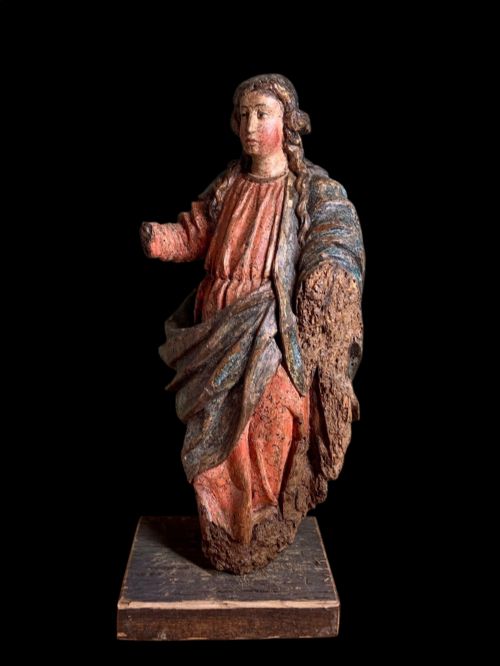
Buyers encounter both full-length statues with remnants of polychrome paint and smaller portrait busts carved from oak, walnut, or soft-paste porcelain. Each object carries the distinct regional hand of European ecclesiastical art from the Georgian era and earlier.
Materials and Methods
Artisans carved these sculptures from solid hardwoods including oak, walnut, and various unspecified woods suited to detailed figurative work. Wood was selected for its grain and stability before being shaped with chisels and gouges to capture drapery and facial expression.
Surfaces were frequently finished with gesso, polychrome paint, and gold leaf to create rich, lifelike vestments and gilded highlights. Soft-paste porcelain appears in select ceramic figure groups, employing specialised firing and glazing techniques typical of mid-eighteenth-century production.
Listings feature oak, walnut, and soft-paste porcelain, finished with gesso, polychrome paint, and gold leaf.
Assessing Quality in Carvings
The distinction between ordinary and exceptional carving lies in the anatomical precision of the hands, the expressive depth of the face, and the fluid movement of the carved drapery. Master carvers achieved a naturalism in hair, expression, and posture that lesser hands missed.
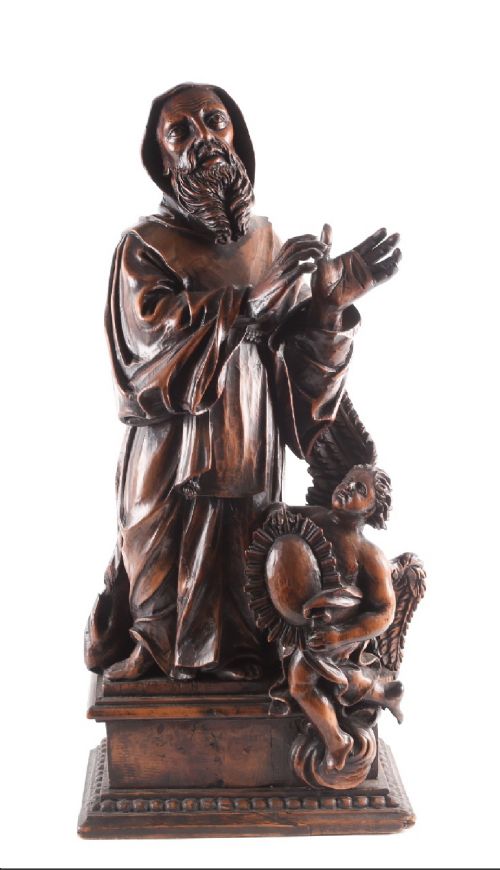
The survival of original polychrome paint and gold leaf significantly elevates a piece, as does the crispness of the underlying gesso and wood preparation. Pieces that retain their original architectural context, such as accompanying cherubs or attributes, show superior artistic integration.
The 18th Century Saint Sculpture Glossary
- Polychrome
- Painted in several colours. This surface treatment was applied over gesso to give carved wooden statues lifelike flesh tones and vivid garments.
- Gesso
- A plaster mixture applied to wood as a base for paint or gold leaf. It creates a smooth, receptive surface for fine decoration and gilding.
- Ecclesiastical
- Relating to the Christian Church or its clergy. These items were originally made for church altars, convents, or private chapels.
- Soft-paste porcelain
- A ceramic material composed of clay and glass frit, fired at lower temperatures than hard paste. It produces a warm, slightly translucent body common in mid-eighteenth-century figures.
- Baroque
- An ornate artistic style prevalent in Europe during the seventeenth and eighteenth centuries. It emphasises dramatic movement, tension, and grand scale in religious art.
18th Century Saint Sculpture: Frequently Asked Questions
Where were these sculptures made?
The pieces originate from various European regions, notably Italy, Spain, France, Germany, and Croatia. Each area developed distinct stylistic traits influenced by local ecclesiastical workshops.
Italian and Spanish pieces often display intense theatricality, while German and Croatian works utilise sturdy timbers like oak for robust figurative carving.
How do I identify a saint figure?
Saints are identified by specific attributes held in their hands or positioned near their feet, such as an eagle for Saint John or a cherub. Bishops wear traditional mitres and vestments, while specific martyrs carry symbols of their trials.
Inscriptions on the base or the historical context of the carving style also help determine the specific holy person represented.
How should I display them at home?
These sculptures suit placement on sturdy consoles, mantelpieces, or dedicated display plinths where their three-dimensional carving can be appreciated. Stable indoor humidity and distance from direct heat sources protect the old wood and painted surfaces.
Lighting should be indirect to prevent fading of the original gesso, gold leaf, and polychrome pigments over time.