






18th Century Saint Figure
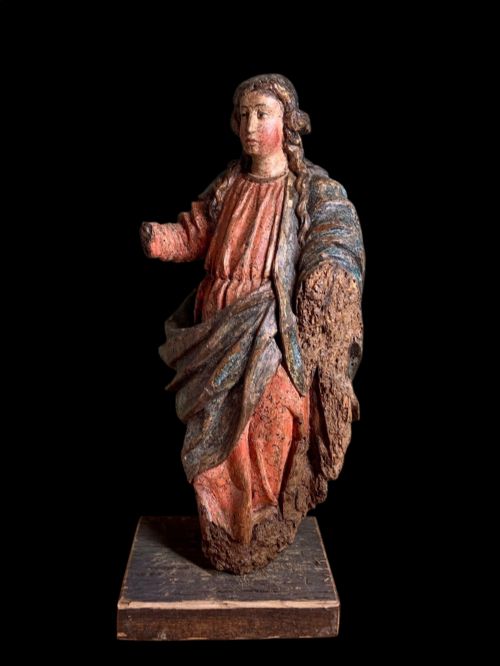
An 18th century saint figure brings devotional presence into a room through carved wood, gesso and polychrome paint.
18th Century Saint Figure
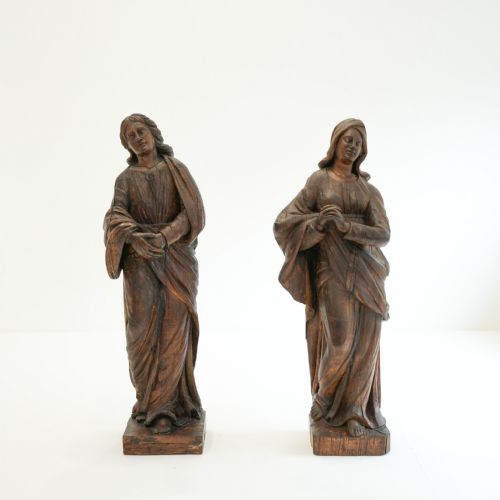
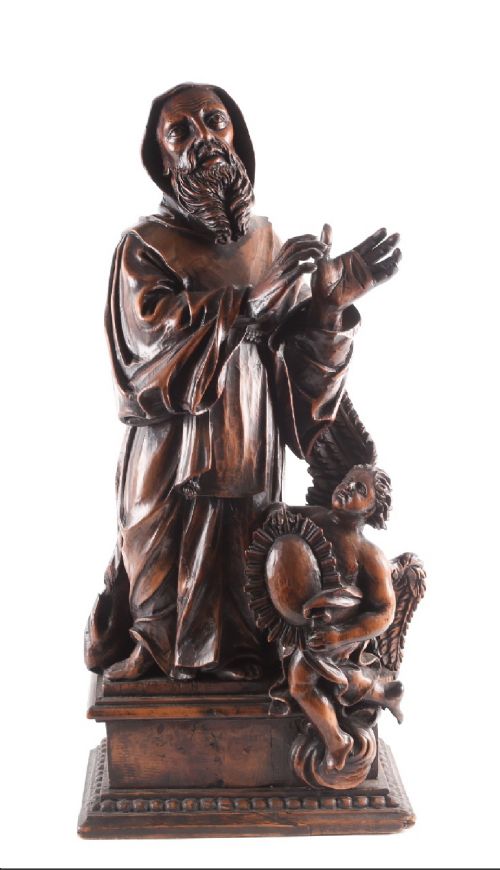
When you search for an 18th century saint figure, you encounter carved wood sculptures and religious statues originating from continental workshops, Spain, Italy, Germany and France. These pieces portray revered figures such as Saint Jerome, Saint John, Saint Nicholas, Saint Roche and Saint Nepomuk, alongside representations of the Madonna and child.
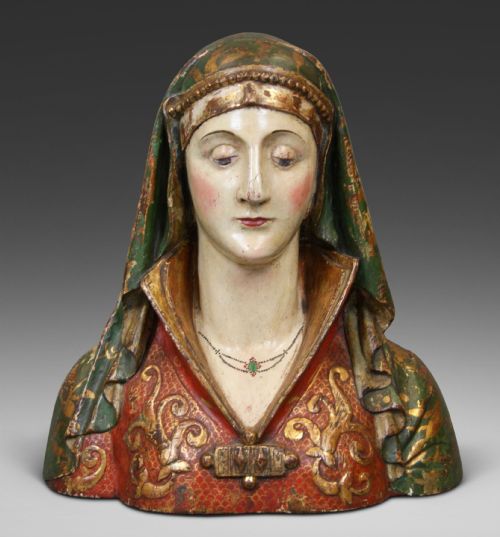
The most common forms on this page are carved wooden statues and fragments, including character heads and bust variants like the Spanish capipote and santos walnut bust. Alongside three-dimensional sculptures, the selection includes oil paintings from the Italian school depicting religious subjects after Raphael and Correggio.
Works span the periods from the 17th century through 1750 and the broader 18th century, incorporating Baroque, Rococo and classical stylistic elements. They manifest as single standing figures, paired carvings, figure groups and acolytes holding candlesticks, reflecting the rich ecclesiastical heritage of their origins.
How they were made
Carvers shaped these pieces primarily from solid woods such as oak and walnut, utilising traditional hand-chiselling techniques to establish form and drapery. The structural wood provided a durable base for subsequent surface ornamentation.
The site archives contain both three-dimensional wooden statues and oil paintings from the Italian school after Renaissance masters.
What varies in quality
The preservation of original surface finishes, including polychrome paint, gesso and gold leaf, influences the integrity of a piece. Examples retaining their historic pigment layers offer a more complete representation of period craftsmanship.
The 18th Century Saint Figure Glossary
- Polychrome
- Decorated in multiple colours. This term describes statues and wooden carvings finished with painted pigments on gesso or wood.
- Capipote
- A Spanish devotional figure. These statues typically feature detailed head and hand carvings attached to a basic wooden framework designed to wear actual fabric vestments.
- Gesso
- A plaster mixture applied as a surface preparation. Artisans used it on wood carvings to create a smooth layer before adding polychrome paint or gold leaf.
- Acolyte
- An altar assistant or follower. In sculpture form, these figures frequently appear holding candlesticks or serving religious functions.
- Baroque
- An artistic style characterised by dynamic movement and drama. Pieces from this period exhibit elaborate ornamentation and expressive gestures.
18th Century Saint Figure: Frequently Asked Questions
Where did these wooden statues originate?
These religious carvings originate from various European regions including Italy, Spain, France, Germany and Croatia. Continental workshops produced them for both ecclesiastical environments and private devotional spaces.
Regional styles often reveal themselves through specific carving techniques and the choice of woods like oak and walnut.
How do I identify a Spanish capipote?
A Spanish capipote typically consists of a carved wooden head and hands attached to an armature. These figures were constructed to wear textile garments.
They represent a distinct subset of religious statuary from the Iberian tradition.
How should I care for polychrome wood?
Maintain stable indoor humidity and temperature to protect the underlying wood and gesso layers. Avoid direct sunlight to prevent the polychrome paint and gold leaf from fading.
Dust gently with a dry, soft cloth without applying cleaning liquids or polishes.