



Baroque Carved Wooden Figure
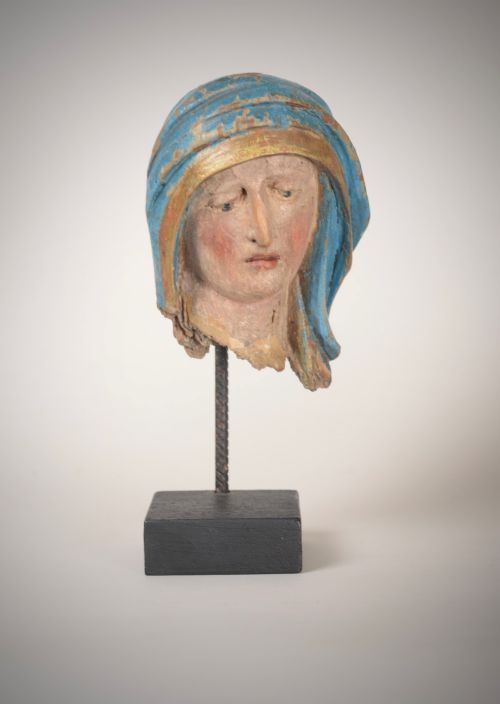
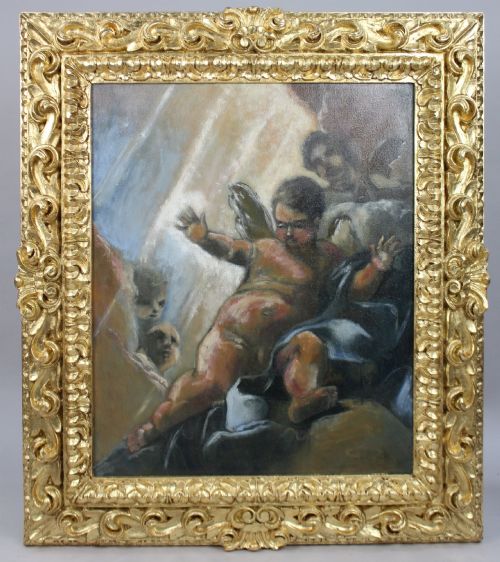
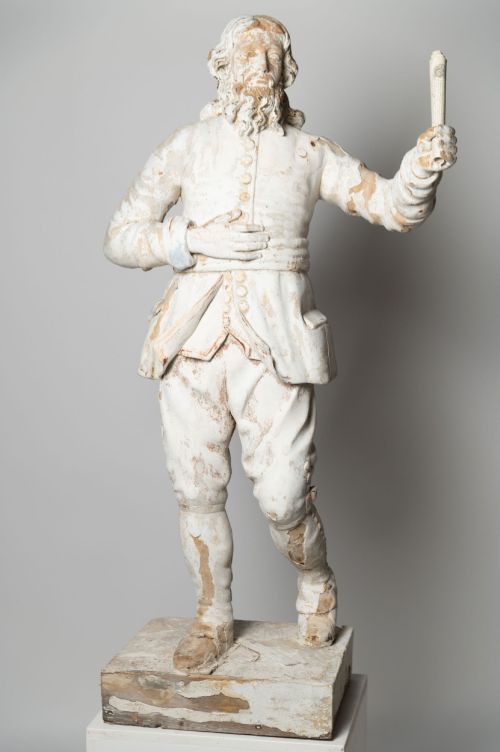
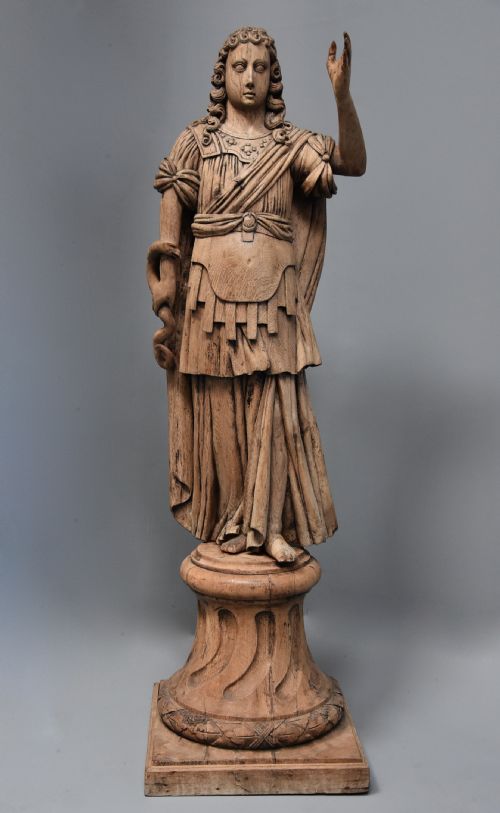
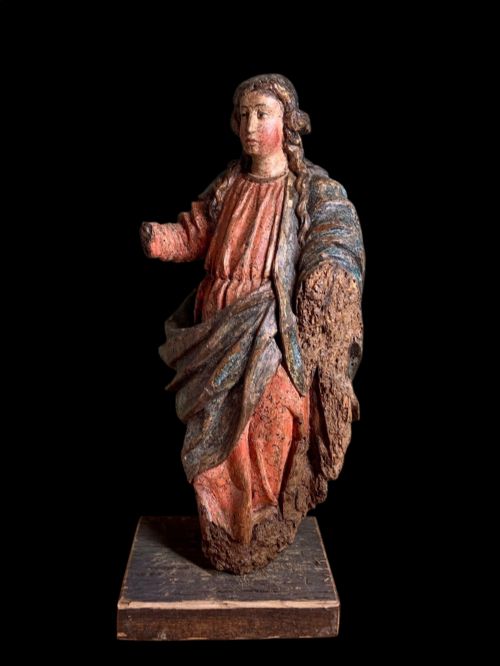
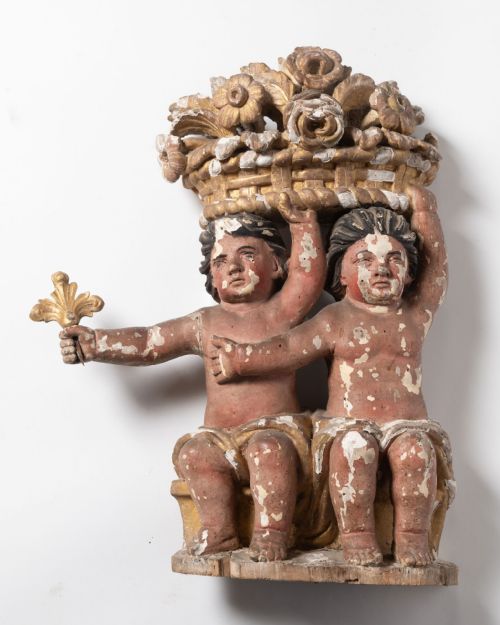
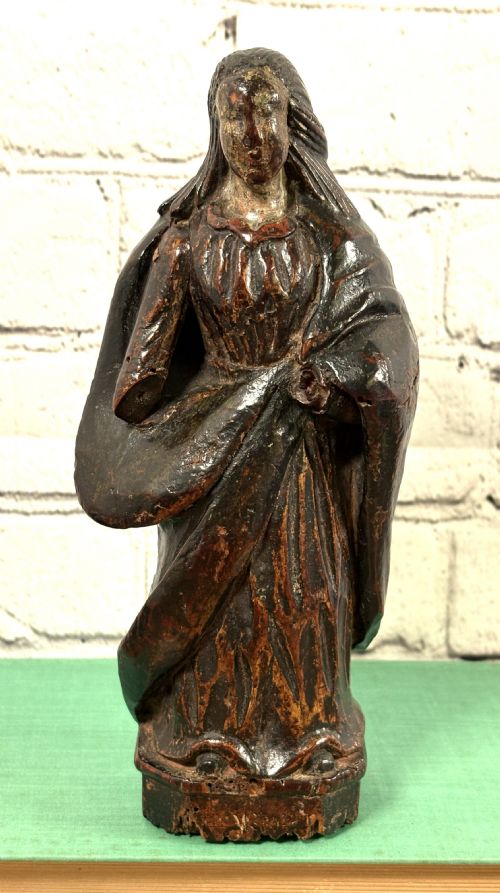
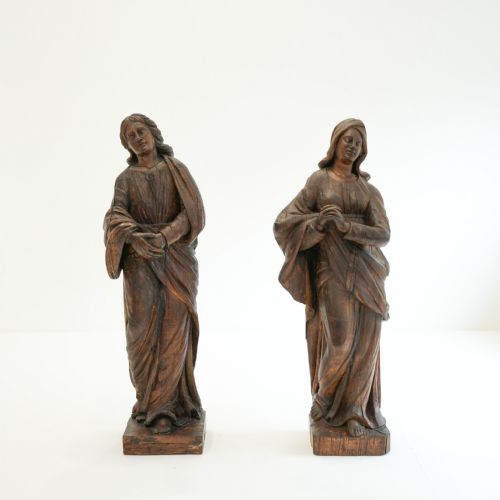
These pieces are a baroque carved wooden figure, ranging from saints and angels to caryatids that bring expressive, theatrical presence to a room.
Baroque Carved Wooden Figure
A baroque carved wooden figure encompasses religious sculptures, saints, putti, and wall sculptures produced primarily across continental Europe during the seventeenth and eighteenth centuries. These works stem from Spanish, Italian, German, and Flemish traditions, reflecting the ornate, dynamic aesthetic of the period.
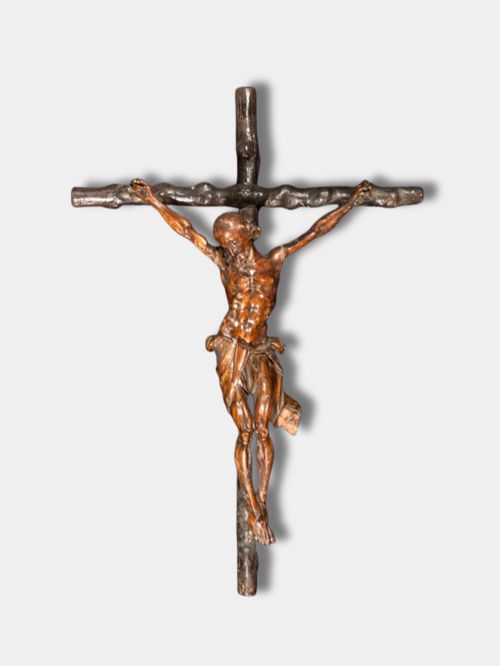
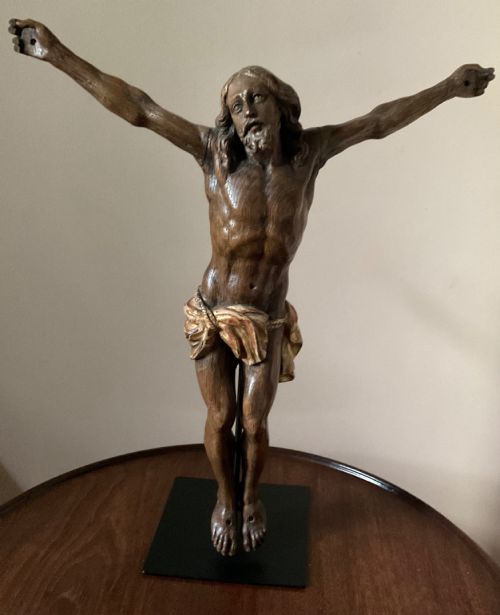
The most common forms on this page include figures of saints, cherubic terms, corpus Christi crosses, and pairs of angels. Many originate from ecclesiastical settings, spanning life size continental oak figures down to smaller devotional carvings.
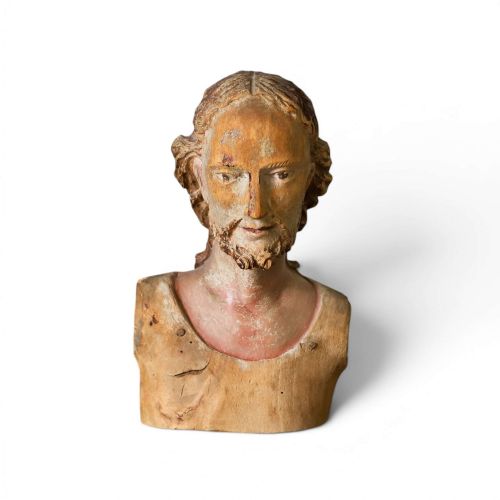
While seventeenth and eighteenth-century examples dominate, the selection also incorporates nineteenth-century revival pieces and later interpretations. Buyers encounter diverse materials from limewood and oak to olive wood and boxwood, often finished with polychrome paint and gilding.
Materials and construction methods
Artisans carved these sculptures from various hardwoods and softwoods, including oak, limewood, applewood, boxwood, and lindenwood. Selection depended on regional availability and the level of intricate detail required by the carver.
Surfaces were frequently treated with gesso before receiving layers of polychrome paint, silvering, or gold leaf. This combination of carved wood and applied finish created rich textures and lifelike coloration on drapery and flesh tones.
Several figures come accompanied by unexpected companions, including an eagle and cherubs positioned directly at their feet.
Factors that distinguish individual pieces
Depth of carving and anatomical definition distinguish the best work from simpler production, particularly in facial expressions, hands, and the natural fall of heavy drapery. Sculptures attributed to specific regional traditions or named makers display superior handling of movement and proportion.
The preservation of original surface treatments, such as early polychrome paint and gold leaf, defines the integrity of a piece. Retaining untouched historical finishes provides greater authenticity compared to later overpainting or stripping.
Simon Troger
The Baroque Carved Wooden Figure Glossary
- Polychrome
- Painted in several colours. This finish was commonly applied over gesso on wooden sculptures to enhance realism.
- Giltwood
- Wood carved and then decorated with gold leaf. It creates a brilliant reflective surface typical of ecclesiastical art.
- Putti
- Depictions of chubby male infants, often winged. They frequently appear as cherubs in religious and decorative sculpture.
- Caryatid
- A sculpted female figure serving as an architectural support. They appear in furniture and wall elements.
- Corpus Christi
- An image of Christ on the cross. These wooden figures range from small devotional pieces to larger church displays.
- Limewood
- A pale timber favoured by European carvers. It allows for crisp, detailed undercut work without splitting easily.
Baroque Carved Wooden Figure: Frequently Asked Questions
What is a baroque carved wooden figure?
These items are sculptural works, predominantly depicting saints, angels, and religious scenes, originating from seventeenth and eighteenth century Europe. They embody the theatrical and ornate characteristics of the baroque style.
Carved from various woods and often finished with polychrome paint or gold leaf, they served devotional, ecclesiastical, and decorative functions in churches and homes.
How were these wooden sculptures used?
Many of these pieces functioned as central elements in churches, altars, and private chapels to inspire devotion and religious contemplation. Others formed parts of architectural schemes or served as decorative candelabras.
Over time, many transitioned into domestic collections as sculptural works of art, appreciated for their craftsmanship and historical significance.
How do I live with a wooden figure?
Display these sculptures away from direct sunlight and sudden temperature changes to protect the wood and any delicate polychrome surfaces. Stable indoor conditions prevent the timber from drying out or cracking.
Mount wall sculptures securely or place freestanding figures on stable surfaces where their detailed carving and painted finishes can be viewed clearly.
How can I tell periods apart?
Seventeenth century pieces often display deeper, more dramatic drapery and heavier religious solemnity, while eighteenth century works lean towards lighter, more cherubic expressions and dynamic movement. Nineteenth century revival pieces frequently imitate these earlier styles using characteristic regional woods and finishes.
Examining the tool marks, underlying gesso composition, and wear patterns helps differentiate original period construction from later revivals.