





18th Century Porcelain Statue
An 18th century porcelain statue captures human, mythological, and animal forms shaped by European kilns, offering tactile historical character to a cabinet or shelf.
18th Century Porcelain Statue
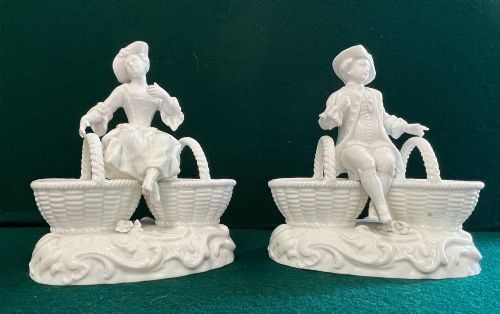
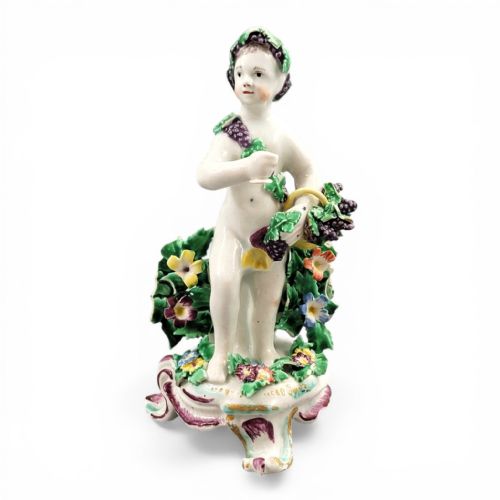
When searching for an 18th century porcelain statue, buyers encounter sculptural figures, groups, and allegorical statuettes representing classical deities, rustic figures, and animals. The selections here span mythological representations, seasonal allegories, and theatrical subjects produced across European factories.
The most common examples on this page originate from English factories like Derby and Bow, alongside continental works from Meissen, Ludwigsburg, and Frankenthal. These items often appear as single pieces, pairs, or complete sets depicting the four seasons and continents.
Makers shaped soft-paste and hard-paste porcelain into representations of shepherds, stage actors, and mythological entities such as Pluto, Zeus, and Bacchus. Each piece reflects the decorative tastes of the Georgian period and the broader Rococo and Neoclassical design movements.
How they were made
Workshops utilised soft-paste or hard-paste porcelain, shaping the clay in press-moulds or casting it in sections before luting the parts together with liquid slip. Artisans then applied enamel colours and gold leaf highlights by hand prior to high-temperature kiln firing.
The listings feature soft-paste and hard-paste porcelain bodies decorated with enamel and gold leaf across the Georgian and Edwardian periods.
What varies in quality
The sophistication of the original design and the symmetry of the firing process dictate the visual success of the piece. Subtle tone transitions in the enamel and secure application of the gilding separate standard production pieces from masterworks.
Meissen·Derby·Bow·Ludwigsburg·Frankenthal·Limbach Thuringia·Chelsea·La Coutille Factory·Royal Capodimonte Factory·Samson
The 18th Century Porcelain Statue Glossary
- Soft-paste porcelain
- A glassy porcelain composition fired at lower temperatures than hard-paste, common in early English factories. It exhibits a warm tone under the glaze.
- Hard-paste porcelain
- A true porcelain made from kaolin and petuntse fired at high temperatures, producing a durable, vitrified body. Continental factories utilised this formula extensively.
- Patch mark
- A small unglazed blemish on the base of a figure caused by the fireclay spacers used in the kiln. These marks are characteristic of early Derby production.
- Enamel
- Opaque vitreous colours applied over or under the glaze to decorate the porcelain body. Artisans painted these pigments by hand before a secondary kiln firing.
- Allegorical figure
- A sculptural representation symbolising an abstract concept, such as an element, season, or continent. These figures frequently formed part of larger decorative sets.
18th Century Porcelain Statue: Frequently Asked Questions
What subjects do these figures represent?
The pieces depict a wide array of subjects including classical gods, pastoral shepherds, theatrical actors, and allegories of the seasons or continents.
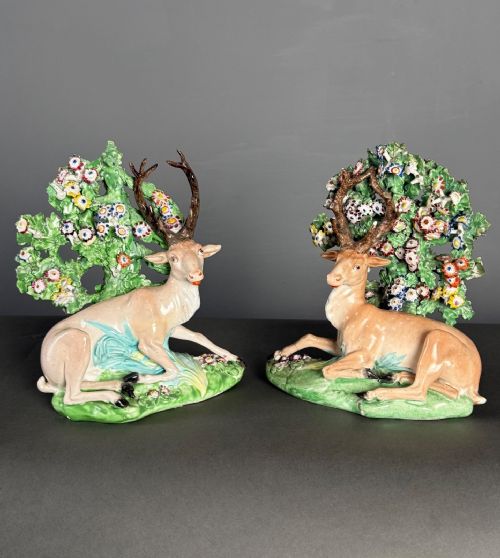
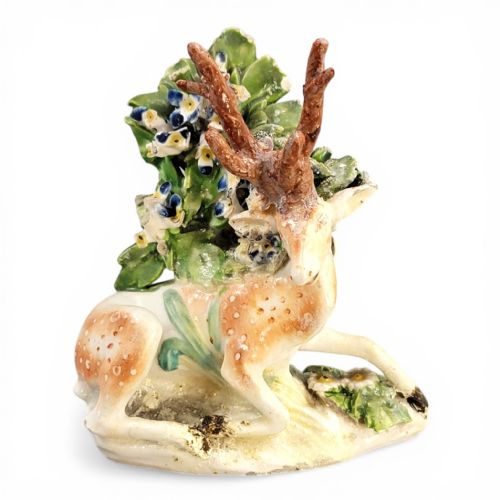
Animals and birds also appear frequently, often modelled in recumbent postures or as part of larger paired decorative groups.
How can I identify a factory mark?
Factories often applied painted or impressed marks to the underside of the base, such as crossed swords for Meissen or an anchor for Chelsea.
Many early pieces remain unmarked, requiring attribution based on paste composition, modelling style, and kiln scars.
Where were these statues displayed originally?
Georgian households placed these figures on mantelpieces, brackets, and dining tables as decorative centrepieces during formal meals.
Wealthy collectors also housed them within specialised porcelain cabinets to showcase their taste and refinement to visitors.
How do I care for antique porcelain?
Display the statues away from direct sunlight and areas subject to sudden temperature fluctuations to protect the enamel and gilding.
Dust the pieces gently with a soft, dry brush and avoid submerging them in water, particularly items with fragile applied floral work.