





18th Century Pewter Dishes
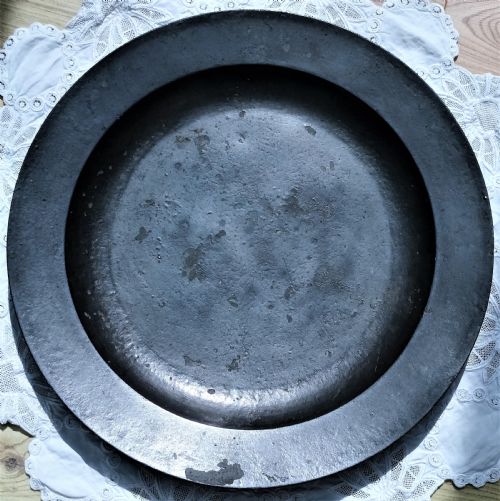
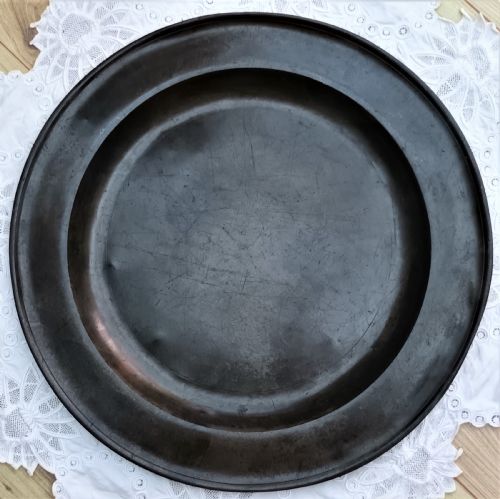
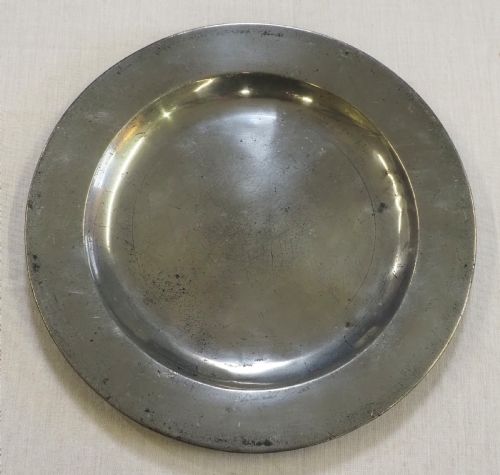
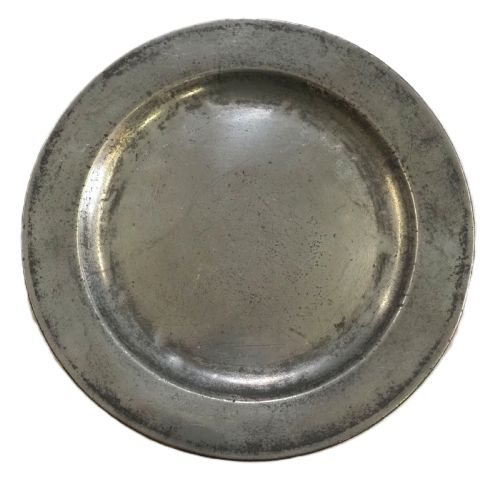
These 18th century pewter dishes offer solid metal craftsmanship and plain rims for everyday utility.
18th Century Pewter Dishes
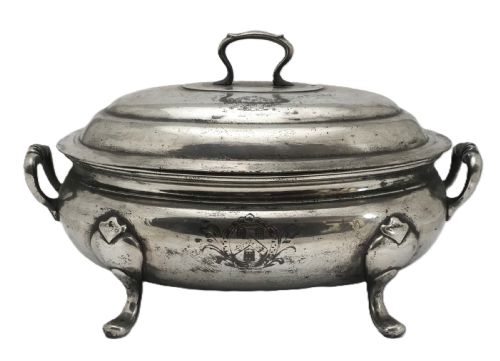
The selection includes specific object types like toilet basins and multiple reeded dishes alongside standard serveware. Each piece reflects the material standards of its origin, whether English or European, spanning from the late seventeenth century through the end of the eighteenth.
Materials and Construction
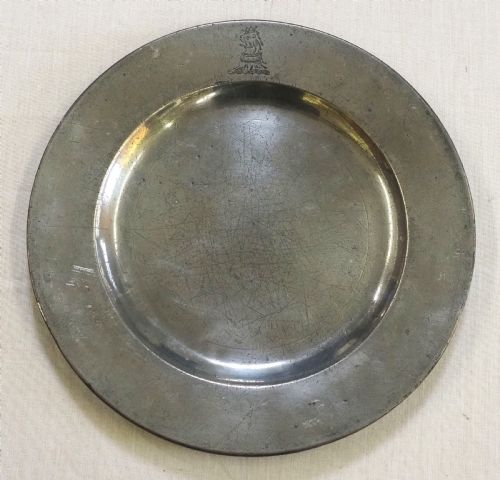
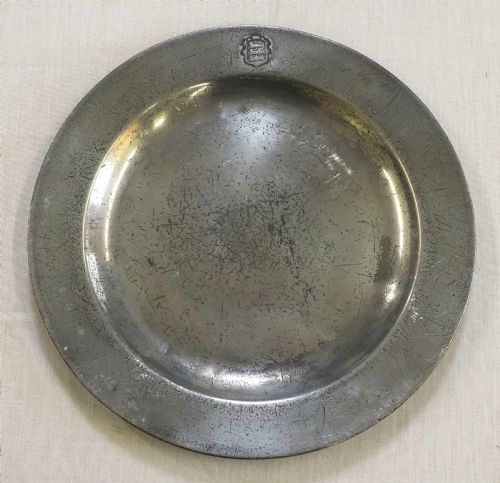
These pieces are made entirely of pewter, cast and hammered into plates, chargers, and bowls. Makers formed the metal into sturdy rims, wavy edges, and multiple reeded profiles.
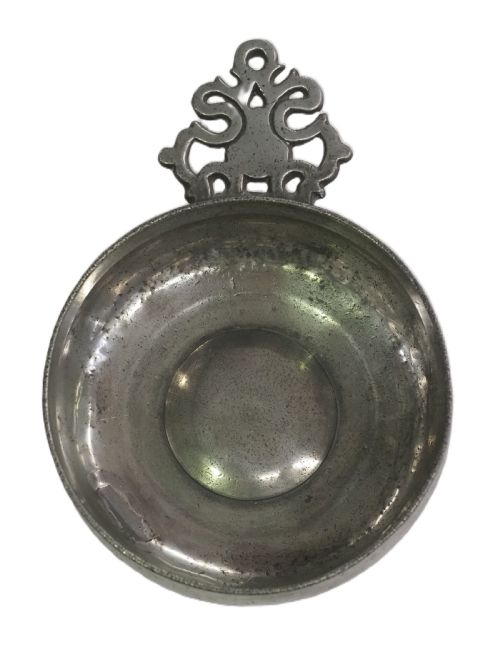
Craftsmen applied surface details through engraving, adding family crests, city coats of arms, and commemorative inscriptions directly into the metal. Workshops utilised traditional casting methods to achieve specific liquid capacities in vessels like porringers.
18th Century Pewter Dishes Retail Price Guide 2026
Typical asking prices for 18th century pewter dishes among the pieces listed under this phrase on Sellingantiques today, from the lower quarter to the upper quarter. They describe what is for sale here now, not the wider market.
Variations in Quality
Quality rests in the crispness of maker touches, the weight of the metal, and the clarity of engraved heraldry or crests. Heavier chargers and plates with distinct maker marks show higher execution.
Specialised forms, such as multiple reeded edges or detailed commemorative plates for historical figures, demonstrate greater workshop skill than plain utilitarian plates.
John Duncomb·Samuel Smith·James Spackman·Richard King·Wood and Michell·Humphrey Evans II·Thomas Alderson·Edward Leapidge I·John Barlow·S Duncomb
The 18th Century Pewter Dishes Glossary
- Charger
- A large decorative or serving plate used on dining tables. These measure significantly larger than standard dinner plates.
- Porringer
- A small, handled bowl used for porage, broths, or liquids. Examples often state specific fluid ounce capacities.
- Reeded
- A decorative moulding pattern featuring parallel convex strips. Multiple reeded rims add tactile and visual texture to plates.
- Touchmark
- An official stamp pressed into pewter by a maker or guild member. These marks identify the workshop and standard of the metal.
18th Century Pewter Dishes: Frequently Asked Questions
How were pewter dishes used?
These vessels served everyday dining needs in domestic households, holding meats, broths, and dry foods. Larger chargers functioned as central serving platters or decorative table elements.
Specialised forms like toilet basins and porringers fulfilled specific personal and medical tasks in the home. Their durable metal construction made them practical for daily use across various social strata.
How do I identify an 18th century piece?
Examination of the touchmarks stamped into the metal reveals the maker and active working dates. Stylistic cues such as plain rims, multiple reeded edges, and Georgian or Queen Anne forms help date the object.
Engraved coats of arms and commemorative subjects also provide historical context for specific periods. Comparing the weight and form against recorded workshop styles confirms the age.
What is a pewter charger?
A charger is a large plate exceeding standard dining dimensions, usually displayed on sideboards or used to serve large joints of meat. They formed a central part of formal table settings.
Many examples feature reinforced rims to support their own weight when lifted. Their substantial size made them ideal canvases for engraved family crests and coats of arms.
How do I care for antique pewter?
Antique pewter requires gentle handling to preserve the soft patina accumulated over centuries. Avoid harsh chemical polishes that strip away the historical surface character.
Keep the metal in stable humidity conditions to prevent corrosion. Dust regularly with a soft cloth and support the base of large chargers when moving them.