

18th Century Oak Seating
These pieces of 18th century oak seating bring robust vernacular character and enduring domestic utility directly into modern rooms.
18th Century Oak Seating
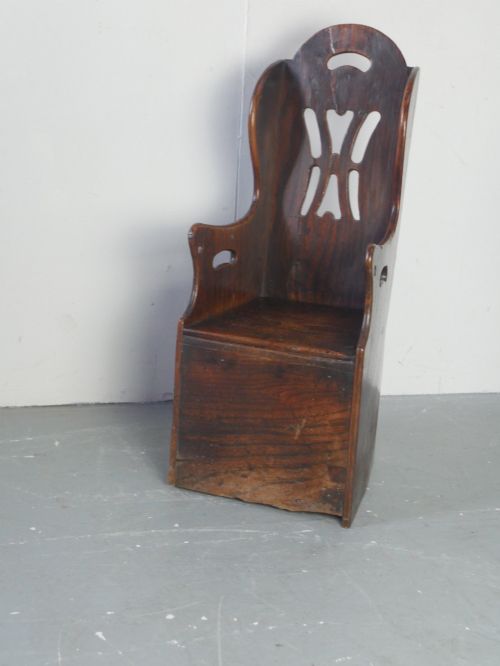
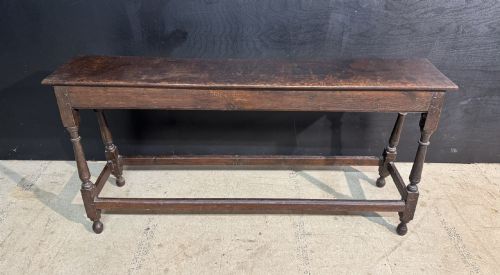
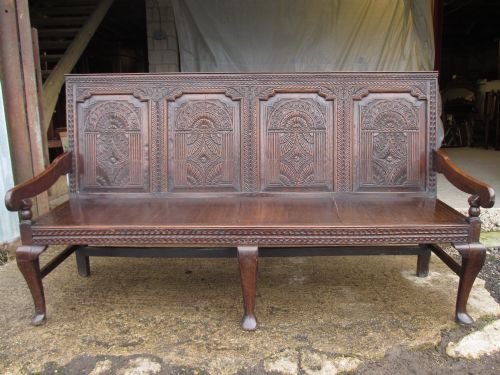
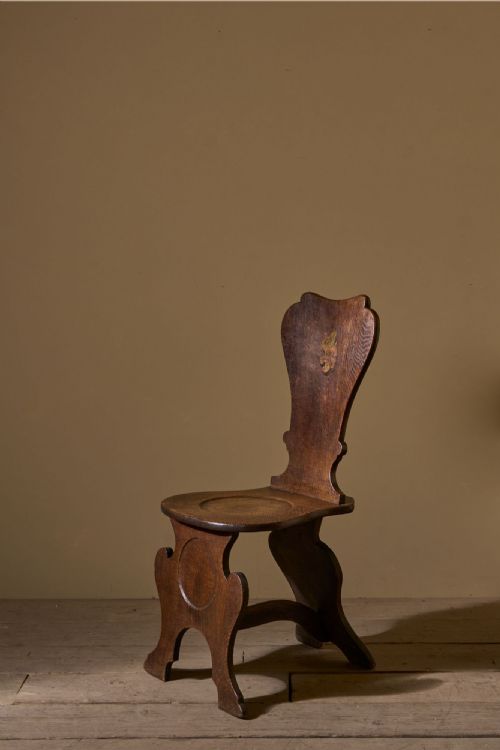
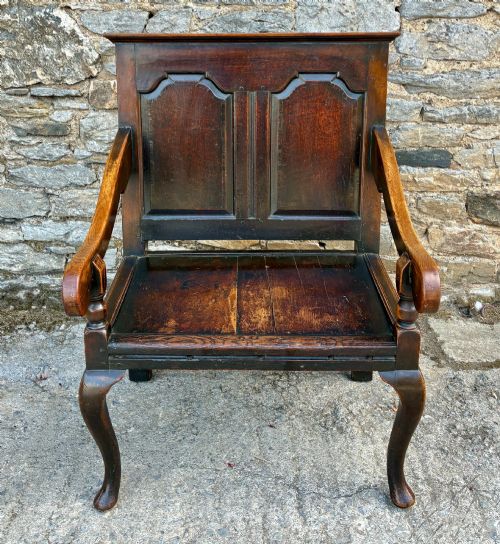
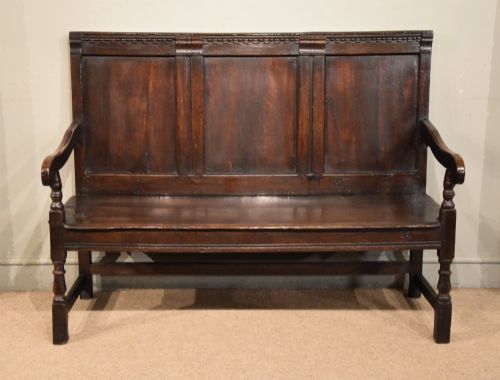
Buyers seeking 18th century oak seating encounter a diverse selection of regional furniture designed for everyday domestic life. The available items span armchairs, settles, joint stools, hall chairs, benches, and commode chairs originating from English, Welsh, and broader provincial workshops.
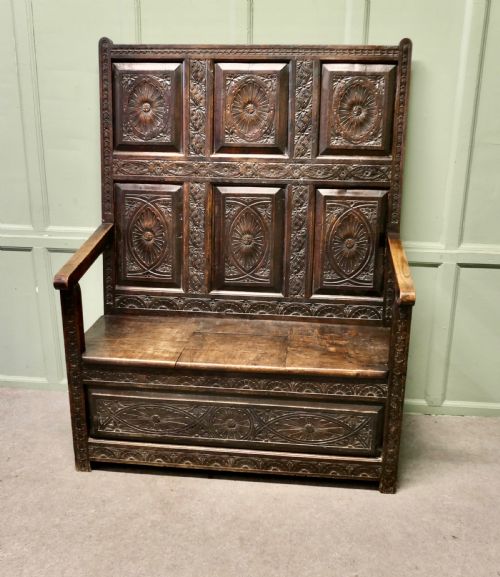
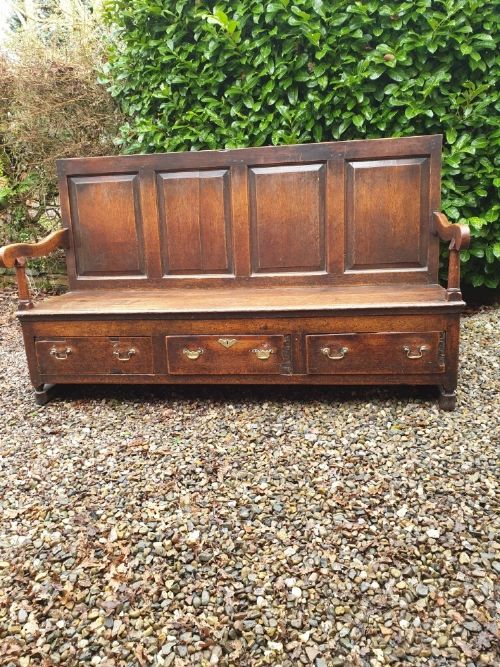
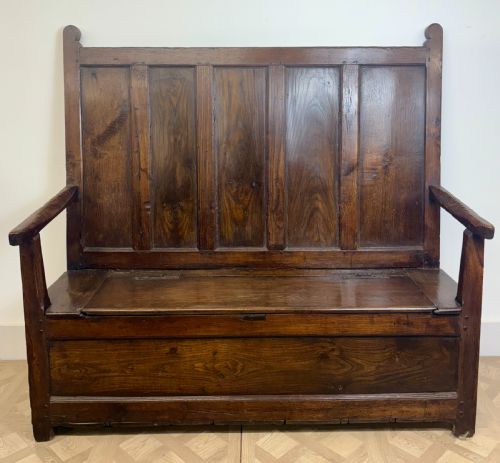
The heaviest representation among these listings belongs to the sturdy box settle alongside various Windsor chairs and country dining chairs. Pieces from the Georgian period predominate, reflecting both formal vernacular styles and simpler regional traditions across the eighteenth century.
Materials and construction methods
Local timber forms the foundation of these pieces, utilising primary structural oak augmented by secondary woods like ash, elm, and yew wood. Makers relied on traditional joinery methods such as mortise and tenon joints, pegging, and spindle turning to build sturdy domestic seating.
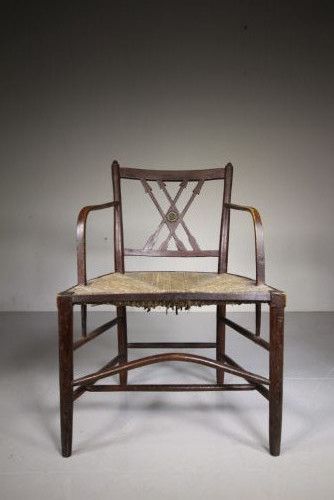
Surfaces frequently incorporate natural organic elements for comfort and structure, including woven rush seats, iron fixings, brass details, and occasional painted finishes. The integration of these materials reflects practical rural craftsmanship aimed at decades of heavy use.
The documented periods span from early Georgian and 1700 through the eighteenth century up to Edwardian revivals.
Factors influencing quality
The standard of an 18th century oak seating piece rests heavily on the integrity of its original timber and the retention of its structural form. Examples retaining rich surface patination and honest regional proportion stand distinctly apart from heavily altered or overly restored equivalents.
Subtleties in carved ornamentation, such as panel detailing on high-back settles or refined turning on spindle and comb back chairs, elevate certain pieces. The harmonious combination of secondary woods like ash or elm with the primary oak frame also indicates superior regional workshop output.
The 18th Century Oak Seating Glossary
- Joint Stool
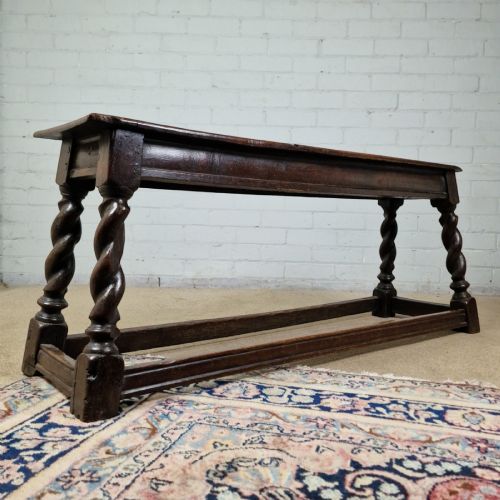
- A sturdy wooden stool constructed with mortise and tenon joints rather than turned legs. These items served multiple household purposes from sitting to reaching high shelves.
- Settle
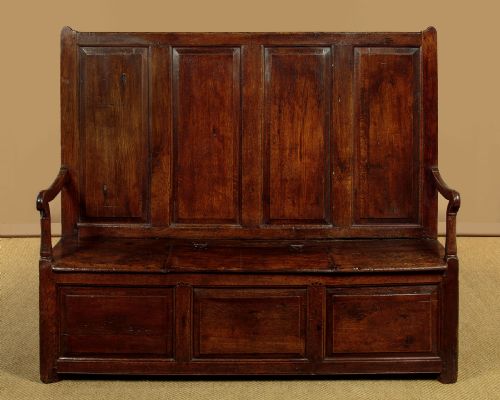
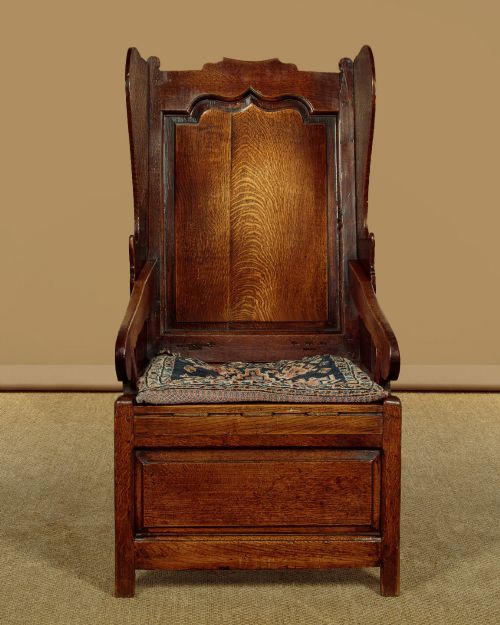
- A high-backed wooden bench with solid arms and a closed base, often incorporating a storage box beneath the seat. They were designed to block cold drafts in large farmhouse kitchens.
- Windsor Chair
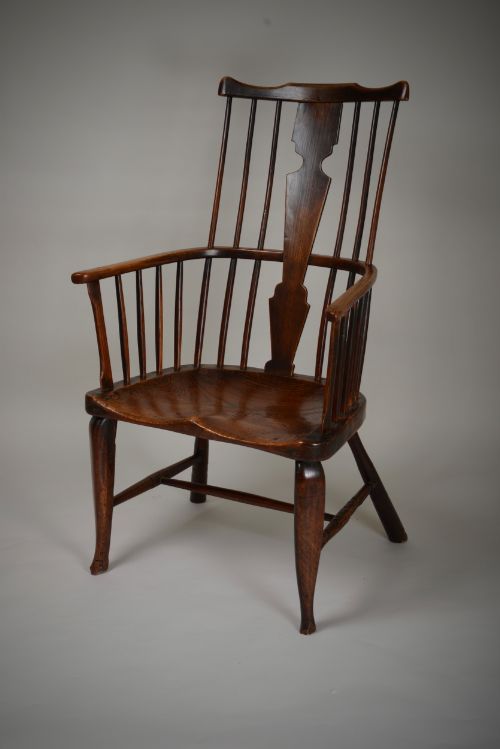
- A wooden chair featuring a solid carved seat into which the legs and back spindles are directly wedged. Regional variations include comb backs, stick backs, and Thames Valley designs.
- Wainscot Armchair
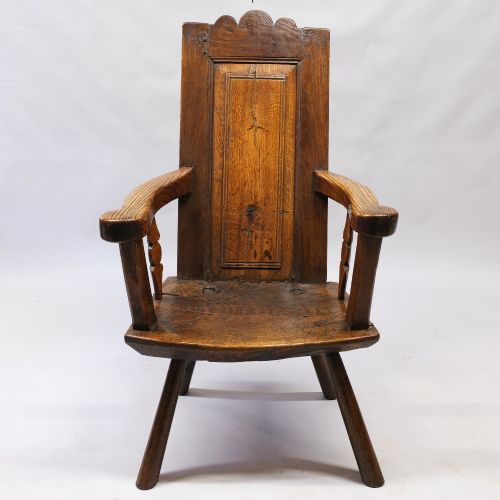
- An early heavy wooden armchair constructed with panelled backboards and solid arms. They represent status and substantial carpentry from the early part of the period.
- Rush Seat
- A seating surface woven from dried marsh rushes twisted into cords and patterned across a wooden frame. This technique provides flexible support in traditional country chairs.
18th Century Oak Seating: Frequently Asked Questions
What is an oak box settle?
An oak box settle is a high-backed wooden bench featuring a built-in storage compartment beneath the lifting seat. They were historically placed near hearths to block cold drafts while keeping household items close at hand.
Most surviving examples date from the eighteenth century and display regional carpentry traditions, ranging from plain panelled backs to carved designs.
How do I identify a Windsor chair?
A Windsor chair is characterised by a thick sculpted wooden seat into which the legs and back components are individually bored and secured. They typically feature turned undercarriages and spindles forming the backrest.
Eighteenth-century versions often include regional variations like comb backs, low backs, or specific elm and ash wood combinations.
Where were these chairs made?
These pieces were produced across various English and Welsh rural workshops, provincial towns, and domestic homesteads. Makers utilised locally sourced timber available in their immediate geographic regions.
Distinct styles emerged from specific areas, reflecting local woodworking preferences and the availability of materials like oak, ash, elm, and yew.
Can I use these antique seats daily?
Most of these functional oak and elm seats remain structurally sound for everyday domestic use. Their sturdy mortise and tenon construction was originally engineered for decades of heavy farm and household service.
Placing them in rooms with stable humidity levels helps preserve the dry timber, rush seats, and original iron fixings over time.
What defines a joint stool?
A joint stool is a rigid wooden seat constructed using pegged mortise and tenon joinery rather than turned legs inserted into a bored seat. Carpenters built them with rectangular frames and stretcher rails for high stability.
During the eighteenth century, they served as flexible seating around the home or as occasional tables.