

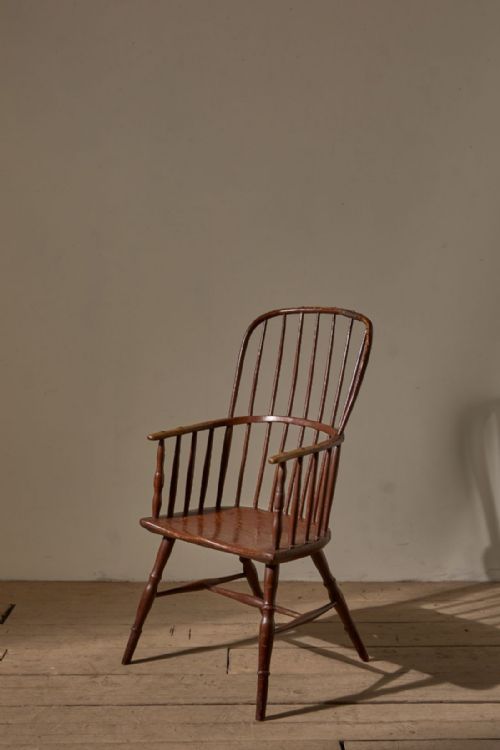
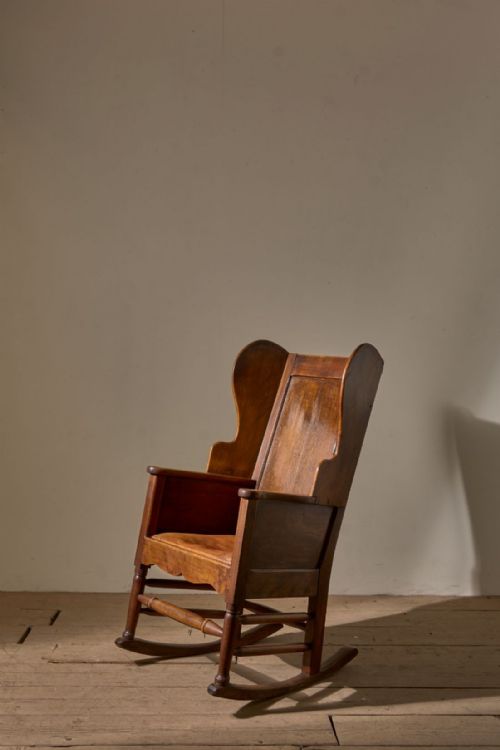
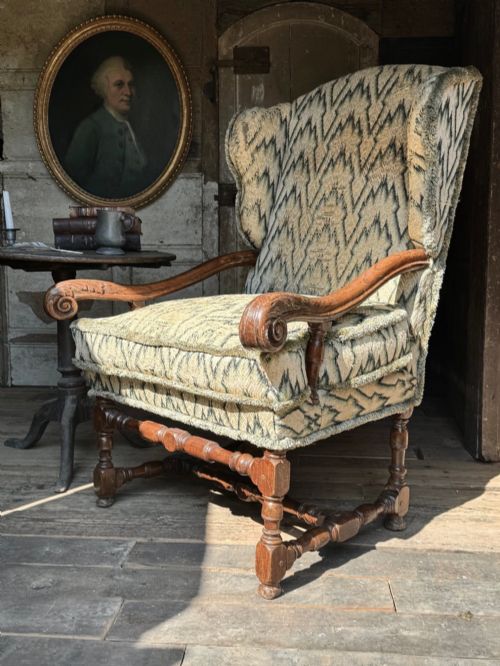
18th Century Oak Armchair
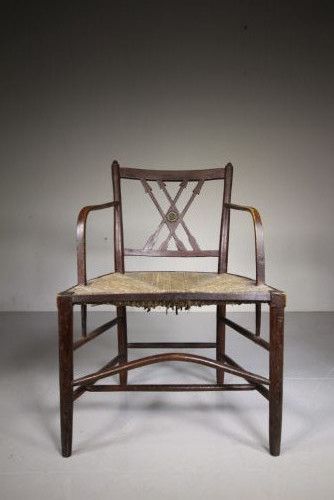
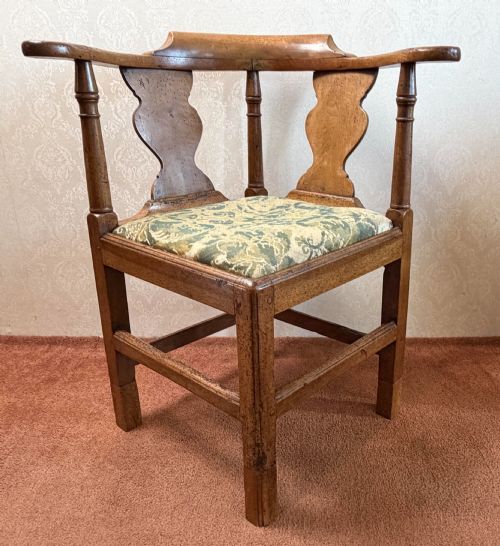
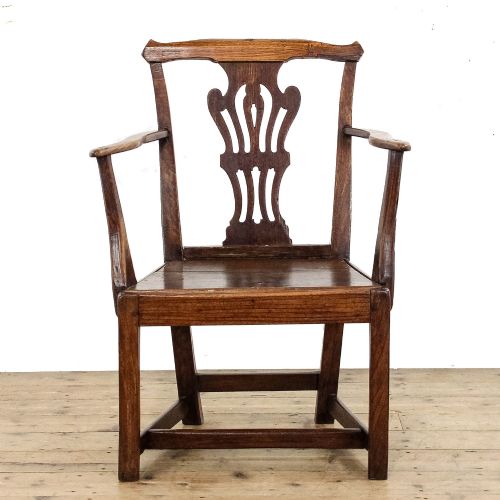
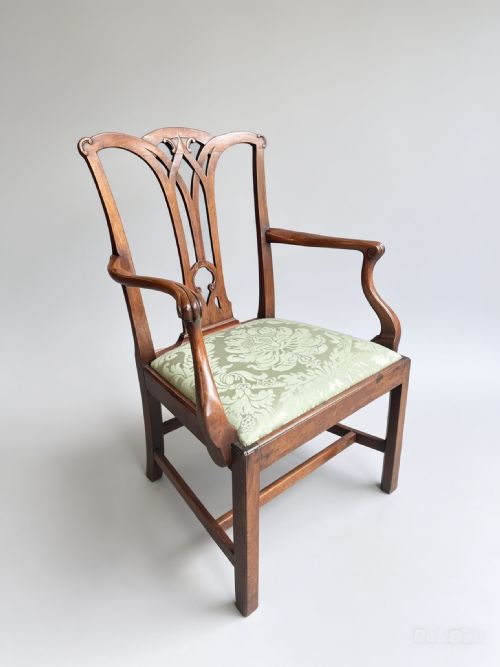
An 18th century oak armchair brings solid vernacular presence and rich timber patination to a room.
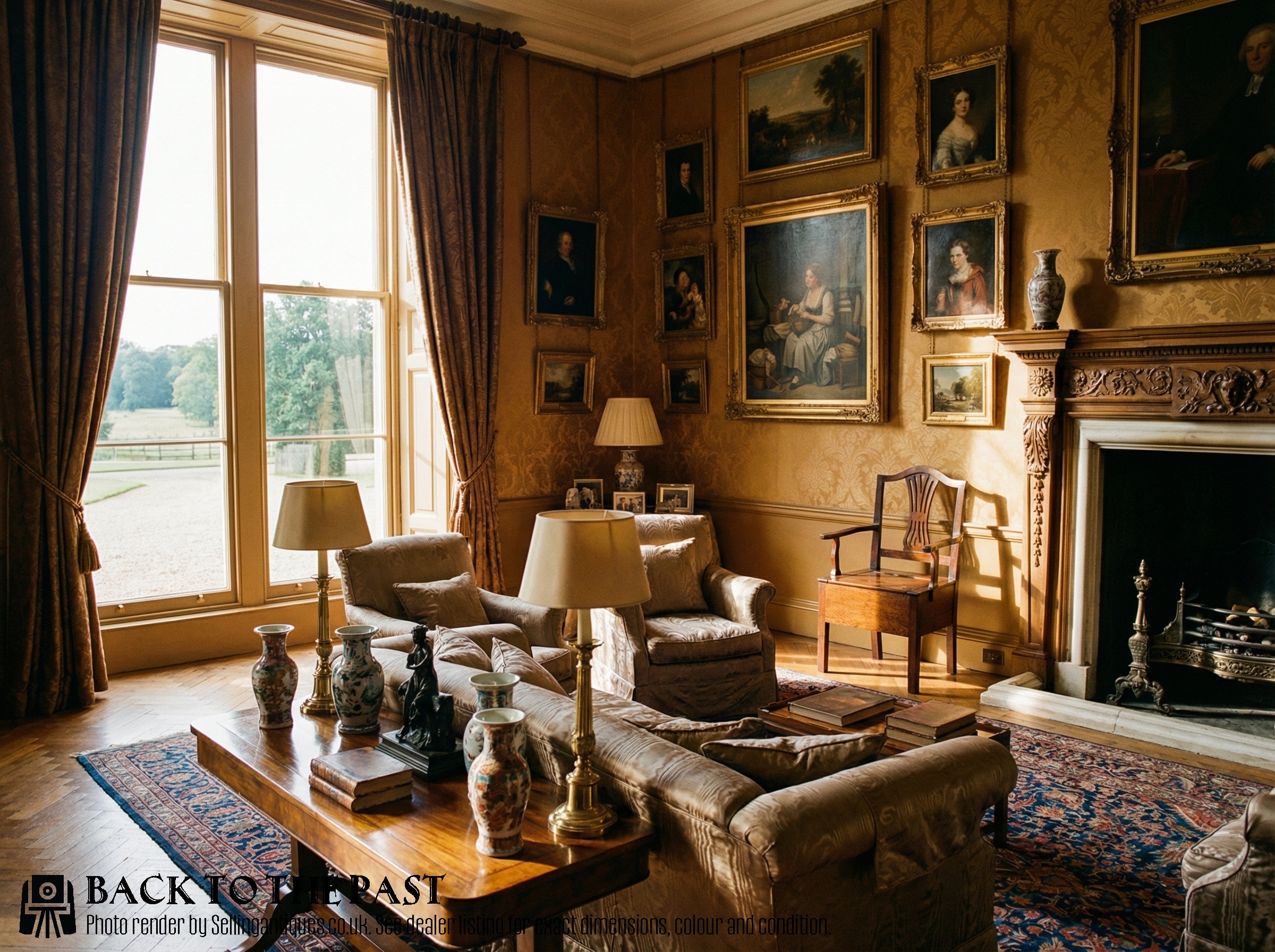
Defining the 18th century oak armchair
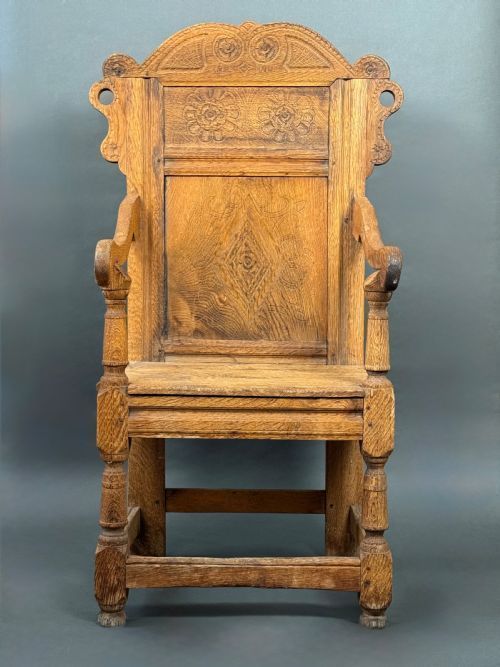
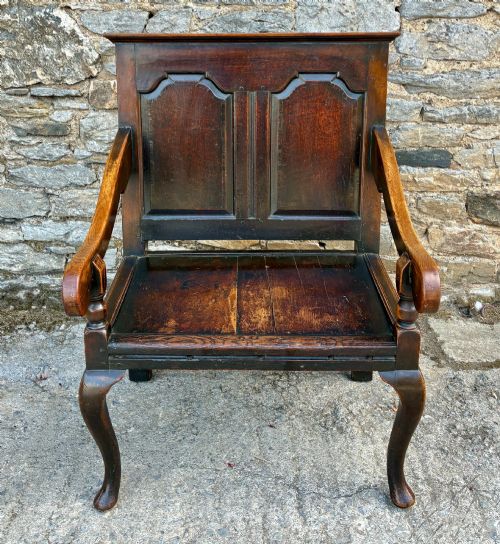
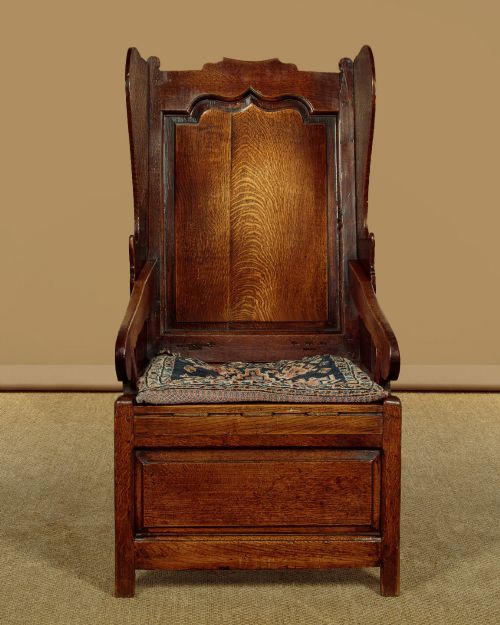
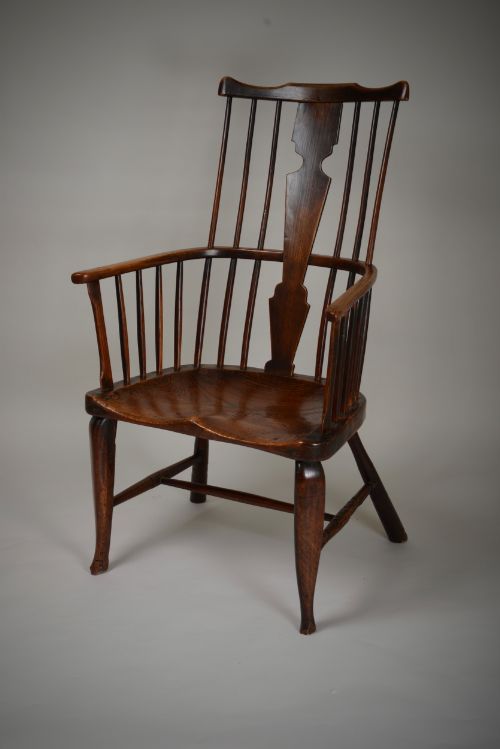
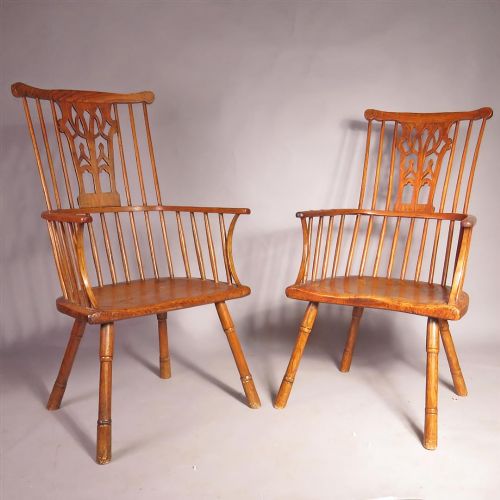
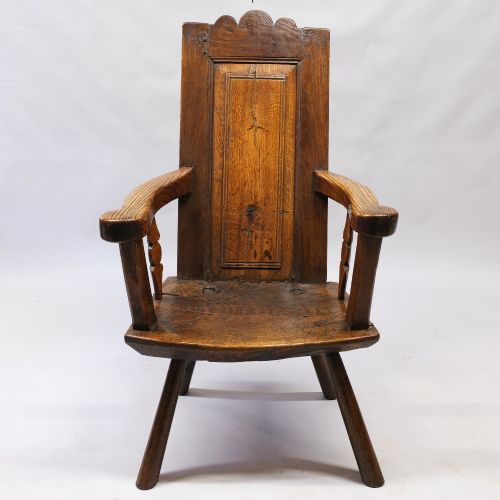
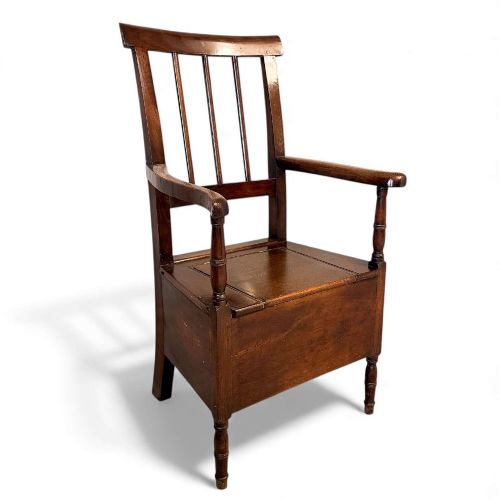
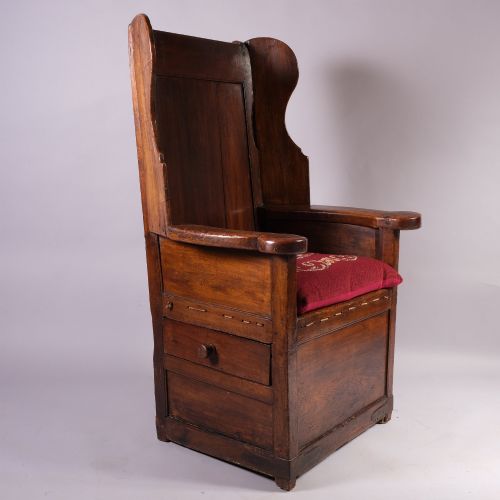
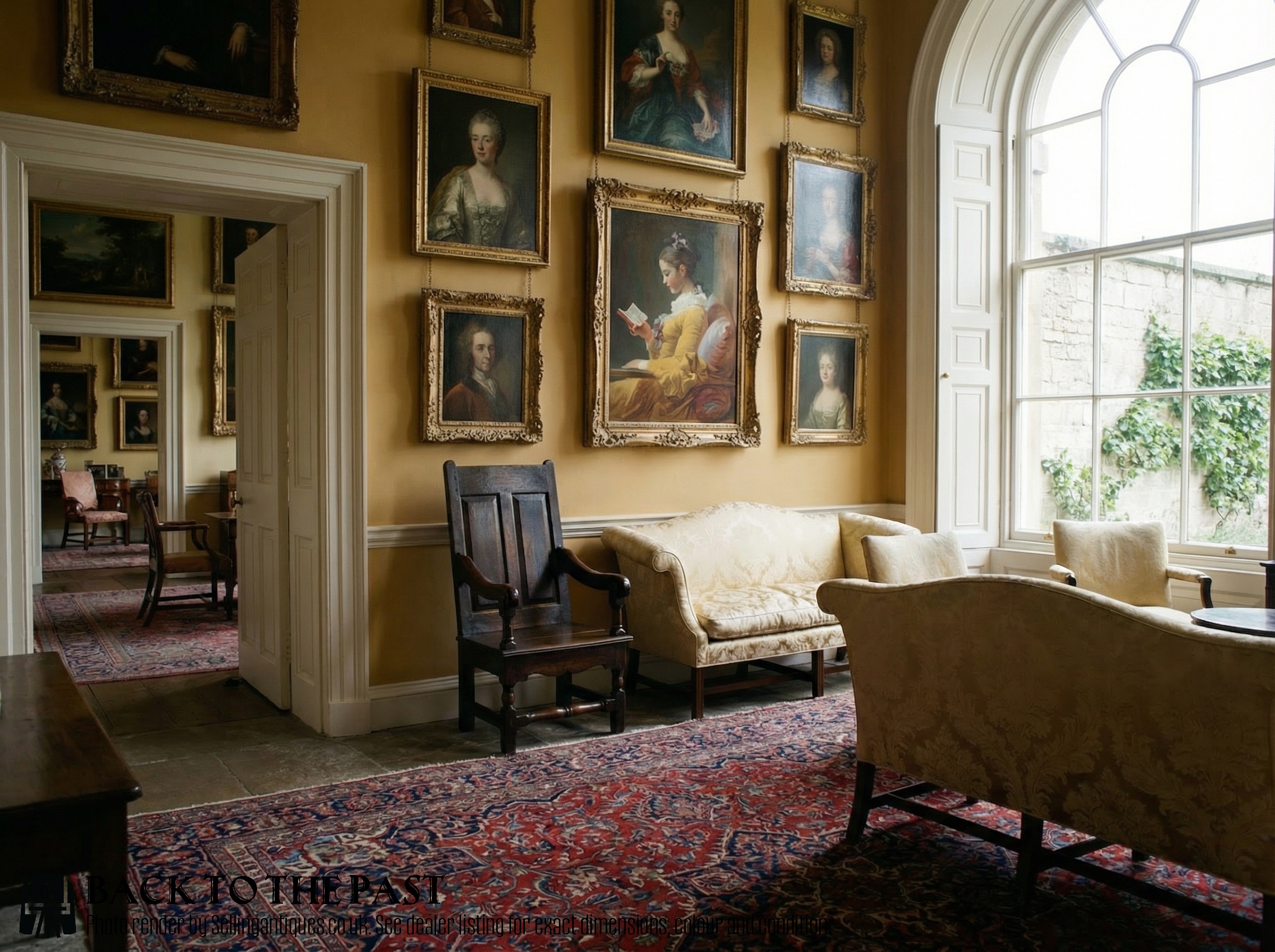
When you search for an 18th century oak armchair, you look at robust seating created during the Georgian era using native hardwood timber. These pieces range from substantial wainscot panelled examples to regional stick back, commode, and low back Windsor forms.
English and Welsh vernacular traditions dominate the selection, with specific regional designations such as Westmorland, Lakeland, and Carmarthenshire appearing across the inventory. Makers built these chairs for daily domestic utility, employing heavy frames and sturdy joints that survive centuries of use.
You are most likely to encounter country armchairs with shaped backs, rush seats, or carved details that reflect local cabinet-making customs. The overarching character remains grounded in heavy timber construction and unpretentious domestic design.
Materials and construction methods
Joinery forms the backbone of these pieces, relying on pegged mortise and tenon joints to secure the heavy frames without metal screws. Carpenters selected solid oak for its durability and abundant local supply, occasionally combining it with secondary woods like elm, ash, and alder in regional stick back and Windsor variants.
Surfaces developed their deep tone naturally through decades of handling, polishing, and wax application, while some examples received hand-carved ornamentation along the crest rails and panelled backs. Rush seating materials provided a sturdy base for domestic use, complemented by occasional upholstery in fabric or tapestry.
Retail Price Guide 2026
Typical UK retail prices for 18th century oak armchair, calculated from the Sellingantiques database of over a million retail prices indexed since 2003. This retail price guide relies exclusively on Sellingantiques data; no external sources or auction records are used, so the figures do not describe the wider market.
Some chairs doubled as commodes, proving that even 18th-century ancestors valued multipurpose furniture.
Distinctions in quality and survival
The degree of original surface preservation and timber colour dictates the visual appeal of an individual chair, separating pieces with undisturbed patination from those stripped or overly restored. Strong regional characteristics and documented provenance add distinct historical weight to specific Welsh and English country examples.
Structural integrity depends on the survival of early joints and timber thickness, particularly in heavy wainscot panels and stick backs where replacement parts diminish authenticity. Proportion and the crispness of regional carving further separate standard utility seating from superior vernacular craftsmanship.
The 18th Century Oak Armchair Glossary
- Wainscot armchair
- A heavy, solid wooden chair featuring a panelled back and panelled seat base, typical of early domestic seating before upholstered furniture dominated.
- Vernacular
- Objects designed by local tradesmen for practical domestic use rather than following strict high-style metropolitan fashions, often displaying strong regional traits.
- Splats
- The central vertical wooden strip within a chair back, which can take shaped or vase forms in country examples.
- Patination
- The gradual surface change and lustrous sheen developed on wood over centuries through handling, ageing, and waxing.
- Commode chair
- An enclosed chair housing a concealed chamber pot beneath a removable seat, designed for discrete bedside or parlour utility.
Frequently Asked Questions
How do I care for an oak armchair?
Keep the timber away from direct heat sources and sudden humidity shifts to prevent wood splitting.
Apply a microcrystalline wax occasionally to nourish the surface and maintain the natural lustre.
What is a wainscot chair?
A wainscot chair is an early form constructed with heavy wooden panels, particularly along the back and arms.
This robust joinery method preceded lighter framed chairs and provided solid draft protection in large rooms.
Where were regional chairs made?
Makers constructed these regional pieces across rural English counties and Welsh districts using locally felled timber.
Specific regional designs include stick backs from Wales and vernacular low backs from northern districts like Westmorland.
Are these chairs comfortable for daily use?
Most pieces offer an upright wooden seat designed for utility rather than modern cushioned lounging.
Adding a loose pad or cushion helps adapt the firm timber base for contemporary seating comfort.