



18th Century Military Portrait
An 18th century military portrait captures officers and soldiers in uniform, offering buyers a direct connection to the martial history of the period.
18th Century Military Portrait
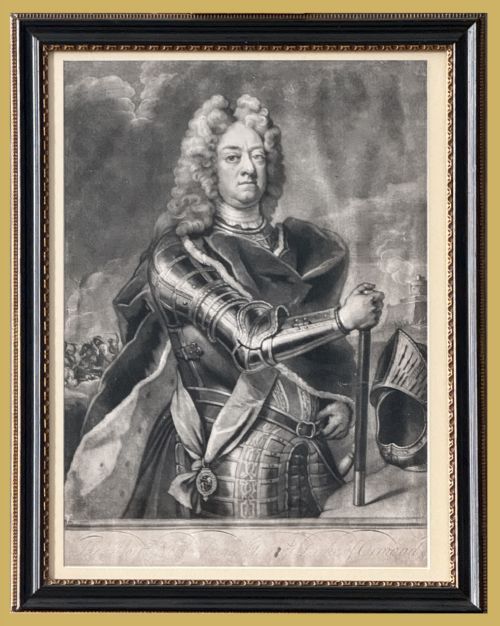
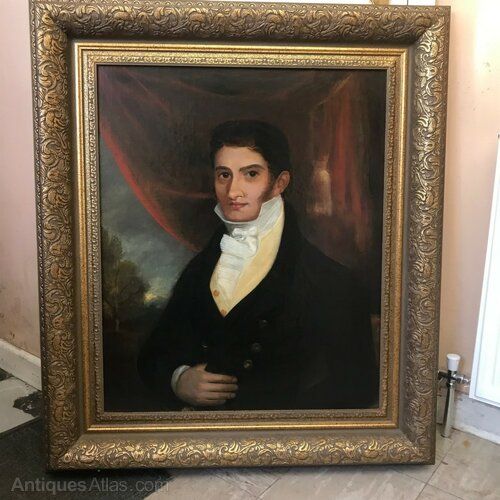
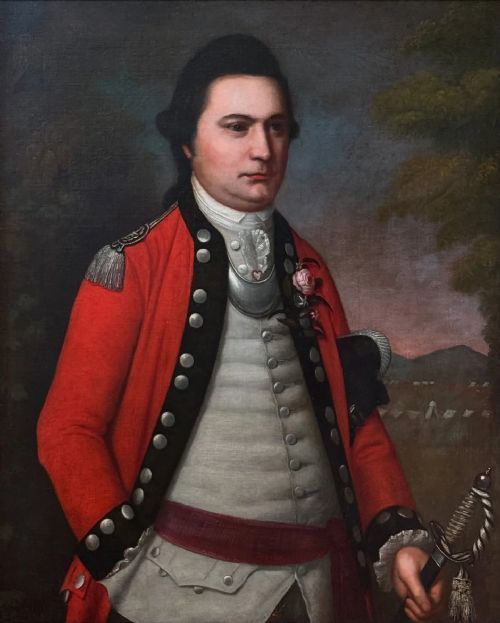
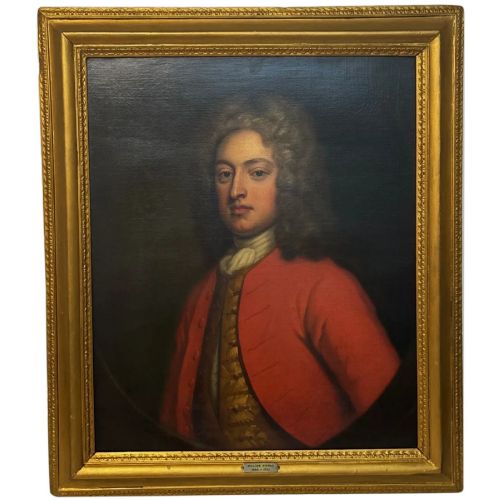
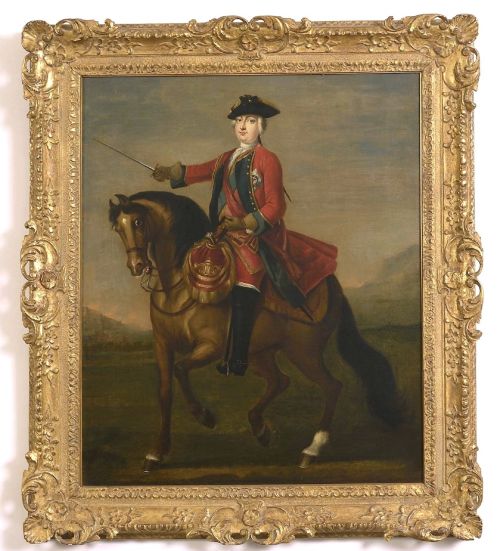
When searching for an 18th century military portrait, buyers encounter oil paintings, watercolours, mezzotint engravings, and portrait miniatures depicting commanders, captains, and infantrymen. These works range from grand canvases portraying generals in ornate uniforms to intimate miniatures on agate panels or paper.
The selections on this page span the 18th century into the Regency era, featuring British, French, German, and Russian subjects in military dress and armour. Army officers, naval commanders, and young bandsmen appear across the various mediums, reflecting the military hierarchy of the age.
Materials and Techniques
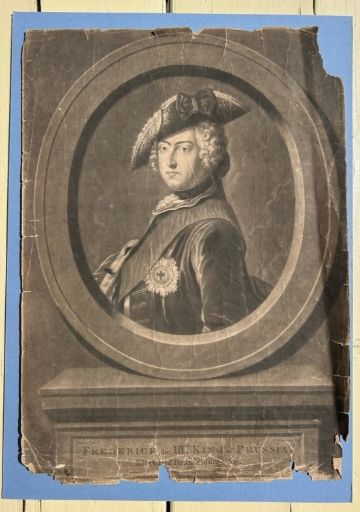
Artists of the period painted primarily with oil on canvas, capturing the fine details of scarlet coats, gold braid, and polished steel breastplates. Mezzotint engravings and paper prints allowed these military likenesses to be widely published and circulated during the era.
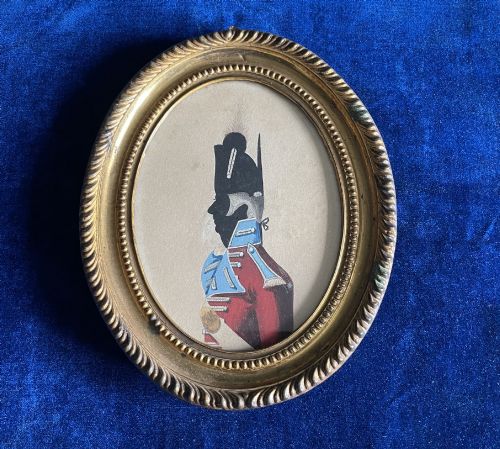
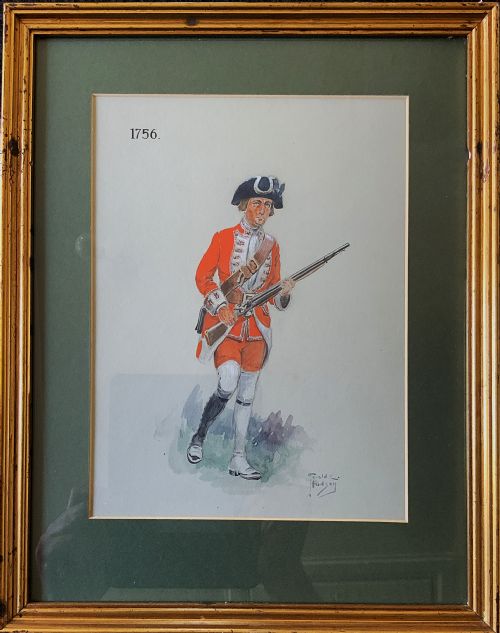
Miniature portraits were executed on specialist surfaces such as ivory, paper, and agate panels, often set within frames of giltwood or precious metals. Watercolour and wash were also utilised on paper for detailed studies of soldiers and uniform particulars.
A youthful bandsman holds a pair of cymbals proudly, wearing a busby hat that appears nearly as large as he is.
Variations in Quality
The skill of the hand defines the distinction between a routine commission and an exceptional work of art, particularly in the rendering of facial expression and the anatomy of the sitter. Master portraitists achieved a lifelike presence and psychological depth that lesser studio hands missed.
The preservation of the paint surface and the originality of the frame contribute significantly to the standing of a piece. Works retaining their undisturbed original oil layers and period giltwood settings command greater appreciation from collectors.
John Simon·John Smith·Stickland Lowry·Antoine Pesne·Sir Thomas Lawrence·Gerrit Schipper·Robert Ker Porter
The 18th Century Military Portrait Glossary
- Mezzotint
- A printmaking process of the copper engraving family, where the artist works from dark to light to achieve rich tonal gradations. This technique was frequently utilised to reproduce oil paintings of military officers.
- Portrait miniature
- A small, highly detailed painting executed on materials such as vellum, ivory, or agate, often designed to be worn or kept privately. These intimate works frequently depicted naval and army captains in uniform.
- Giltwood
- Wood carved and coated with gold leaf or gold paint, commonly used for period picture frames. The finish provides a warm, reflective border that complements oil paintings and miniatures.
- Armour
- Protective steel plates worn by officers in portraits, particularly during the earlier part of the century. Its depiction served as both a traditional artistic convention and a symbol of military station.
- Regency
- The period in British history spanning the early 19th century, associated with distinct shifts in military uniform and portraiture style. Works from this era often show tighter civilian tailoring or updated service dress.
18th Century Military Portrait: Frequently Asked Questions
What periods do these portraits cover?
The listings span the 18th century through the Regency era and into the early 19th century, capturing evolving military fashions and artistic styles.
Pieces occasionally date slightly outside these core brackets, reflecting the broader working spans of the artists involved.
How were these artworks created?
Artists used oil on canvas for large formal commissions, while others worked in watercolour, ink, and wash on paper.
Printmakers employed mezzotint engraving to disseminate likenesses of prominent commanders, and miniaturists painted on delicate panels of agate.
Who is usually depicted in these works?
Subjects include high-ranking generals, admirals, naval officers, infantry captains, and occasionally musicians such as young bandsmen and fifers.
Many sitters are identified by name and title, recording their specific service in British, continental, or imperial regiments.
How do I display an oil painting safely?
Oil paintings require stable indoor humidity away from direct sunlight and strong heat sources to prevent the canvas and pigment from degrading.
Allowing adequate wall space ensures proper air circulation around the wooden stretcher frames of larger canvases.
What is the difference between an oil and a miniature?
Oils are painted on stretched canvas or panels on a scale designed for prominent wall display in reception rooms.
Miniatures are executed on a tiny scale using fine brushes on specialised surfaces, intended for close inspection and personal possession.