

Canvas Military Oil Painting
A canvas military oil painting captures officers, regiments, and historical campaigns in pigment on stretched fabric.
Canvas Military Oil Painting
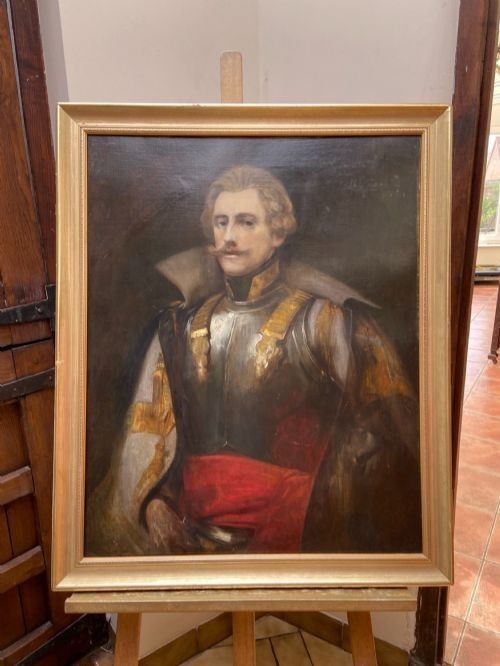
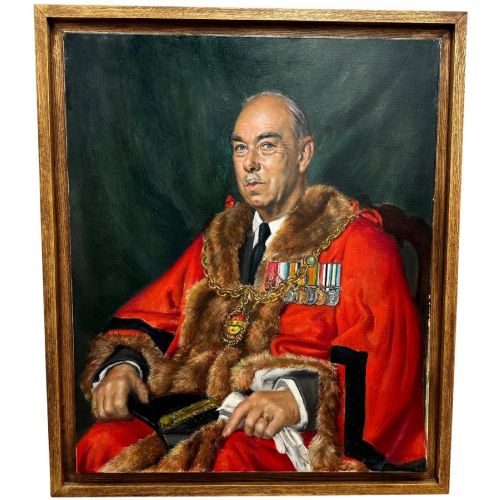
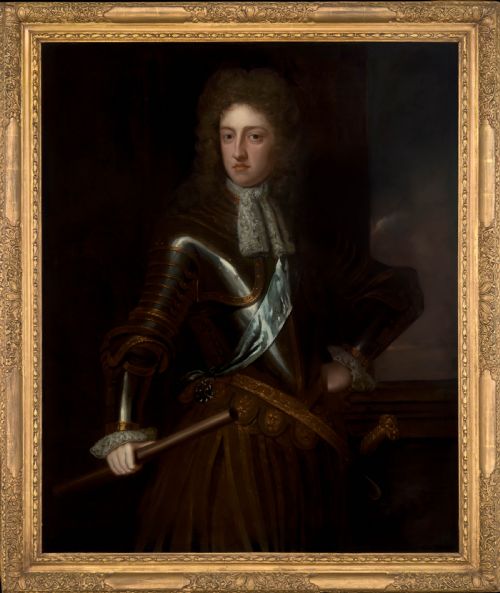
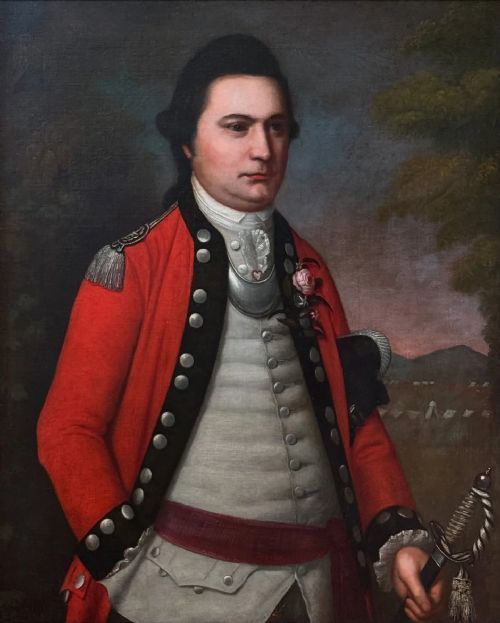
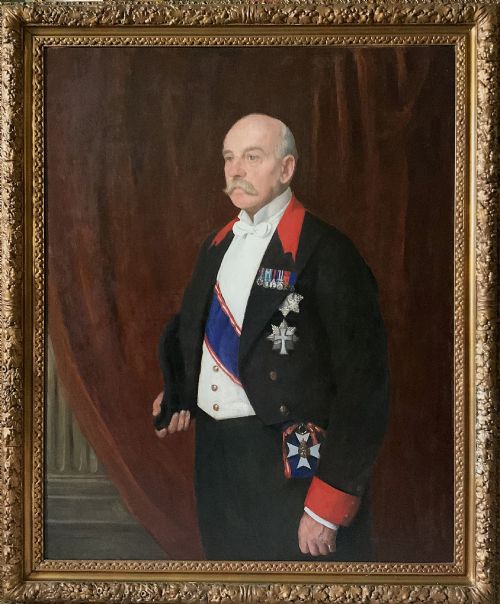
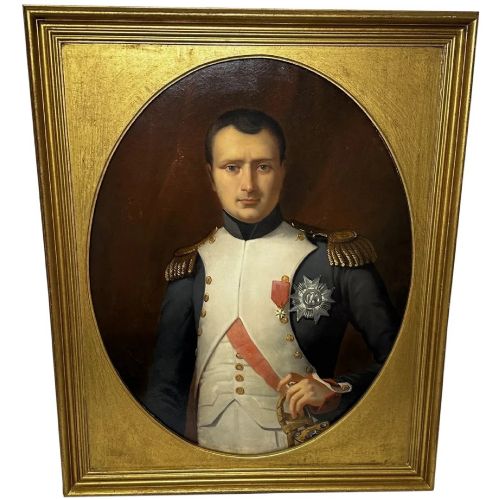
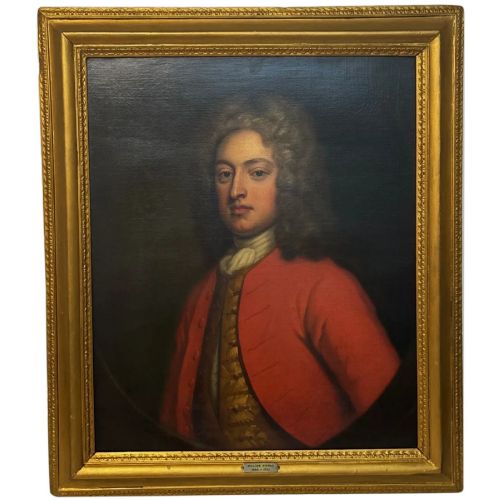
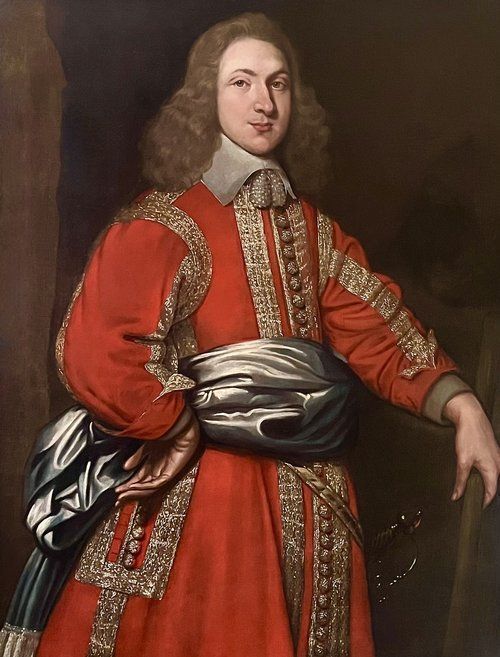
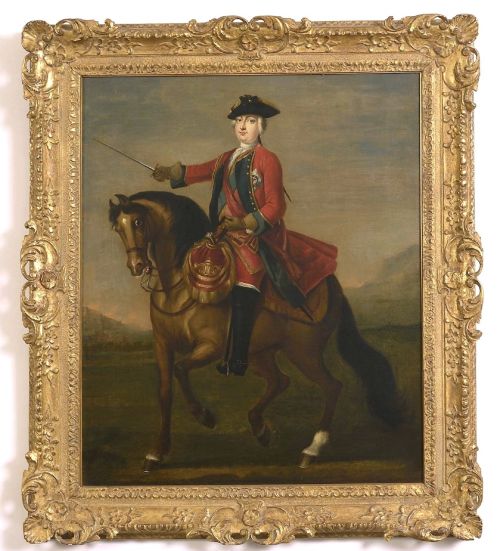
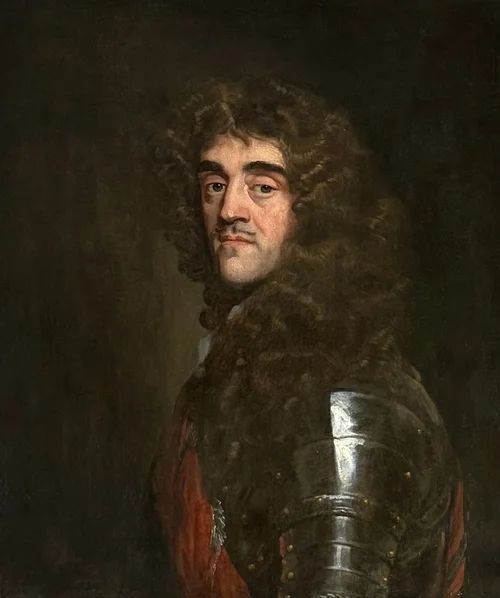
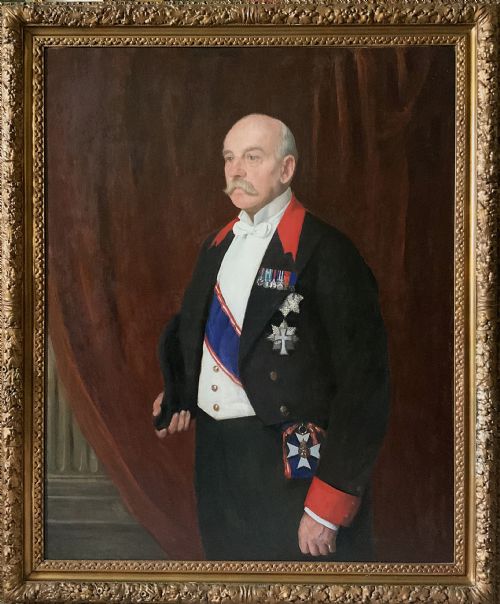
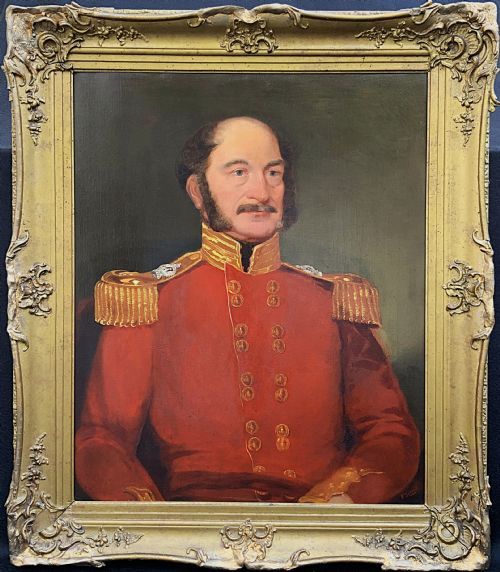
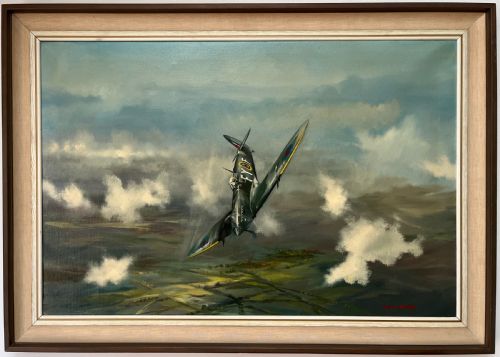
A canvas military oil painting depicts officers, generals, and soldiers across centuries of service, ranging from seventeenth-century cavaliers in armour to twentieth-century pilots. These works frequently record specific historical figures, such as naval captains, infantry colonels, and commanders involved in major conflicts.
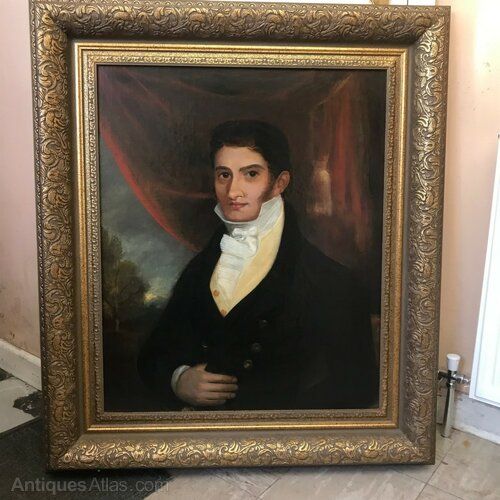
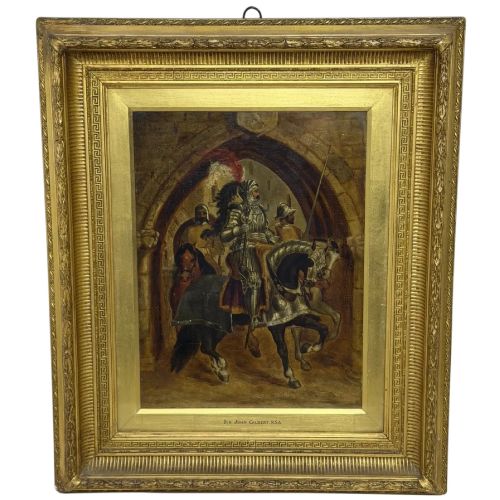
The selections available include formal portraiture and campaign scenes rendered in styles spanning baroque, nineteenth-century realism, and mid-century art. Buyers encountering this phrase will find depictions executed on stretched fabric support, often framed in giltwood or wood.
The subjects range from British and French military officers to aristocratic figures in red coats and ceremonial uniforms. Such works serve as historical records of military dress, regimental insignia, and portrait traditions.
Materials and construction
The primary technique relies on applying oil paint directly to a woven canvas support, allowing artists to build rich layers of colour and fine detail. Wood stretcher frames support the fabric, while many examples retain period giltwood frames finished with gold leaf.
Pigments combined with drying oils provide the medium for capturing the texture of velvet facings, metal armour, and gold braid on uniforms. This combination of oil on canvas ensures durability and depth across centuries of preservation.
Listings feature oil on canvas works spanning from the seventeenth century to the mid-twentieth century, utilising wood and giltwood frames.
Factors that distinguish quality
The standard of a canvas military oil painting depends heavily on the skill of the brushwork in rendering facial likenesses, uniform details, and uniform textures such as lace or steel. Works originating from recognised studios or followers of established portrait painters display superior anatomical accuracy and composition.
Preservation of the original paint surface and canvas tension influences the standing of a piece, alongside the authenticity of the associated period frame. Stronger works convey the sitter's rank and character with confident handling rather than mechanical stiffness.
Sir Godfrey Kneller·Stickland Lowry·John Greenhill·Sir Anthony van Dyck·Dion Pears
The Canvas Military Oil Painting Glossary
- Canvas
- A heavy woven fabric used as a support surface for oil paintings. It is typically stretched tightly over a wooden frame before painting.
- Giltwood
- Wood that has been coated with a thin layer of gold leaf or gilt powder. Frames made in this material often accompany antique portraits.
- Cavalier
- A supporter of King Charles I during the English Civil War, frequently depicted in art wearing long hair, lace collars, and armour.
- Baroque
- An artistic style prevalent in the seventeenth and eighteenth centuries characterised by drama, deep shadow, and dynamic movement in portraiture.
- Realism
- An artistic movement focusing on the precise, unidealised depiction of subjects and everyday appearances without theatrical embellishment.
Canvas Military Oil Painting: Frequently Asked Questions
What periods do these paintings cover?
The works span from the seventeenth century through to the mid-twentieth century, capturing changing military uniforms and portrait styles over three hundred years.
Earlier examples often feature officers in plate armour, while later pieces record figures from the Napoleonic wars and twentieth-century conflicts.
How were military portraits identified historically?
Identifications rely on contemporary inscriptions, archival records, family provenance, and recognizable regimental uniforms or medals.
Sitter details are frequently noted on frame plaques or stretcher bars to preserve the subject's identity.
Where should I hang a large military portrait?
These substantial oil paintings require stable wall space away from direct sunlight and excessive humidity to protect the canvas and oil pigments.
Proper picture lighting helps reveal the fine details of red coats, medals, and gilt frames in domestic or office settings.
How do I distinguish studio work from an original master?
Studio pieces were produced under the direction or influence of a prominent master, utilising similar compositions and techniques by workshop assistants.
Examining brushwork confidence and canvas age helps determine whether a work is a primary creation or from the circle of an artist.