

18th Century Lamps
These 18th century lamps bring period character to a room through centuries-old materials and traditional forms.
18th Century Lamps
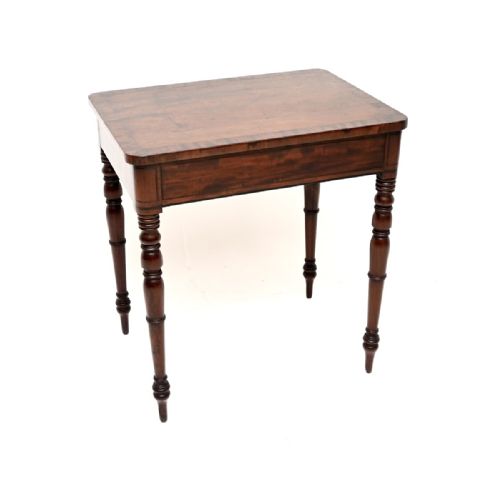
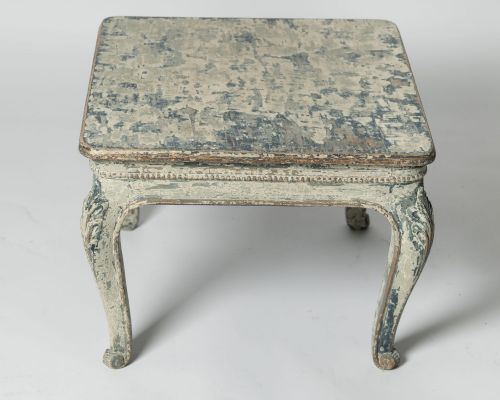
When you search for 18th century lamps, you encounter a varied selection of converted vessels and purpose-made timber stands. The evidence shows these pieces span periods from the Georgian era through to later adaptations, incorporating items such as vases, altars, and small tables.
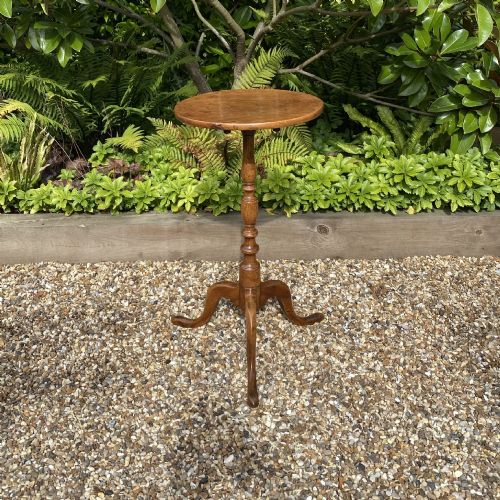
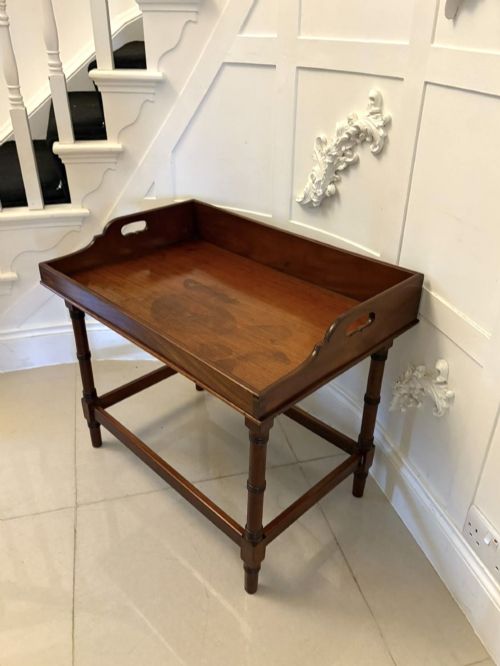
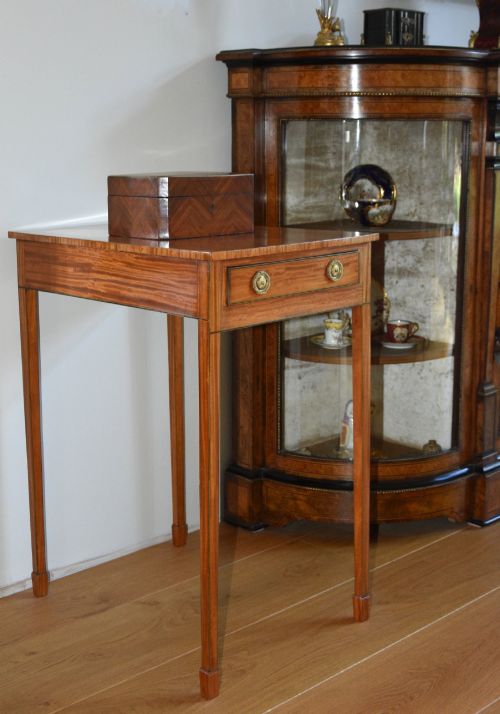
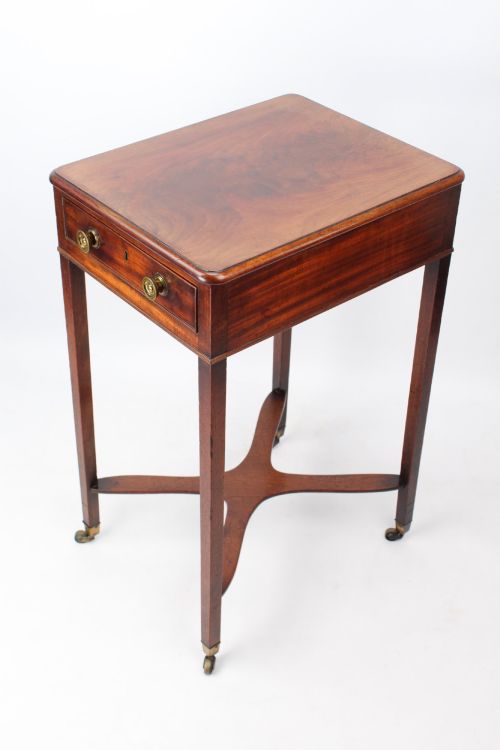
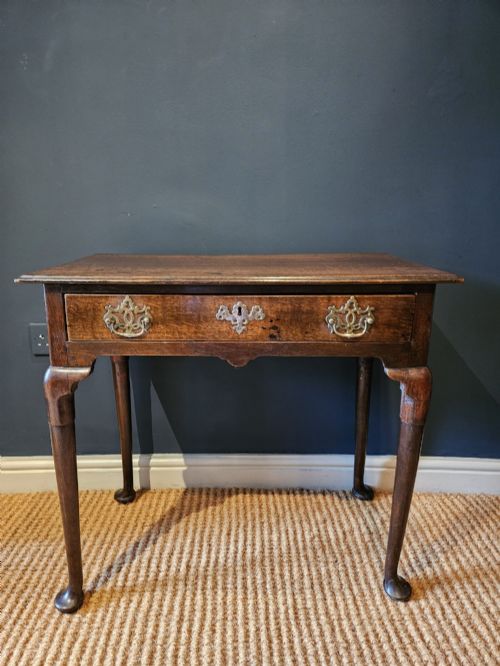
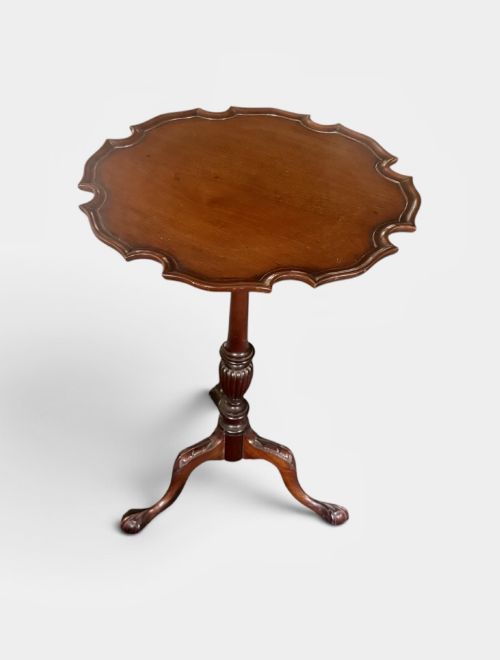
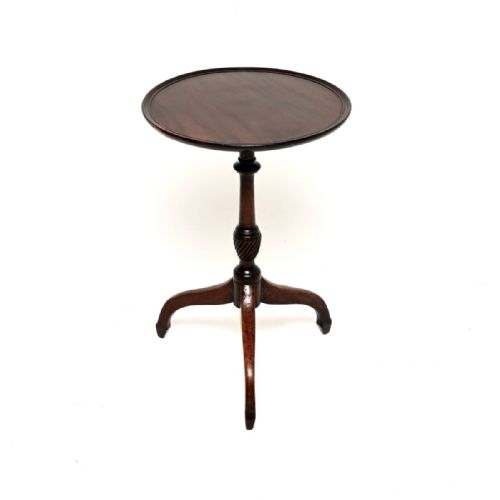
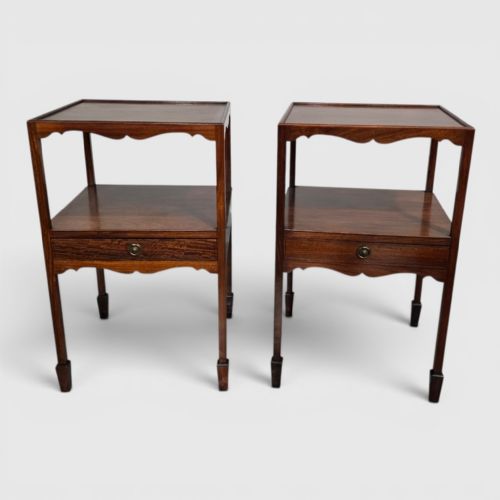
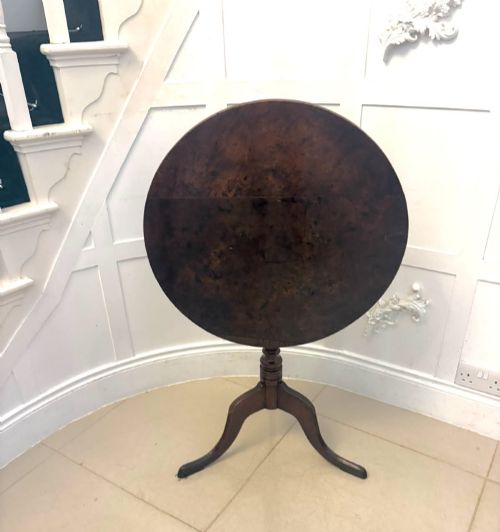
You are most likely to meet tripod tables, side tables, and occasional tables adapted or utilised for lighting, alongside ceramic vase lamps and baluster lamps. Oak and mahogany form the backbone of these pieces, alongside brass, bronze, and painted pine.
The inventory encompasses distinct styles including George III, George II, French Provincial, and English Country Vernacular. These encompass both utilitarian domestic furniture and decorative items brought into new service as lighting.
How they were made
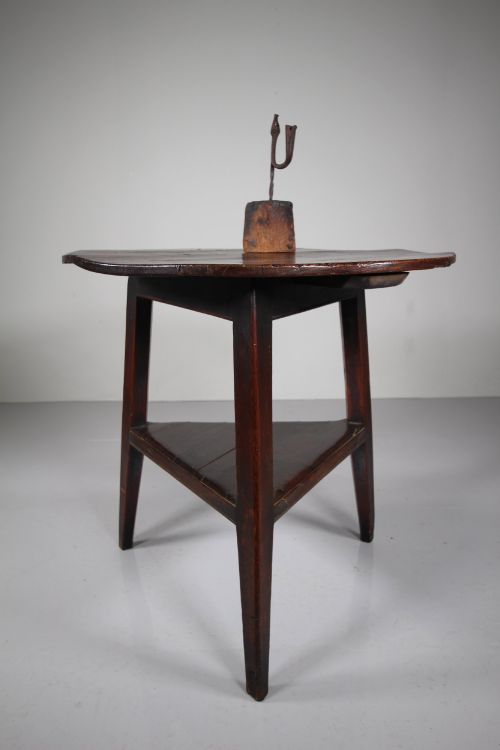
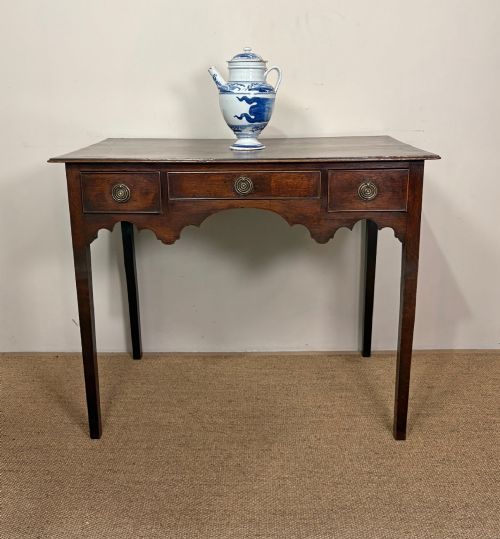
Cabinet makers and artisans worked primarily in timber such as mahogany, oak, satinwood, and walnut, employing traditional joinery methods for tables, lowboys, and stands. Turning, carving, and tripod construction dominate the structural approach.
Ceramic, stone, and bronze lamp bodies draw on period manufacturing techniques associated with vases, figures, and architectural elements. Many examples reflect the conversion of earlier vessels, mounting them as lamps with brass and metal components.
Sphinx lamp conversions stand ready to guard your writing desk.
What varies in quality
The grade of timber selection and the crispness of carved details set finer pieces apart from standard vernacular items. Figured mahogany, burr oak, and satinwood demonstrate superior cabinet-making ambition compared to plain structural pine and basic oak.
Proportion, stability of tripod bases, and the fidelity of period conversions influence the standing of each piece. Original brass galleries, inlay work, and patination reflect the care given to the object over its lifetime.
The 18th Century Lamps Glossary
- Cricket table
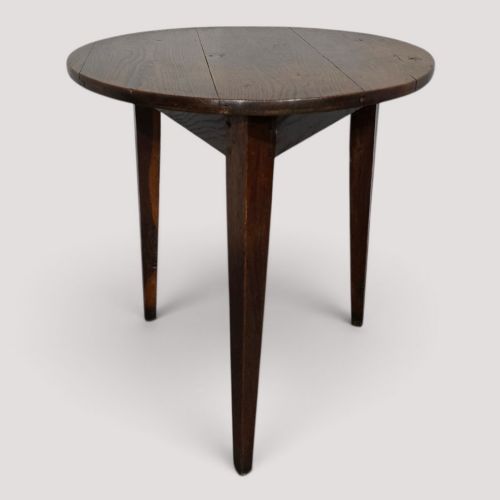
- A small, three-legged circular table with a wooden top, traditionally used in English country houses. These pieces often feature sturdy oak construction.
- Lowboy
- A small side table or dressing table with one or more drawers, raised on relatively tall legs. They are frequently found in oak or mahogany.
- Tripod table
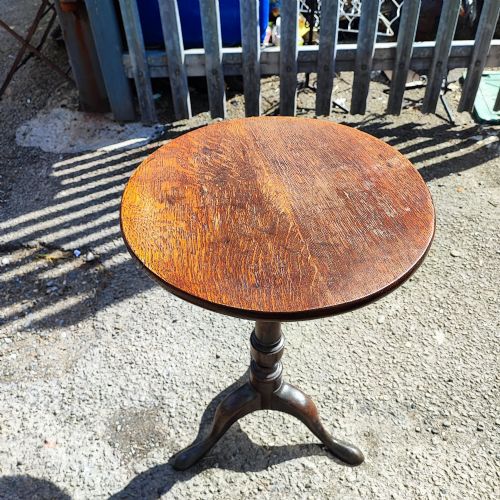
- A small occasional table supported by a central pillar above three spreading legs. They appear frequently with tilt-top mechanisms.
- Baluster
- A moulded column or shaft of square or circular section, commonly seen in wood or stone lamp bases. This form provides structural support and visual weight.
18th Century Lamps: Frequently Asked Questions
What is an 18th century lamp?
These pieces comprise period objects adapted for lighting, such as ceramic vases and stone balusters, alongside small timber tables used to hold lamps. They draw on Georgian and earlier craftsmanship.
The selection includes items converted from earlier vessels and furniture designed or adapted to serve as lighting in a room.
How do I use them in a room?
Place these items on side tables, occasional tables, or desks to introduce warm, directional lighting and period materials to an interior scheme. Their compact sizes suit corners and bedside use.
Pairing wooden lamp tables with existing furniture allows you to integrate functional lighting while retaining traditional vernacular and Georgian character.
Are these lamps original period pieces?
The listings include both original period items from the 18th century and later conversions or adaptations using antique elements. Materials span mahogany, oak, brass, and ceramic.
Examining the timber, construction methods, and conversion details helps identify the specific era and origin of each individual lamp or table.