
Rococo Table Lamps
These rococo table lamps bring exuberant nineteenth-century curves and gilt metalwork to a room.
Rococo Table Lamps
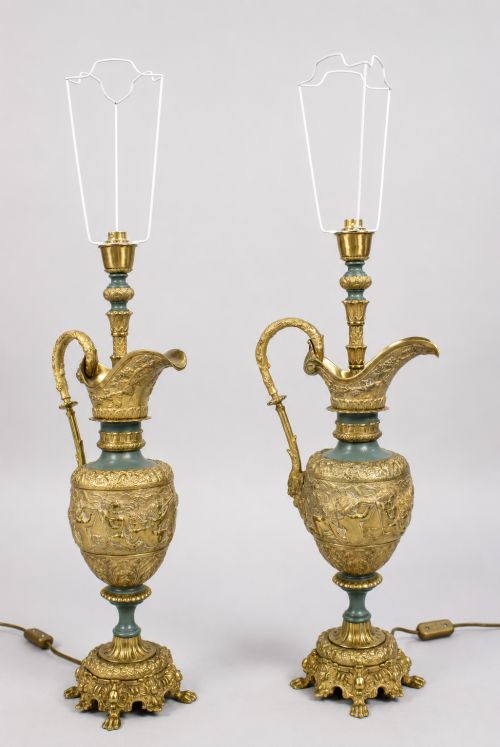
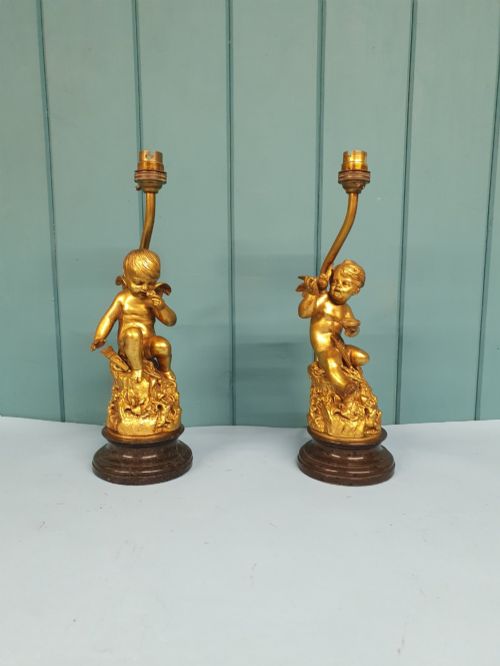
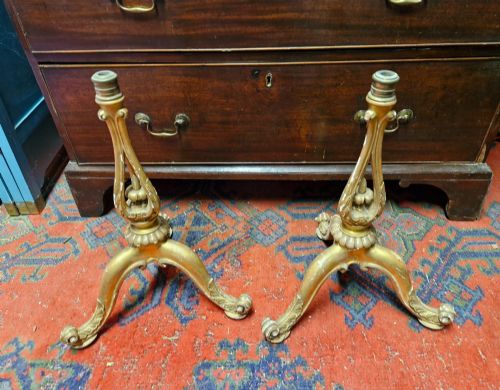
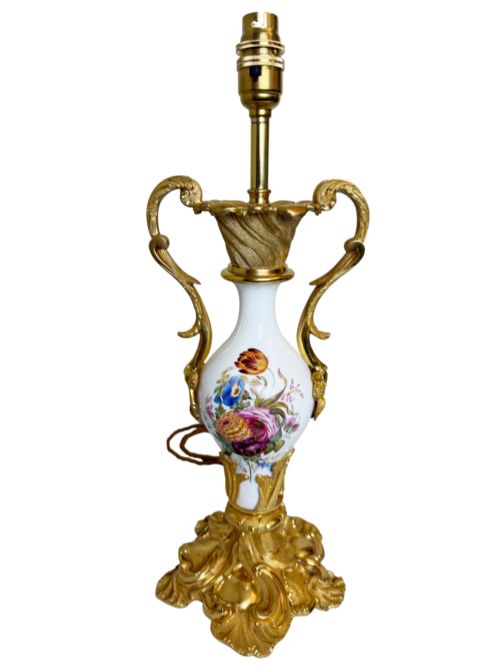
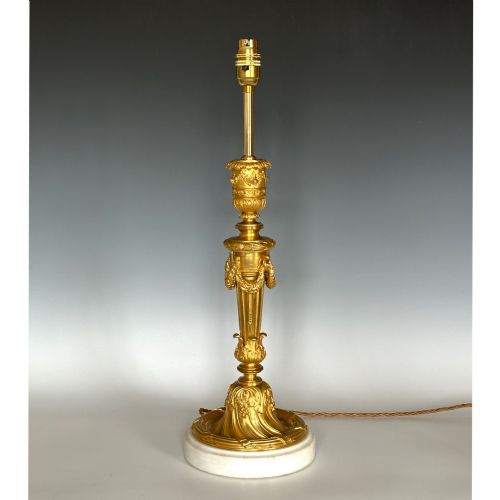
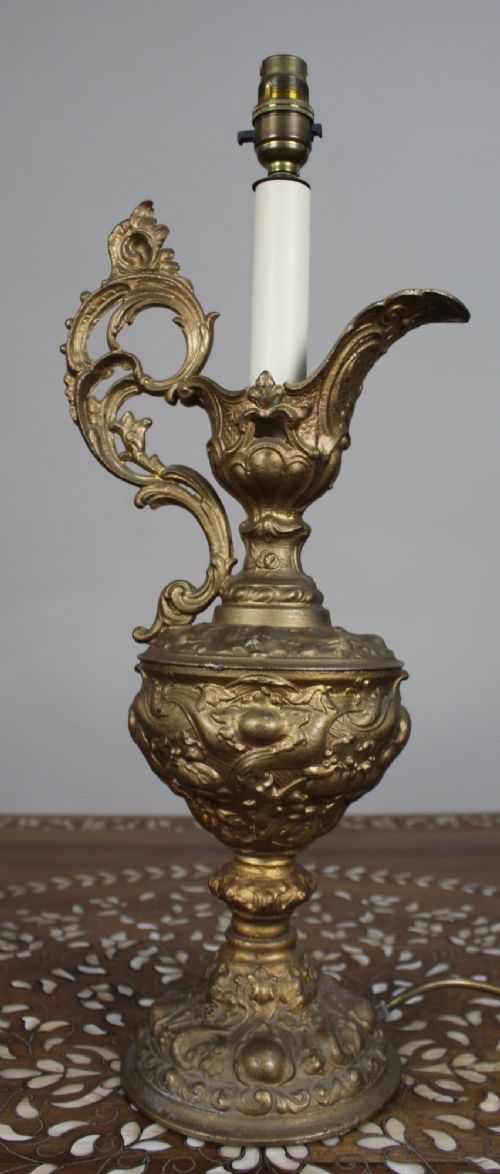
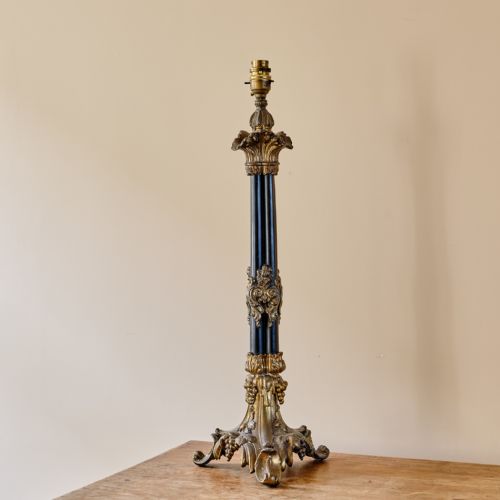
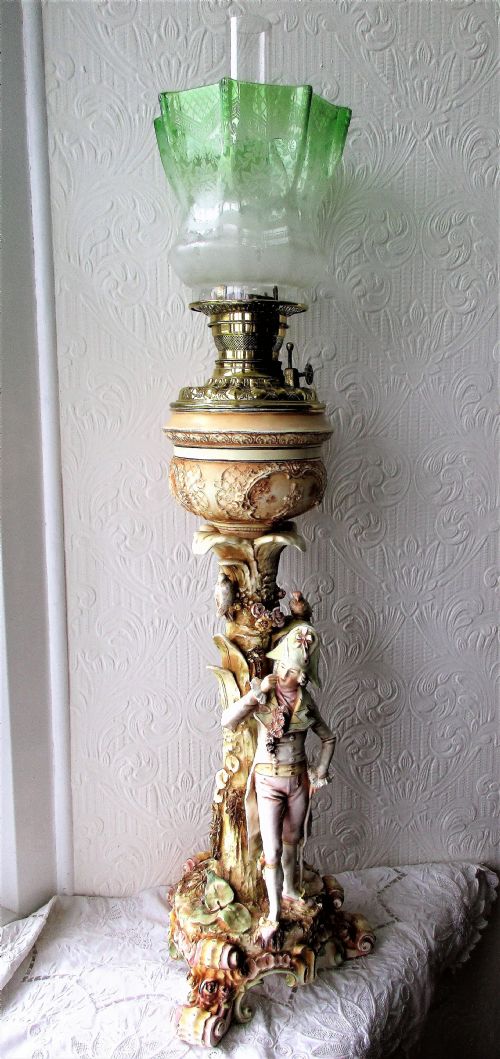
When you search for rococo table lamps, you encounter ornate lighting pieces rooted in nineteenth-century revivals of French Louis XV design. The forms on this page include cast brass and gilt bronze bases, figural ewer designs, and converted candelabra.
Many examples date from the Victorian era up through the nineteen-twenties, often originating from French workshops. Alongside dedicated lamp bases, you find converted oil lamps and candlesticks adapted for modern electrical wiring.
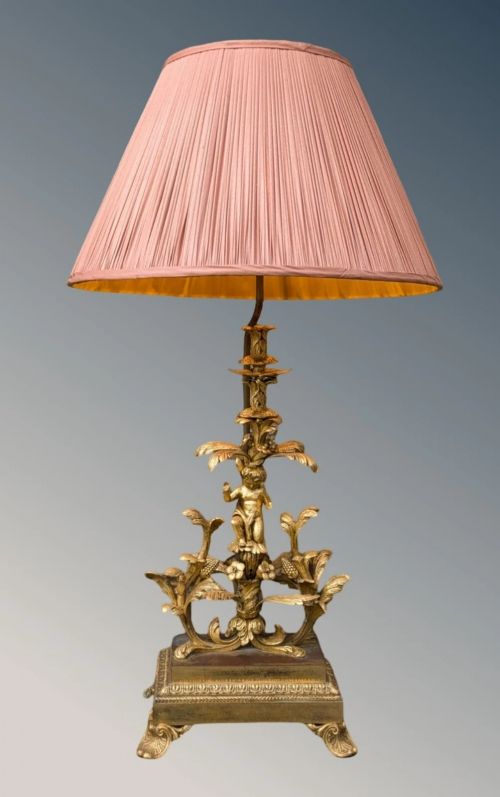
Pairs appear frequently among the listings, alongside single monumental pieces designed to anchor a sideboard or desk. The overarching aesthetic relies on asymmetrical scrolls, floral motifs, and cherubic figures.
Materials and Construction
Foundry work dominates these pieces, utilising cast brass, ormolu, and gilt bronze to achieve deep relief and intricate surface detail. Ormolu mounts receive meticulous chasing after casting to sharpen the scrolling acanthus leaves and shell motifs.
Combinations of materials often include white marble bases, crystal drops, and porcelain figures integrated into the metal armature. Secondary elements incorporate turned timber or alabaster mounts depending on the specific nineteenth or early twentieth-century period of manufacture.
Listings span the nineteenth century through the nineteen-thirties, featuring brass, ormolu, marble, and porcelain.
Assessing Quality and Execution
The distinction between standard production and top-tier execution lies in the crispness of the chasing on the gilt surfaces. Superior bronze and ormolu castings retain sharp undercuts and varied surface textures rather than a flat, uniform polish.
Weight and structural integrity also separate the grades, as finer pieces employ heavier gauge metal and more complex multi-part construction. The subtlety of the gilding, whether gold leaf or mercury gilt, dictates how the metal catches the light over time.
François Linke
The Rococo Table Lamps Glossary
- Ormolu
- Gilded bronze, where finely ground gold is amalgamated with mercury and applied to a bronze base. This technique creates a rich, durable golden surface characteristic of fine French decorative arts.
- Rococo Revival
- A nineteenth-century design movement that reinterpreted the asymmetrical curves, C-scrolls, and naturalistic motifs of the mid-eighteenth-century French court. It remains the defining style for these ornate lamps.
- Ewer
- A large jug with a wide spout and handled body, historically used for water. In lamp form, the ewer body serves as the central decorative column for the electrical fittings.
- Candelabra
- A branched candlestick holding multiple lights. Many examples from this era were later adapted into table lamps by running electrical cord through the central stem.
Rococo Table Lamps: Frequently Asked Questions
How do I wire an antique lamp?
Most antique lamps require a modern rewiring to meet current safety standards while preserving the original exterior hardware. A qualified electrician can thread modern flex through the historical stem without altering the visible brass or bronze components.
It is best to retain the original lampholder if it matches the period, pairing it with contemporary internal wiring and a suitable earth connection where applicable.
Are these lamps French or English?
The majority of pieces matching this search originate from France or follow French design idioms closely. French makers dominated the production of ornate ormolu and cast brass lighting during the nineteenth century.
English interpretations also exist in the records, often adopting the same Louis XV revival vocabulary but utilising slightly heavier domestic brass castings.
What shades suit these bases?
Silk, damask, or pleated fabric shades in neutral or subdued tones balance the reflective quality of gilt bronze and ormolu. The scale of the shade should complement the substantial volume of the metal base without overwhelming the figural details.
Historic pairing often favoured fringed or Victorian-style silk shades that soften the upward glare of the bulbs.
How do I date a brass lamp?
Dating relies on examining the construction methods of the metalwork, such as the use of threaded rods, cast assembly marks, and the wear patterns on the gilding. Nineteenth-century examples typically show heavier hand-chasing and distinct patination compared to later reproductions.
Associated components like switches, plugs, and felt undersides provide additional clues regarding subsequent updates over the decades.