




18th Century Imari Porcelain
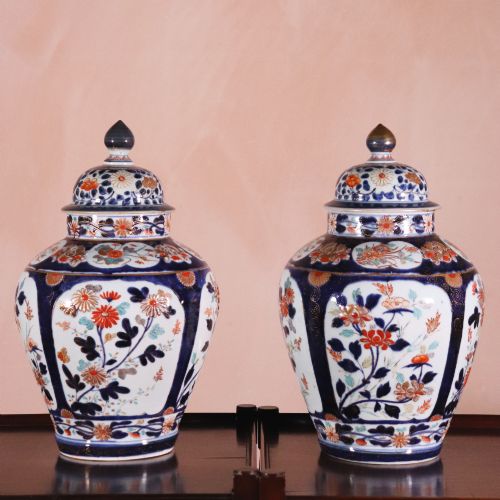
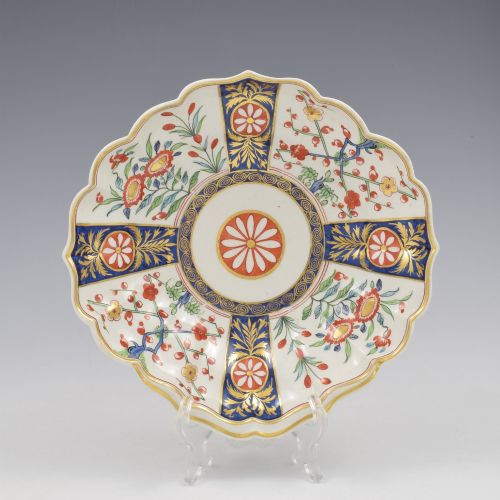
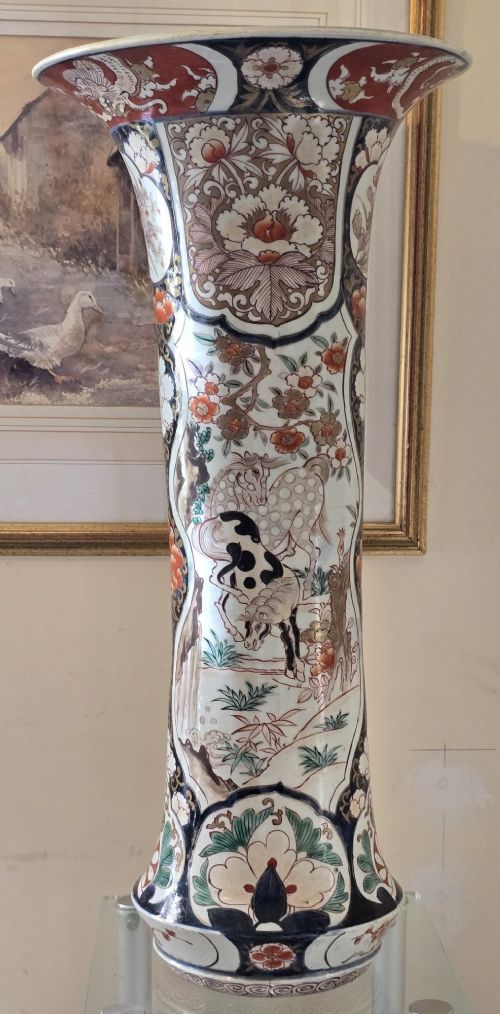
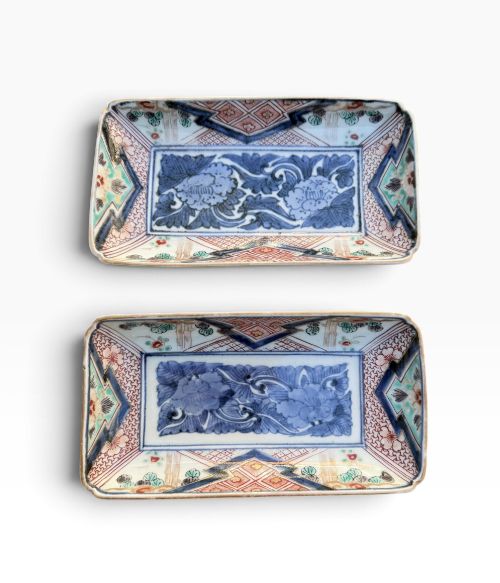
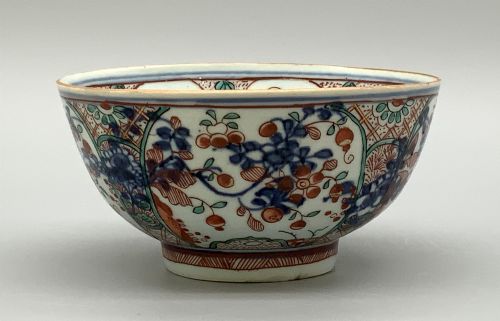
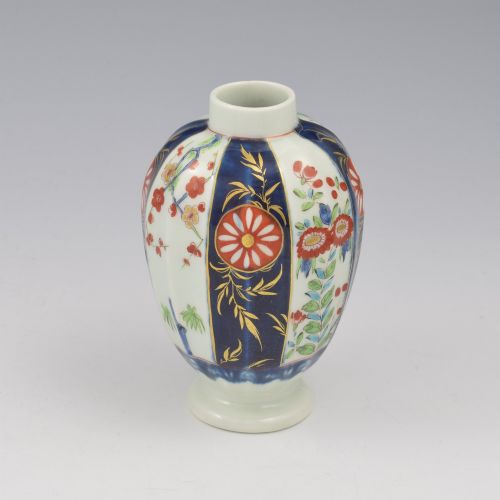
18th century imari porcelain brings together vibrant cobalt blue, iron red and gold across bowls, plates and vases made in Japan and China.
18th Century Imari Porcelain
18th century imari porcelain covers tableware and decorative items created in Japan, particularly Arita, and in China for export during the Georgian era and Qing dynasty. Buyers find forms ranging from large chargers and deep bowls to tea canisters, shaving bowls and lidded vases.
The aesthetic bridges Eastern kiln traditions and European tastes, often employing rich cobalt blue underglaze combined with iron red and gold leaf overglaze. Japanese Edo period pieces sit alongside Chinese export equivalents in this category.
How they were made
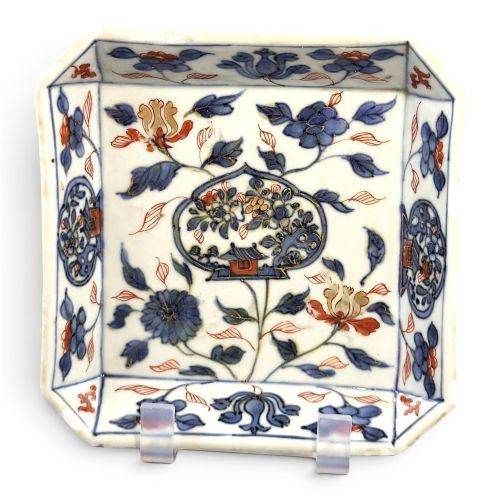
Potters shaped the ceramic body from porcelain clay, sometimes moulding pieces in shallow relief or chamfering square profiles before applying cobalt blue pigments under the glaze. Once fired, artisans added iron red enamel and gold leaf details in intricate floral or foliate patterns.
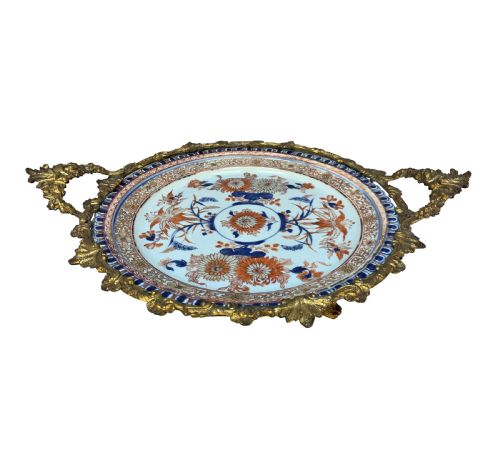
Certain pieces received European additions such as brass or ormolu mounts to suit continental interiors. Workshops also utilised soft-paste porcelain in domestic adaptations like early Derby wares.
18th Century Imari Porcelain Retail Price Guide 2026
Typical asking prices for 18th century imari porcelain among the pieces listed under this phrase on Sellingantiques today, from the lower quarter to the upper quarter. They describe what is for sale here now, not the wider market.
Several plates shaped like cranes let birds permanently wade through your sideboard.
What varies in quality
Quality rests on the crispness of the underglaze blue and the preservation of the overglaze enamel and gold leaf details. Pieces with dense, balanced composition and fine brushwork in the Imari palette command stronger interest.
The presence of secondary materials like ormolu mounts or unusual forms such as crane-shaped dishes or tankards elevates a piece above standard domestic plates and bowls.
The 18th Century Imari Porcelain Glossary
- Imari
- A style of ceramic decoration originating in Japan, defined by a palette of cobalt blue, iron red and gold. It was widely exported to Europe during the 17th and 18th centuries.
- Arita
- The Japanese town and surrounding region where kilns produced the bulk of Japanese export porcelain. Arita wares form the backbone of early Imari collections.
- Kangxi
- A Qing dynasty Chinese emperor whose reign saw prolific porcelain production and export. Kangxi period pieces often show exceptionally vibrant blue and white designs with gilt highlights.
- Ormolu
- Gilt-bronze mounts applied to porcelain in Europe, particularly France. These decorative metal additions transformed imported bowls and plates into grand furnishing objects.
- Tea canister
- A small vessel used for storing loose tea leaves before brewing. These containers frequently featured tight lids and careful decorative painting.
18th Century Imari Porcelain: Frequently Asked Questions
Were these pieces made in Japan or China?
Both regions produced this style during the period. Japanese pieces typically originated in Arita during the Edo period, while Chinese examples were created for export during the Qing dynasty, including the Kangxi and Qianlong reigns.
Stylistic cues and paste characteristics help distinguish the origin of individual bowls, plates and vases.
Can I use these plates for daily dining?
These ceramics are antique collector pieces rather than modern dinnerware. Regular use risks damaging the hand-painted iron red and gold overglaze decorations.
Display them in cabinets, on walls using secure hangers, or utilise them as decorative table centerpieces.
What is Chinese export porcelain?
Chinese export porcelain refers to wares manufactured in China specifically for overseas markets in Europe and the West. These items combined traditional Chinese potting techniques with shapes and motifs requested by foreign buyers.
Imari patterns were among the popular decorative schemes commissioned for Western dining rooms.