



18th Century Glass Bottle
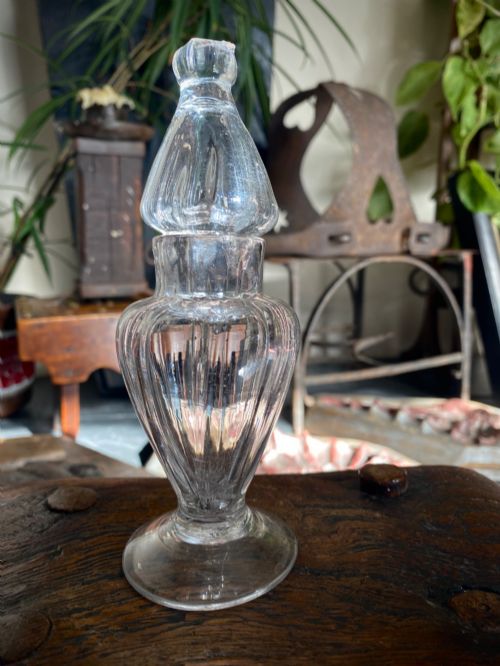
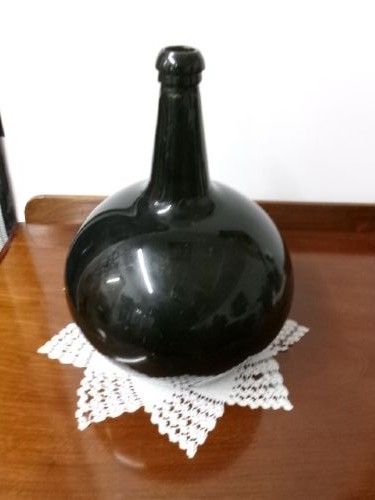
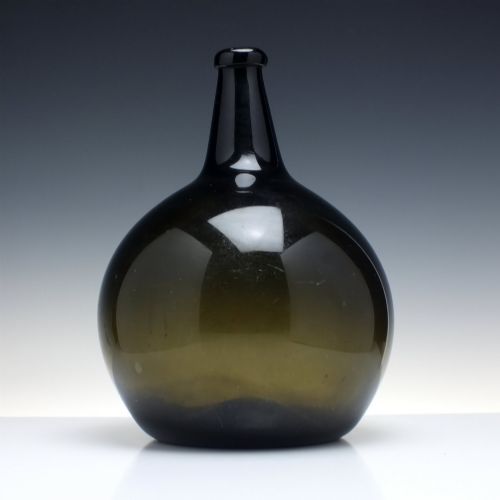
An 18th century glass bottle brings tangible Georgian history to a room through deep metal, heavy lead, and hand-blown forms.
18th Century Glass Bottle
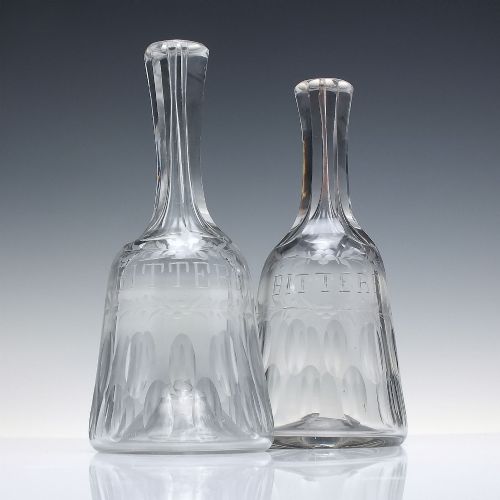
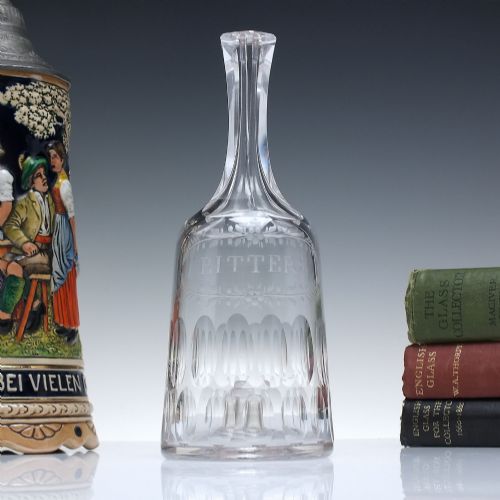
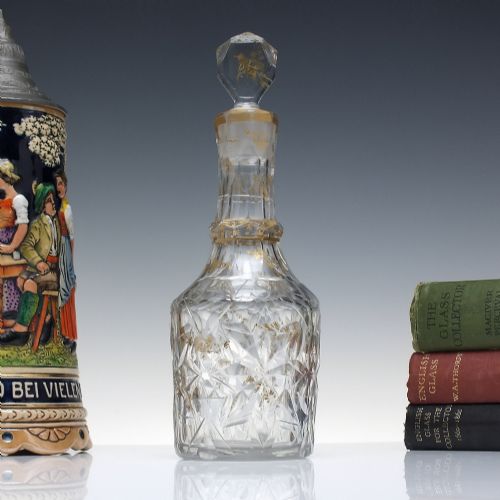
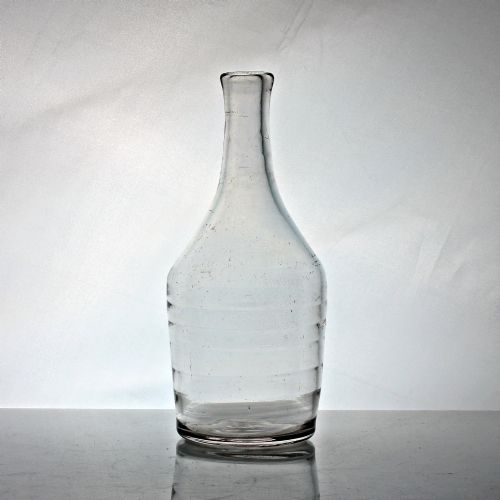
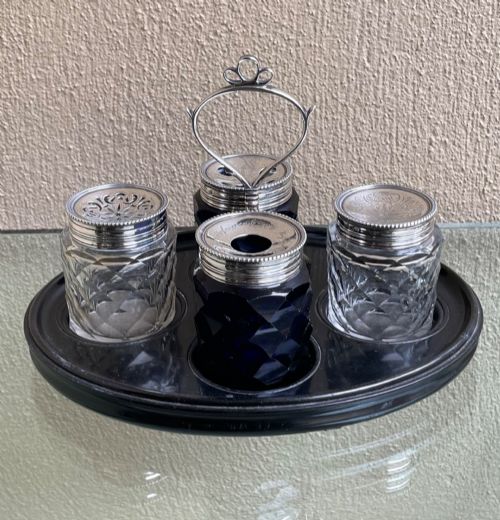
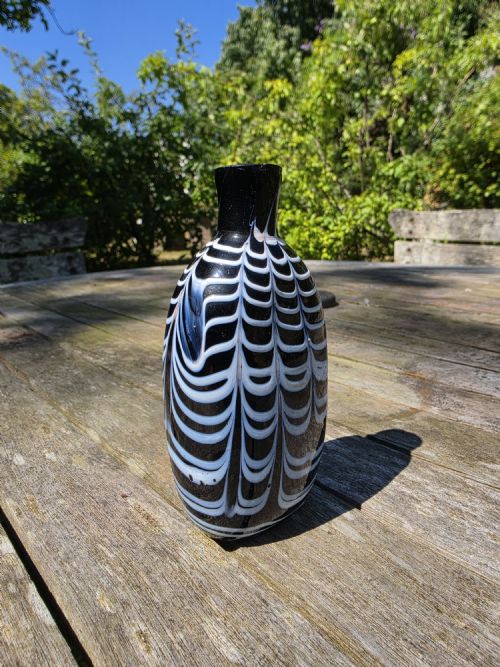
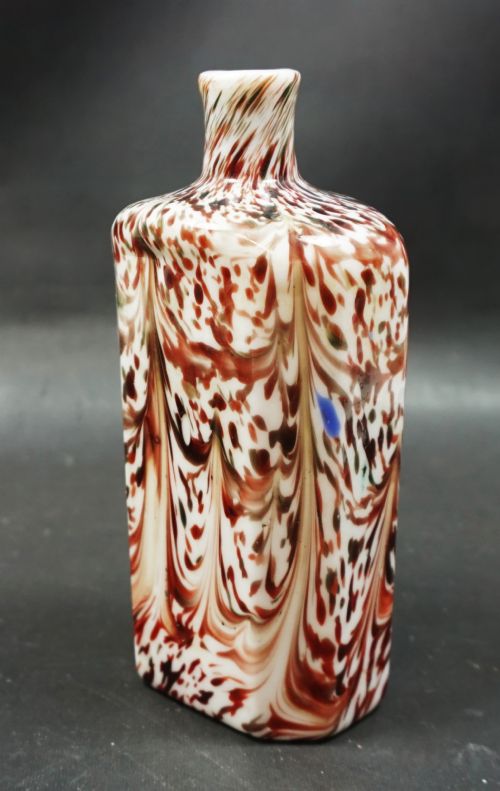
The selections span distinct forms including three-ring carafes, sugarloaf beer decanters, and tall wine vessels alongside fitted cruet sets housed in mahogany or ebonised stands. Continental pieces also appear, bringing polychrome enamel decoration and white opaline or milk glass surfaces to the table.
Origins stretch across English glasshouses, Scottish works like Alloa, and Continental centres in Bohemia, Germany, and Switzerland. Many surviving examples carry specific labels, engravings, or precious metal mounts of sterling silver.
Materials and construction
Hot metal working defined the production of an 18th century glass bottle, utilising blown glass and heavy lead glass formulas to achieve robust walls and deep resonance. Glassmakers manipulated the molten material by hand, shaping shoulders, necks, and applied rings directly at the furnace.
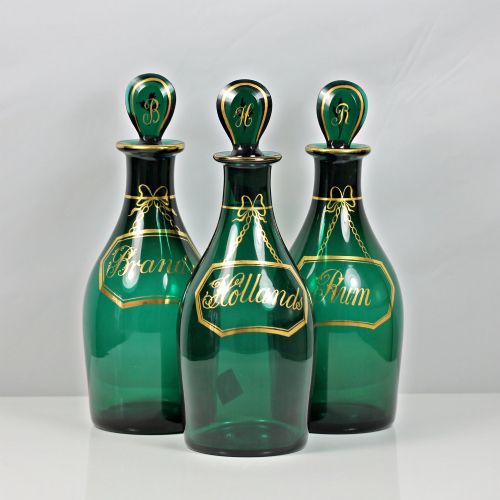
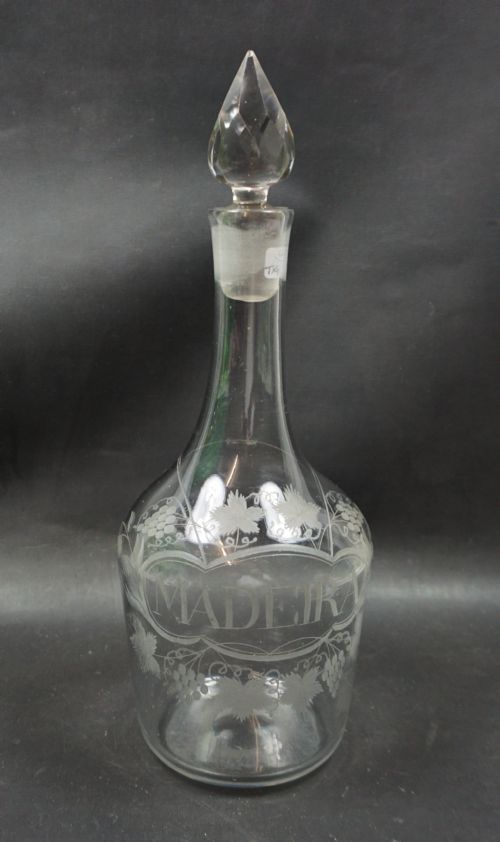
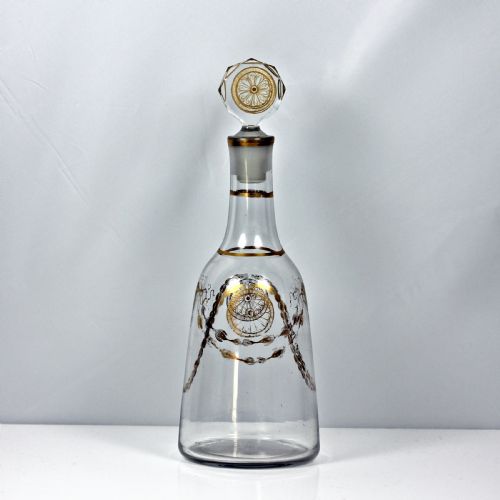
Decoration relied on skilled wheel-cutting, careful engraving, and surface painting using enamel or gold leaf applied by specialist workshops. Workshops such as that of James Giles elevated simple blanks through elaborate gilding, while other vessels received direct wheel engraving with Jacobite symbols or beverage labels.
Fitted wooden carriers, silver mounts, and ebony inkstands often accompanied these bottles, combining blown glass with mahogany cabinetry, tortoiseshell, and sterling silver hardware.
18th Century Glass Bottle Retail Price Guide 2026
Typical asking prices for 18th century glass bottle among the pieces listed under this phrase on Sellingantiques today, from the lower quarter to the upper quarter. They describe what is for sale here now, not the wider market.
Some bottles carry secret Jacobite symbols etched in glass to toast a banished king.
Assessing quality in 18th century vessels
Quality rests upon the clarity and weight of the metal itself, distinguishing dense, pure lead glass from simpler utility wares. Superior examples display deep, uniform resonance, brilliant light refraction in cut facets, and well-balanced proportions without excessive distortion.
Artisanal execution dictates the standing of decorated pieces, separating standard production from exceptional studio output. Precision in wheel engraving, the permanence and richness of gold leaf or enamel details, and the crisp definition of applied neck rings all indicate superior craftsmanship.
Completeness significantly elevates an item, particularly when original stoppers, matching cruet bottles, or paired silver mounts remain intact within their period boxes and stands.
James Giles·Hester Bateman
The 18th Century Glass Bottle Glossary
- Lead glass
- A heavy glass composition containing lead oxide that increases brilliance and weight. This material allowed 18th-century cutters to apply deep, sharp facets without fracturing the vessel.
- Lynn rings
- Applied horizontal glass ridges encircling the neck of a decanter or bottle. These rings provided a secure grip for pouring when condensation or wine chilled the surface.
- Opaline glass
- An opaque or translucent pale glass popular in continental Europe during the Georgian period. It frequently served as a bright canvas for delicate enamel and gilt decoration.
- Cruet set
- A matched frame of silver or wood holding multiple glass bottles or castors for condiments at the dining table. They demonstrate elite domestic organisation in the 18th century.
- Prunt
- An applied blob of molten glass pressed into a decorative shape on the body of a vessel. They offer a tactile grip and ornamental relief on European folk art flasks.
18th Century Glass Bottle: Frequently Asked Questions
How do I identify an 18th century glass bottle?
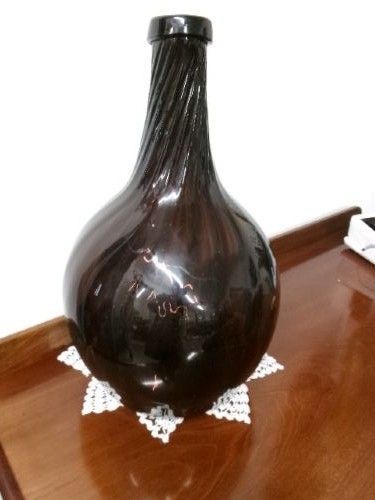
Examine the base for a rough pontil mark where the blowing iron was snapped off, indicating hand-blown manufacture before modern mould techniques. Look also for deep metal weight, dark green or clear metal tones, and wear patterns appropriate to age.
Check the neck construction, as many Georgian forms feature distinct applied glass rings or heavy kick-up bases designed to settle sediment in wine vessels.
Were these bottles used for wine storage?
Most surviving heavy glass bottles and shoulder decanters served as service vessels at the dining table rather than long-term cellar storage. Wealthy households transferred wine from wooden casks into these decorative containers for immediate pouring.
Smaller flasks and scent bottles carried personal spirits, perfumes, or medicines, while fitted campaign sets allowed officers to transport liquids securely during travel.
What is the difference between a decanter and a serving bottle?
Decanters generally feature distinct stoppers, specific shoulder profiles, and cut or engraved labels identifying contents like Madeira or port. They were engineered for stable pouring and aeration at the table.
Serving bottles often retain simpler cylindrical or mallet shapes with less formal neck rings, serving as general utility containers for daily schnapps, beer, or local wines across European households.