



18th Century French Cabinet
An 18th century french cabinet brings substantial timber and continental storage to a room, offering both practical utility and historic presence.
18th Century French Cabinet
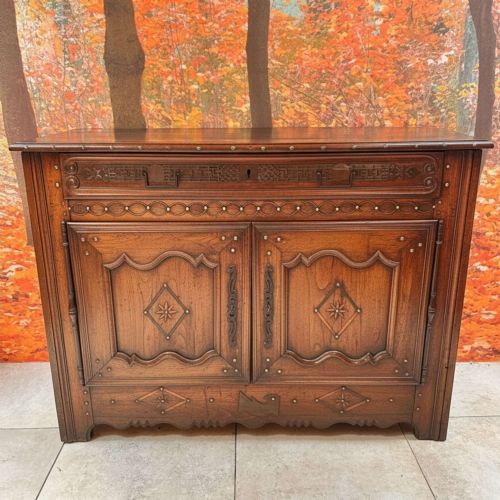
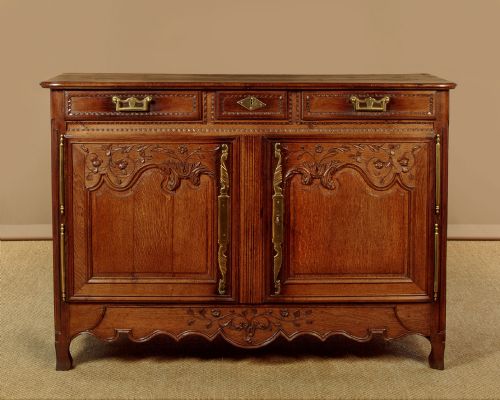
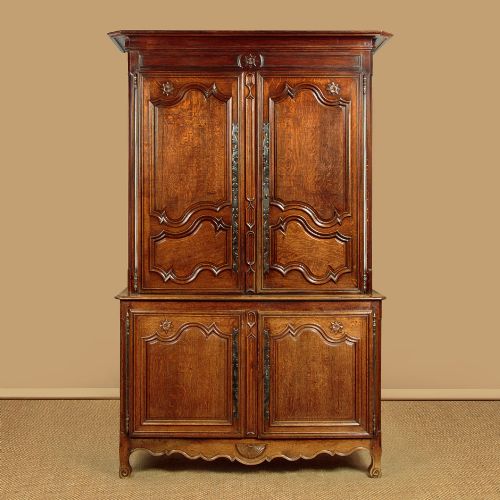
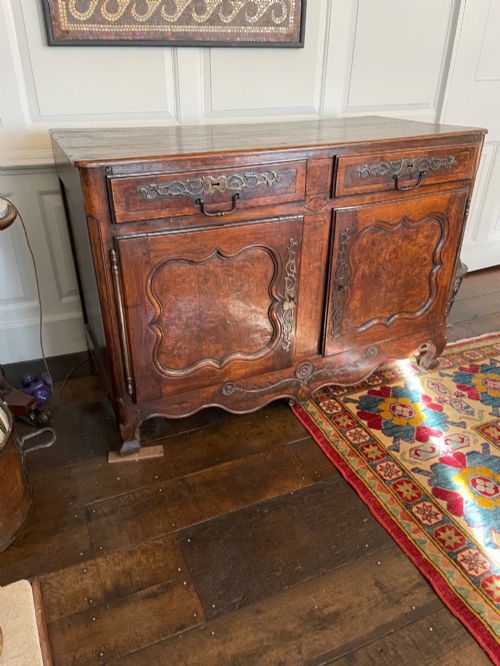
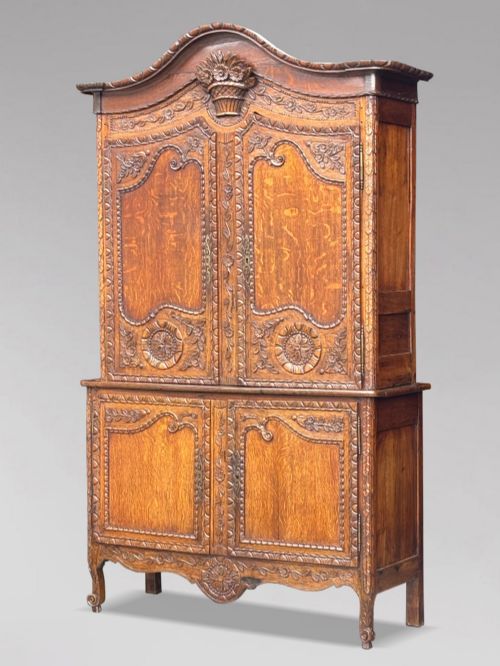
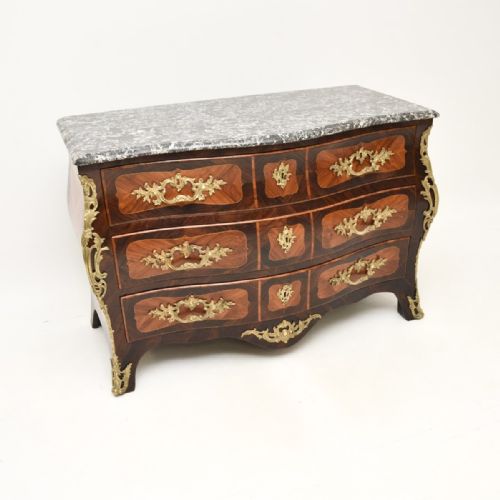
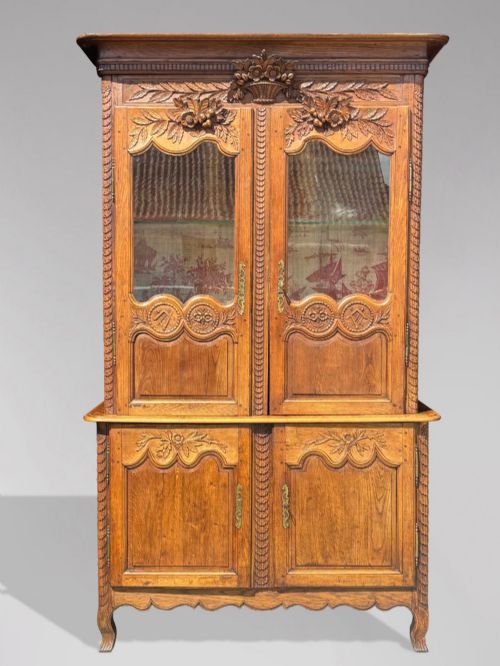
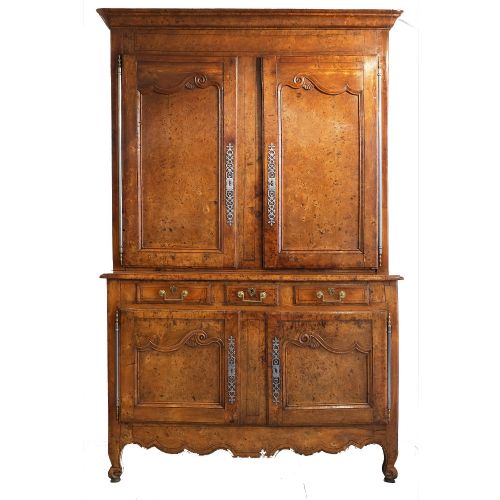
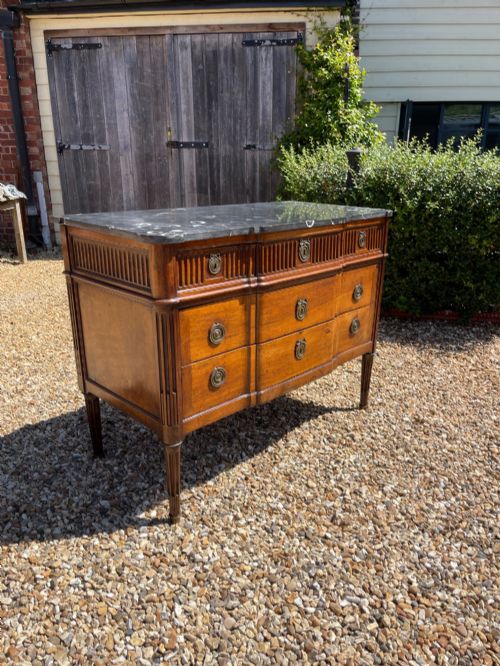
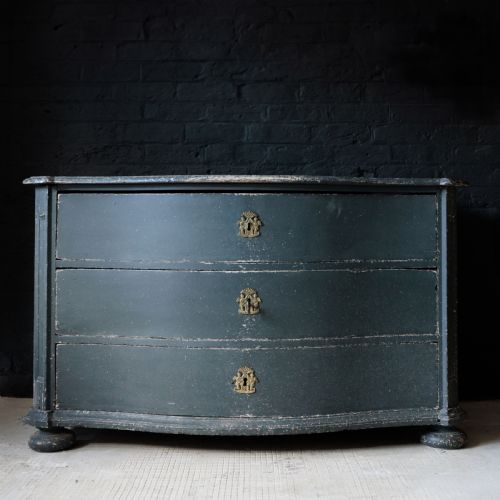
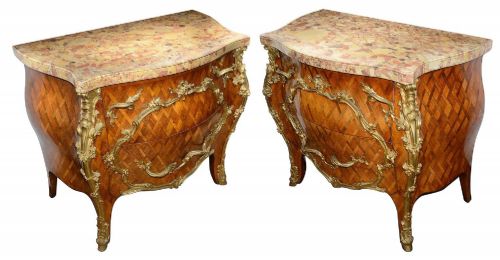
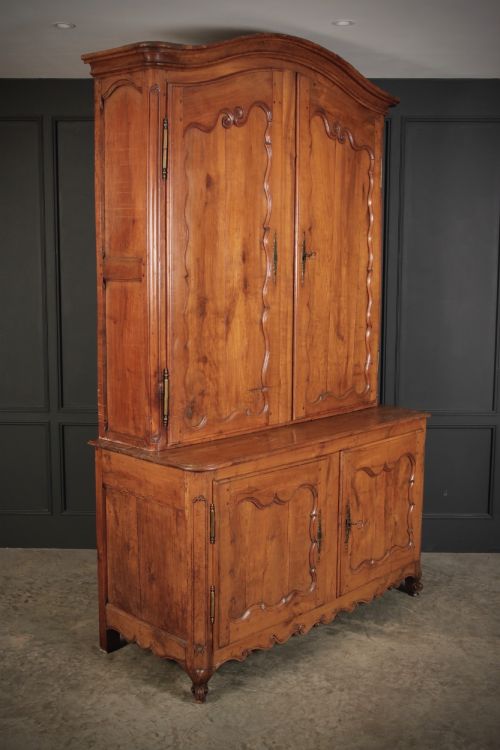
When someone searches for an 18th century french cabinet, they are looking for timber storage pieces spanning commodes, buffets, armoires, and enfilades created during the 1700s or reflecting those traditional designs. The listings show forms ranging from serpentine commodes and large cherry wood cupboards to two-part deux corps cabinets and provincial oak sideboards.
Buyers are most likely to meet regional provincial examples built from oak, cherrywood, or chestnut, alongside formal walnut and fruitwood pieces influenced by Louis XV and Louis XVI styles. These items serve as practical furniture for living spaces, hallways, and dining rooms while carrying the distinct proportions of continental cabinetmaking.
Materials and Construction
Construction relies heavily on regional hardwoods such as oak, cherrywood, walnut, and chestnut, often joined by hand using traditional framing methods suited to large storage units. Surface enrichment includes burr ash, tulipwood, or kingwood veneers on formal pieces, paired with carved mouldings on provincial cupboards.
Metalwork plays a functional and decorative role, utilising brass handles, hinges, and occasional ormolu mounts to secure doors and drawers. Marble tops also appear on select commodes and corner cupboards, adding a stone surface to timber bases.
18th Century French Cabinet Retail Price Guide 2026
Typical asking prices for 18th century french cabinet among the pieces listed under this phrase on Sellingantiques today, from the lower quarter to the upper quarter. They describe what is for sale here now, not the wider market.
Listings feature regional French timbers including oak, cherrywood, walnut, chestnut, ash, and elm.
Craftsmanship and Proportion
Quality rests in the harmony of timber selection, such as figured cherrywood or burr elm, matched against the integrity of the original carcase construction. Pieces retaining their early brass hardware, original marble tops, or pewter accessories stand apart from those altered over time.
The refinement of carved details, from flowing Louis XV Rococo curves to restrained Neoclassical lines, distinguishes workshop output. Structural balance in large forms like the buffets deux corps determines how successfully the two sections sit together.
Jacques Bircklé·Ambroise Michel
The 18th Century French Cabinet Glossary
- Commode
- A low chest of drawers or cabinet originating in France during the eighteenth century. These pieces often feature marble tops and serpentine fronts.
- Buffet deux corps
- A large two-part cupboard or sideboard consisting of a lower cabinet base beneath an upper section. They provide substantial storage in dining spaces and halls.
- Enfilade
- A long sideboard or buffet designed for serving food and storing tableware. They frequently incorporate multiple doors and drawers across a wide timber facade.
- Ormolu
- Gilded bronze mounts applied to furniture for decoration. This technique highlights corners, keyhole escutcheons, and handles on formal pieces.
- Panetiere
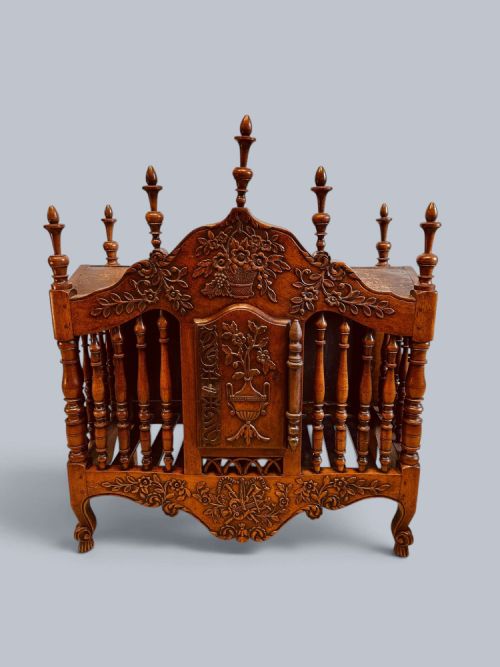
- A traditional wooden bread cage or food cupboard featuring turned spindles for ventilation. They were used in French provincial kitchens to protect loaves.
18th Century French Cabinet: Frequently Asked Questions
How do I tell provincial from formal pieces?
Provincial pieces utilise regional timbers like oak and cherrywood with simpler, sturdier framing designed for everyday domestic use.
Formal examples employ walnut, kingwood, or tulipwood veneers alongside refined carving, brass mounts, and marble surfaces.
Where should I place a large buffet?
These tall two-part storage units suit spacious dining rooms, hallways, or living spaces with sufficient ceiling height.
Ensure the floor space accommodates the depth of the lower cabinet doors when fully opened.
Are marble tops original to these commodes?
Many commodes and corner cupboards were constructed specifically to carry fitted marble slabs on their upper surfaces.
Checking the fit against the timber moulding helps confirm whether the stone matches the period of the base.
What is a panetiere used for today?
Originally built as ventilated bread cages in French homes, these vented cabinets now serve as decorative wall or surface storage.
Their spindle sides make them suitable for displaying textiles or small collectibles.