


18th Century Framed Print
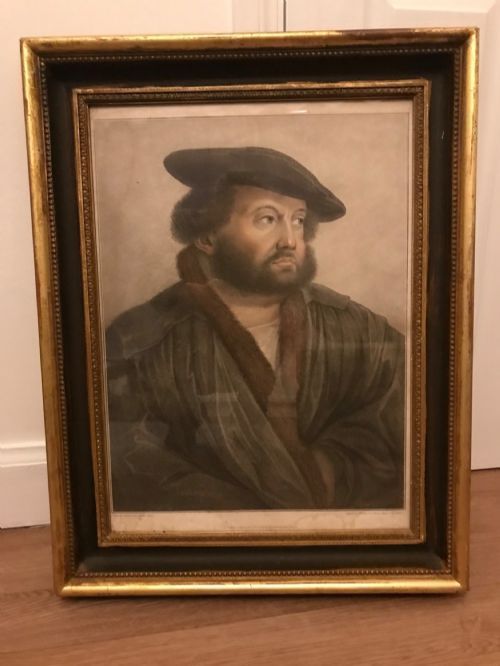
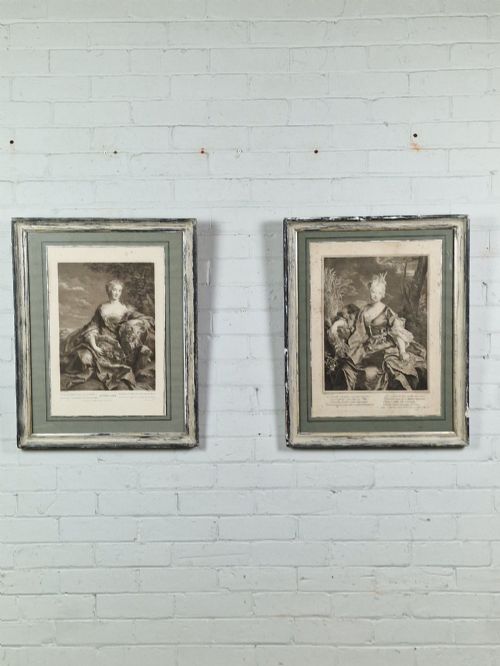
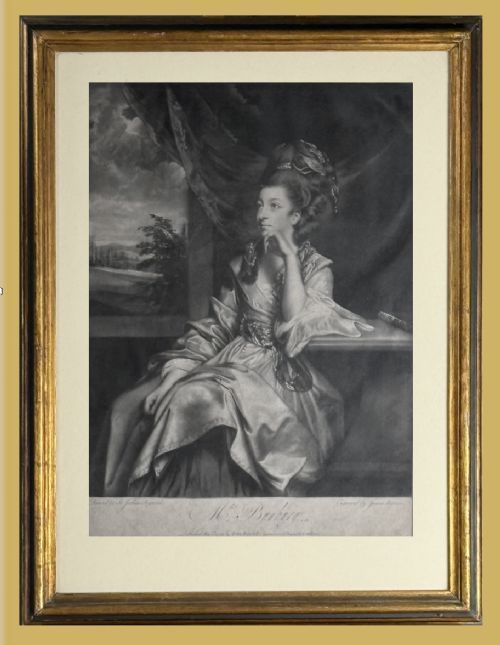
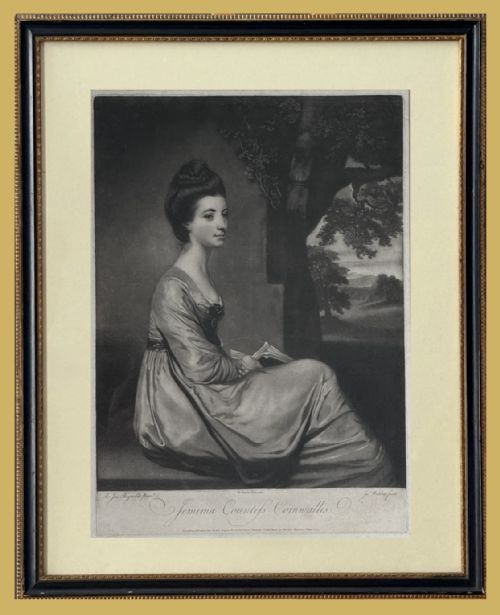
An 18th century framed print brings historic portraiture, classical mythology and detailed engraving directly onto the wall in period surrounds.
18th Century Framed Print
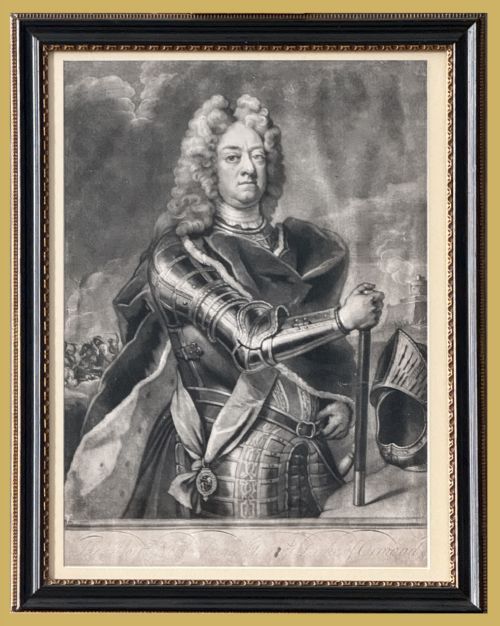
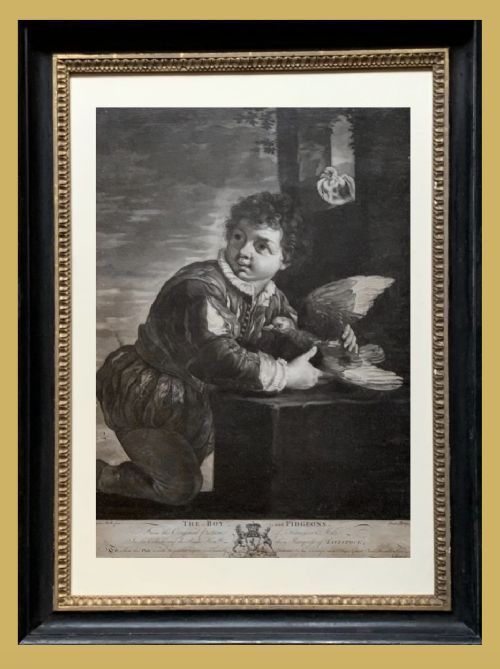
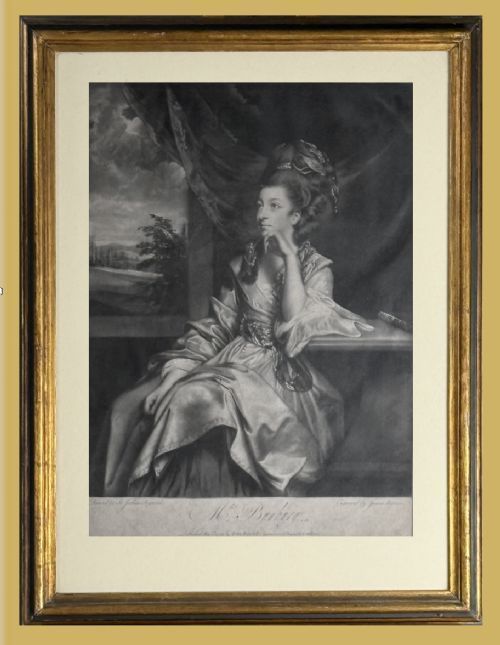
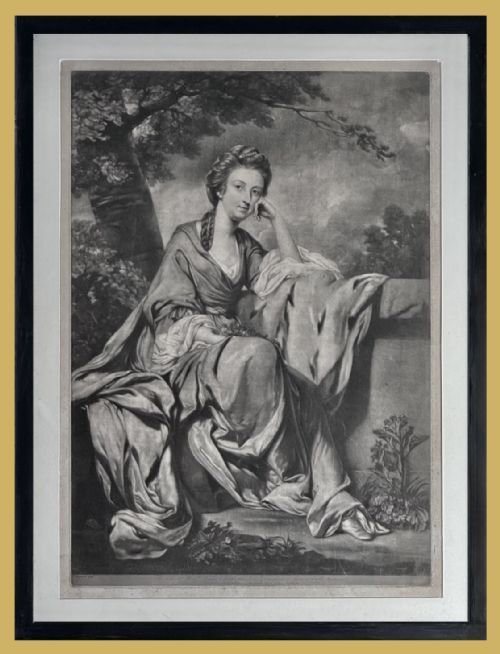
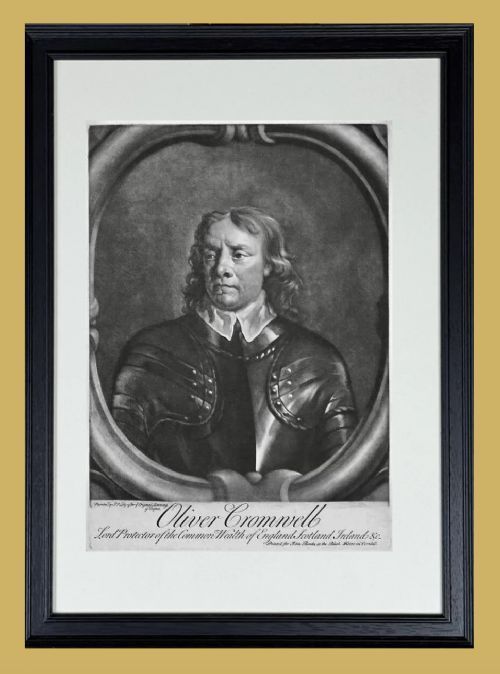
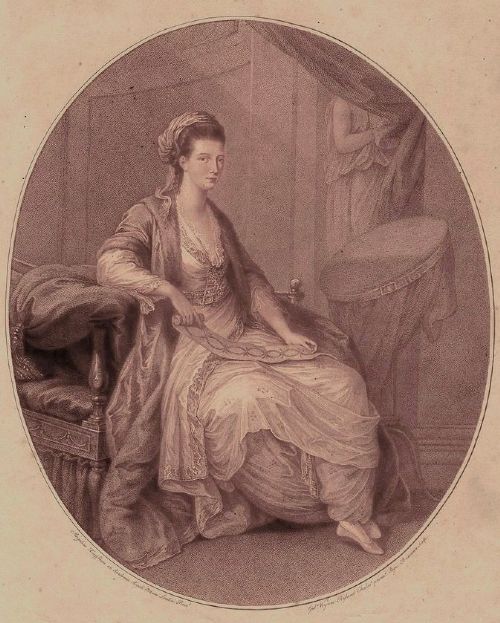
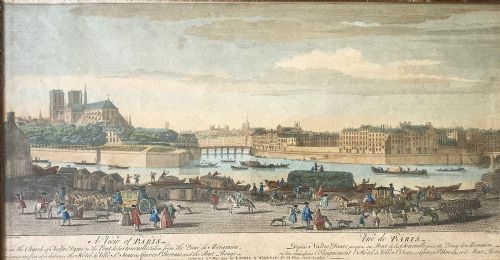
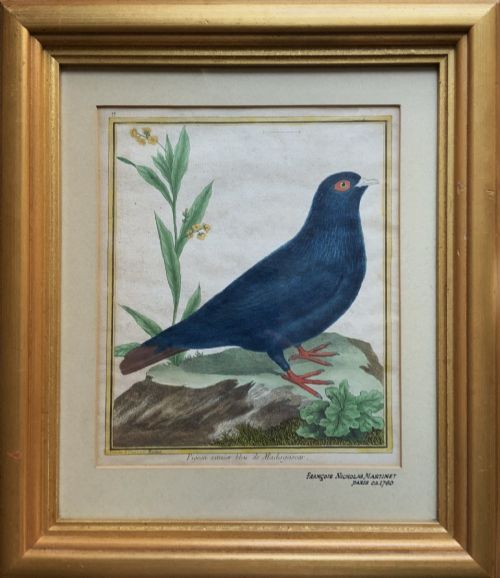
When searching for an 18th century framed print, a buyer encounters works on paper preserved behind glass within wooden or gilt frames. These pieces include mezzotint portraits, stipple engravings, line engravings and hand-coloured botanical or topographical views.
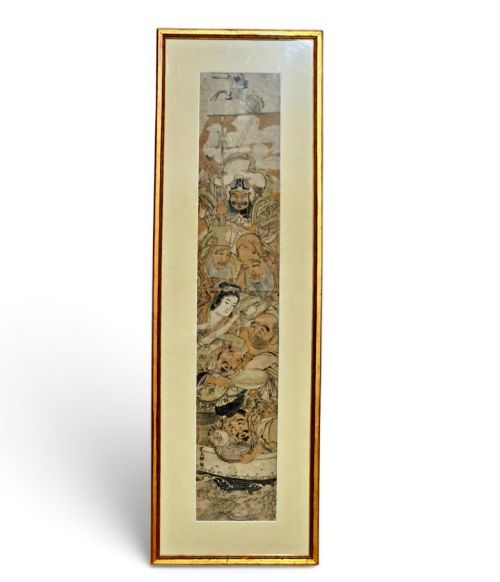
The subjects range from British aristocracy and royalty painted by prominent artists to mythological scenes, anatomical studies and Japanese ukiyo-e woodblock prints. Many examples pair contemporary printmakers with master painters of the period.
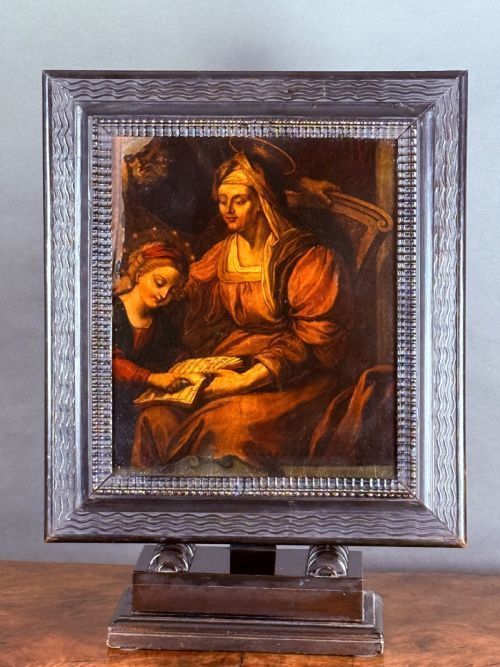
The selection on this page relies heavily on English and continental portraiture produced during the Georgian era, alongside reverse glass mezzotints that combine printmaking with direct glass painting.
How they were made
Printmakers utilised copper plates for mezzotints and engravings, working the surface with rockers, burins and stippling tools to build tonal depth and fine lines. Ink was then applied and transferred under pressure onto laid paper.
Selected prints received additional hand colouring using watercolours applied directly to the inked impression. Framed works were enclosed behind glass in wooden mouldings, occasionally finished with gold leaf or giltwood.
18th Century Framed Print Retail Price Guide 2026
Typical asking prices for 18th century framed print among the pieces listed under this phrase on Sellingantiques today, from the lower quarter to the upper quarter. They describe what is for sale here now, not the wider market.
An anatomical skeleton print from seventeen-seventy reminds us that Georgian decor could be thoroughly educational.
What varies in quality
Quality rests in the impression pulled from the plate, where early states yield rich, velvety blacks and crisp details while worn plates produce faint, muddy tones. The skill of the engraver in translating a painter's brushwork directly influences the artistic merit.
The preservation of the paper, the presence of original hand colouring and the retention of a period frame contribute significantly to the standing of an individual piece.
John Simon·John Boydell·James Watson·Edward Fisher·Francesco Bartolozzi·John Smith·Charles Spooner·Valentine Green·Thomas Frye
The 18th Century Framed Print Glossary
- Mezzotint
- A printmaking process where the copper plate is roughened uniformly to hold ink, then scraped and burnished to create rich tonal gradations and dark backgrounds. This method was widely favoured for 18th-century portraiture.
- Stipple engraving
- A technique using dots of varying density applied to a copper plate to produce delicate tonal effects and flesh tones. It gained popularity for reproducing portraits and classical scenes.
- Reverse glass painting
- An artwork created by painting directly onto the back of a piece of glass, viewed from the front. In some pieces, a mezzotint print was applied to the glass before colouring.
- Giltwood
- Wood carved and coated with a thin layer of gold leaf or gilt. It provides the reflective period framing found around many antique works on paper.
- Ukiyo-e
- Japanese woodblock printing and painting tradition depicting scenes of floating world culture. Works from this genre occasionally overlap with 18th-century European collections.
18th Century Framed Print: Frequently Asked Questions
What subjects appear on these prints?
The subjects focus primarily on aristocratic portraits, royal figures, theatrical performers and literary characters drawn by leading painters of the era. Other plates depict classical mythology, anatomical studies, birds and continental city views.
Religious scenes and allegorical compositions also feature among the selection, reflecting the broad publishing output of Georgian print sellers.
Are the frames original to the prints?
Some pieces retain their period wooden or gilt frames, while others have been framed in later centuries to protect the paper. Examining the backing and mouldings helps determine the age of the surround.
Matching a print to a contemporary frame remains a notable feature for collectors seeking historical integrity.
How should an antique print be hung?
Antique works on paper require placement away from direct sunlight and high humidity to prevent fading and paper degradation. Using stable wall fixings supports the weight of the glass and wooden frame.
Exhibiting them in steady indoor environments preserves both the ink and the surrounding gilt or wood.
What is a reverse glass print?
A reverse glass print involves adhering an engraving or painting directly to the reverse side of a glass panel. Artisans then applied hand colouring behind the transparent surface.
This technique produces a distinct glossy finish that protects the imagery from atmospheric dirt.