
18th Century Female Portrait
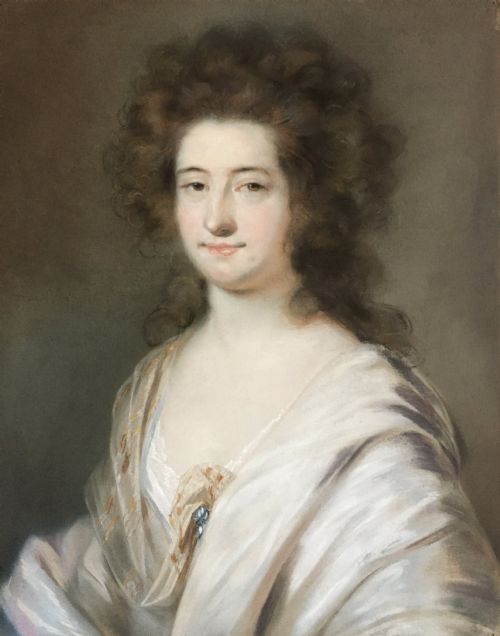
An 18th century female portrait captures the likeness of a lady in oil, miniature, or print, offering a direct window into Georgian life and fashion.
What 18th century female portraits are
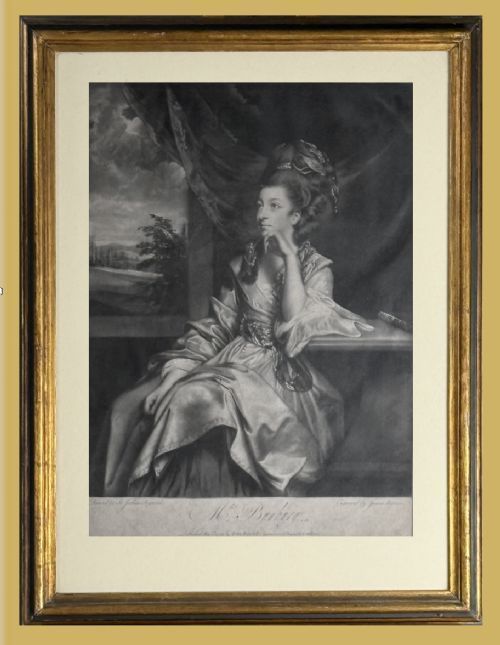
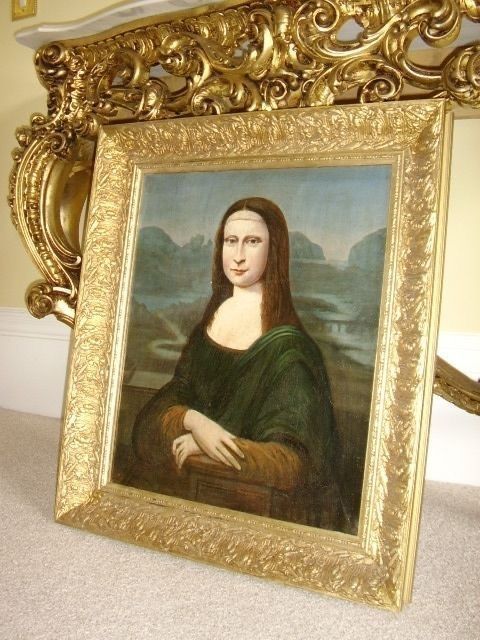
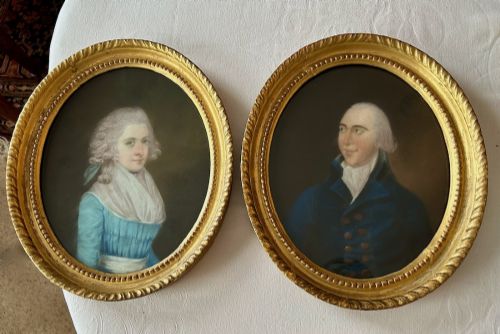
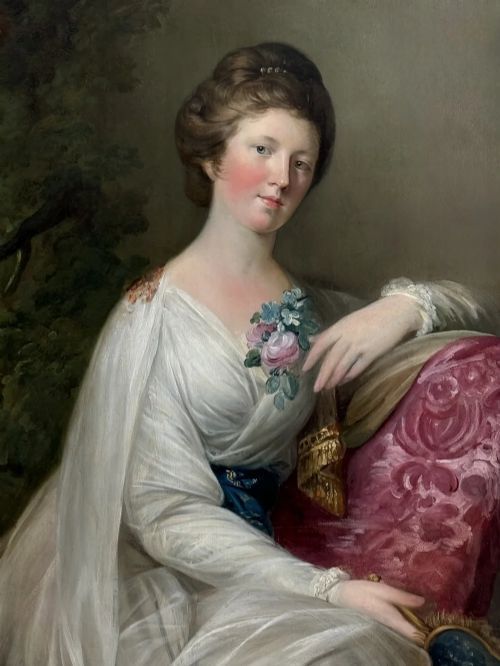
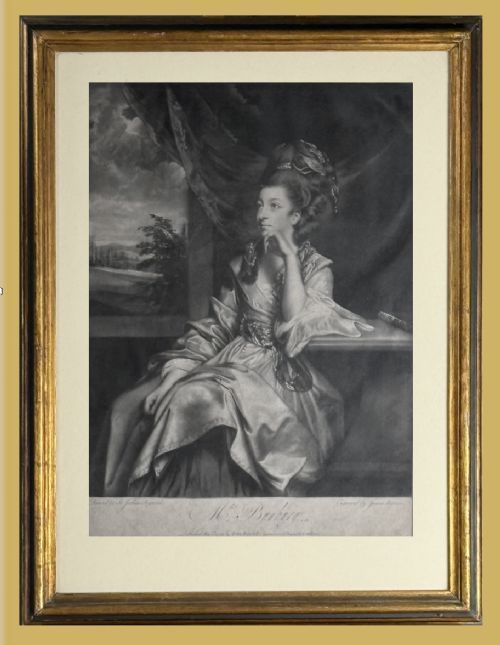
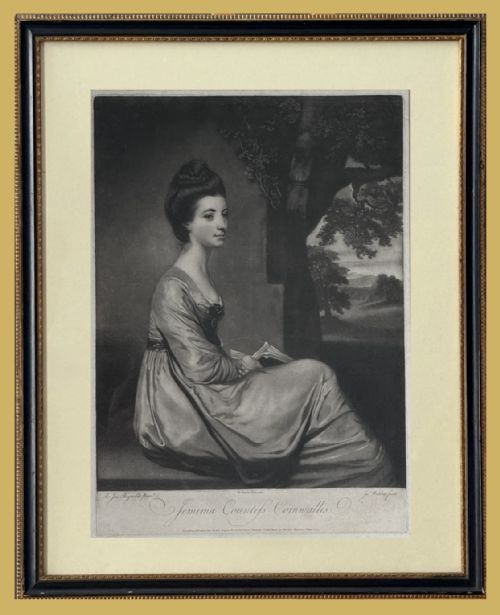
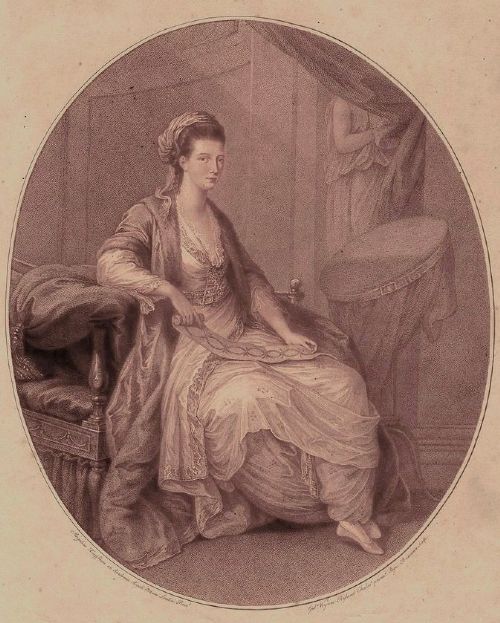
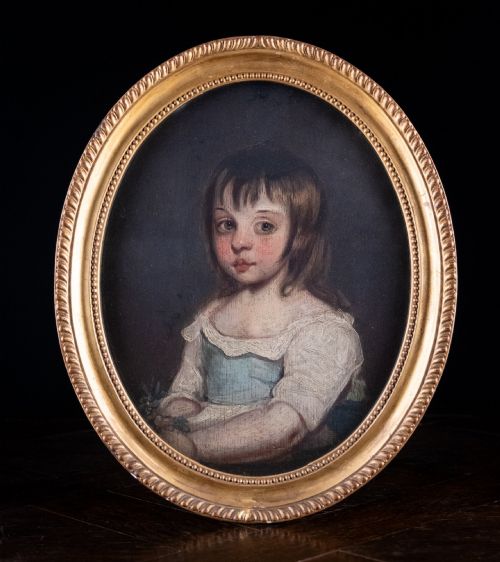
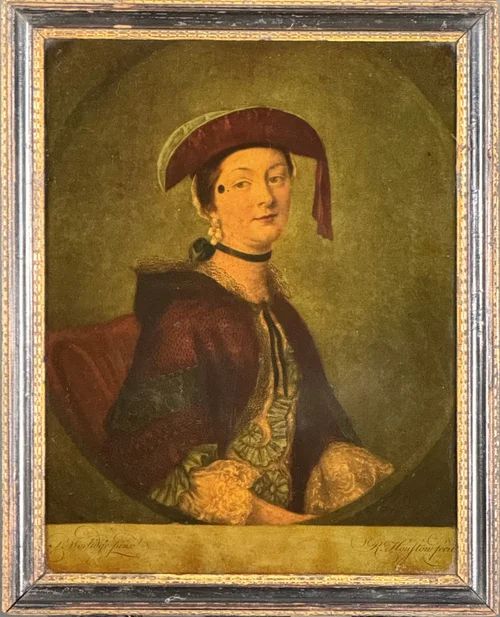
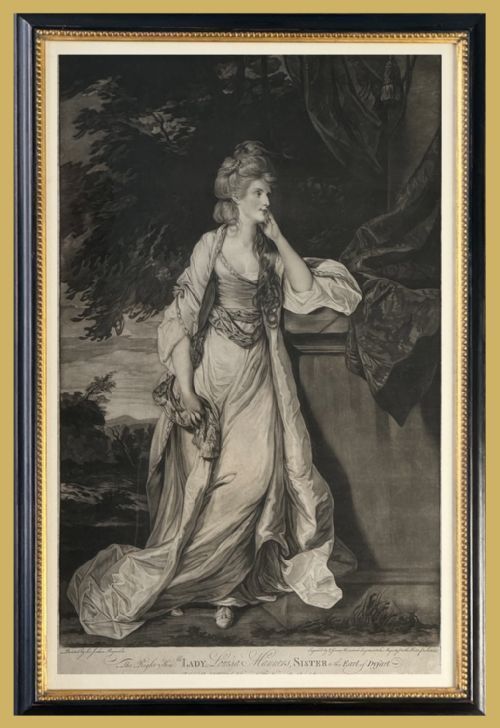
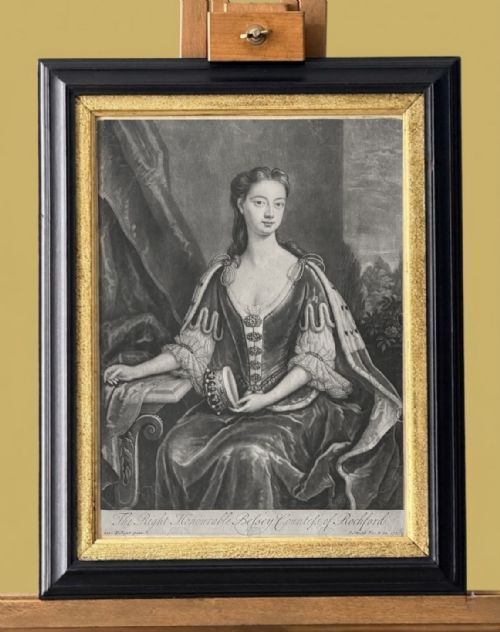
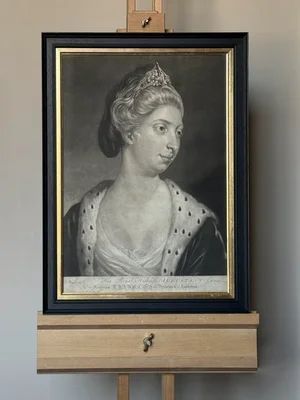
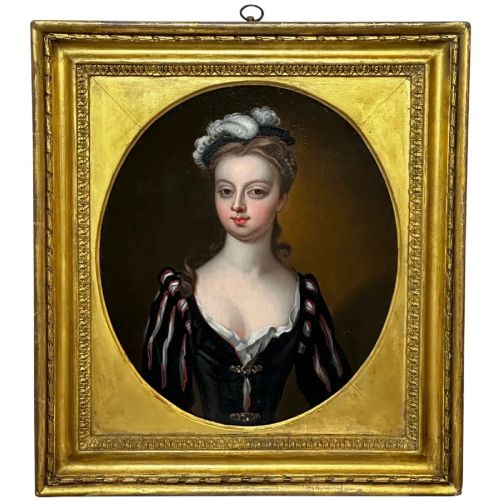
An 18th century female portrait encompasses painted oils on canvas, delicate miniatures on vellum or paper, and hand-coloured engravings framed in gilt wood or glass. These works record the likenesses of named sitters and anonymous ladies from the Georgian and Regency periods.
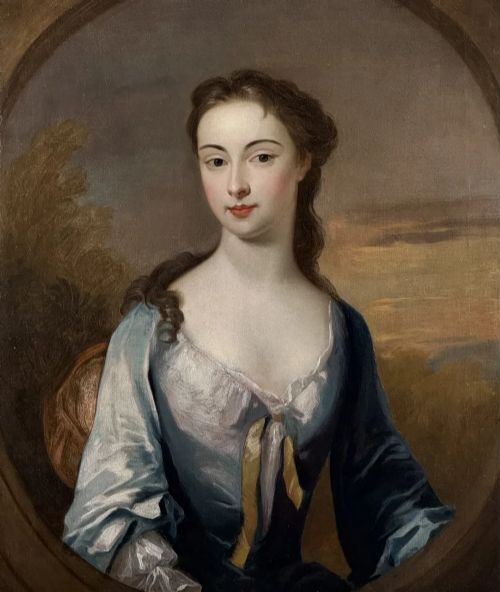
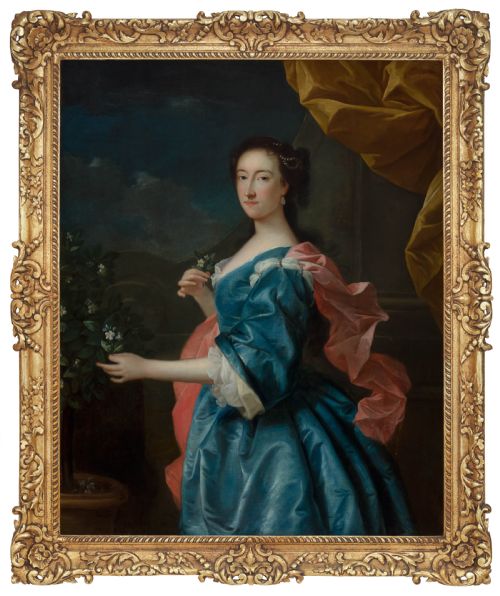
The versions most commonly met on this page range from small-scale miniature portraits executed with fine detail to larger oil paintings depicting women in silk gowns and braided dresses. They reflect the portraiture traditions of a century defined by distinct stylistic shifts from the early Georgian era onwards.
Every piece preserves a fragment of historical costume and portraiture conventions, from women holding fruit to sitters adorned with pearls and elaborate hairstyles. They serve as historical records of status, fashion, and artistic patronage.
How they were made
Engravers worked after master painters to produce hand-coloured prints, while miniature painters achieved remarkable precision on delicate surfaces like vellum. Canvases were stretched and secured within wooden frames, sometimes preserving archival notes or signatures on the reverse.
Retail Price Guide 2026
Typical UK retail prices for 18th century female portrait, calculated from the Sellingantiques database of over a million retail prices indexed since 2003. This retail price guide relies exclusively on Sellingantiques data; no external sources or auction records are used, so the figures do not describe the wider market.
Object types include oil paintings, fine art, wall art, and portrait miniatures rendered in Georgian and Regency styles.
What varies in quality
The distinction between standard works and exceptional pieces lies in the precision of the brushwork and the psychological depth captured in the sitter's expression. Master painters like Thomas Beach or Philip Mercier demonstrate a superior command of light, fabric texture, and facial anatomy compared to anonymous workshop productions.
Framing and preservation also dictate the standing of a piece, with original gilt wood frames and undisturbed surfaces holding greater historical integrity. The fidelity of hand-coloured engravings and the delicate execution of vellum miniatures separate fine examples from routine commercial output.
THOMAS BEACH·George Romney·James Ferguson·Thomas Murray·Robert Byng·Philip Mercier·John Raphael Smith·Thomas Hickey
The 18th Century Female Portrait Glossary
- Vellum
- A fine parchment made from calfskin, frequently utilised as a smooth surface for miniature portrait painting during the eighteenth century.
- Gilt wood
- Wood carved and coated with gold leaf or gold paint, commonly used for framing Georgian oil paintings and engravings.
- Engraving
- A printmaking technique where an image is incised into a metal plate, allowing multiple impressions to be pulled and subsequently hand-coloured.
- Miniature
- A small-scale portrait, often executed on vellum or paper, designed for intimate viewing or portable display.
- Georgian
- The period spanning the reigns of the first four Hanoverian kings, encompassing the dominant artistic and architectural styles seen across these portraits.
Frequently Asked Questions
How do I identify an 18th century portrait?
Examine the sitter's costume, hairstyle, and painting materials, which typically align with Georgian fashions such as silk gowns, powdered hair, and canvas supports.
Signatures, inscriptions on the verso, and period framing materials like gilt wood provide further evidence to support the date.
What is the difference between an oil and a miniature?
Oil paintings are executed on stretched canvas with substantial pigment, allowing for larger formats and textured brushwork depicting elaborate dresses and settings.
Miniatures are painted on delicate surfaces like vellum or paper on a much smaller scale, intended for close inspection and intimate possession.
How should I display a portrait at home?
Hang oil paintings and framed engravings away from direct sunlight and steady moisture to protect the canvas, vellum, and gilt wood frames from degradation.
Ensure wall fixings are secure and appropriate for the weight of the wooden frame to safely support the artwork over time.
Are these portraits of real historical people?
Many portraits on this page depict named individuals, such as Hannah Hass or Mrs. Elizabeth Draper, recorded by contemporary artists of the era.
Other works portray anonymous sitters or ladies of the period whose identities have been lost, though their attire remains historically accurate.