

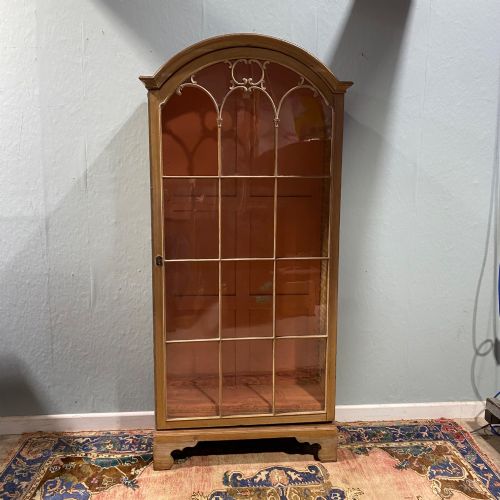
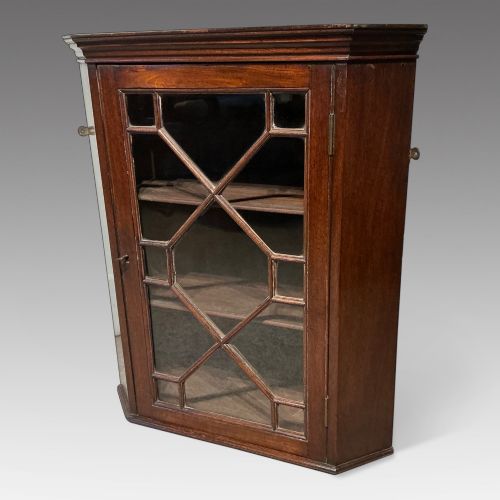
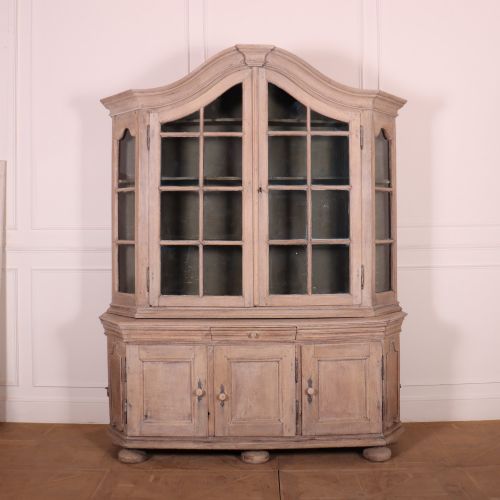
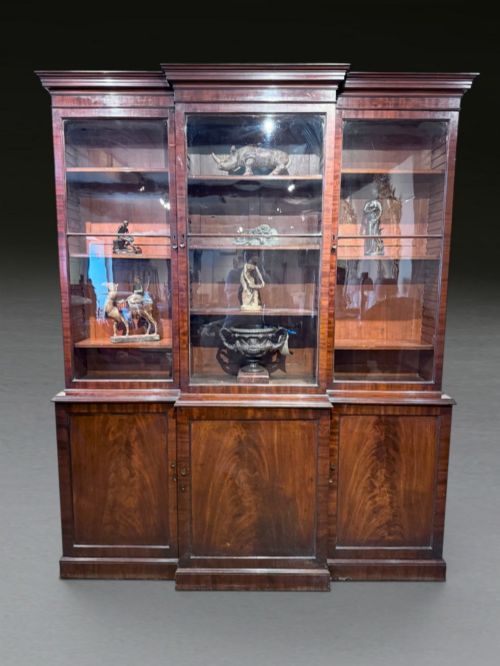
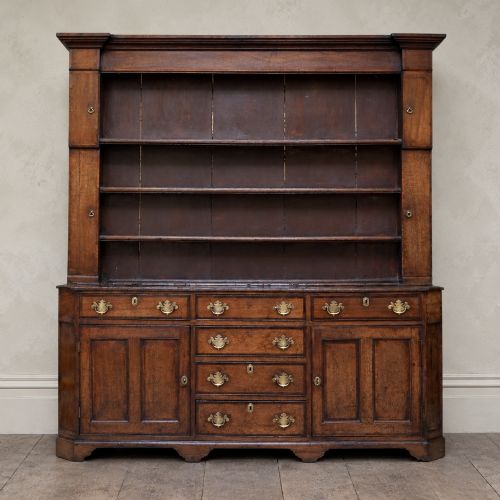
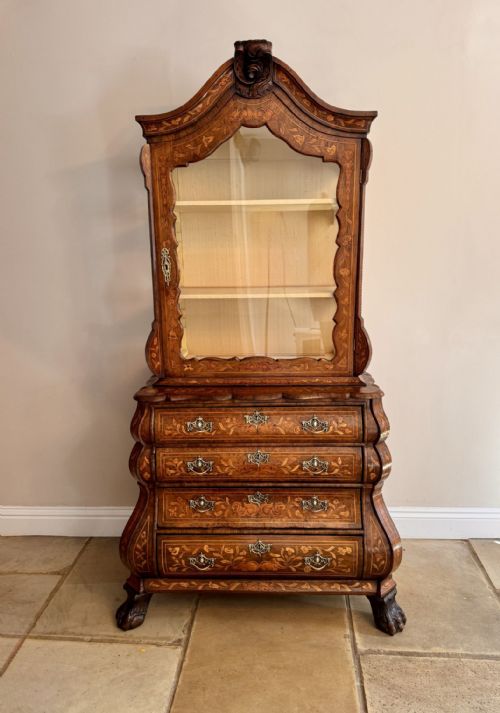


18th Century Display Cupboard
An 18th century display cupboard brings period timber and glazed storage into a room, offering both character and functional display space.
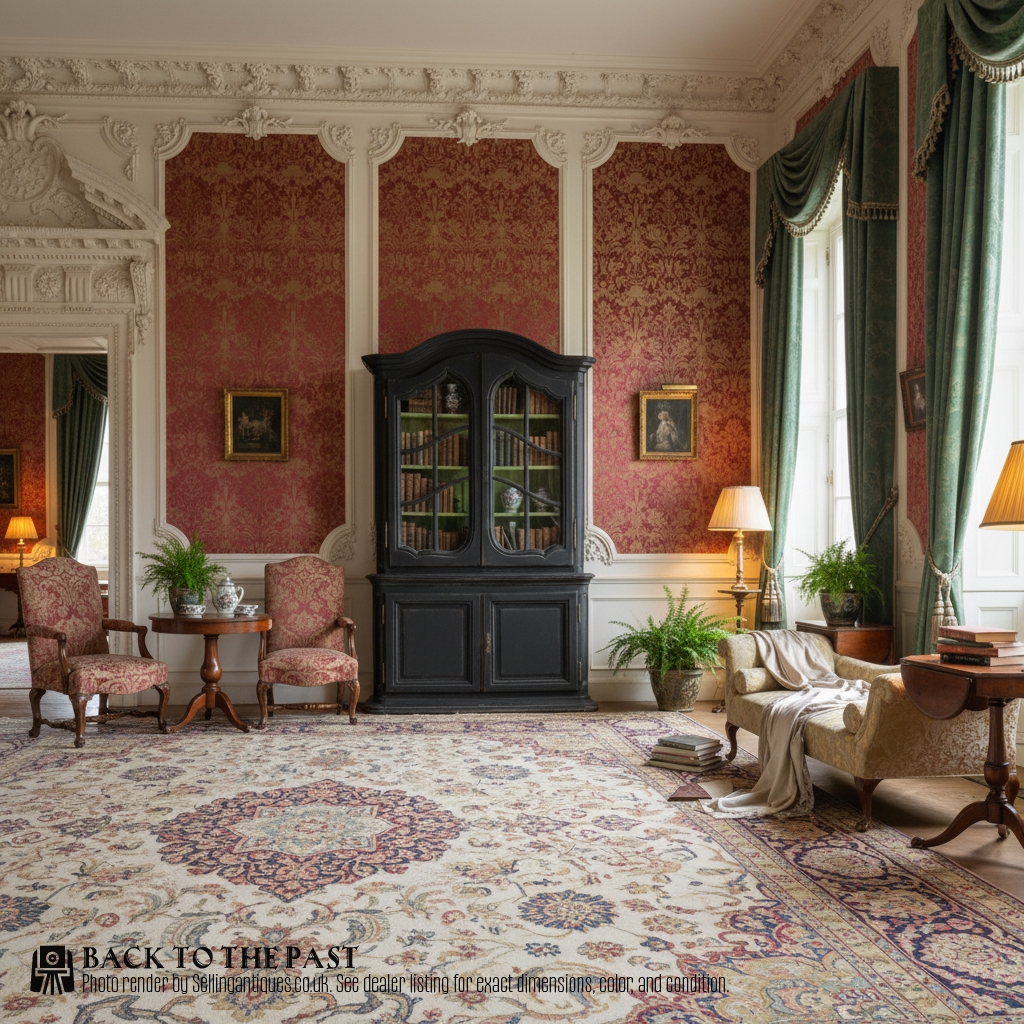
18th Century Display Cupboard
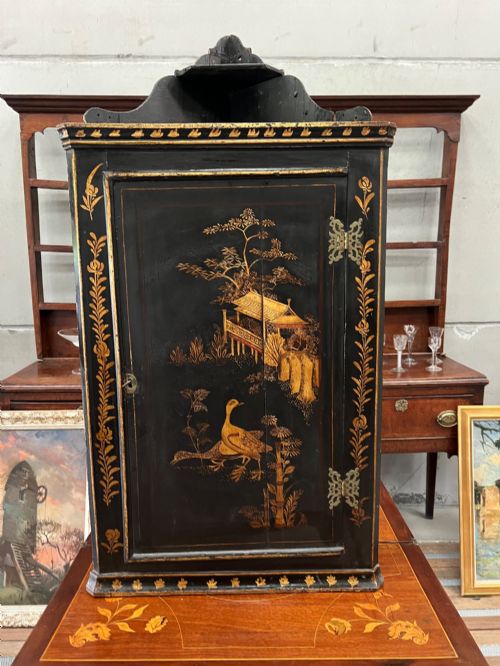
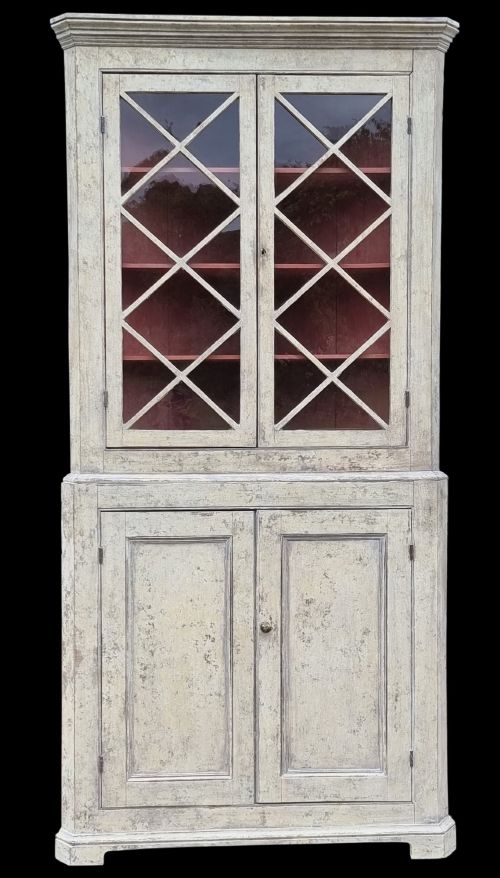
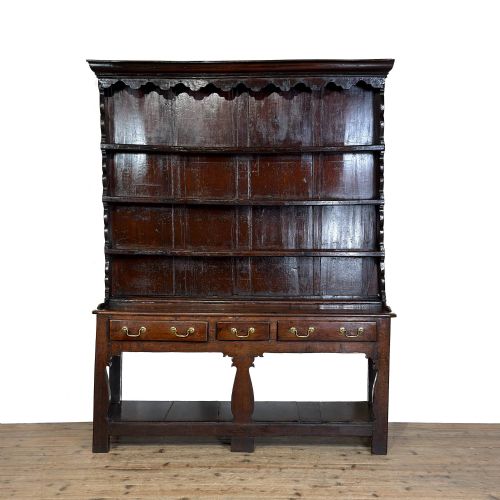
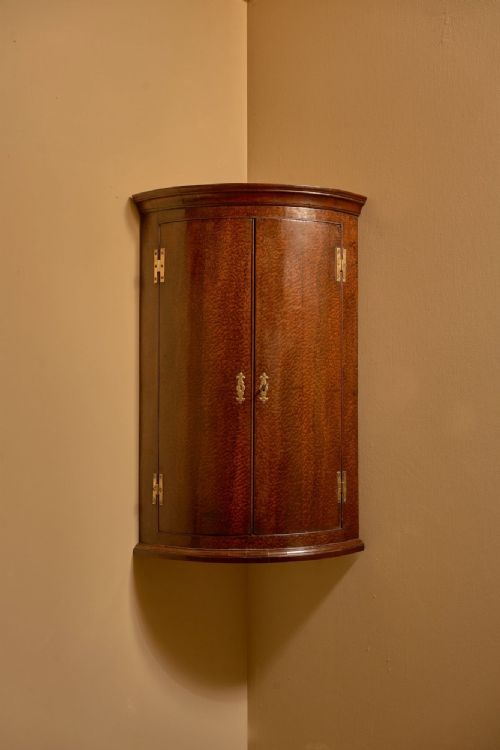
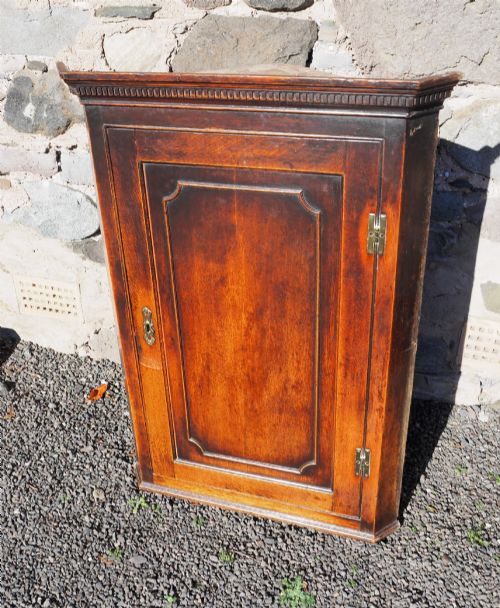
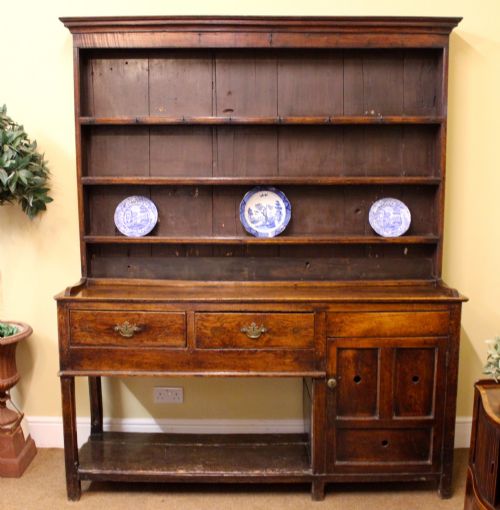
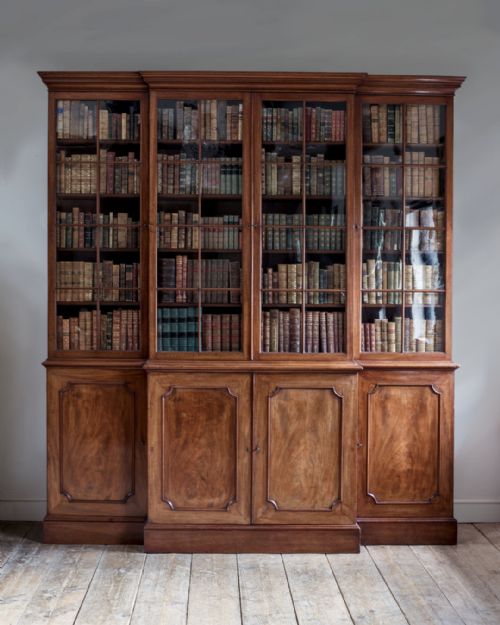
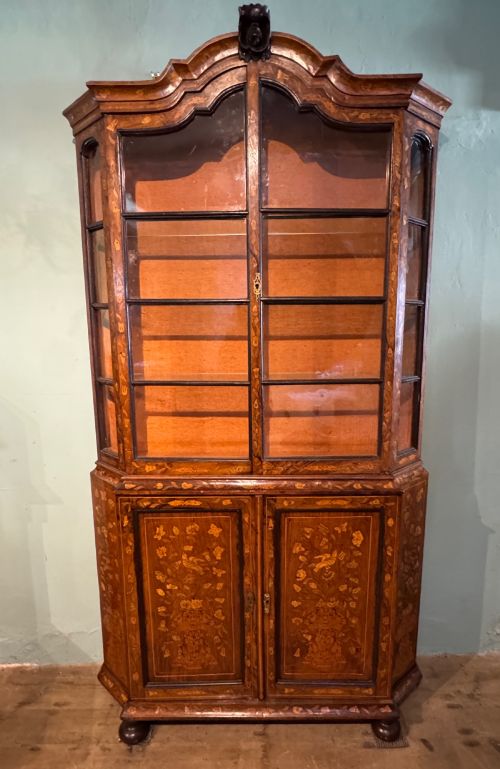
An 18th century display cupboard encompasses a variety of timber storage forms, most frequently seen as corner cabinets, standing bookcases, wall-hanging cupboards, and regional dressers. These items span periods from the Georgian era through to Regency, reflecting the diverse cabinet-making traditions of Britain, the Netherlands, and France.
The version most commonly met on this page is the George III mahogany or oak corner cupboard, designed either to hang on a wall or stand on the floor. Alongside these, buyers frequently encounter Dutch marquetry cabinets, Welsh dressers, and glazed bookcases configured to exhibit porcelain, books, or collections.
How they were made
Cabinet-makers relied heavily on native and imported timbers, utilising solid oak for robust regional furniture alongside rich mahogany, walnut, and fruitwood for formal pieces. Marquetry and inlay incorporate satinwood, harewood, and floral designs, while secondary woods provide structural integrity to interiors and carcases.
Glazing bars divide the glass panels into geometric or architectural patterns, framing the contents within the upper display sections. Brass hinges, escutcheons, and handles secure doors and drawers, often retaining original patination developed over centuries of use.
18th Century Display Cupboard Retail Price Guide 2026
Typical asking prices for 18th century display cupboard among the pieces listed under this phrase on Sellingantiques today, from the lower quarter to the upper quarter. They describe what is for sale here now, not the wider market.
The inventory spans English, Welsh, Dutch, and French regional variations, including standing, hanging, and wall-mounted formats.
What varies in quality
The standard of an 18th century display cupboard rests largely on the choice of timber and the precision of its grain matching. Superior examples display carefully selected mahogany or figured walnut across the primary surfaces, whereas simpler country pieces utilise straight-grained oak or elm with straightforward panel construction.
Execution of detail further separates standard regional items from high-status workshop production. Finely carved cornices, intricate floral marquetry inlay, and slender, well-proportioned glazing bars indicate higher ambition and skill in the original cabinet-making.
The 18th Century Display Cupboard Glossary
- Marquetry
- Decorative veneer work arranged in pictorial or geometric patterns using various coloured timbers. This technique frequently defines high-status Dutch cabinets of the period.
- Cornice
- The moulded projection that crowns the top of a cabinet or bookcase. It provides an architectural finish to the upper section of tall furniture.
- Vitrine
- A glass-fronted cabinet designed specifically for displaying porcelain, curiosities, or objects of art. French and Dutch examples frequently utilise this terminology.
- Escutcheon
- A protective plate surrounding a keyhole, usually fashioned from brass. These small hardware details assist in dating pieces by their prevailing silhouette and metalwork style.
- Glazing bars
- The wooden strips that hold individual panes of glass within a door or window frame. Delicate tracery in these bars distinguishes refined Georgian bookcases from utilitarian storage.
18th Century Display Cupboard: Frequently Asked Questions
Where should I place a corner cupboard?
Corner cupboards are designed to utilise empty angles in a room, making them practical for smaller spaces while drawing the eye upward. Floor-standing versions anchor a corner, whereas wall-hanging models free up floor space entirely.
Ensure the wall angles match the cabinet's ninety-degree or bow-front configuration before installation. Positioning them away from direct sunlight protects both the timber surfaces and any items displayed inside.
How do I care for antique timber?
Maintain antique mahogany, oak, and walnut by keeping them away from direct heat sources and rapid humidity changes, which can cause wood to split or warp. Regular dusting with a soft, dry cloth preserves the finish without the need for heavy modern polishes.
Applying traditional beeswax sparingly once or twice a year helps nourish the grain and maintain the natural lustre. Avoid placing damp items directly onto wooden shelves.
Can I adjust the shelves?
Most 18th century display cupboards feature fixed wooden shelving integral to the original carcase construction. This reflects the period manufacturing methods where internal partitions added structural rigidity to the cabinet.
Because shelves are typically static, check internal height dimensions carefully if you plan to display oversized books or tall ceramic pieces. Removable or adjustable shelf pins are rarely found in pieces from this era.
How do I tell oak from mahogany pieces?
Oak furniture generally exhibits a pronounced, open grain with visible medullary rays, often seen in regional Welsh dressers and early Georgian country pieces. It carries a warm, golden-brown tone that deepens gracefully over time.
Mahogany, introduced more widely in the mid-18th century for formal furniture, presents a tighter, smoother reddish-brown grain that takes a high polish. It was the preferred timber for Chippendale and Sheraton style bookcases and display cabinets.