


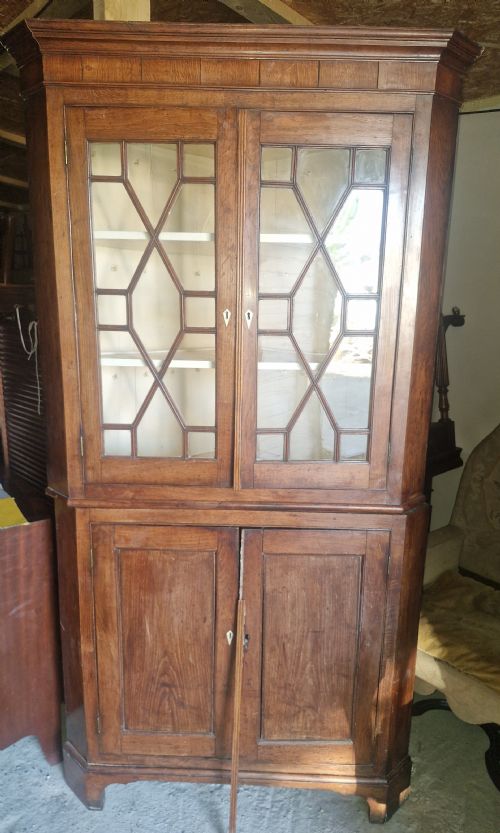
18th Century Display Cabinet
These 18th century display cabinet examples offer timber and glass storage for prized objects, bringing period craftsmanship into modern rooms.

What an 18th century display cabinet is
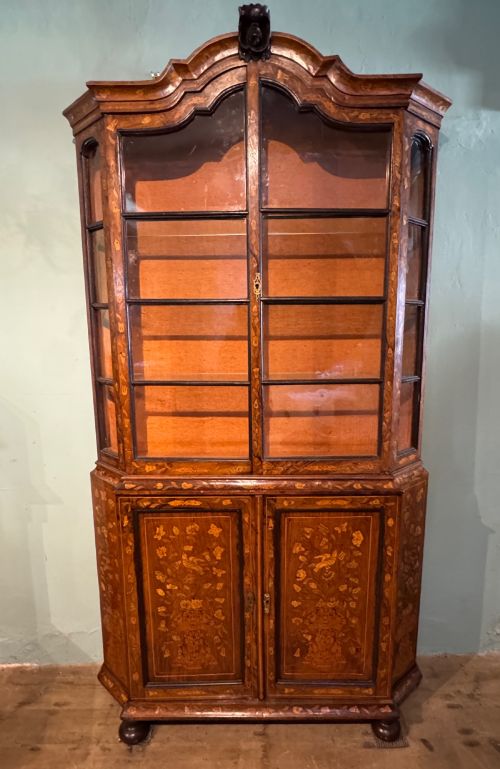
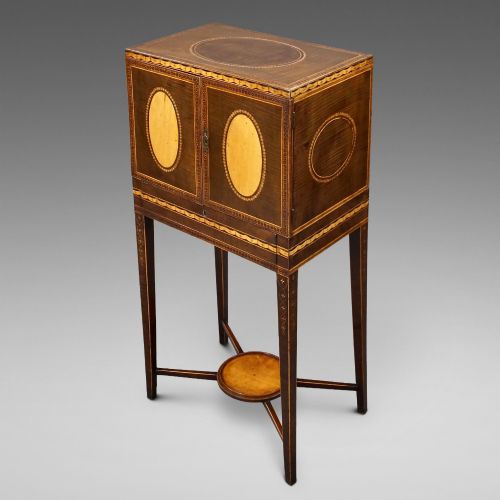
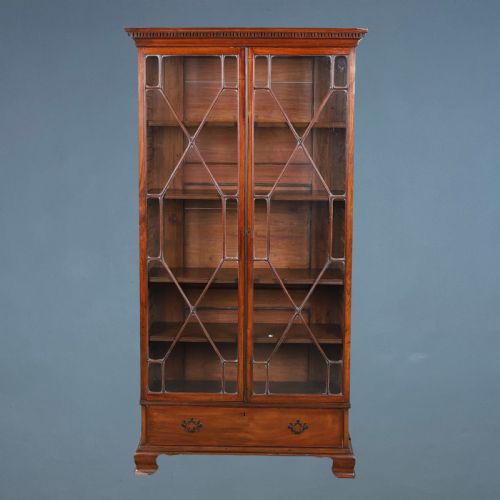
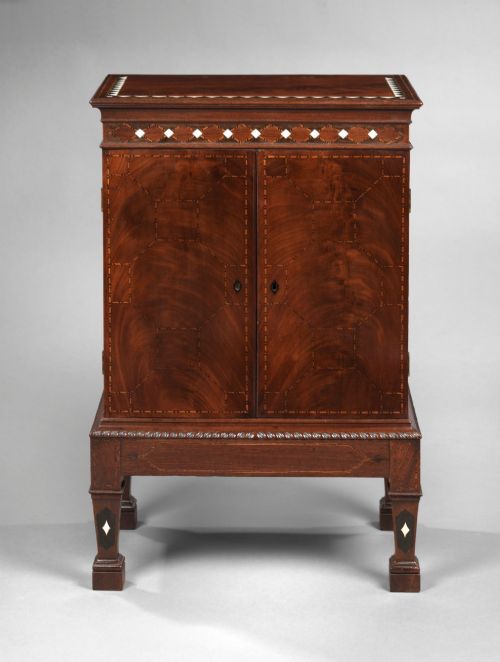
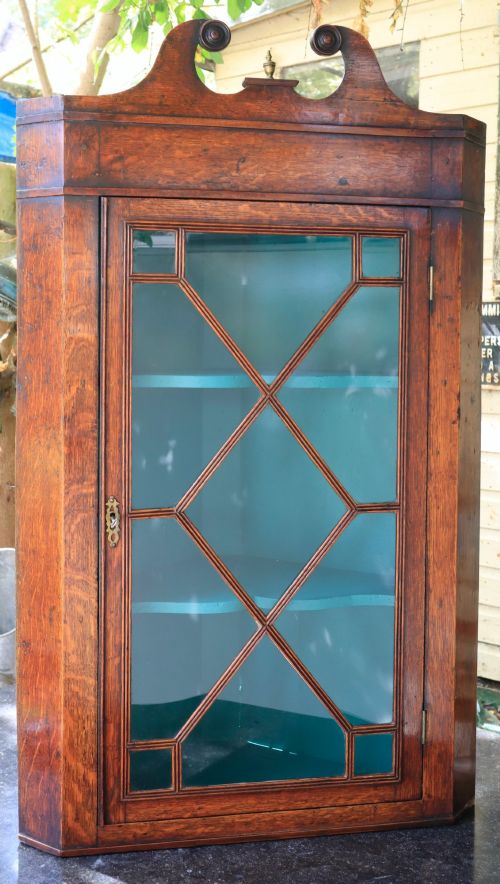
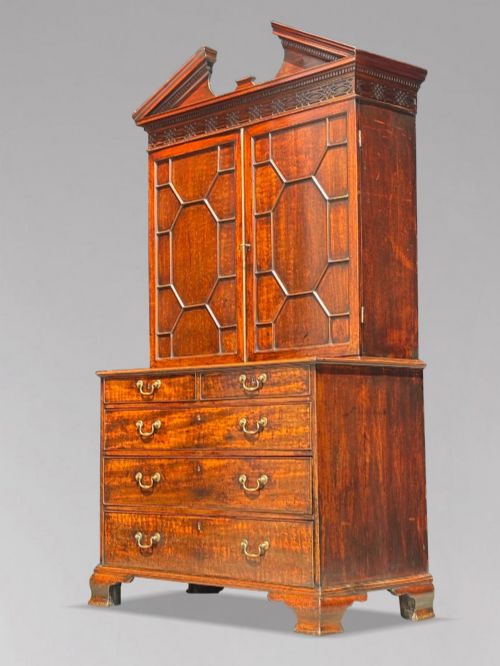
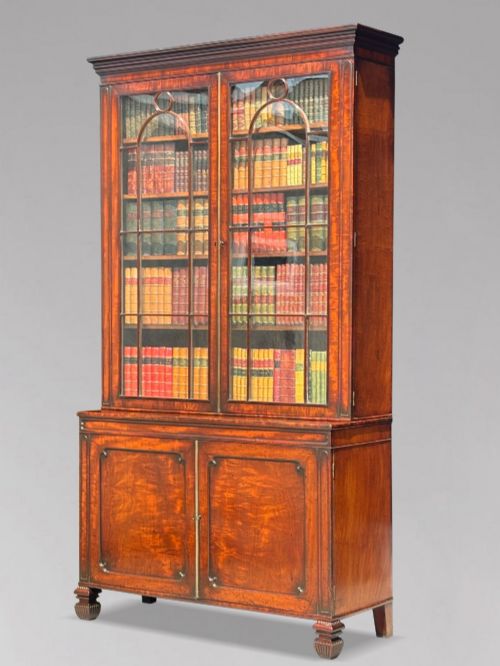
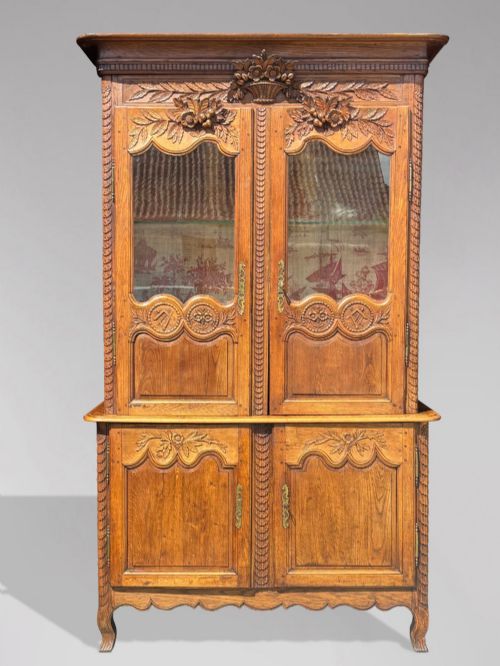
An 18th century display cabinet combines glazed doors with timber shelving to present ceramics, glass and curiosities safely within a room. You encounter both freestanding pieces and hanging wall formats across this selection.
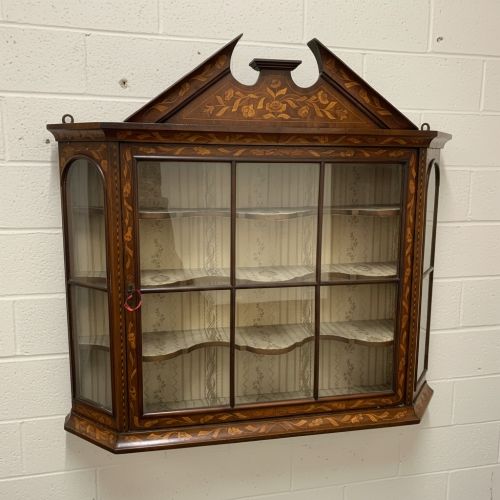
The dominant forms span Dutch marquetry designs alongside English Georgian and George III mahogany pieces. Walnut, oak, fruitwood and harewood provide the primary carcases, often paired with glass panels and brass hardware.
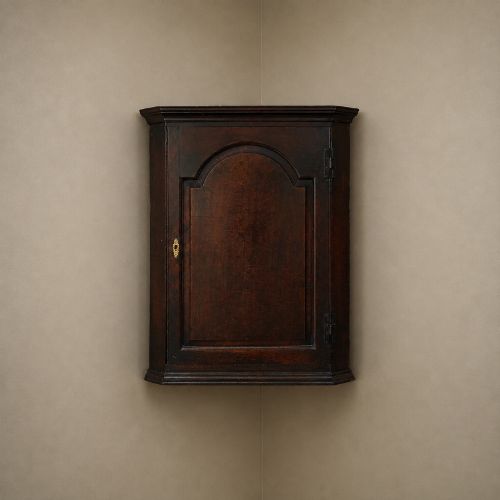
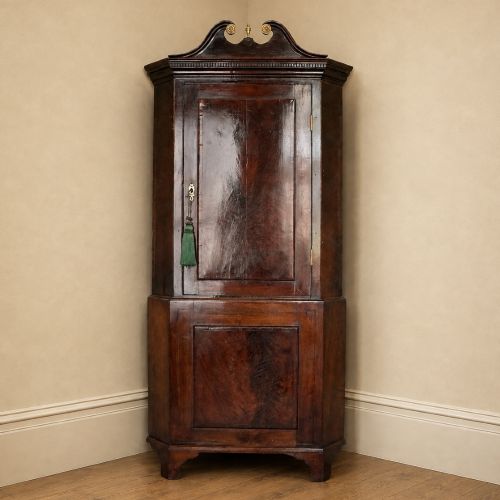
Regional styles include Dutch Baroque and Rococo expressions alongside English cabinet-making traditions associated with designers such as William Kent. Wall cabinets and narrow corner cupboards serve smaller spaces whilst large cabinet-on-chest forms anchor larger interiors.
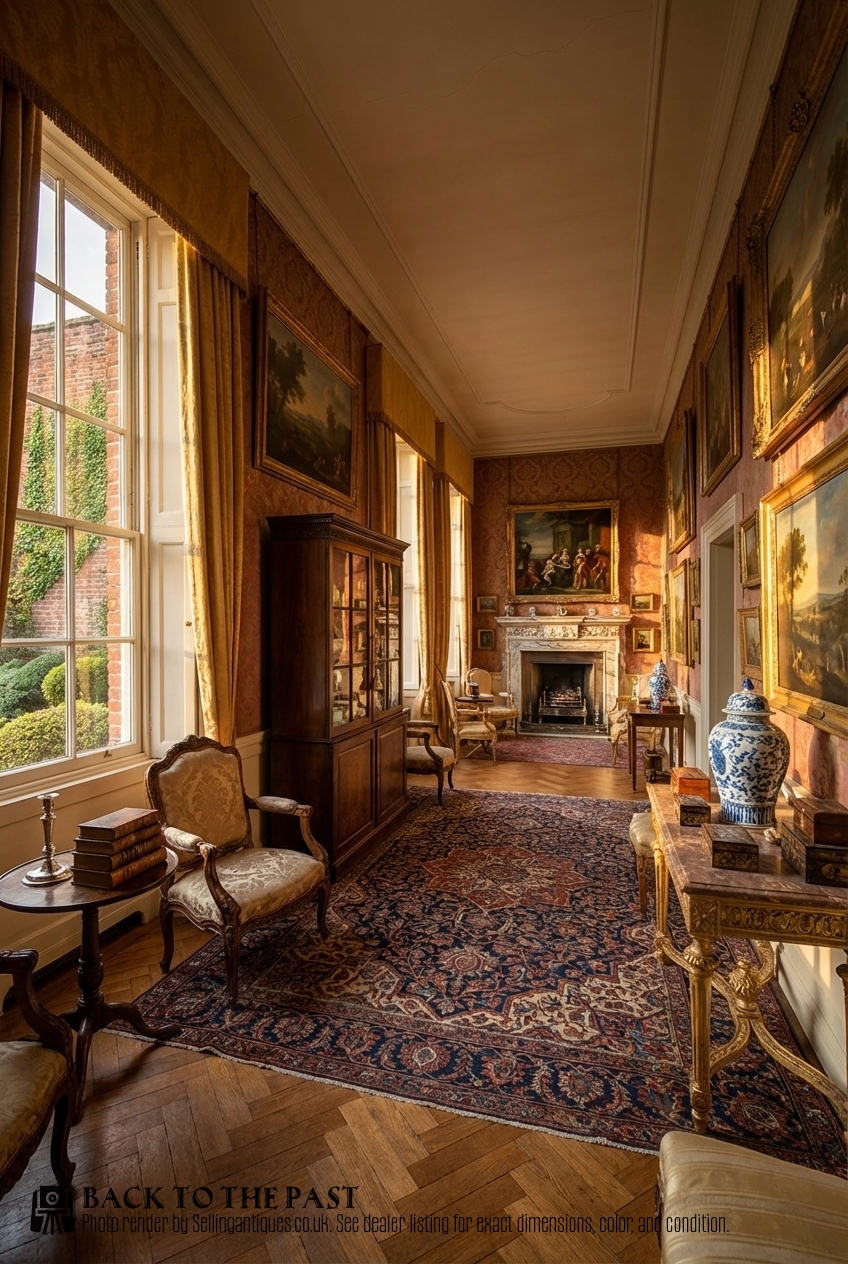
Materials and construction methods
Cabinet makers built these pieces using solid timbers and veneers including mahogany, walnut, oak, fruitwood and pine. Marquetry decoration incorporates floral fruitwood inlay set into walnut and burr walnut surfaces.
Glazing relies on timber framing to hold individual glass panes within doors and sides. Brass fittings secure doors and interior elements while fabric lines certain display compartments.
Retail Price Guide 2026
Typical UK retail prices for 18th century display cabinet, calculated from the Sellingantiques database of over a million retail prices indexed since 2003. This retail price guide relies exclusively on Sellingantiques data; no external sources or auction records are used, so the figures do not describe the wider market.
Listings feature walnut, mahogany, oak, fruitwood and harewood across Dutch and Georgian periods.
Distinguishing quality across examples
The precision of marquetry inlay and the choice of primary timber define the upper tier of Dutch cabinet work. Burr walnut and figured mahogany display surfaces show deliberate grain selection and careful book-matching.
Carved ornament depth and proportions separate standard regional joinery from pieces attributed to high-style Georgian workshops. Secondary timbers such as oak and pine reveal the structural integrity hidden behind primary facades.
William Kent
The 18th Century Display Cabinet Glossary
- Marquetry
- Decorative veneer work forming pictures or patterns using various woods. This technique appears frequently on Dutch cabinet doors and drawer fronts.
- Vitrine
- A glass-fronted cabinet designed for displaying fine objects. These pieces often feature glazed sides alongside front doors.
- Cabinet on chest
- A two-part form placing a display cabinet directly upon a lower chest of drawers. This configuration provides substantial vertical storage.
- Hanging corner cabinet
- A wall-mounted piece built to fit into a room corner. English examples frequently utilise oak with mahogany banding.
- George III
- The design period spanning the reign of George III from seventeen sixty striker to eighteen twenty. Pieces from this era often employ mahogany or harewood.
Frequently Asked Questions
How do I clean the glass?
Use a soft cloth and a gentle glass cleaner applied to the cloth rather than directly onto the wood surface.
Keep moisture away from historical timber and old veneer work to preserve the finish.
Where should I place it?
Position your cabinet away from direct sunlight and heat sources to protect fragile veneers and historical polishes.
Interior lighting can be added carefully without altering the original timber structure.
Are shelves adjustable?
Most period interiors feature fixed wooden shelving integral to the original joinery design.
Internal depths vary according to whether the piece is a slim corner cupboard or a deep cabinet on chest.
How do I identify Dutch marquetry?
Look for detailed floral and foliate inlay executed in contrasting fruitwoods across walnut or burr walnut surfaces.
Dutch examples often display undulating outlines associated with Baroque and Rococo furniture traditions.