


18th Century Delft Dish
An 18th century delft dish brings tin-glazed earthenware into a room, offering collectors hand-painted blue and white or polychrome scenes from centuries past.
18th Century Delft Dish
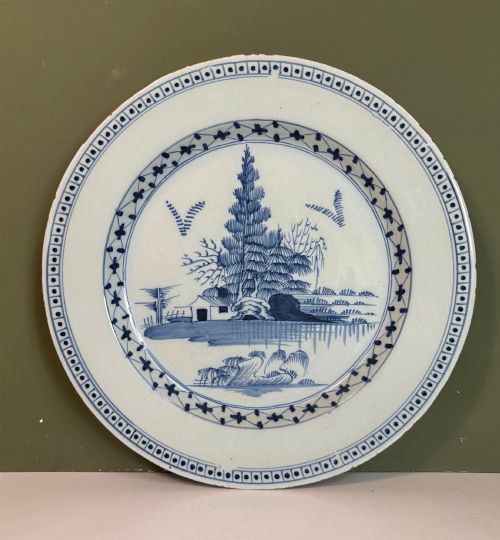
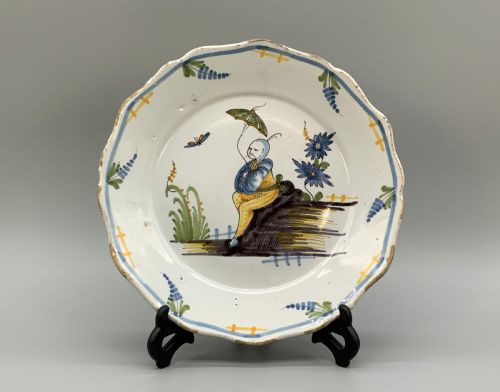
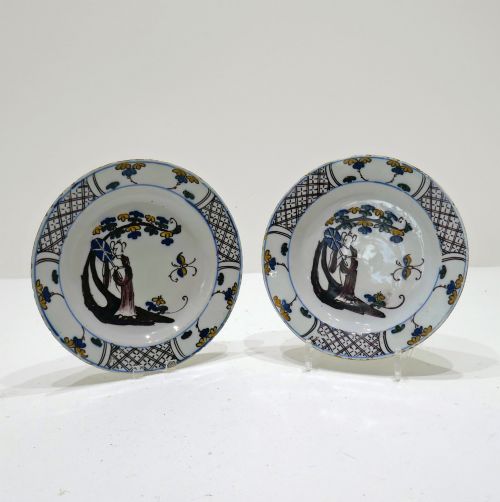
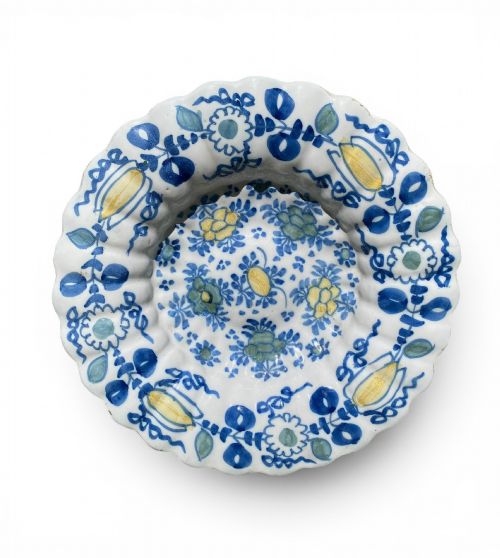
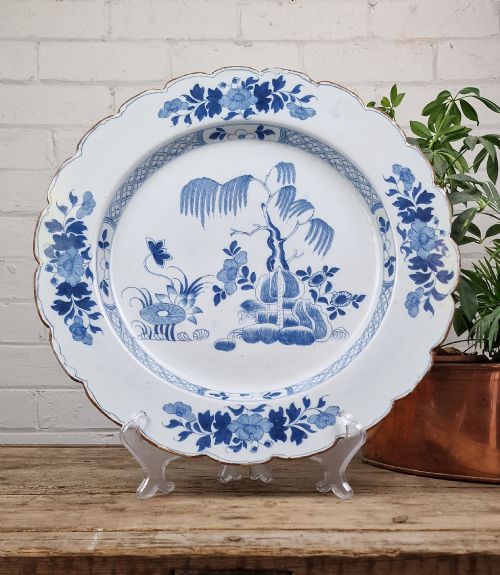
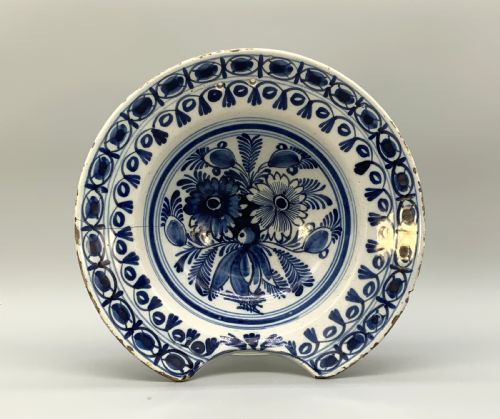
When you search for an 18th century delft dish, you encounter chargers, plates, shallow bowls, and barber's bowls shaped from earthenware. These pieces served decorative and functional roles across English, Dutch, French, and Spanish workshops during the period.
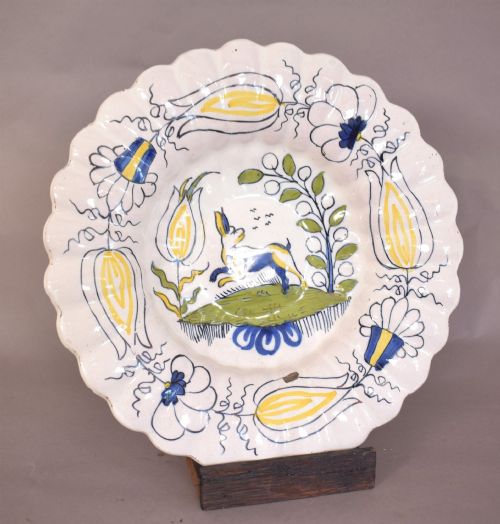
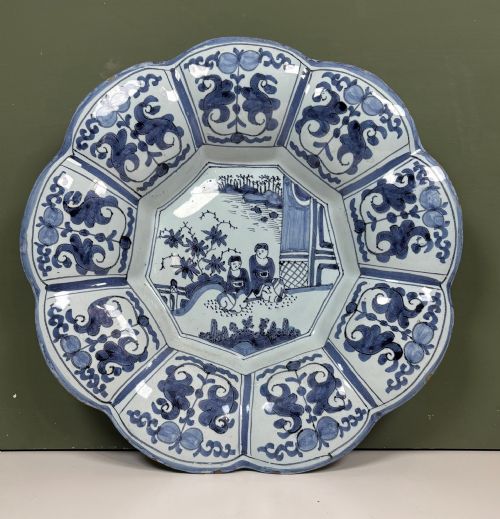
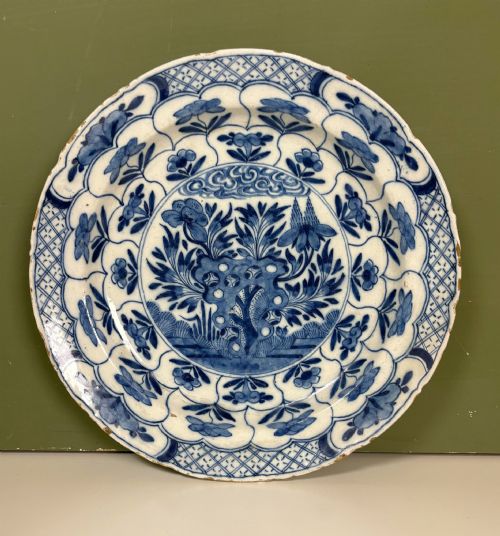
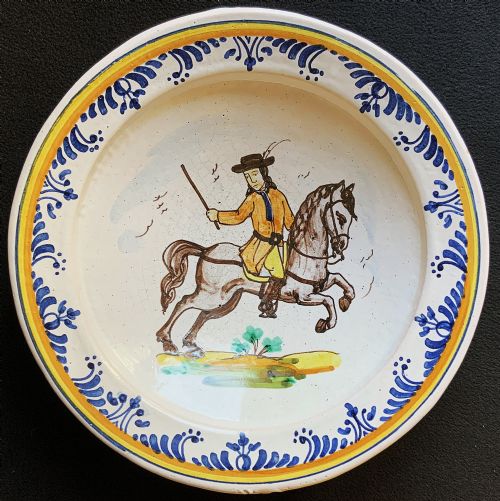
The version you most frequently meet on this page is the large charger or plate, painted in cobalt blue or polychrome pigments with floral, geometric, or Chinoiserie motifs. English and Dutch examples dominate the selection, spanning standard domestic wares to grand decorative display dishes.
How they were made
Potters formed these items using local earthenware clays, which were shaped and fired before receiving an opaque white tin glaze. This tin-glazed coating provided a smooth, milky canvas for subsequent decoration.
Artisans applied cobalt pigment, manganese, and other mineral oxides directly onto the unfired or lightly fired glaze, where the colours absorbed permanently into the surface during the final kiln firing.
Several plates come equipped with pierced footrings, proving that seventeenth-century interior decorators loved hanging things on walls just as much as we do.
What varies in quality
Quality rests primarily on the crispness and confidence of the hand-painted brushwork, distinguishing hurried commercial output from skilled artistic execution. Pieces featuring finely detailed polychrome or intricate Chinoiserie compositions demonstrate superior craftsmanship.
The evenness of the tin glaze and the stability of the earthenware body also dictate the standard of a piece. Finer examples retain smoother surfaces with minimal kiln distortion and vibrant, well-fixed pigment colours.
Bristol·Lambeth
The 18th Century Delft Dish Glossary
- Charger
- A large decorative plate, typically measuring over twelve inches across, intended for display on walls or sideboards rather than heavy dining use. These large surfaces allowed artists more room for complex floral and figural scenes.
- Tin Glaze
- An earthenware glaze rendered opaque and white by the addition of tin oxide. This coating formed the essential background for painted ceramic decoration across Europe.
- Polychrome
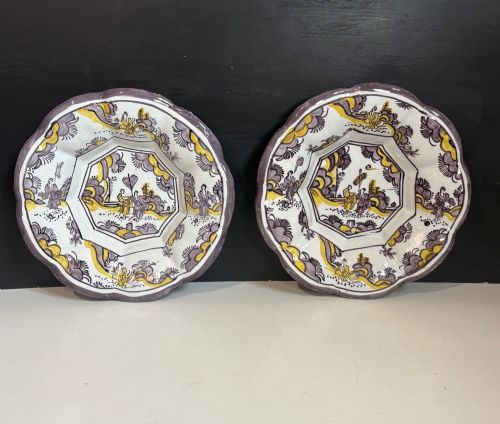
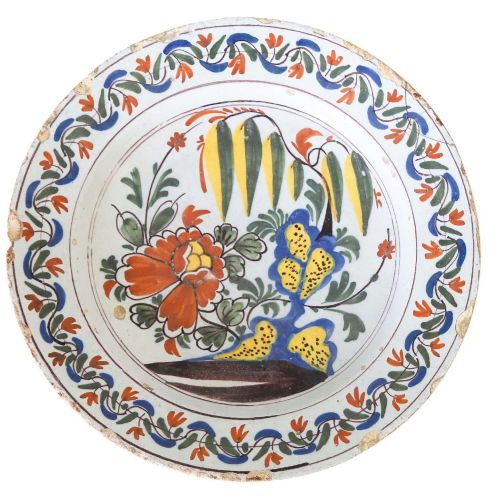
- Decoration employing multiple colours rather than a single hue. On these ceramics, palettes often combine blue, yellow, manganese, and green pigments.
- Chinoiserie
- European artistic interpretations of Chinese and East Asian decorative styles. This aesthetic appeared frequently on tin-glazed earthenware dishes during the eighteenth century.
- Presentier
- A raised dish or stand used for serving sweetmeats or confectionery. These forms stand apart from standard flat plates through their elevated profile.
18th Century Delft Dish: Frequently Asked Questions
How were delft dishes used?
These pieces functioned primarily as display items on sideboards and walls, though some served at table for dry foods or sweets.
Larger chargers were frequently hung using pierced footrings, while smaller plates saw active household service before entering collector cabinets.
Are all delft dishes blue and white?
While cobalt blue dominates the surviving output, many examples utilise polychrome decoration incorporating yellow, manganese, and green.
These coloured variations often feature geometric borders or floral sprays applied over the standard white tin glaze.
Where were these ceramics made?
Production centred in major ceramic hubs across England, the Netherlands, France, and Spain during the eighteenth century.
English centres like Bristol and Lambeth worked alongside prolific Dutch potteries to supply domestic and export markets.
How do I care for tin glaze?
Keep these earthenware objects away from moisture and harsh cleaning agents to protect the porous clay body and fragile glaze.
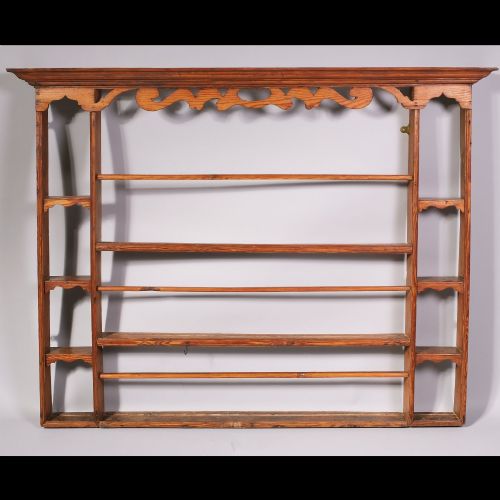
Display them securely on stable surfaces or specialised plate hangers to prevent accidental knocks and chipping.