






18th Century Chinoiserie Furniture
18th century chinoiserie furniture brings lacquered surfaces and painted scenes into a room, offering the decorative richness collectors prize.
18th Century Chinoiserie Furniture
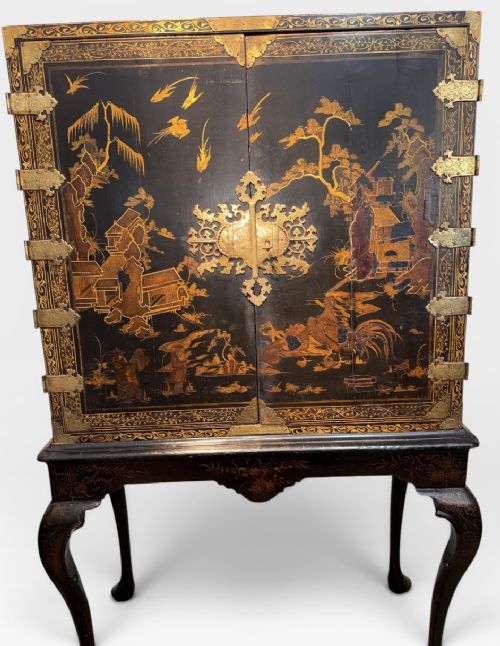
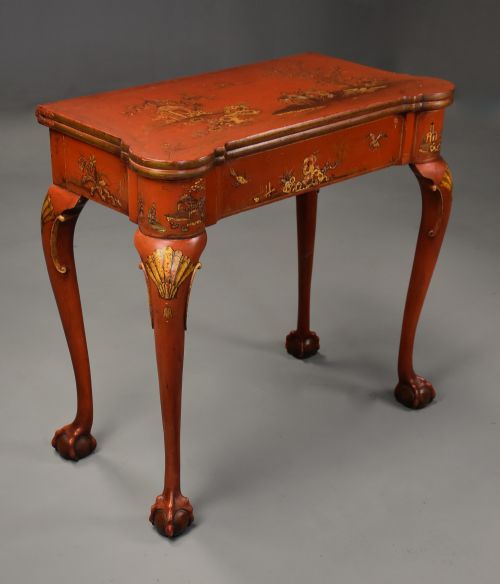
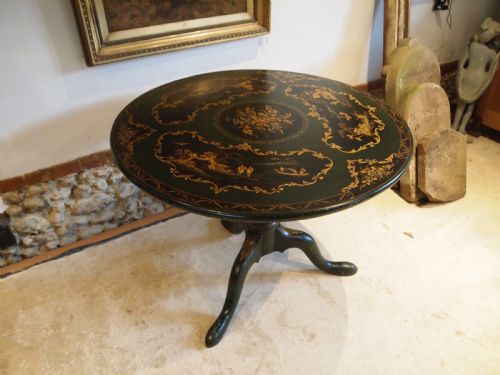
18th century chinoiserie furniture comprises case pieces, tables, mirrors, and seating decorated with European interpretations of East Asian motifs. Buyers encounter authentic 18th century examples alongside later revivals from the Edwardian period and the year 1920 that emulate the historic style.
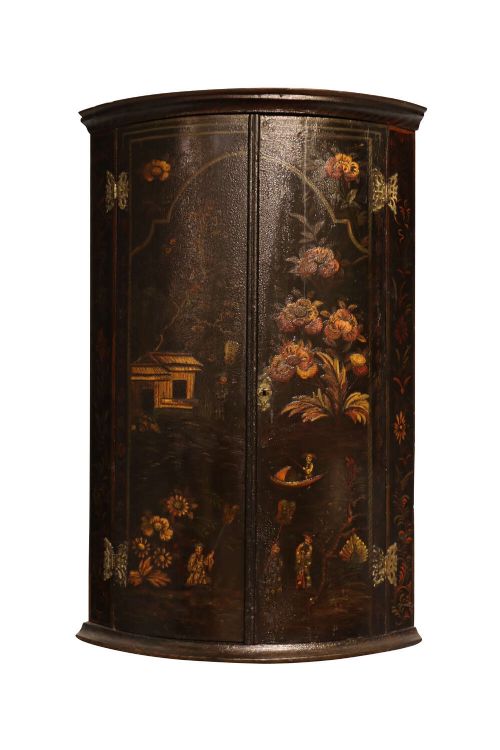
The form encompasses corner cabinets, games tables, dressing mirrors, coffers, side tables, and cabinets on stands. These items served functional domestic roles while displaying elaborate painted and lacquered decoration across their wooden surfaces.
Origins span English, Dutch, and Chinese export traditions, reflecting international trade and stylistic exchange. Pieces range from grand lacquer cabinets on stands to intimate toilet mirrors with miniature bureau bases and side chairs.
What Varies in Quality
Quality depends on the crispness and depth of the gilt decoration and the preservation of the original lacquered surface. Pieces with well-maintained painted details and intact original gilt ornamentation stand apart from heavily restored examples.
The sophistication of the cabinetwork itself, from the proportions of a corner cupboard to the joinery of a games table, dictates the tier of the piece. Finer items exhibit superior control in both structural carpentry and decorative execution.
Miniature bureau bases attached to toilet mirrors allowed eighteenth-century owners to conceal tiny secrets while powdering their wigs.
The 18th Century Chinoiserie Furniture Glossary
- Lacquer
- A durable resin finish applied in multiple layers to furniture surfaces. It provides a smooth, glossy base for painted and gilt ornamentation.
- Japanning
- A European imitation of East Asian lacquerwork developed during the seventeenth and eighteenth centuries. It involves building up resin layers and decorating them with metallic dust and painted motifs.
- Coffer
- A large chest used for storage, often decorated on the exterior. In this category, coffers feature lacquered chinoiserie finishes.
- Gilt decoration
- Application of gold leaf or gold paint to highlight specific design elements. Good original gilt decoration adds significant visual presence to the piece.
- Corner cabinet
- A storage piece designed to fit neatly into the corner of a room. These frequently feature two doors enclosing shelving for display or storage.
18th Century Chinoiserie Furniture: Frequently Asked Questions
How do I care for lacquered surfaces?
Keep lacquered pieces away from direct sunlight and excessive heat to prevent cracking or fading. Dust gently with a soft, dry cloth without applying modern liquid polishes.
Maintain stable room humidity to protect the wood substrate and the layers of lacquer from expanding or contracting. Professional conservation is recommended for any significant surface damage.
What is Chinese export furniture?
Chinese export furniture was manufactured in China specifically for the European market during the eighteenth century. These items combined traditional Chinese materials and craftsmanship with European forms requested by merchants.
Such pieces often display authentic Asian lacquer techniques applied to furniture shapes suited for Western homes. They represent a direct cross-cultural exchange in design and production.
Where were corner cabinets used?
Corner cabinets were placed in dining rooms, parlours, or hallways to utilise unused room angles efficiently. They stored porcelain, glassware, or small valuables while contributing to the decorative scheme.
The painted chinoiserie doors added colour and visual interest to corners that might otherwise remain dark or unadorned.