

18th Century Brass Clock
An 18th century brass clock brings mechanical precision and the warmth of traditional cabinet-making into a room.
18th Century Brass Clock
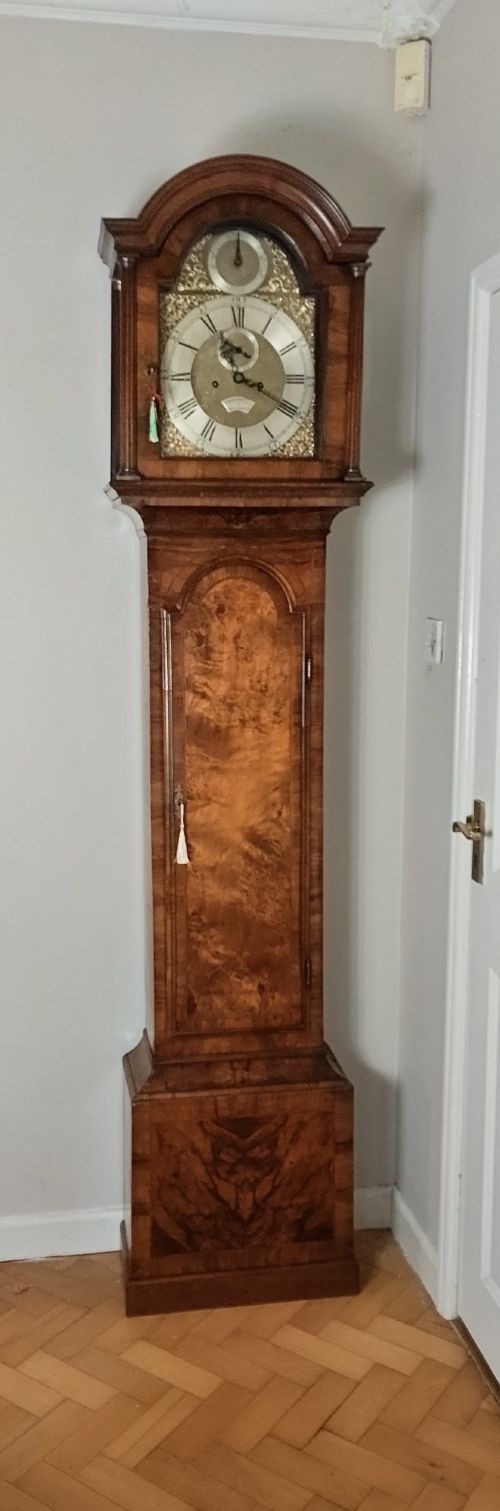
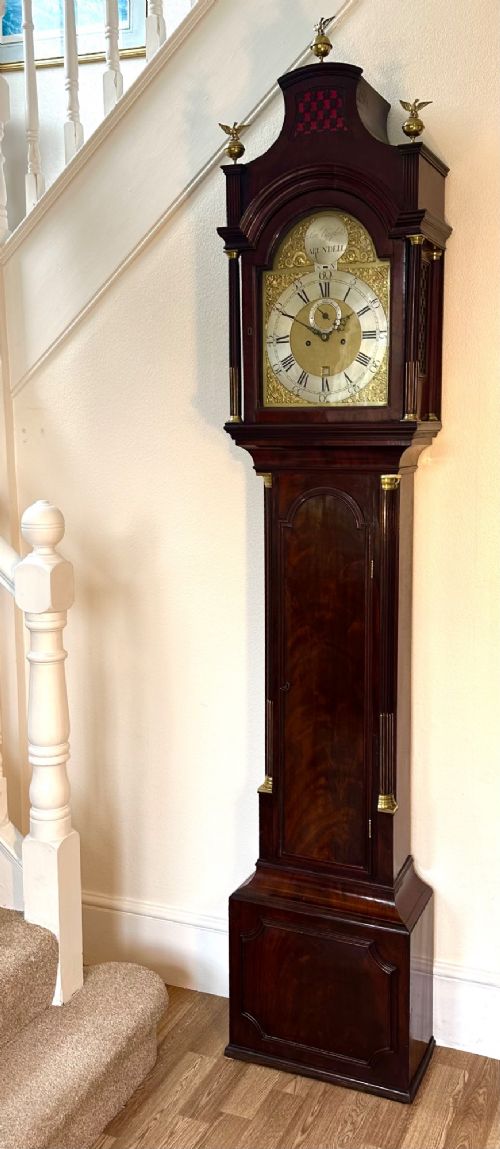
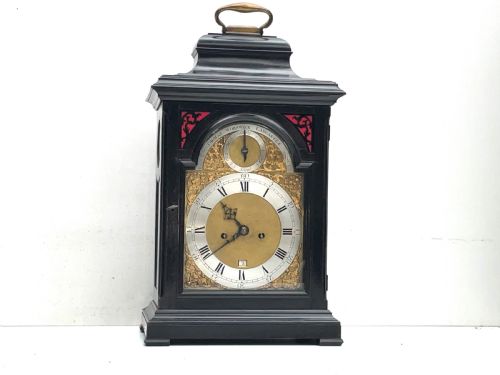
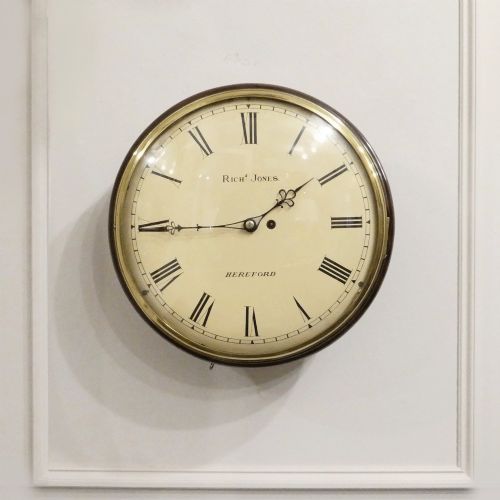
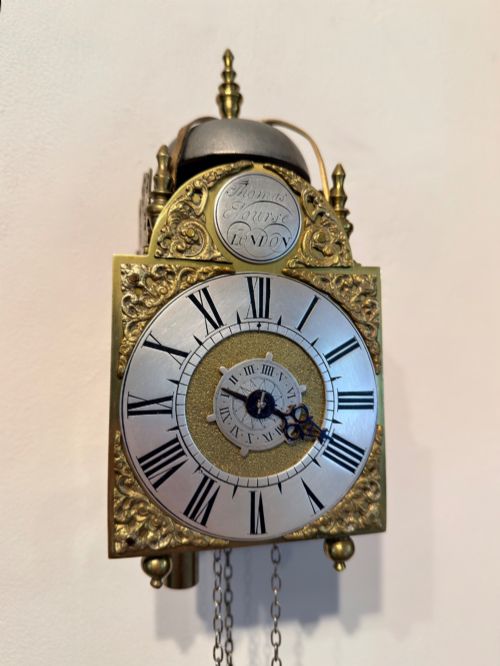
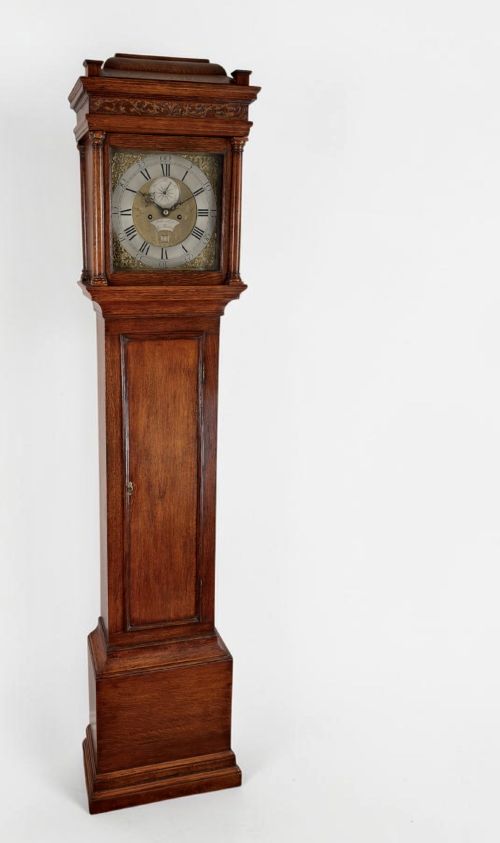
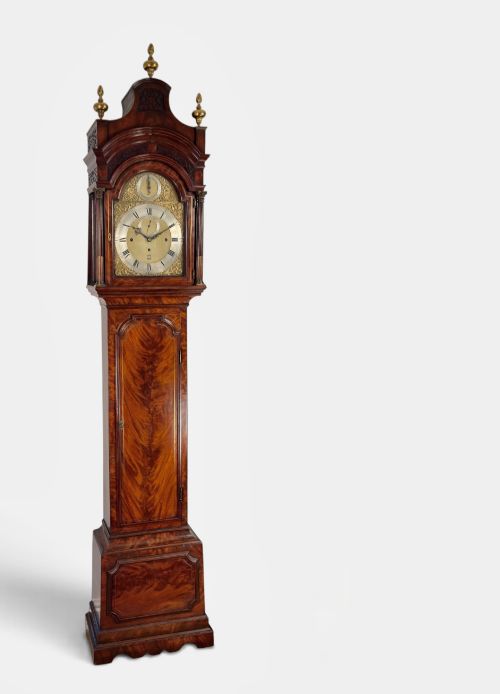
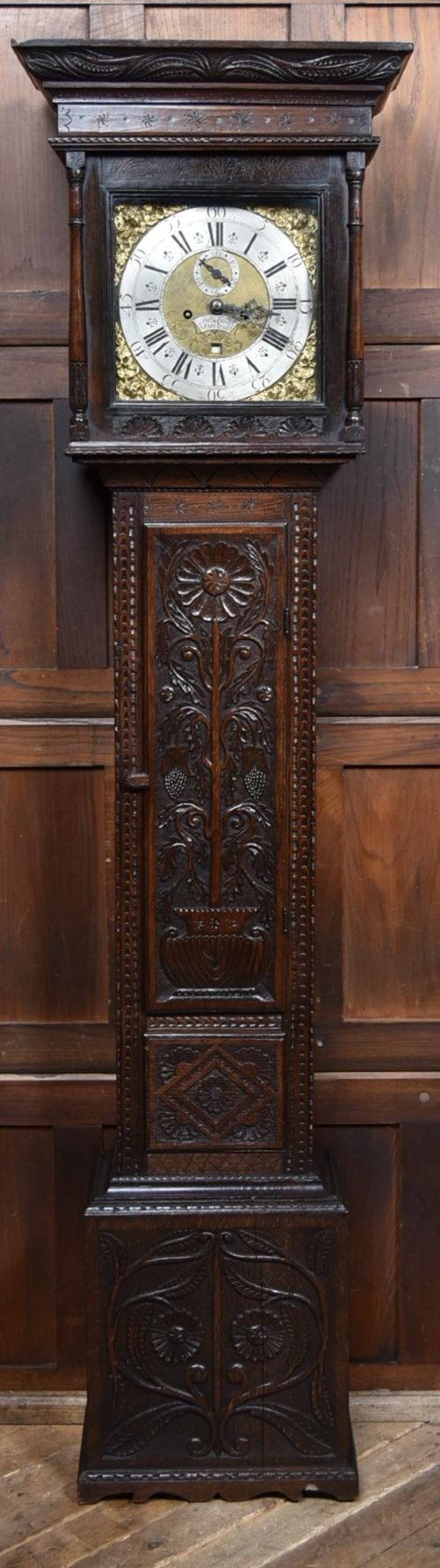
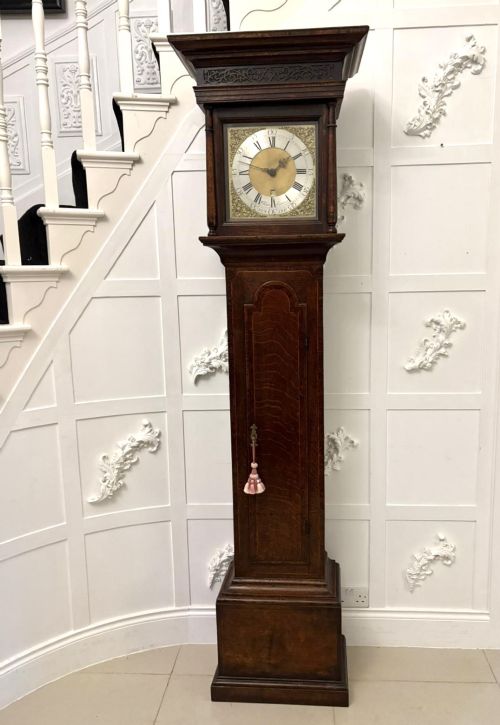
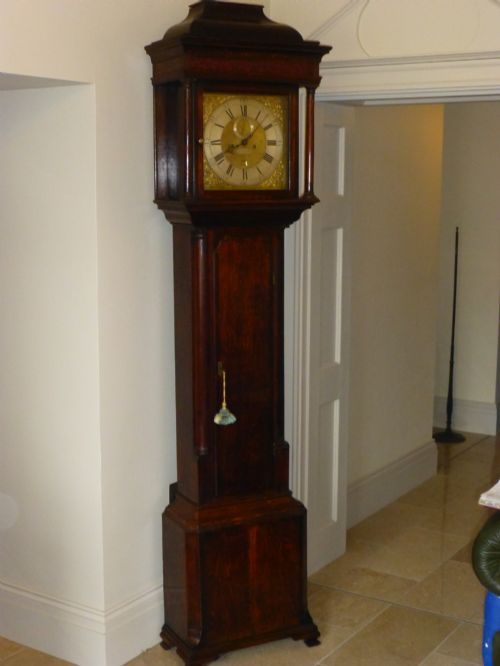
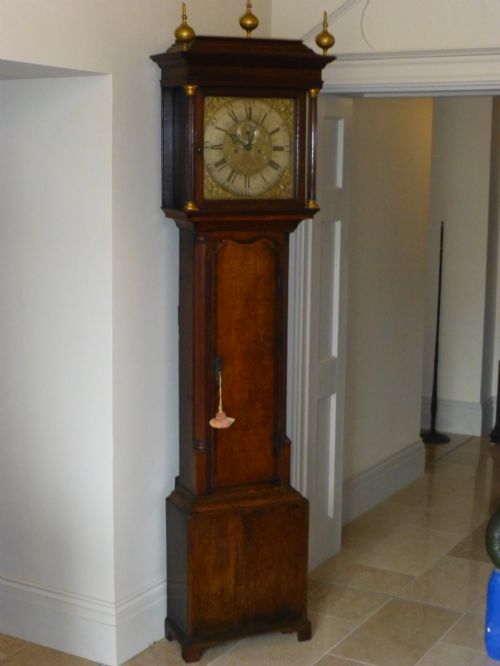
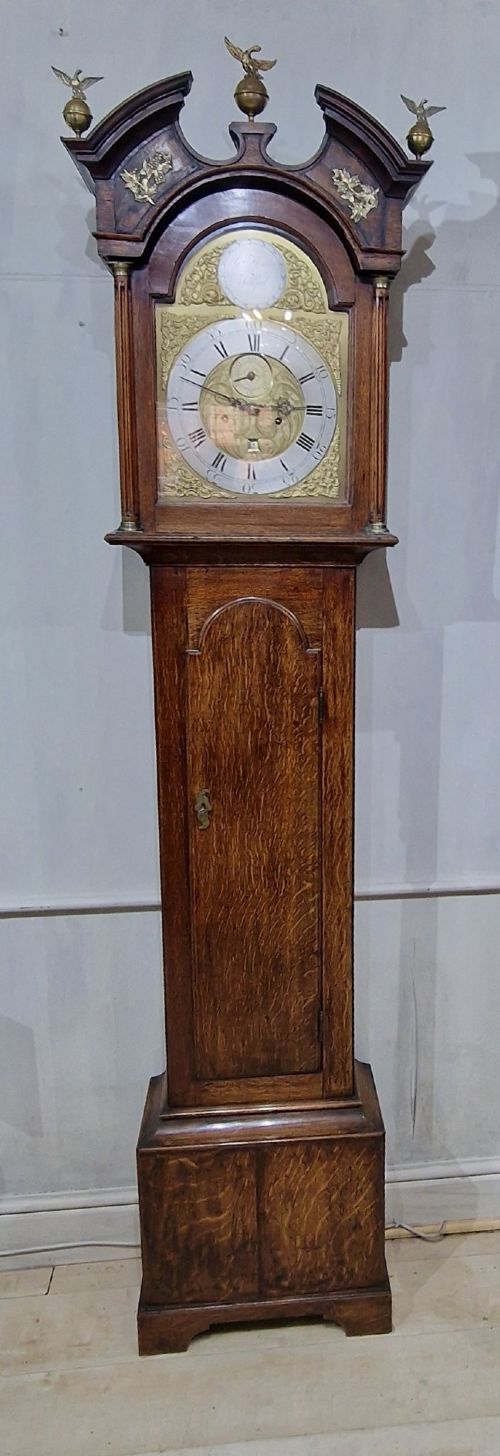
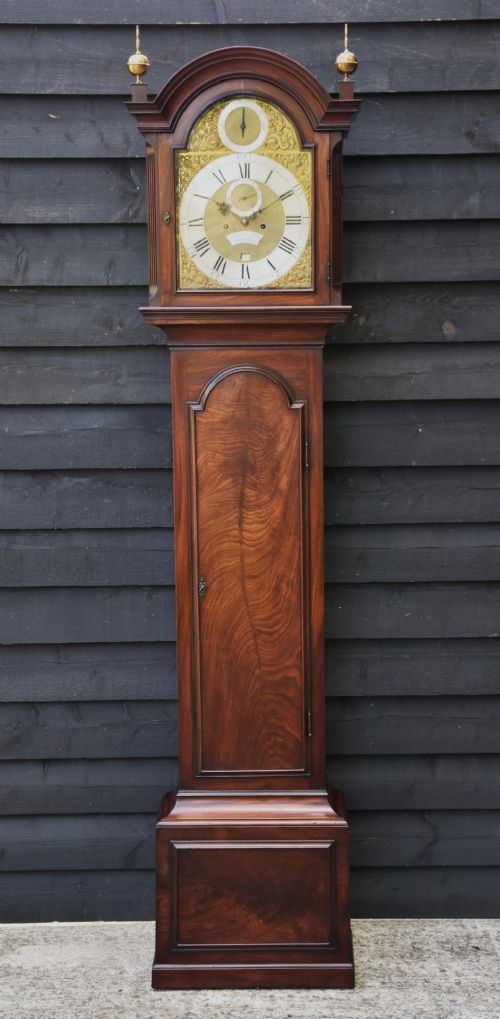
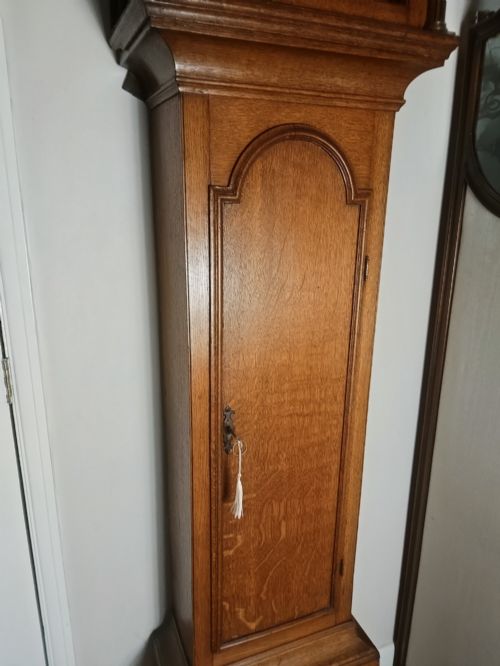
When searching for an 18th century brass clock, buyers encounter tall floor-standing timepieces alongside smaller wall, bracket, and mantel designs. The most common form on this page is the longcase clock, also known as a grandfather clock, housed in timber cases.
The periods represented span the 17th century through the Victorian era, with a strong concentration of Georgian pieces. Styles range from simple provincial oak models to elaborate London examples featuring marquetry, japanning, or burr walnut.
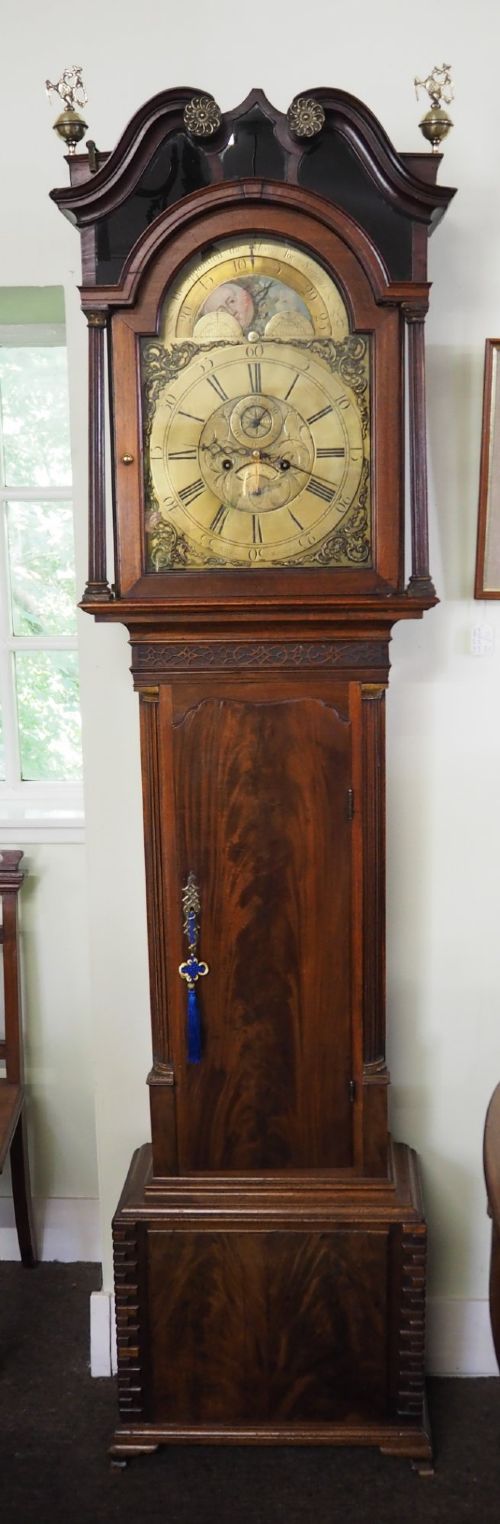
Dial variations include brass faces with silvered chapter rings, moonphase displays, and single-hand movements. These objects served as the primary timekeepers in domestic interiors, combining functional engineering with cabinet craft.
How They Were Made
The structural framework relies on domestic hardwoods such as oak, walnut, and mahogany, frequently complemented by decorative veneers like burr walnut and tortoiseshell. Clockmakers combined these timbers with cast brass for dials, steel for internal mechanical components, and glass for face protection.
Movements required precision metalworking, utilising brass plates and wheels alongside iron arbours and verge or anchor escapements. Dials were engraved or silvered, and cases were joined and polished by regional and metropolitan cabinet-makers.
Some provincial clocks rely on a single hand, trusting that the household did not need to measure minutes too closely.
What Varies in Quality
Distinction across the range lies in the complexity of the movement and the integration of the case. London makers often produced sophisticated quarter-striking or moonphase mechanisms housed in finely figured mahogany or marquetry. Provincial pieces, while simpler in mechanical scope, show regional character through local timbers and hand-engraved brass dials.
The integrity of the dial relative to the movement and the execution of the timber casework dictate the standing of an individual piece. Original surfaces and untouched mechanical parts elevate examples beyond those with extensive replacement components.
Lee of Great Marlow·John Ellicott of London·Jn° Smith, Macclesfd·James Field of Hempstead·Richard Corless of Stockport·Smith of Chester·Thuret, Paris·William Gard, Exeter·Thomas Hedge of Colchester·William Jourdain·Benjamin Taylor·Charles Louch St. Albans·Windmills and Wightman, London·George Hallifax Of Doncaster·Matt Wylie Paisley·Joseph Gibson Ecclefechan·Benjamin Reeves, Lamberhurst·Newman of Norwich·John Taylor Kirby Stephen Westmoreland
The 18th Century Brass Clock Glossary
- Chapter ring
- The metal ring on a clock dial that displays the hours. These are frequently silvered to contrast against the brass dial plate.
- Verge movement
- An early type of escapement mechanism found in older clocks. It regulates the release of the gear train using a crown wheel and pallet arrangement.
- Longcase clock
- A tall, floor-standing weight-driven timekeeper enclosed in a wooden case. They are also widely referred to as grandfather clocks.
- Bracket clock
- A portable table or shelf clock designed during the 17th and 18th centuries. They often feature carrying handles on top.
- Moonphase
- A dial mechanism tracking the phases of the lunar cycle. This complication appears on more elaborate longcase clocks.
- Japanning
- A form of European decorative finishing that imitates East Asian lacquerwork. It involves layered varnishes applied to wooden cases.
18th Century Brass Clock: Frequently Asked Questions
What is an 18th century brass clock?
These are mechanical timekeepers housed primarily in wooden floor or wall cases, featuring metal dials and weight-driven or spring-driven movements.
They represent a period when clockmaking combined domestic utility with advanced mechanical engineering and cabinet-making skills.
How do I wind an 18th century clock?
Most mechanical clocks require a winding key or pulling cords to raise the weights periodically, depending on whether they run for thirty hours or eight days.
Care must be taken to match the winding routine to the specific movement type without over-tensioning the mechanism.
Where were these clocks placed?
Longcase clocks stood in hallways or living spaces where their height and striking chimes could be heard throughout the home.
Smaller bracket and wall clocks were placed on tables, shelves, or brackets in parlours and reception rooms.
How do I identify a Georgian clock?
Georgian pieces typically display architectural wooden cases in oak, mahogany, or walnut, paired with engraved brass or painted dials.
Stylistic cues such as arched hoods, flat tops, and regional signature engravings help separate these works from later Victorian productions.