



Georgian Brass Timekeeper
A georgian brass timekeeper brings mechanical precision and period character into a room, offering the weighty materials and traditional movements collectors prize.
Georgian Brass Timekeeper
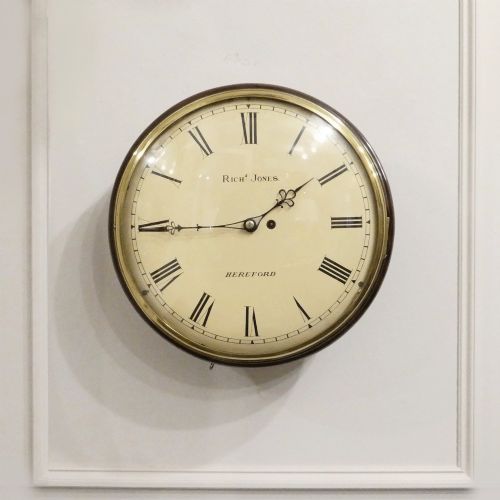
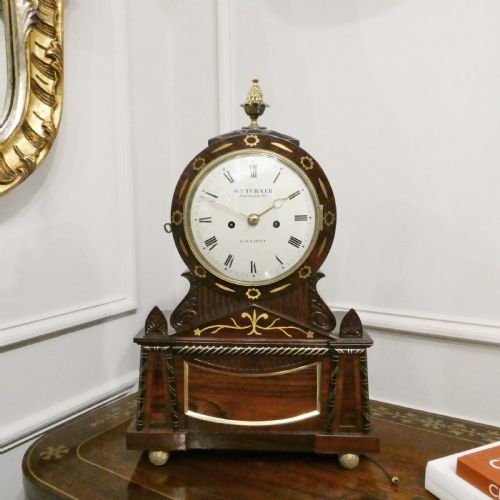
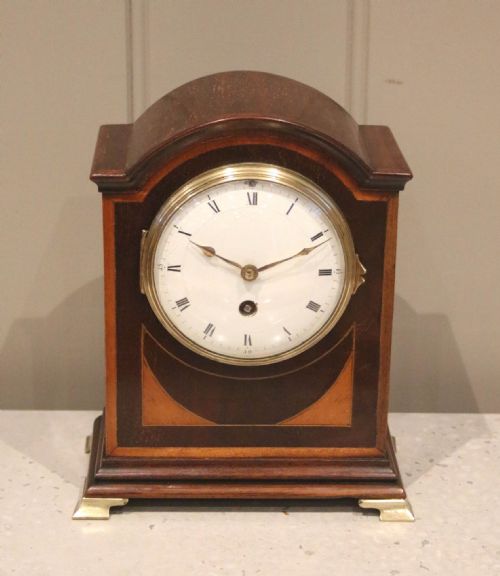
When you search for a georgian brass timekeeper, you encounter a selection of clocks and watches spanning the Georgian, Regency and later nineteenth-century periods. These objects take forms such as dial wall clocks, bracket clocks, lantern clocks, pocket watches, and sundials.
The pieces listed here represent domestic and portable horology produced across British centres by notable makers. Mahogany, rosewood, and gilt brass dominate the housings, enclosing traditional movements designed for daily timekeeping.
You are most likely to meet mantel clocks and wall clocks housed in timber cases with brass bezels or dials. These items reflect the domestic interiors of the eighteenth and nineteenth centuries, combining utility with decorative cabinetwork.
How they were made
Maker workshops utilised brass for movements, dials, and bezels, combining metal components with timber cases made from mahogany and rosewood. Inlay work in satinwood and horn cases further distinguishes certain portable and pocket pieces.
Movements incorporate verge escapements and chain fusee mechanisms to regulate the release of power from the mainspring or weights. Enamel is applied to dials for legibility, often paired with painted details and subsidiary indicators.
Cabinetmakers constructed architectural housings to protect the delicate gear trains, employing fine timber veneers and patinated bronze or gilt brass mounts. These combined disciplines required collaboration between clockmakers and specialist case makers.
The recorded object types span domestic wall clocks and mantel clocks alongside portable pocket watches, lantern clocks, and outdoor sundials.
What varies in quality
The standard of horological engineering separates standard domestic items from pieces produced by renowned workshops. The precision cut of the gear wheels and the sophistication of the escapement mechanism determine the mechanical integrity of the movement.
Cabinetwork quality manifests in the selection of timber veneers, the crispness of brass inlay, and the retention of original surface patination. Secondary woods and the execution of hand-engraved dial signatures also indicate the original workshop tier.
Richard Jones of Hereford·Turner of London·Windmills and Bennet London·Miller and Adie Edinburgh·FB Adams London
The Georgian Brass Timekeeper Glossary
- Fusee
- A conical pulley used in clock and watch movements to equalise the drive of the mainspring as it unwinds. This mechanism ensures consistent torque is delivered to the gear train.
- Verge escapement
- An early type of escapement mechanism featuring a crown wheel and a verge axis with pallets. It regulates the speed of the clock by periodically stopping the gear train.
- Bracket clock
- A portable table or mantel clock originating in the seventeenth century, originally designed to be placed on a wall bracket. Many examples feature carrying handles on top.
- Pair cased
- A watch construction utilising an inner case to hold the movement and an outer protective case covered in horn, leather, or metal. This style was prevalent during the eighteenth century.
- Moon dial
- A specialised clock dial displaying the phases of the lunar cycle alongside standard time. It uses a rotating painted disc visible through an arched aperture on the dial face.
Georgian Brass Timekeeper: Frequently Asked Questions
What is a georgian brass timekeeper?
A georgian brass timekeeper is a mechanical clock, watch, or sundial produced during the eighteenth or early nineteenth century. These objects use brass for movements and dials, housed in wooden cases or precious metal outer shells.
They represent the domestic technology of the period, combining mechanical gear trains with cabinetry to keep and display time.
How were these clocks used?
Owners placed them on mantelpieces, hung them on walls, or carried them in pockets to track hours and minutes throughout the day. Bracket clocks and mantel clocks served as both practical time sources and status objects in domestic rooms.
Larger wall clocks regulated the routine of households and public spaces, while portable pocket timepieces accompanied individuals on journeys.
How do I live with a mechanical clock?
Living with a mechanical timepiece involves regular winding and stable placement away from direct heat sources and dampness. Ensuring the clock case stands level on a firm surface helps the pendulum or escapement beat accurately.
Maintenance by a professional horologist keeps the gear trains clean and ensures the longevity of the historical movement.
How do I tell periods apart?
Periods are identified through stylistic shifts in case design, dial layout, and mechanical development. Georgian pieces often display restrained mahogany proportions, while Regency items introduce bolder gilt bronze mounts and rosewood veneers.
Nineteenth-century examples show variations in dial printing and case geometry that reflect changing domestic tastes.