
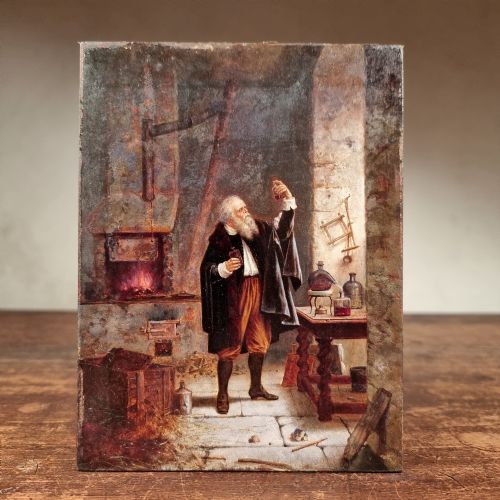


18th Century Apothecary
These pieces from an 18th century apothecary carry the tangible weight of historic medicine, offering collectors functional brass, ceramic, and timber artefacts.
18th Century Apothecary
An 18th century apothecary encompasses the storage containers, grinding implements, and housing furniture used by period practitioners to dispense medicines. The forms range from heavy metal mortars to fitted mahogany boxes and tin-glazed ceramic jars.
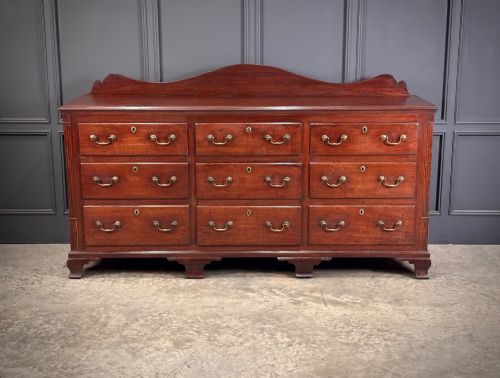
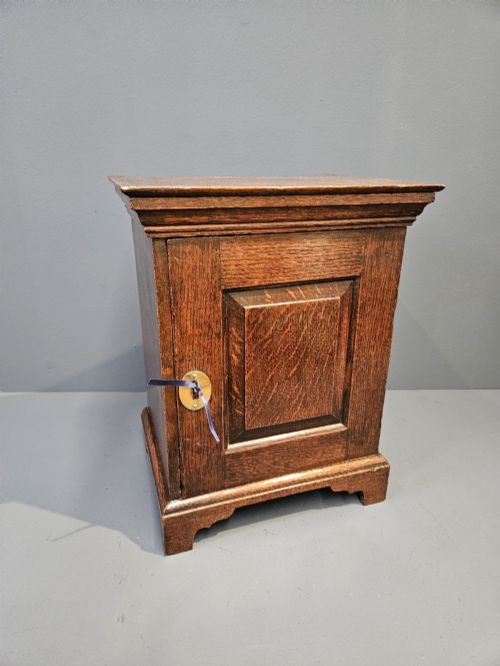
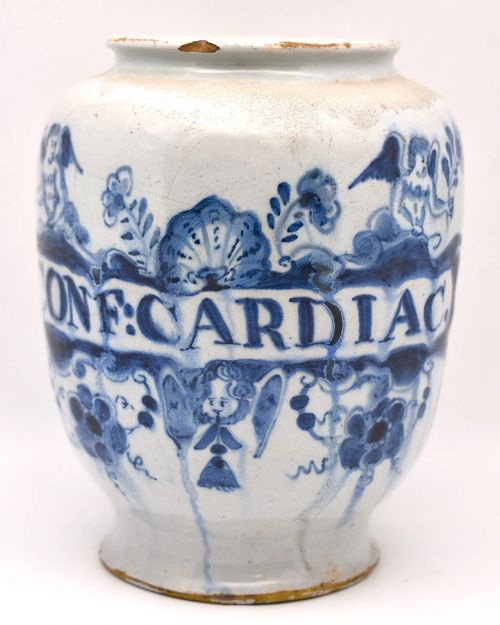
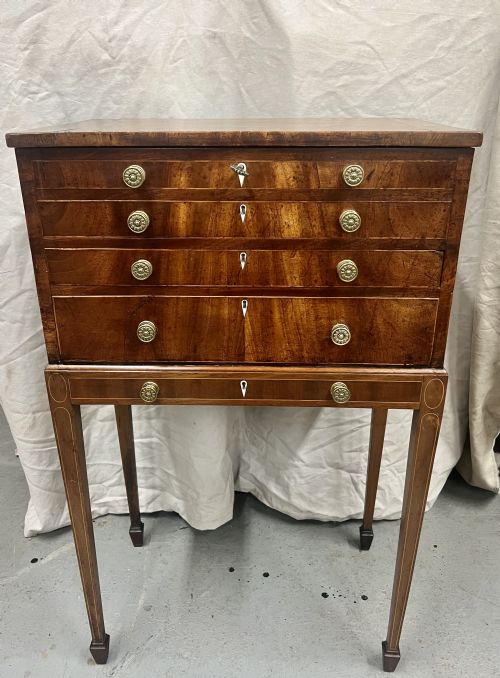
The ceramic vessels include tall albarelli and lidded drug jars, often painted with blue and white designs or polychrome labels denoting specific contents. Alongside these sit oak spice cupboards, wall cabinets, and substantial banks of drawers designed for organising medical ingredients.
Buyers meet a diverse selection spanning English delftware, Italian majolica, and Georgian mahogany furniture. These survivals reflect the domestic and professional storage methods of the era.
Materials and construction
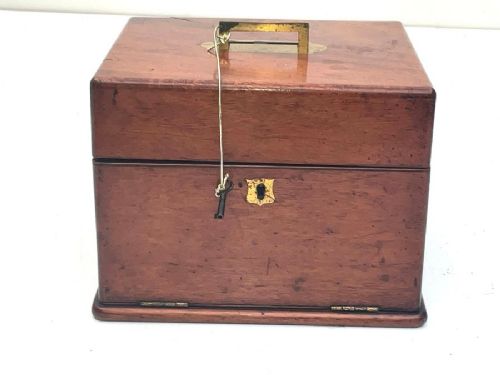
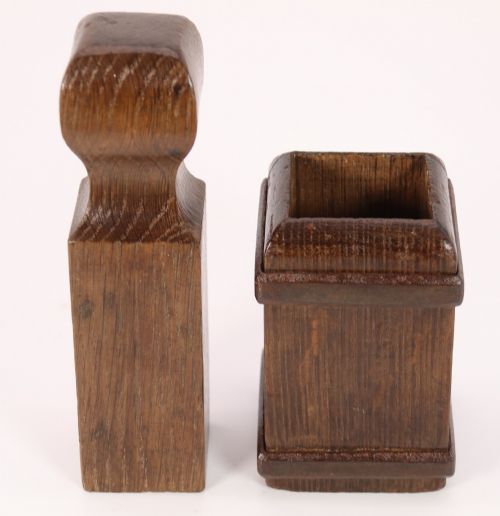
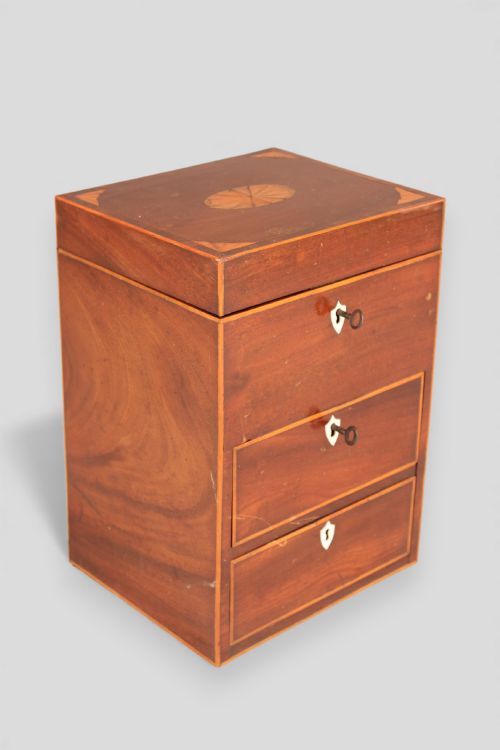
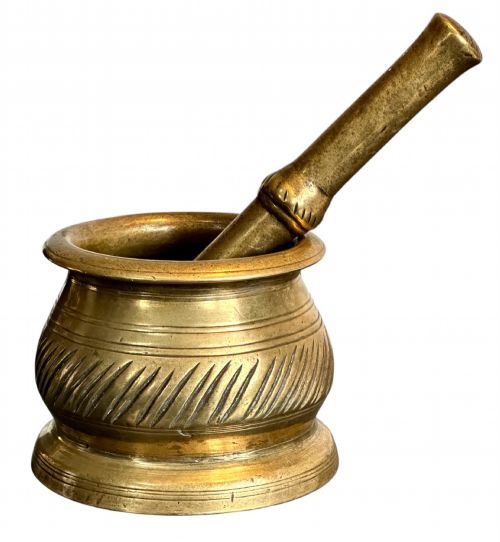
Metal items rely on heavy casting and turning, particularly in bronze and brass mortars paired with matching pestles. Woodwork utilises dense timbers such as mahogany and oak, joined with traditional cabinetry methods to form fitted boxes, spice cupboards, and multi-drawer cabinets.
Ceramic pieces employ earthenware, tin-glaze, and majolica techniques, fired and hand-painted with mineral pigments. Iron mounts and wrought hardware provide structural reinforcement to early crushing tools and wooden chests.
Some boxes still contain mysterious dried powders and original glass bottles.
Assessing quality
Quality rests on the crispness of the hand-painted decoration on ceramic jars and the completeness of fitted interiors within wooden apothecary boxes. Intact original contents, such as surviving glass bottles or apothecary scales, elevate a piece's historical integrity.
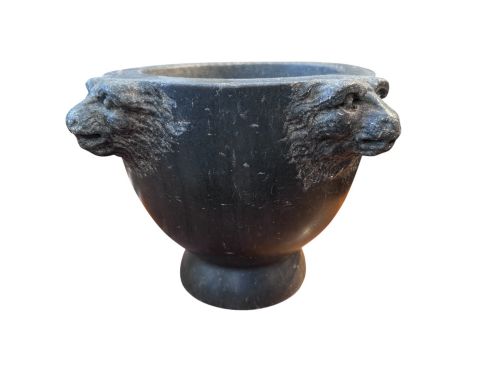
The weight and casting definition of bronze and marble mortars distinguish superior examples from utilitarian pieces. Cabinetry standards depend on timber selection, original painted surfaces, and retained period brass hardware.
The 18th Century Apothecary Glossary
- Albarello
- A cylindrical ceramic drug jar designed with a waisted body for a secure grip during apothecary use. This form originated in the Near East before becoming common in Italian and European pharmacies.
- Delftware
- Tin-glazed earthenware produced in England, the Netherlands, and other regions, featuring a white opaque background painted with pigments. It serves as the primary material for many drug jars and apothecary bottles.
- Mortar and pestle
- A heavy bowl and club-shaped tool used to crush, grind, and mix medical ingredients. Examples from this period appear in bronze, brass, marble, ceramic, and wood.
- Spice cupboard
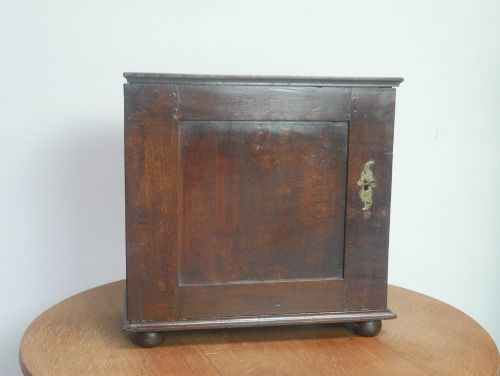
- A small wall-hanging or table-top wooden cabinet featuring internal drawers, utilised in period households and dispensaries for storing dry goods and medicinal herbs.
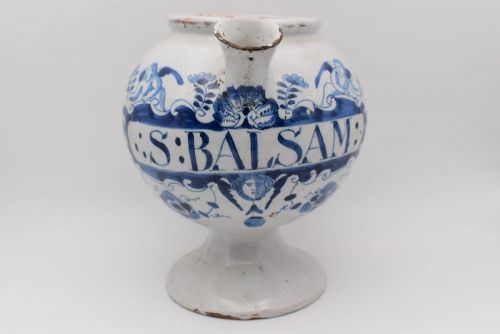
- Wet drug jar
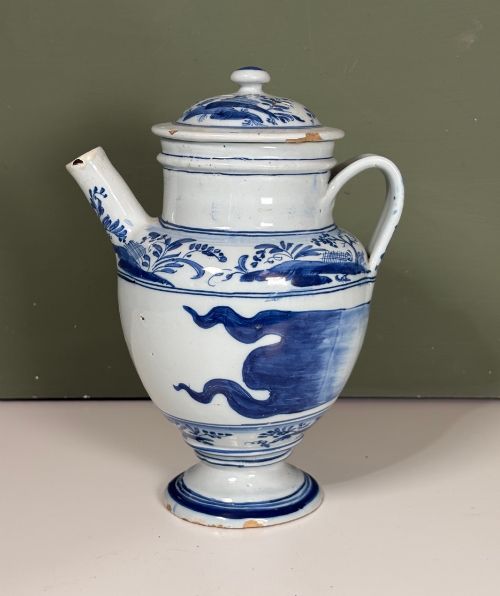
- A ceramic pharmacy vessel with a spout or wide mouth intended for liquid medicines, syrups, and oils. These pieces frequently feature painted Latin inscriptions denoting the specific preparation inside.
18th Century Apothecary: Frequently Asked Questions
How do I identify a genuine 18th century apothecary jar?
Examine the glaze crazing, hand-painted lettering styles, and base wear typical of early pottery manufacturing methods. Authentic period pieces show irregular glaze pooling and hand-mixed mineral pigments rather than modern transfer prints.
Check for historical inventory numbers, apothecary labels, and glaze imperfections consistent with 18th-century ceramic production in English or Italian kilns.
What were apothecary boxes used for?
Apothecary boxes functioned as portable dispensaries for physicians, travellers, and estate owners to carry essential medicines and compounding tools. Fitted wooden interiors secured fragile glass bottles, scales, and mortars during transport.
These compact chests contained compartments for dry powders, wet ingredients, and measuring equipment required for immediate medical treatment.
How should I clean a bronze mortar?
Preserve the natural aged patina by limiting cleaning to gentle dusting with a soft, dry cloth. Avoid abrasive metal polishes that strip away historical oxidation and surface character.
Maintain the bronze surface using neutral microcrystalline wax if moisture protection is necessary, keeping original handling marks intact.
What is the difference between wet and dry drug jars?
Wet drug jars feature spouts or wider pouring configurations designed to hold liquid syrups, oils, and distilled waters. Dry drug jars utilise straight cylindrical bodies intended for powders, roots, and solid preparations.
Both forms utilise tin-glazed earthenware surfaces inscribed with abbreviated pharmaceutical names to guide the apothecary.