



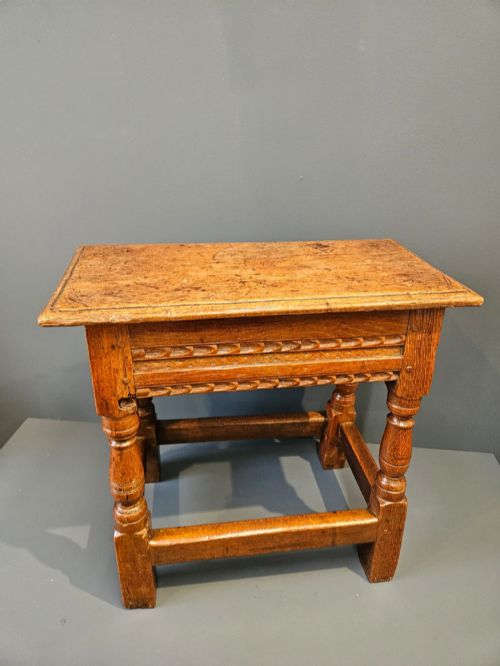

17th Century Country Furniture
These pieces of 17th century country furniture bring domestic utility into modern rooms through robust construction and regional timber.
17th Century Country Furniture
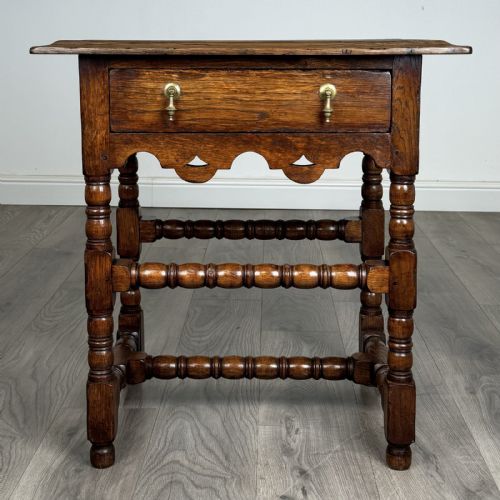
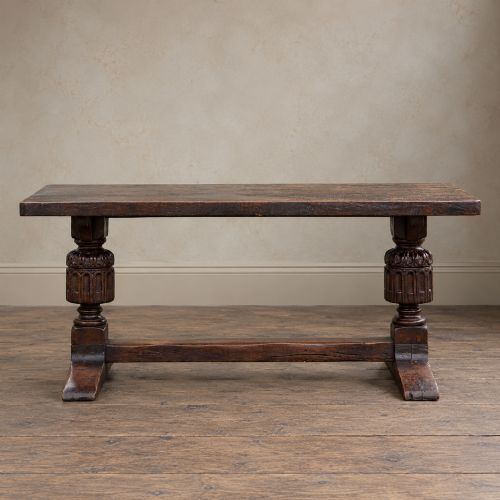
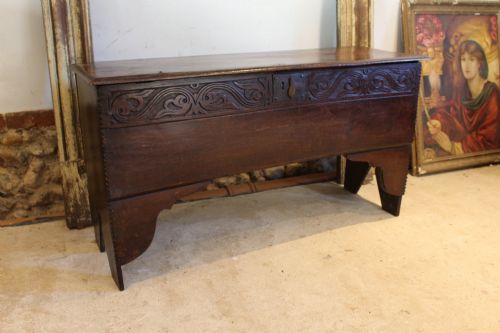
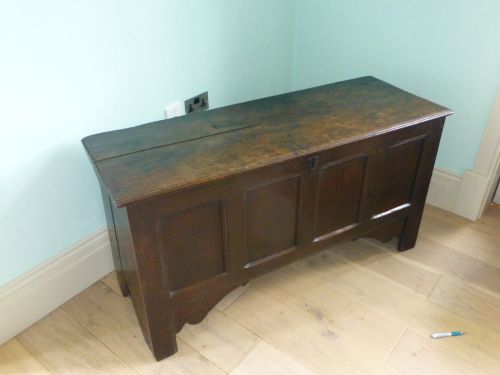
Buyers seeking 17th century country furniture examine domestic storage pieces, seating and tables produced for everyday use. Coffers, joint stools, settles and gateleg dining tables dominate the selection, alongside regional press cupboards and dressers.
The objects originate from domestic workshops across English regions, Welsh districts and Spanish provinces, reflecting local timber supplies and regional carpentry traditions. Forms remain functional, serving storage, dining and seating needs in rural homes.
How they were made
Carpenters constructed these pieces primarily from native hardwoods such as oak, elm and fruitwood, utilising thick single planks and sturdy mortise and tenon joints. Frame and panel construction accommodated timber movement in unheated buildings.
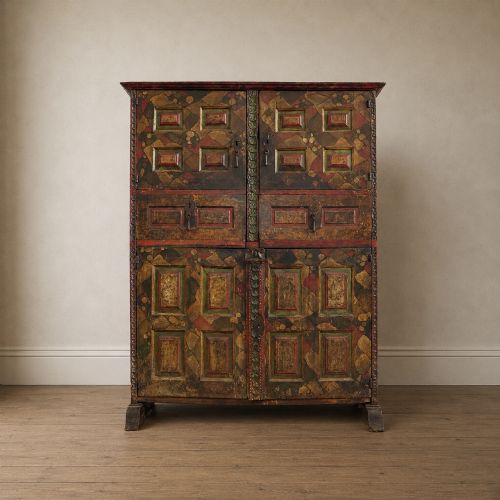
Secondary materials include iron and brass for hardware, pigment for polychrome painted surfaces, and olivewood or fruitwood for decorative veneers. Makers relied on hand tools to hew, plane and turn timber, leaving visible adze and chisel marks.
17th Century Country Furniture Retail Price Guide 2026
Typical asking prices for 17th century country furniture among the pieces listed under this phrase on Sellingantiques today, from the lower quarter to the upper quarter. They describe what is for sale here now, not the wider market.
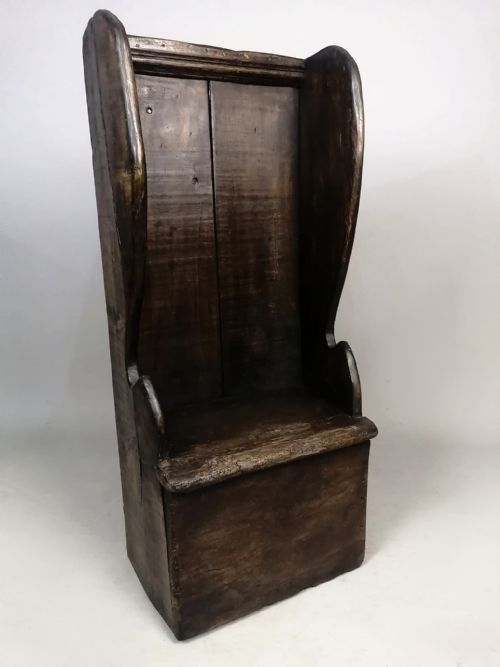
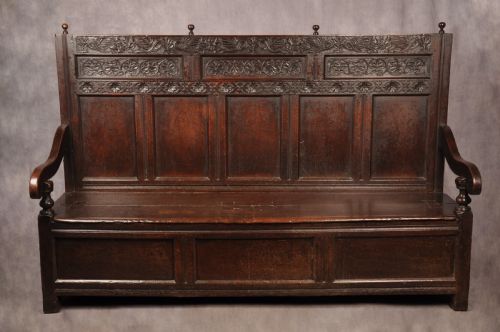
Rural carpenters thoughtfully engineered draft-excluding settles so farmers could doze peacefully beside the smoky hearth without catching a chill.
What varies in quality
Quality differentiates by the integrity of the original timber, the precision of the joinery and the survival of untouched surfaces. Pieces retaining their original boards, hardware and structural fixings stand apart from those with extensive replacement parts.
Regional distinctiveness and decorative embellishments such as carved mouldings, inlay or polychrome paint elevate specific examples. The depth of surface patina and the honesty of wear mark the distinction between standard utilitarian items and superior survivals.
The 17th Century Country Furniture Glossary
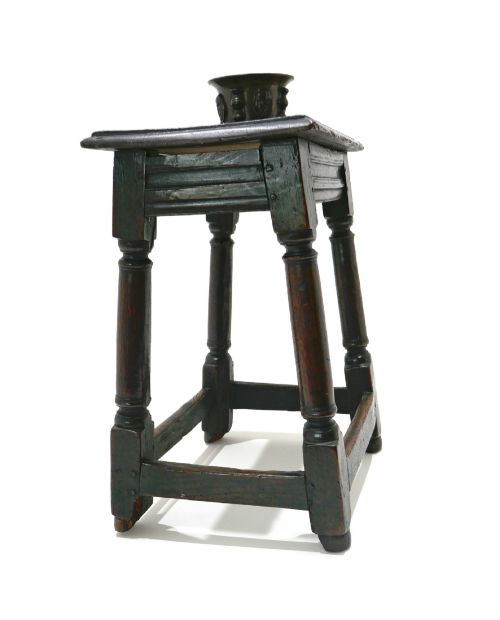
- Joint stool
- A sturdy wooden stool constructed with mortise and tenon joints rather than turned legs fitted into a seat. These items provided versatile seating around the 17th century hearth and table.
- Coffer
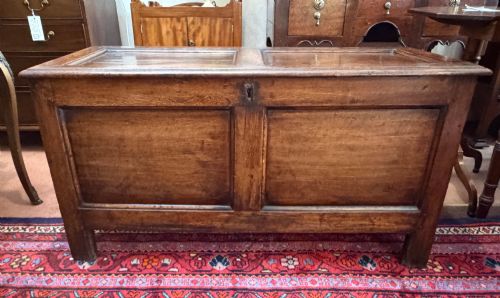
- A heavy wooden chest used for storing valuables, textiles and household goods. Early examples often utilise a six-plank construction held together with dovetails and iron straps.
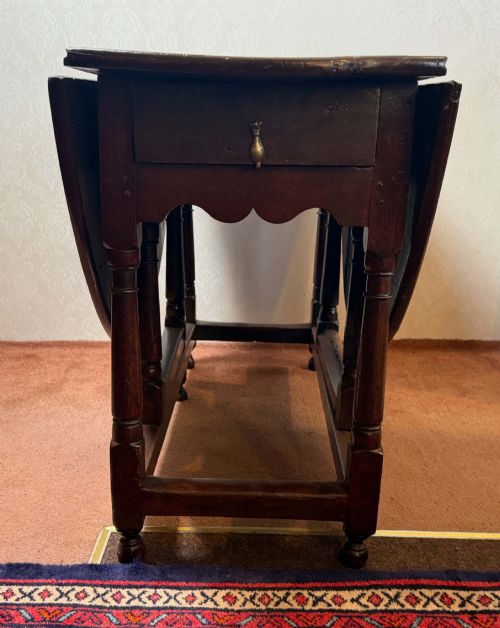
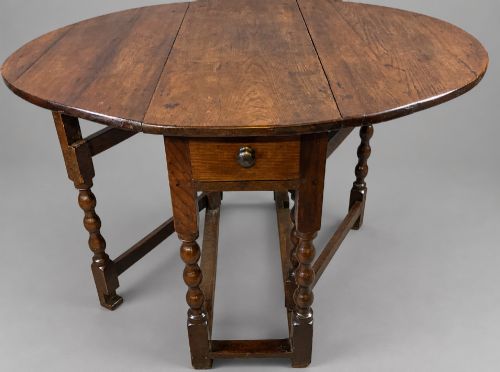
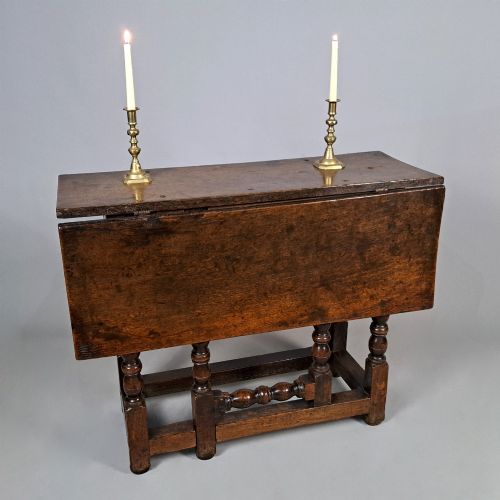
- Gateleg table
- A dining or side table with hinged flaps supported by swing legs that pivot outward like gates. This form allowed tables to fold compactly against walls when not in use.
- Settle
- A high-backed wooden bench with solid sides and arms designed to block cold drafts in domestic interiors. Many incorporate a box seat for additional storage beneath the squab.
- Court cupboard
- A heavy two-tiered storage unit used for displaying plate and storing household provisions. The upper section is typically recessed behind carved supports or turned columns.
17th Century Country Furniture: Frequently Asked Questions
How do I identify a joint stool?
Joint stools rely on pegged mortise and tenon framing rather than turned legs bored directly into a seat. They possess a sturdy architectural profile designed to bear heavy weight.
Examine the underside to check for pegged joints and hand-planed surfaces that indicate regional 17th century construction methods.
What was a grain ark used for?
Grain arks served as secure domestic containers for storing dry foodstuffs and harvested grain in rural farmhouses. Their heavy panelled timber protected contents from dampness and vermin.
These large receptacles typically feature hinged lids and sturdy boarded walls suited to utilitarian storage.
How should I clean 17th century oak?
Maintain antique oak surfaces by applying a light coat of traditional beeswax to nourish the dry timber. Avoid modern liquid polishes that strip the historic surface patina.
Dust regularly with a soft, dry cloth and keep pieces away from direct heat sources and extreme humidity fluctuations.
What is a lambing chair?
Lambing chairs are low-seated wooden armchairs featuring high enclosed backs and solid side wings. They protected shepherds and farmers from cold drafts near the hearth during winter.
Many incorporate a concealed storage compartment beneath the seat for nursing equipment or small items.
How do I spot regional furniture styles?
Regional pieces display distinct local timber preferences, such as Welsh elm or northern fruitwood, alongside characteristic construction quirks. Cabinetmakers utilised materials readily available in their immediate geographic area.
Compare structural joinery and decorative carving motifs against documented examples from specific counties or regions.