


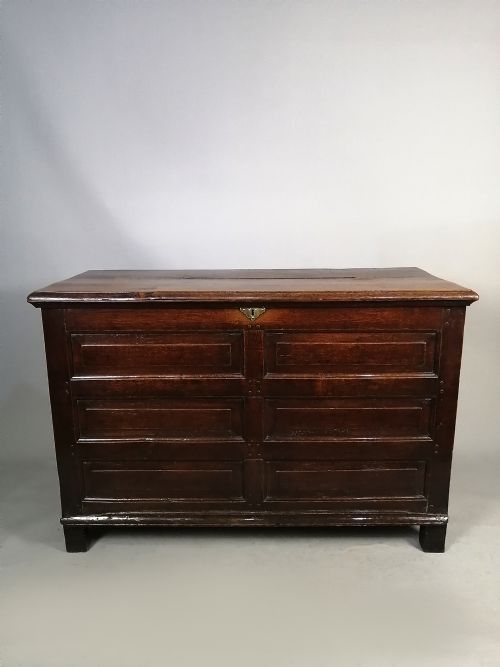
17th Century Blanket Trunk
A 17th century blanket trunk is a heavy timber storage piece built to hold linens and garments, offering enduring utility and historic character.
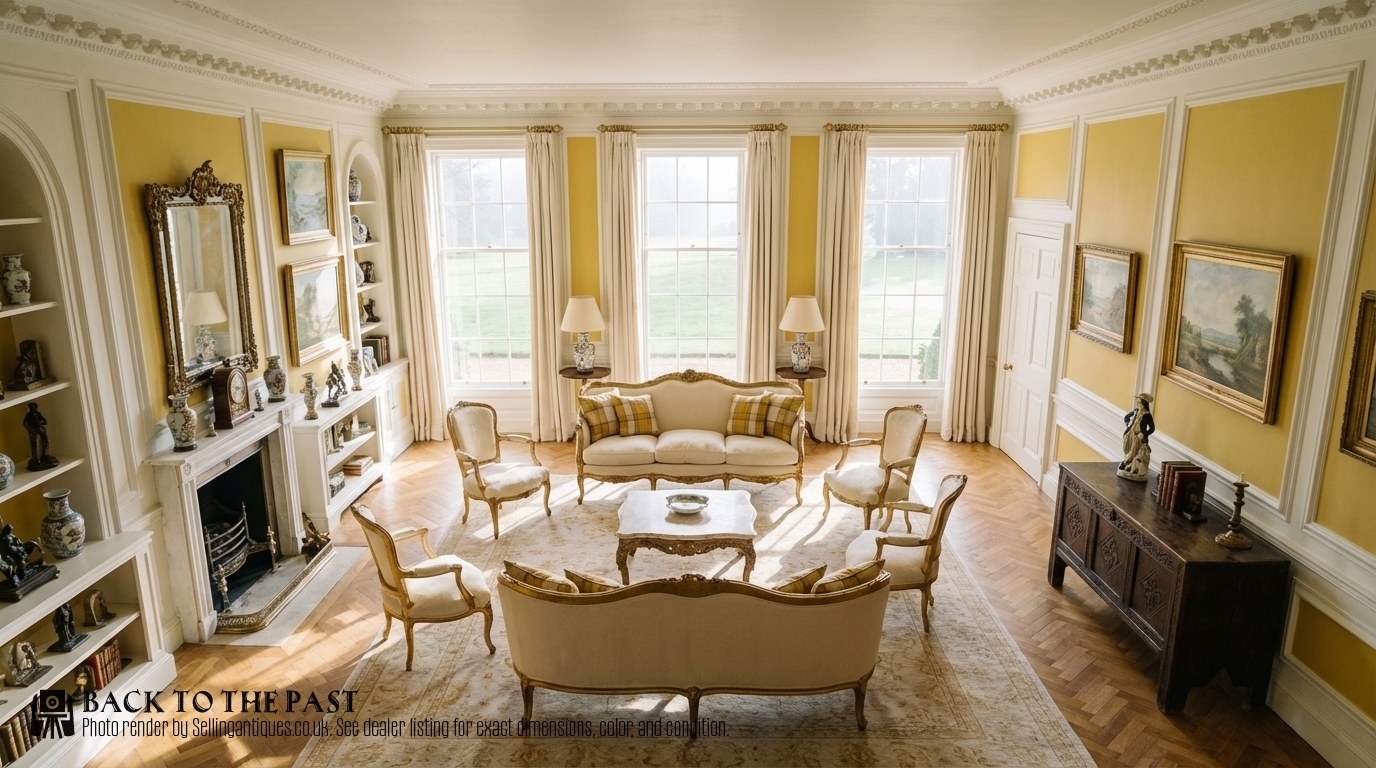
17th Century Blanket Trunk
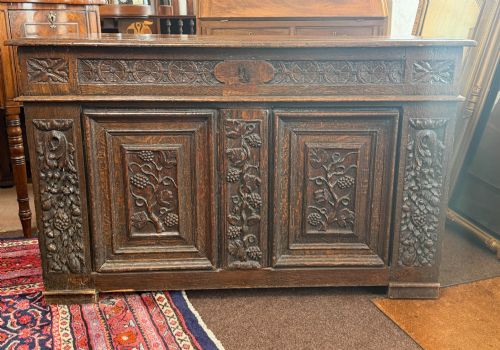
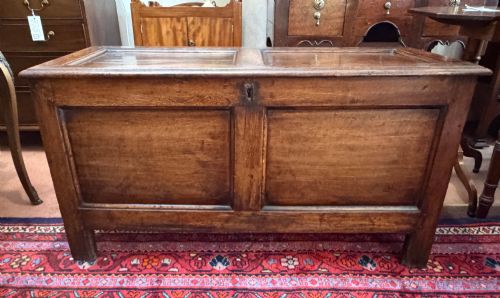
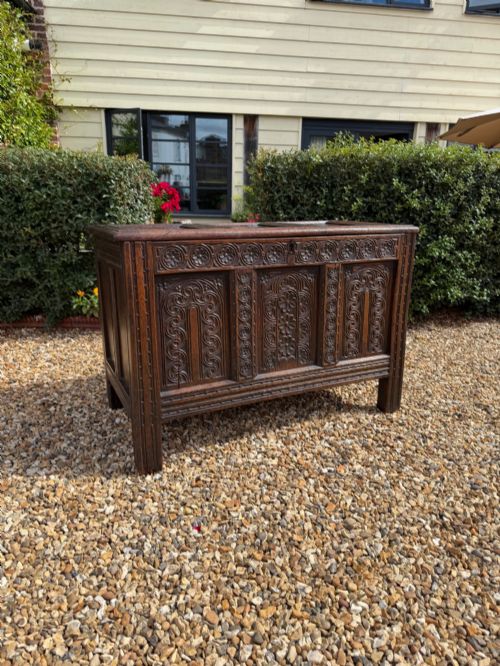
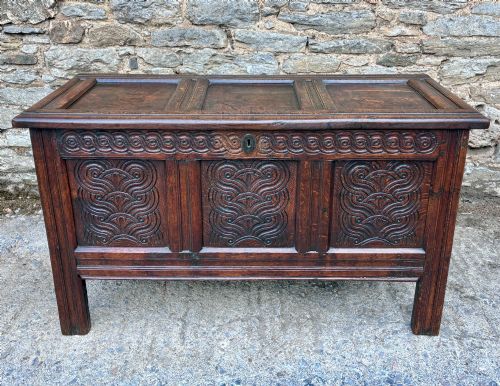
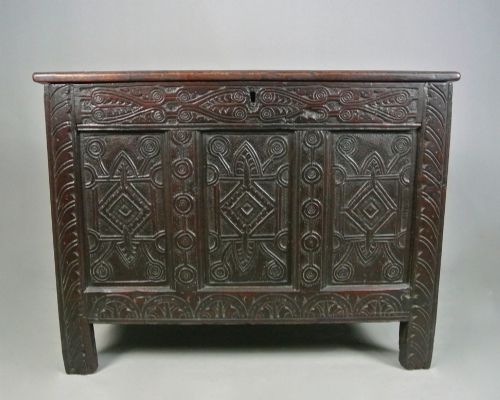
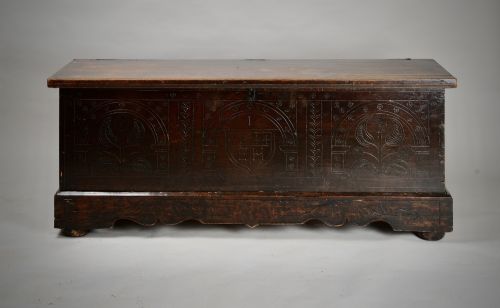
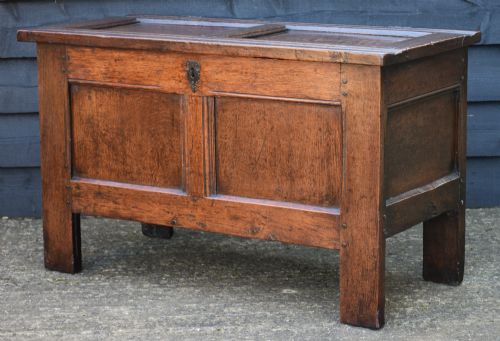
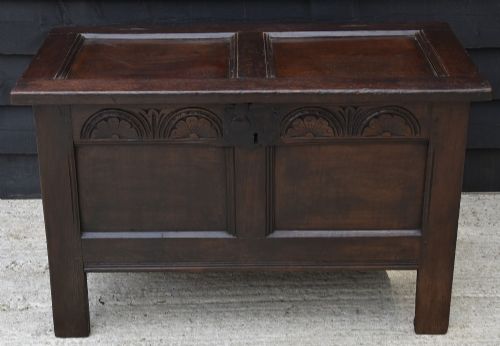
A 17th century blanket trunk appears on this page primarily as an oak coffer, joined chest, or mule chest designed for domestic storage. These items span periods from the late sixteenth century through the seventeenth century, alongside later revivals.
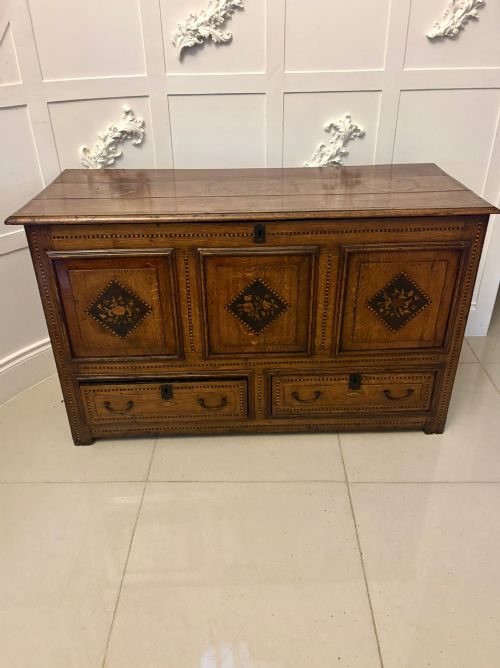
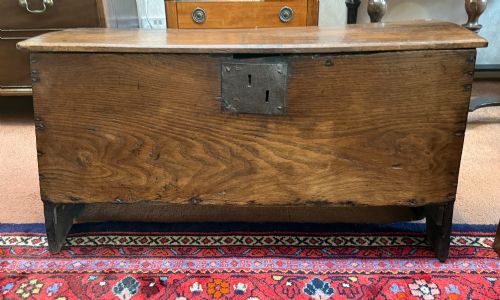
Regional variations emerge across England, Wales, and continental Europe, incorporating specific regional traits such as Cornish ecclesiastical carving or Welsh Gower Peninsula construction. Pieces take various forms, including panelled boxes, six-plank constructions, and chests fitted with lower drawers.
Materials and Construction
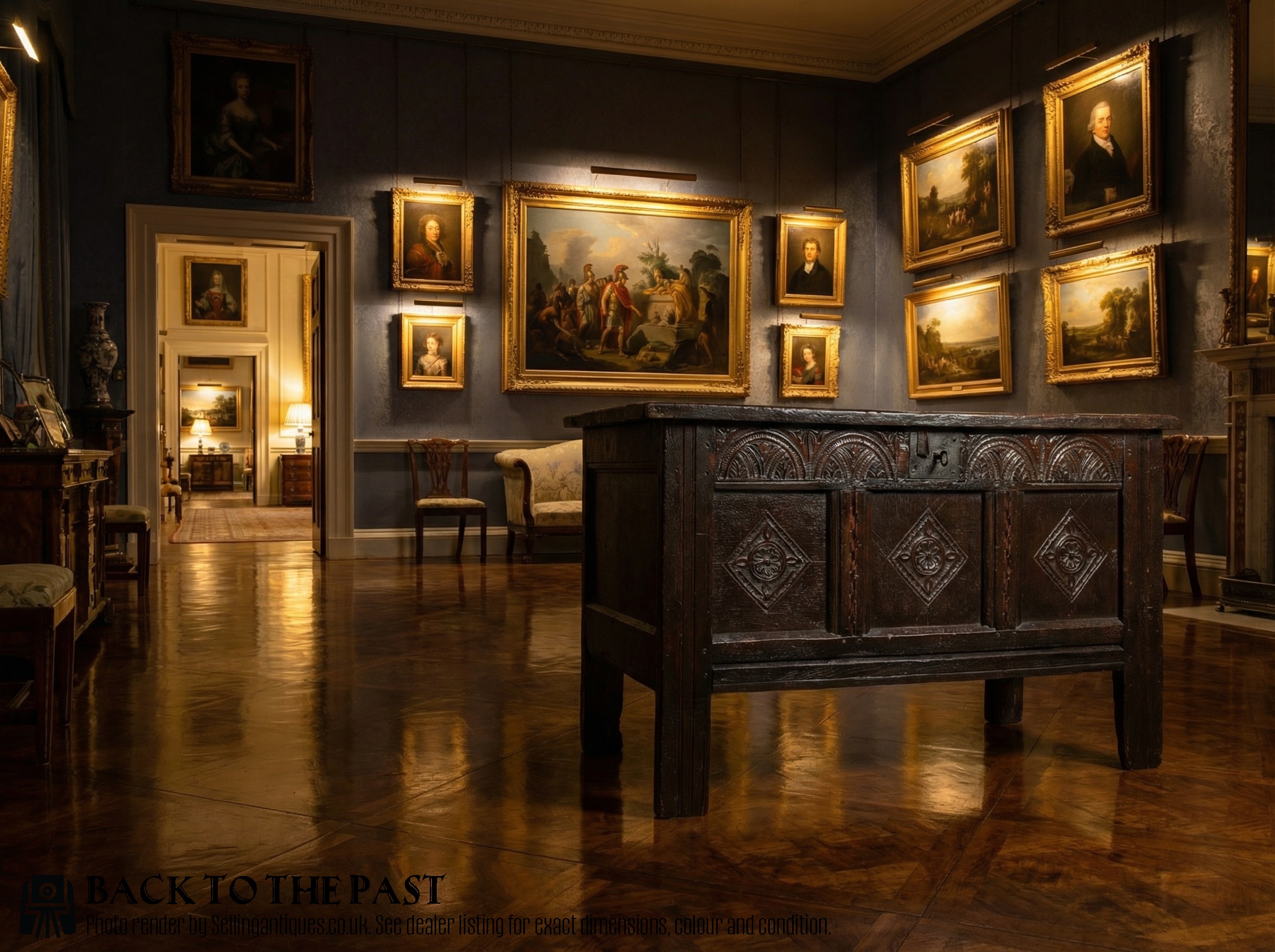
Makers built these pieces predominantly from solid oak, elm, and cypress, utilising heavy timbers joined with traditional methods. Iron and brass hardware, including hinges and locks, secure the lids and structure.
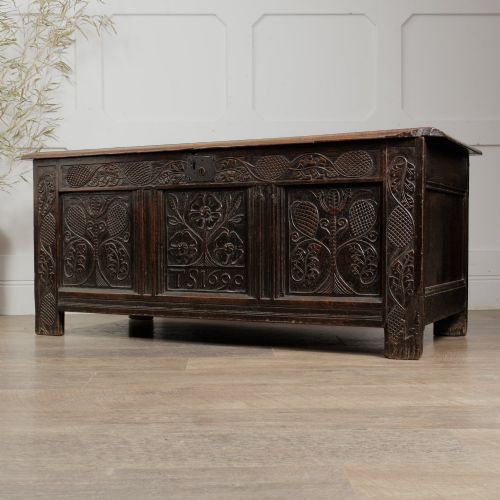
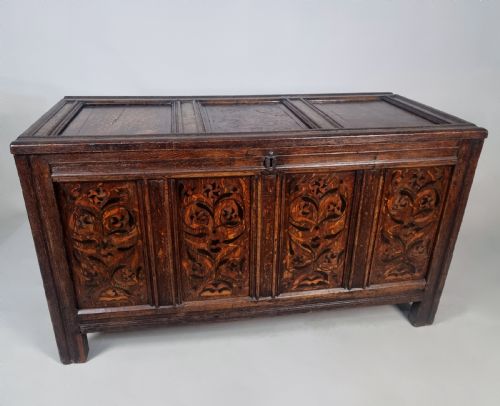
Surface enrichment involves carved geometric or figural motifs, marquetry inlay using mixed woods, and panelled box construction. Surviving pieces often display patinated timber surfaces developed over centuries of use.
Some Welsh coffers carry traces of coastal salt air in their grain.
Defining Quality
The degree of hand-carved detail, the complexity of marquetry inlay, and the retention of original surface patination distinguish finer examples from simpler vernacular items. Structural integrity, original hardware, and timber selection set higher-grade coffers apart.
Purity of period construction and documented provenance elevate certain pieces, whereas later revivals or heavily altered examples reflect different tiers of craftsmanship and historical interest.
The 17th Century Blanket Trunk Glossary
- Coffer
- A heavy wooden chest traditionally used for storing valuables, linens, and personal goods. These storage pieces form the core of the available selection.
- Mule chest
- A chest fitted with one or more drawers beneath the main storage compartment. This form bridges the traditional coffer and the modern chest of drawers.
- Marquetry inlay
- The technique of fitting decorative wood veneers into a prepared surface to form geometric or pictorial designs. It appears on select refined examples.
- Six-plank coffer
- A simple chest constructed from six principal boards joined at the edges. This vernacular method represents an early form of box construction.
- Panelling
- Framework composed of stiles and rails enclosing thinner wooden panels. This technique allowed timber to expand and contract with humidity changes.
17th Century Blanket Trunk: Frequently Asked Questions
What is a mule chest?
A mule chest is a traditional storage chest that incorporates one or more drawers beneath the main lifting lid compartment.
This hybrid form combines the open space of a trunk with the accessible drawer storage typical of later cabinetry.
How do I identify a 17th century coffer?
Identification relies on examining joinery techniques, timber types, and surface decoration such as strapwork carving or panel moulding.
Period pieces display hand-cut joinery and aged patination consistent with centuries of handling and environmental exposure.
Were these trunks used only for blankets?
These versatile receptacles held household textiles, garments, legal documents, and valuables securely within domestic spaces.
Their robust construction allowed them to serve multiple functions, including seating when the room required extra space.
What woods were used in these pieces?
English and Welsh examples rely heavily on native oak and elm, while continental items incorporate cypress or exotic woods.
Makers selected dense hardwoods that could withstand daily use and support complex joinery without warping.