


A 2026 Guide by Sellingantiques

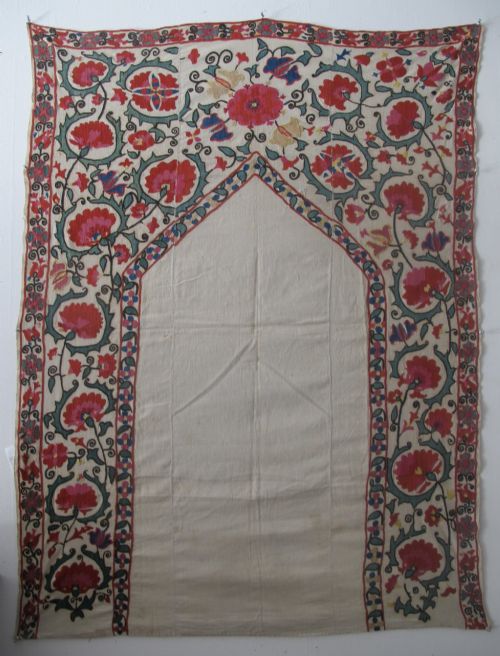
Antique Baluch Rug, 19th Century
Priced at £795 from Siez Gallery
Nomadic weavers and village workshops produced these pieces across the Islamic world for centuries.
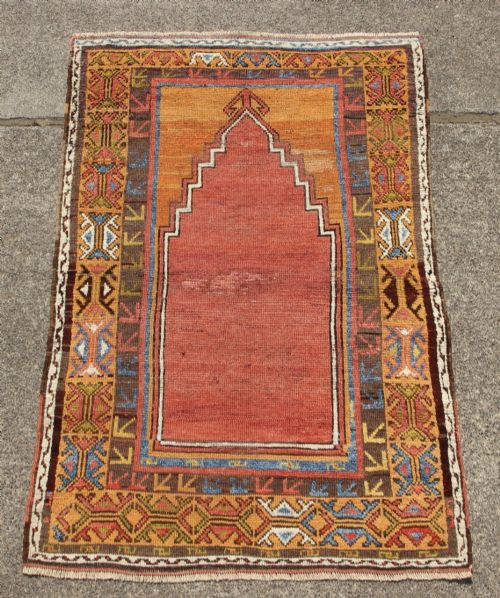
The defining arch shape mimics the architectural mihrab found in mosques facing Mecca.
Look at nineteenth-century production to find a boom in antique prayer rugs woven for export.
Distinct regional styles emerging in Anatolia, Persia and the Caucasus over time.
Specific maker names rarely survive in this traditional weaving trade.
Individual tribal groups like the Tekke or Baluch act as the recognised makers instead.
City workshops occasionally signed their output but rural weavers left their work anonymous.
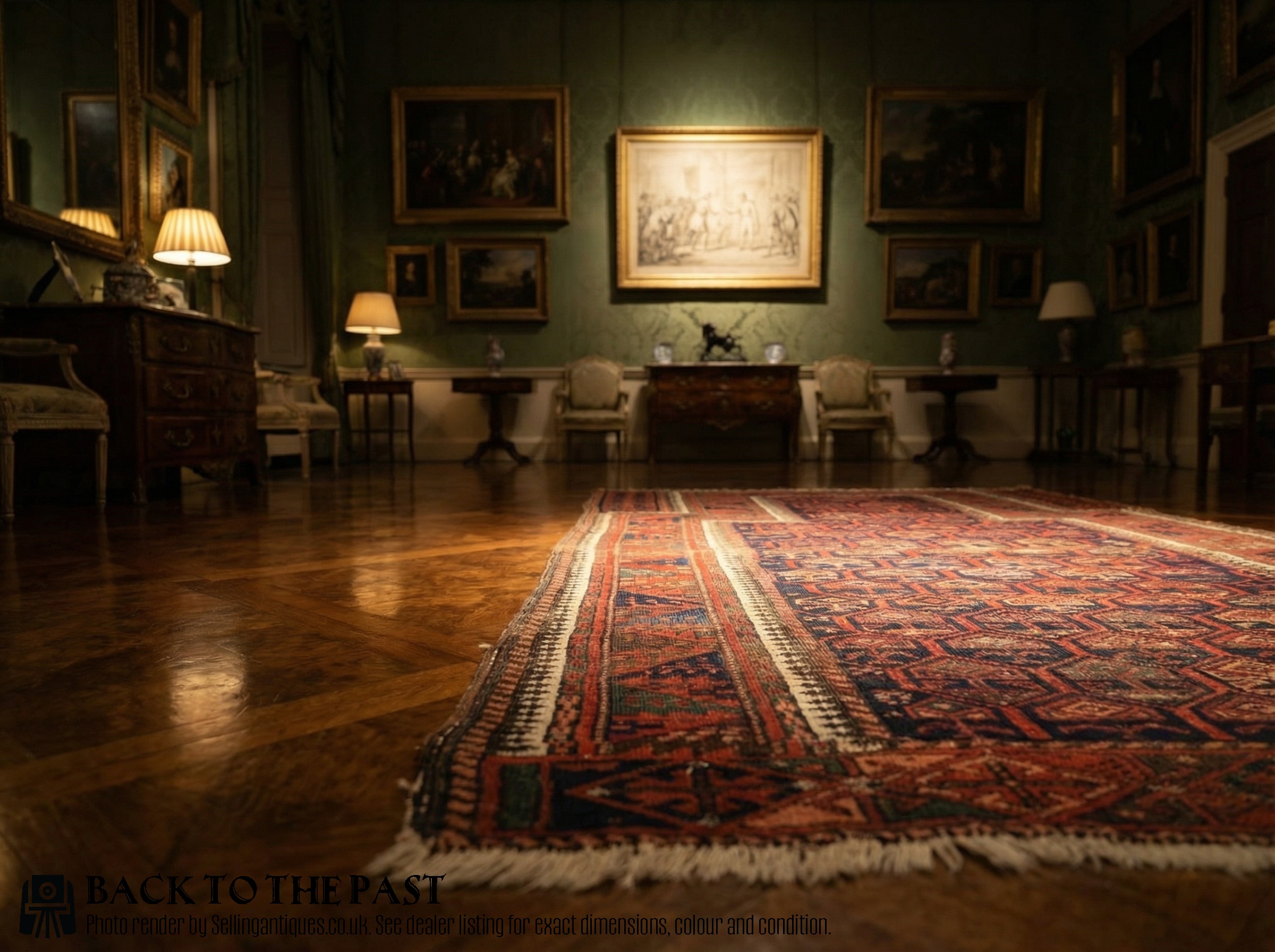
Antique Timuri Baluch Prayer Rug of Very Scarce Format, Circa 1880 or Earlier., 1880
Priced at £1,250 from Cotswold Oriental Rugs
The 2026 retail price guide for Antique Prayer Rugs is drawn from a proprietary archive of over 1.1 million retail prices indexed by Sellingantiques since 2003. This guide relies exclusively on their own internal data; no external sources or auction records are used.
Analysing nearly 25 years of UK antique market history alongside current retail values, the data indicates that typical UK retail prices for Antique Prayer Rugs range between £600 and £4,800. Entry-level prices generally fall under £600 and premium examples upwards of £4,800.
The central field always contains a directional pointed arch or stepped niche.
Borders usually frame the inner area to separate the sacred space from the outside world.
Hanging lamps or water ewers frequently dangle from the apex of the woven arch.
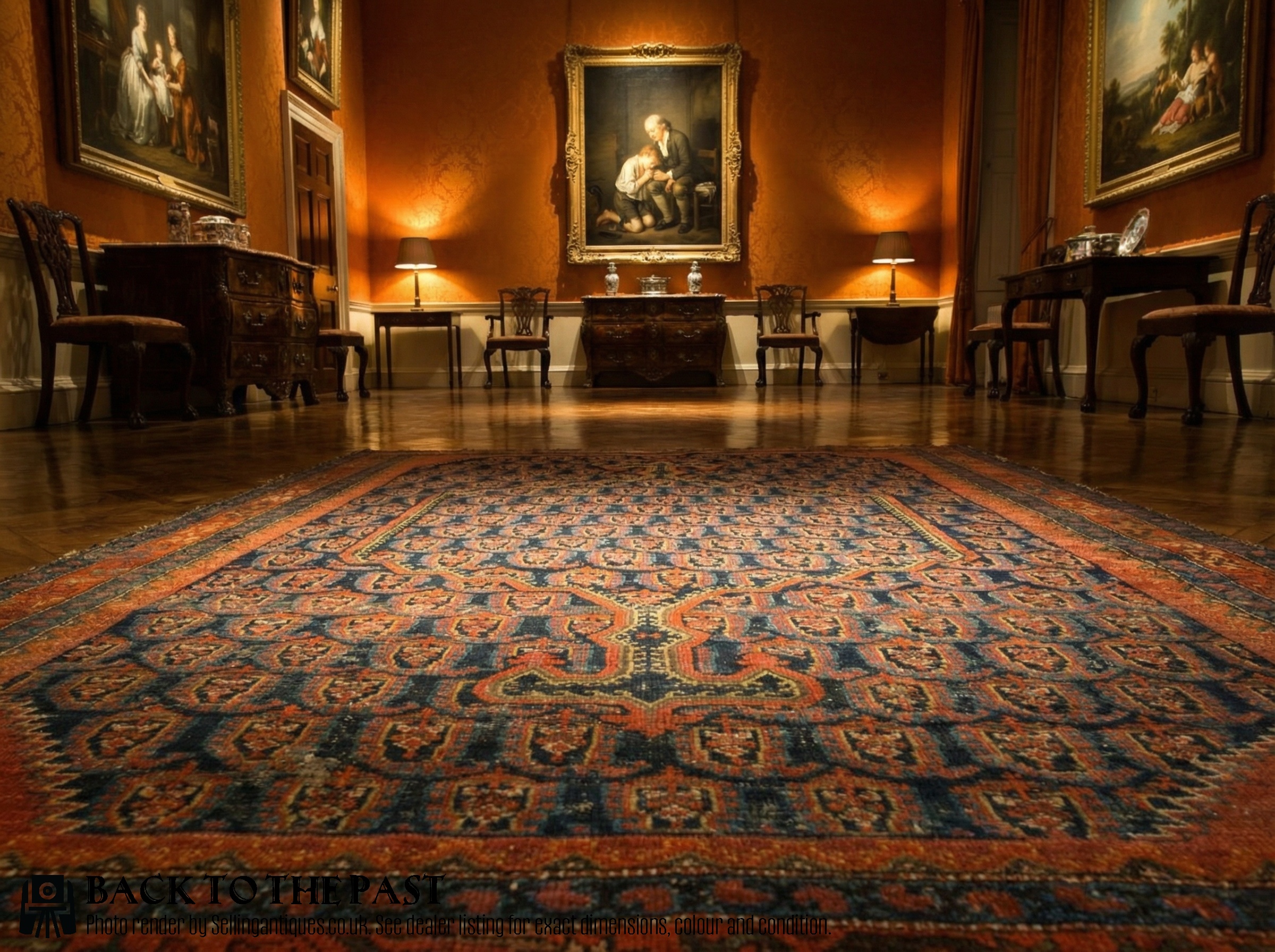
An Antique Caucasian Prayer Rug, Victorian
Priced at £425 from The Antique Partnership
Turkish knots wrap symmetrically around two adjacent warp threads during the weaving process.
Persian weavers often used an asymmetrical knot to achieve denser patterns.
Check the back of the rug to see how tightly the weaver packed the weft between rows.
"Weavers often wove comb motifs into the borders to symbolise cleanliness."
"Some nomadic groups incorporated small talismanic symbols into the field to protect the owner."
"Hand-spun wool retains natural oils that give the surface a gentle sheen."
Based on almost 25 years of Sellingantiques UK antique market data, Antique Prayer Rugs appeared 814 times (out of 1,100,000 antiques) which gives it a rarity score of 85/100.
This score measures scarcity within the Sellingantiques archive only and is not a survey of the entire antiques market, so these statistics may not be indicative of the general availability of Antique Prayer Rugs elsewhere.
Vacuum both sides on a low suction setting.
Never use a modern upright with a spinning beater brush.
Take it to a specialist carpet washer for any serious dirt.
Colour run happens when unstable dyes get wet. Someone probably washed it badly in the past or spilled water on it.
Specialists can sometimes strip the stray dye out of the cotton fringes using targeted mild chemicals.
Leaving it alone is often the safer choice for village weaving.
Dimensions vary depending on the weaving region.
Most are sized to provide just enough room for one person to kneel comfortably.
Village weavers worked from memory rather than graphed paper patterns. Small shifts in the design happen naturally as the rug grows on the loom.
These variations give rural pieces their character. A machine-made copy looks stiff because it lacks these slight shifts in rhythm.
Please note: This Antique Prayer Rugs guide and its associated pricing data are provided for general informational purposes only. It does not constitute formal financial, investment, or appraisal advice and should not be relied upon as the sole basis for any commercial activity, purchasing, or sales decisions. Sellingantiques.co.uk accepts no liability for any actions taken in reliance on this information. Always consult with a qualified professional or independent appraiser.
