


A 2026 Guide by Sellingantiques
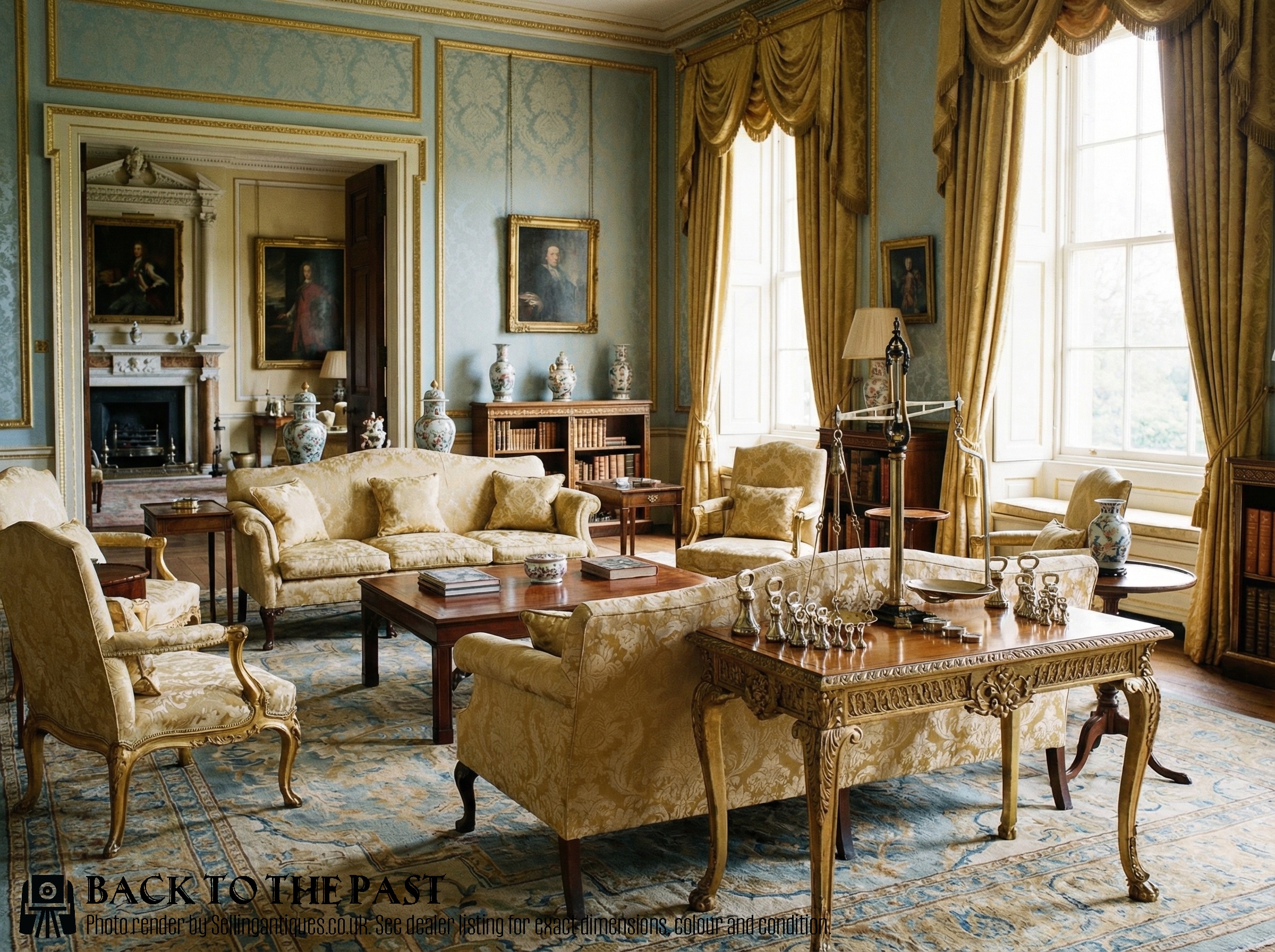
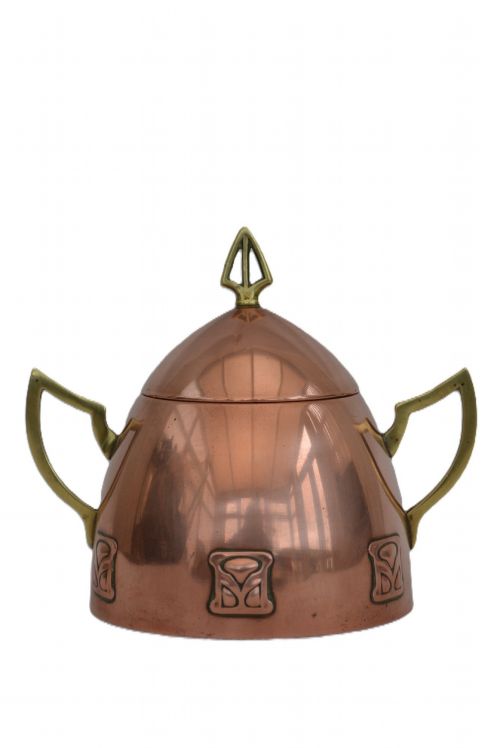
Edwardian Brass Shopkeeper's Scales, Edwardian
Priced at £450 from Sinclairs Antiques and Interiors
Domestic use of this alloy grew rapidly in the eighteenth century. You find antique brass everywhere from candlesticks to door furniture.
Birmingham became the major British centre for production. Foundries there supplied the whole country with small cast items.
Earlier pieces. Often made by itinerant craftsmen working with small portable furnaces.
Sheet metal became cheaper after rolling mills were introduced. This shifted trade from solid casting to stamped and hollow wares.
Winfield of Birmingham operated in the nineteenth century. They produced heavy brass bedsteads and registered numerous designs for domestic fittings.
Thomas Jeakes traded in London during the Victorian period. His foundry supplied high-quality grates and hearth suites to grand houses.
Many good pieces carry no mark at all. Foundries regularly sold unmarked stock to retailers through vast trade catalogues.
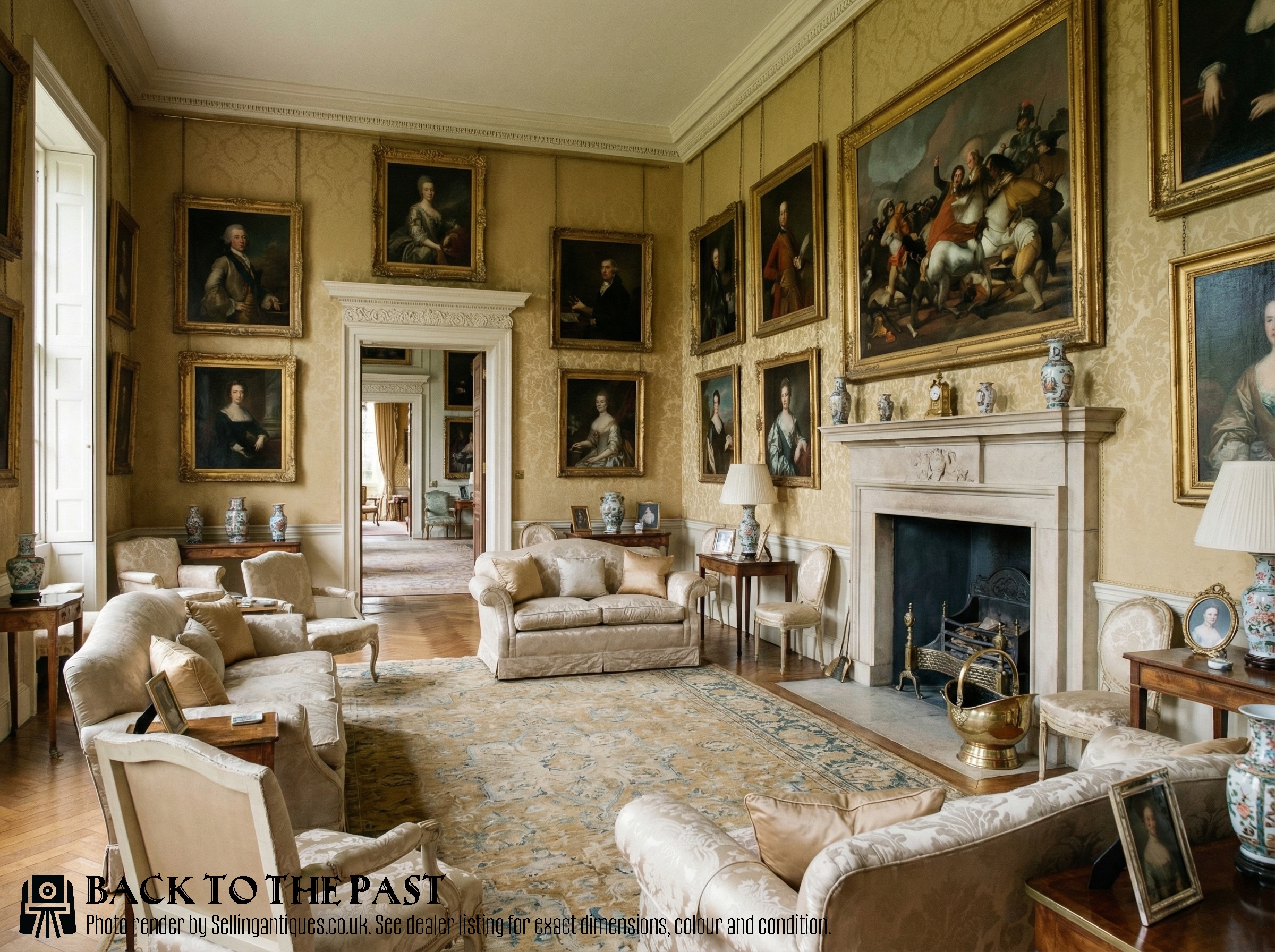
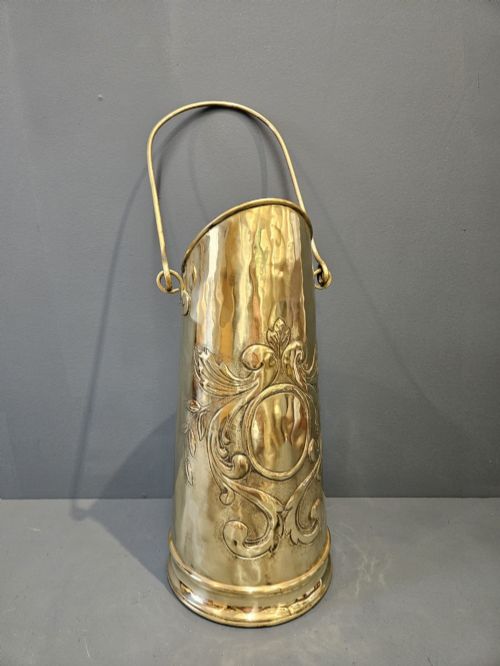
Good Quality Victorian Brass Coal Scuttle/bucket, Victorian
Priced at £265 from Andros Antiques
The 2026 retail price guide for Antique Brass is drawn from a proprietary archive of over 1.1 million retail prices indexed by Sellingantiques since 2003. This guide relies exclusively on their own internal data; no external sources or auction records are used.
Analysing nearly 25 years of UK antique market history alongside current retail values, the data indicates that typical UK retail prices for Antique Brass range between £300 and £2,500. Entry-level prices generally fall under £300 and premium examples upwards of £2,500.
Casting seams down the side of a stem. These lines indicate a piece made in two halves.
Hand-punched decoration often adorns the flat surfaces of coal boxes. Look for slight irregularities in the spacing.
Solid bases usually feature a turned recess underneath. The lathe marks are left visible where they face the floor.
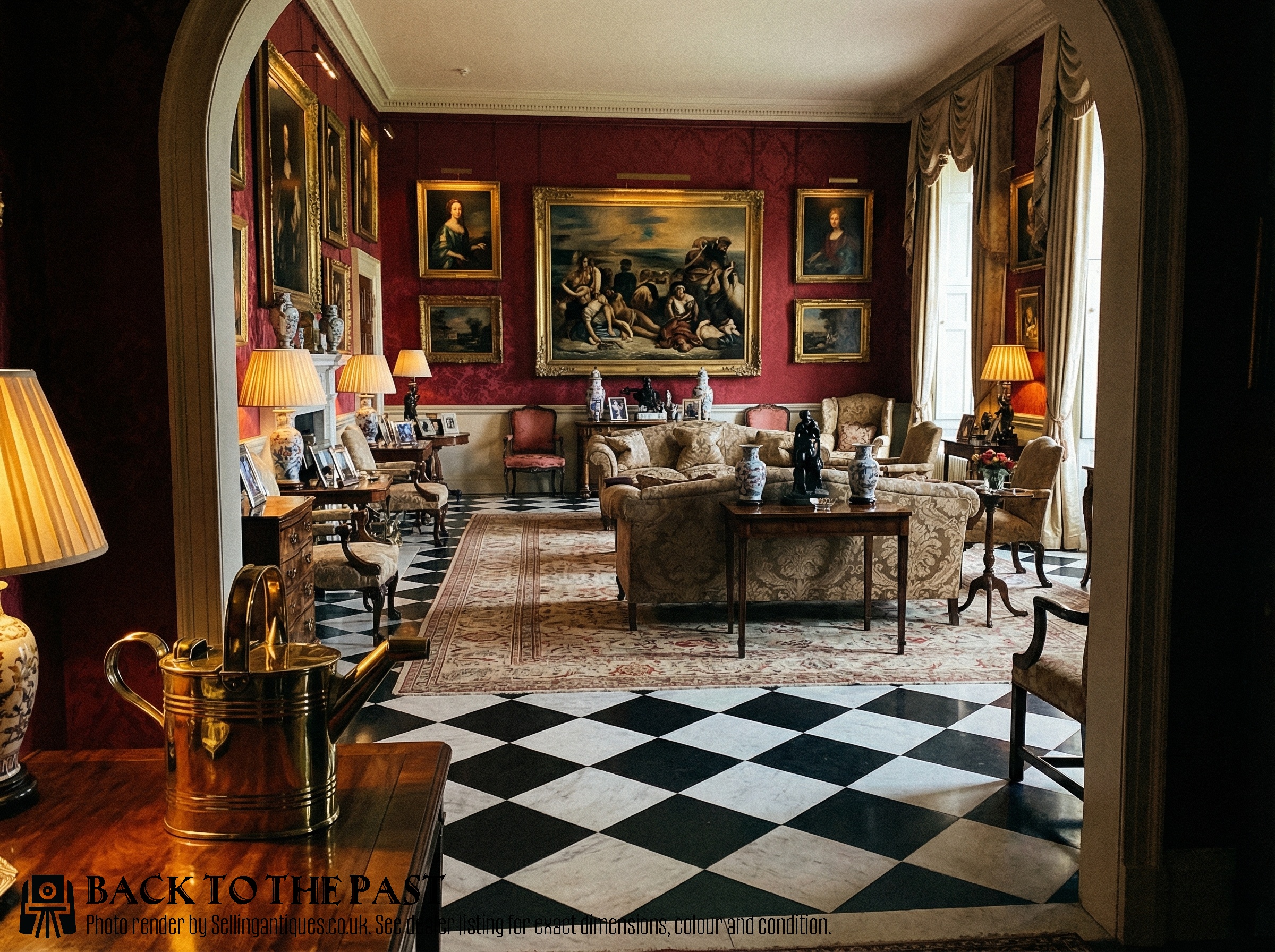
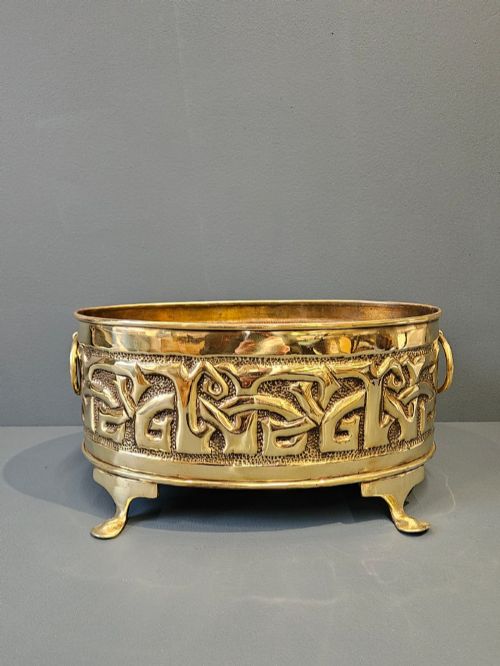
Lovely Antique Victorian Brass Watering Can – Circa 1890, 1890
Priced at £225 from Kingsdown Antiques
Sand casting was the standard early method. Molten metal poured into compacted sand moulds leaves a slightly granular surface texture.
Stamped production emerged to press thinner objects in bulk. A heavy die press forces flat sheets into intricate shapes.
Threaded joints replaced crude peened fixings as lathe technology improved. Machined screw threads allow complex items to be dismantled.
"The earliest cast items relied on calamine ore rather than pure metallic zinc. This process required careful judgement to mix."
"Domestic servants used a mixture of rottenstone and oil to keep the finish bright. This gentle abrasive polished without heavy scratching."
"Many pieces started life lacquered. This thin coating protected the bright metal from coal smoke and damp air."
Based on almost 25 years of Sellingantiques UK antique market data, Antique Brass appeared 54378 times (out of 1,100,000 antiques) which gives it a rarity score of 1/100.
This score measures scarcity within the Sellingantiques archive only and is not a survey of the entire antiques market, so these statistics may not be indicative of the general availability of Antique Brass elsewhere.
Gentle dusting is usually enough for well-maintained pieces. A soft cloth removes surface grime without stripping the aged patina.
If the metal is heavily tarnished and you want a brighter finish, use a mild liquid polish. Apply it sparingly and buff it off quickly.
The alloy survives outdoors but changes colour rapidly. Rain and air exposure turn the surface a dull grey-brown, eventually shifting towards a green verdigris.
Keep domestic items indoors to preserve their polished state. Door knockers and letterboxes are the exceptions, as they are cast thick enough to weather the elements safely.
Your pieces are likely silver-plated brass. Makers often used a solid base for domestic lighting because it took cast details well and provided good weight to stop the candle toppling.
Over decades of polishing, the thin surface layer of silver wears away on the high edges. The yellow brass simply bleeds through the plating. Dealers call this bleeding, and it is a standard sign of age.
Makers rarely wasted time polishing areas that were meant to hold dirty fuel. The interior was left in its rougher, raw state straight from the workshop.
Generations of holding damp coal dust then darken the metal further. Attempting to scour the inside bright again is unnecessary work and risks wearing through the sheet base.
Please note: This Antique Brass guide and its associated pricing data are provided for general informational purposes only. It does not constitute formal financial, investment, or appraisal advice and should not be relied upon as the sole basis for any commercial activity, purchasing, or sales decisions. Sellingantiques.co.uk accepts no liability for any actions taken in reliance on this information. Always consult with a qualified professional or independent appraiser.
