
A 2026 Guide by Sellingantiques
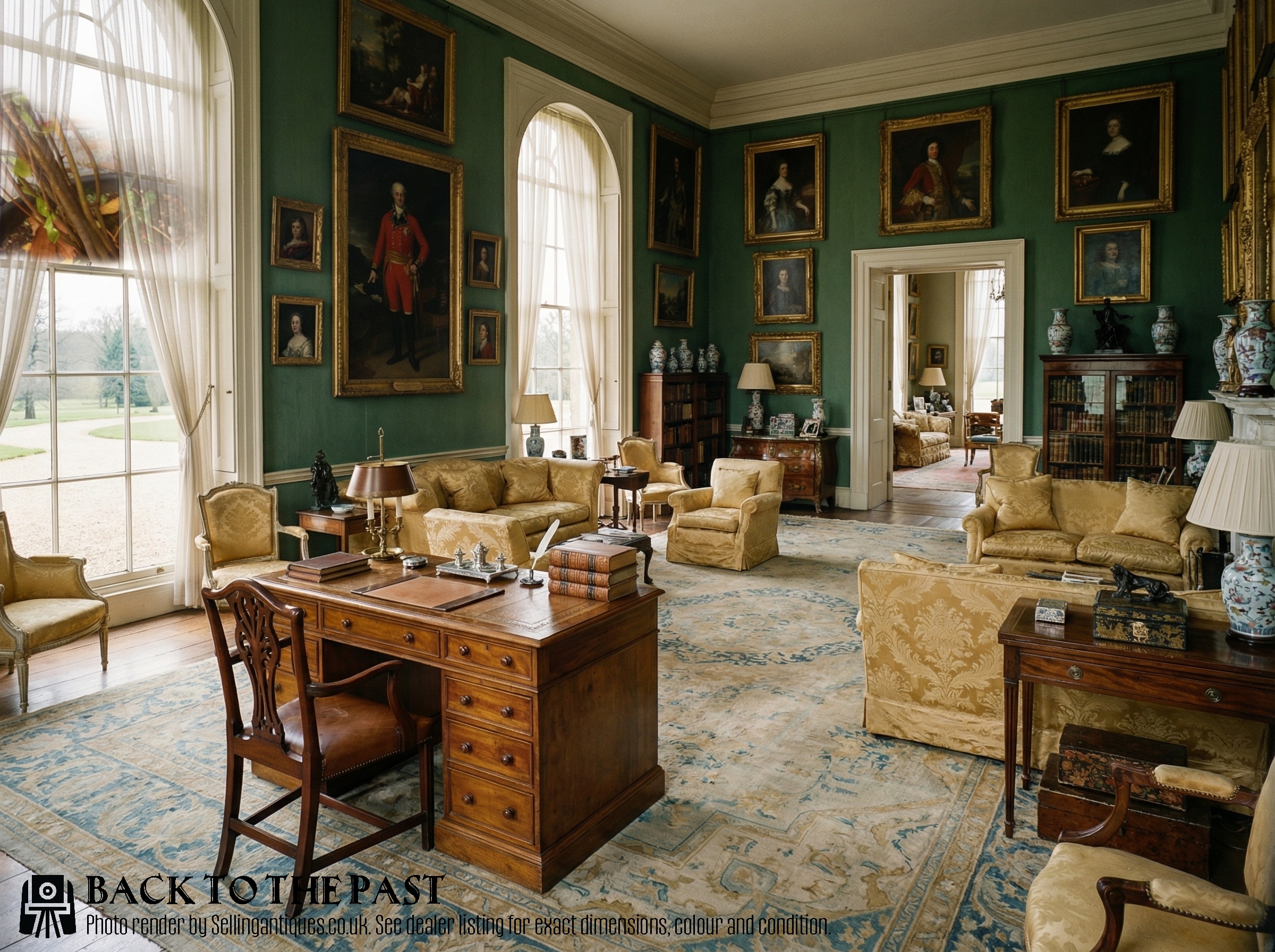
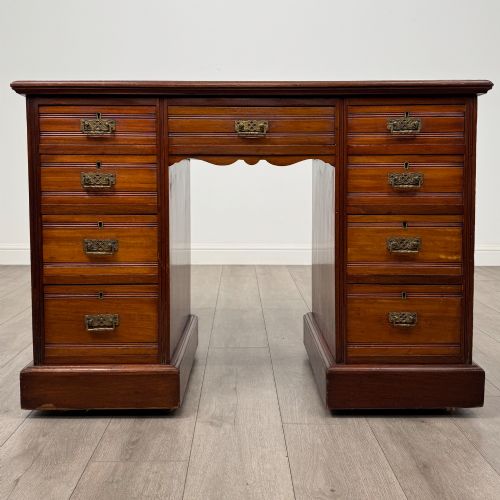
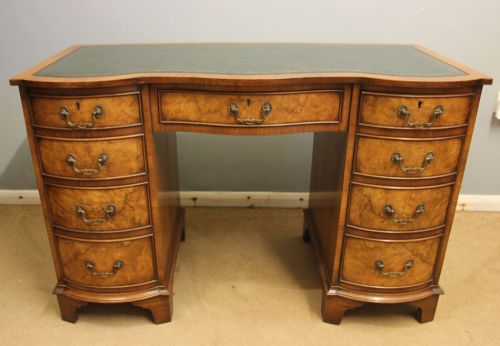
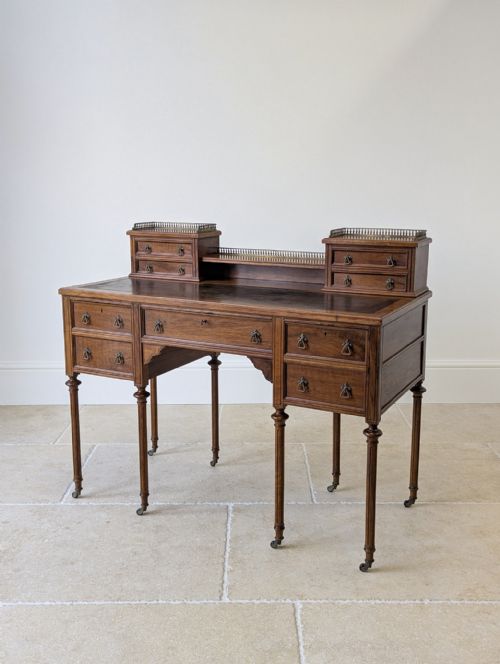
Victorian Pedestal Desk., Victorian
Priced at £395 from Antiques Online Ltd
They're a practical alternative to tall bureaux, first appearing during the early eighteenth century.
Libraries and large country houses often housed these large, double-sided examples.
Look at the rise of the commercial office in the nineteenth century. It drove a huge increase in production.
You'll find designers adapted the antique pedestal desk for smaller domestic studies during the Victorian period.
Gillows of Lancaster and London produced high-quality variations throughout the nineteenth century.
Stamps on the top edge of a drawer often identify pieces by Holland and Sons.
Thomas Chippendale supplied large library tables in this format during the middle of the eighteenth century.

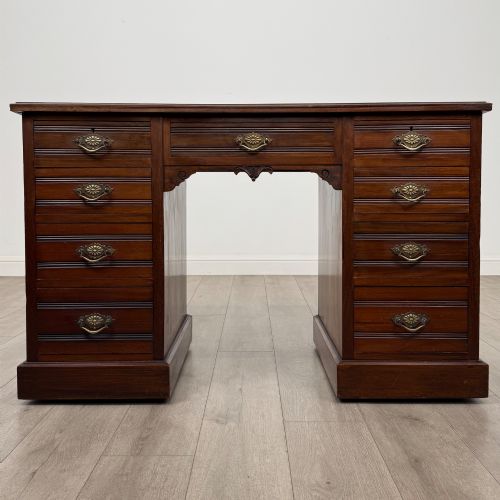
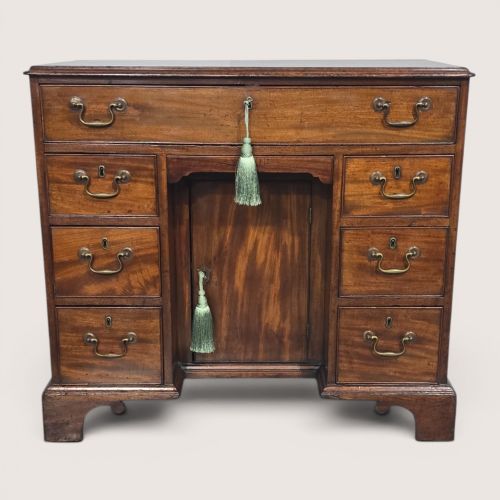
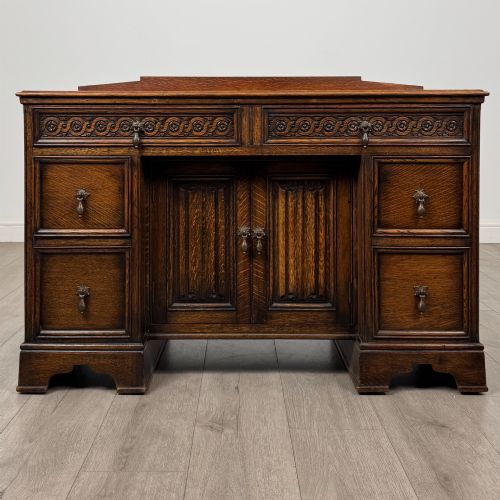
Victorian Gothic Oak Pedestal Desk, Victorian
Priced at £2,250 from Hingstons of Wilton
The 2026 retail price guide for Antique Pedestal Desks is drawn from a proprietary archive of over 1.1 million retail prices indexed by Sellingantiques since 2003. This guide relies exclusively on their own internal data; no external sources or auction records are used.
Analysing nearly 25 years of UK antique market history alongside current retail values, the data indicates that typical UK retail prices for Antique Pedestal Desks range between £700 and £3,300. Entry-level prices generally fall under £700 and premium examples upwards of £3,300.
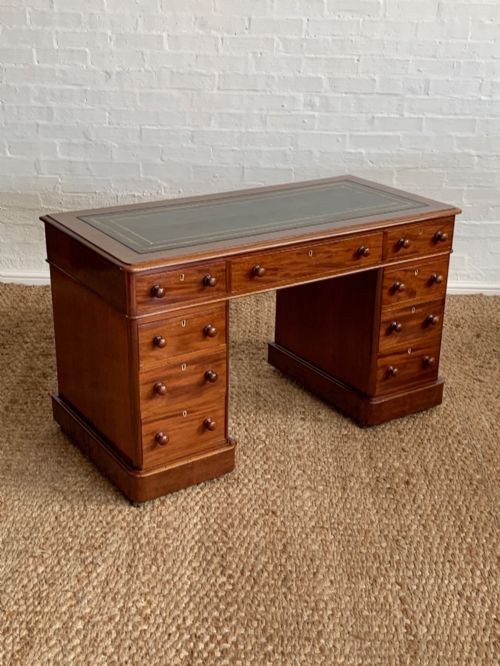
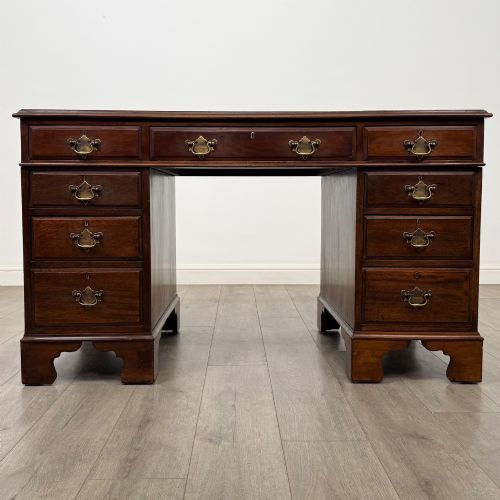
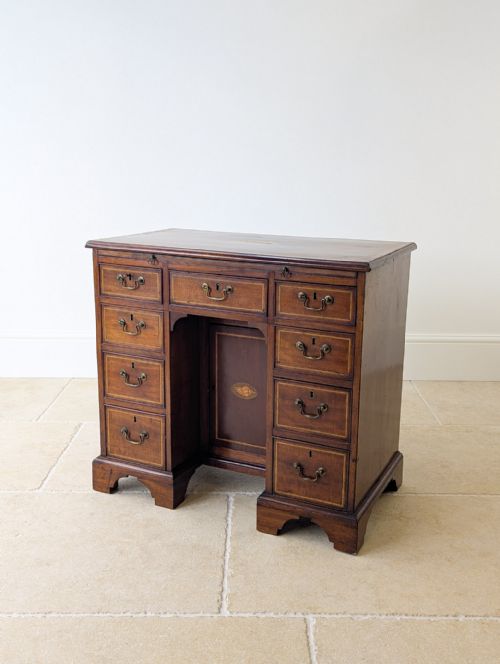
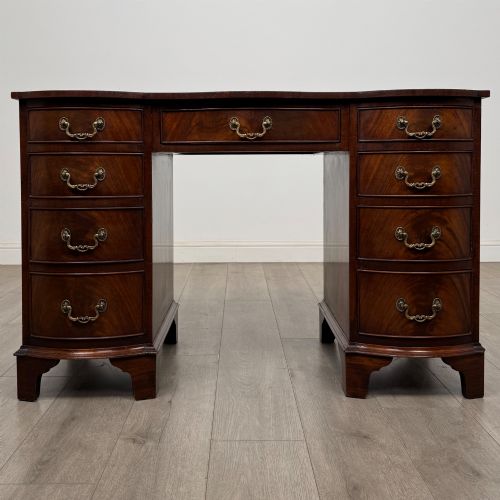
Three main components usually make up the structure. A top section with frieze drawers lifts off two separate pedestals.
Plinths or turned feet support the bases, keeping the bottom drawers clear of the floor.
A central kneehole provides necessary legroom and working space for the sitter.
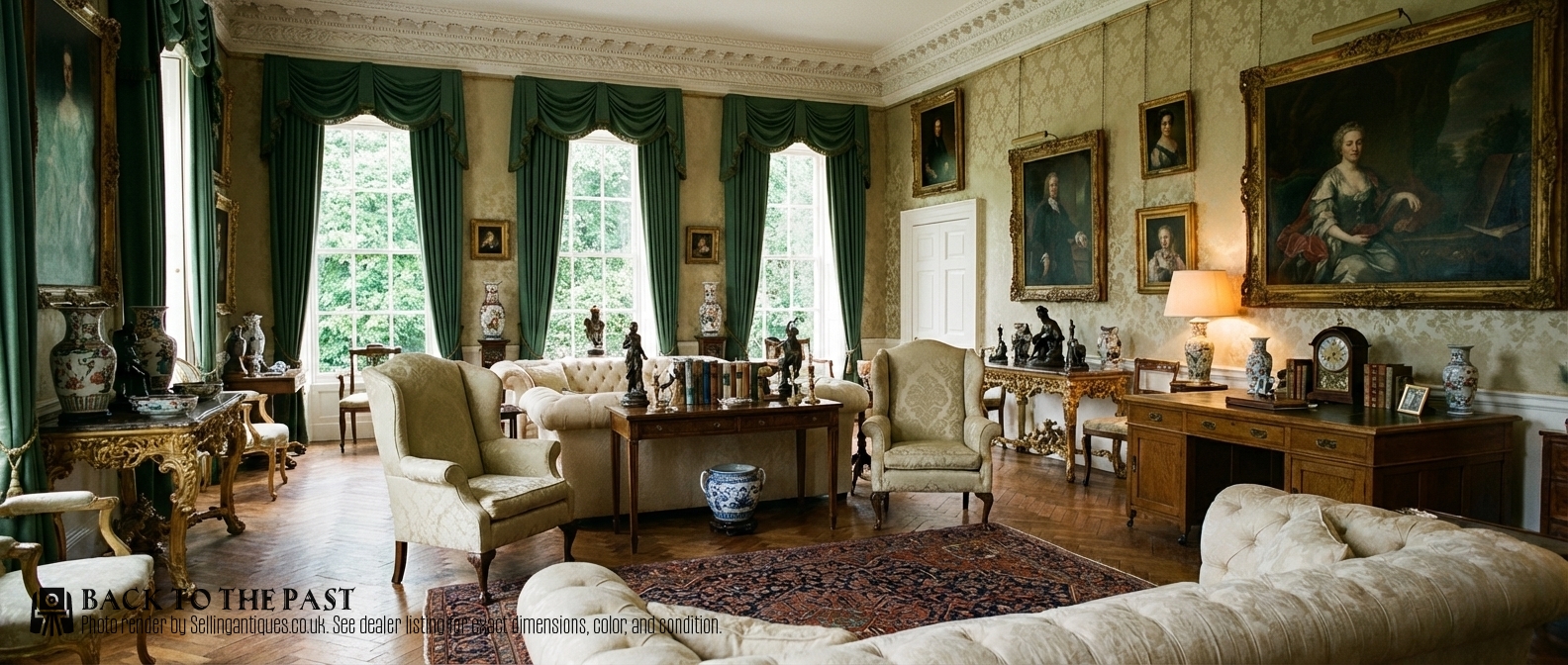
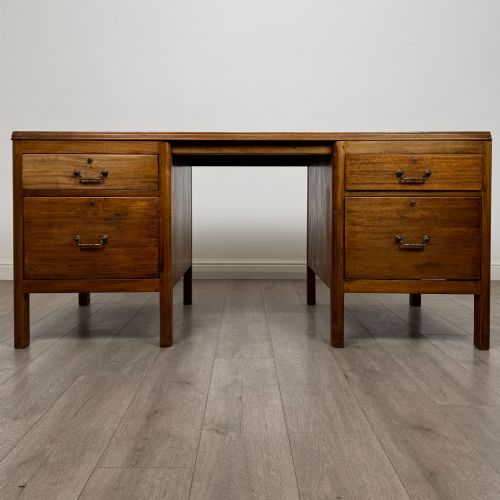
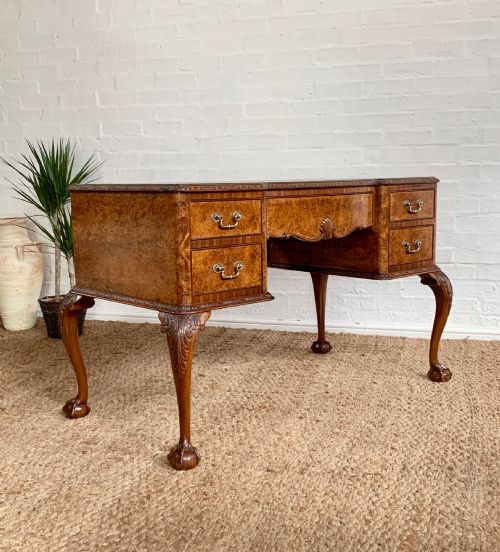
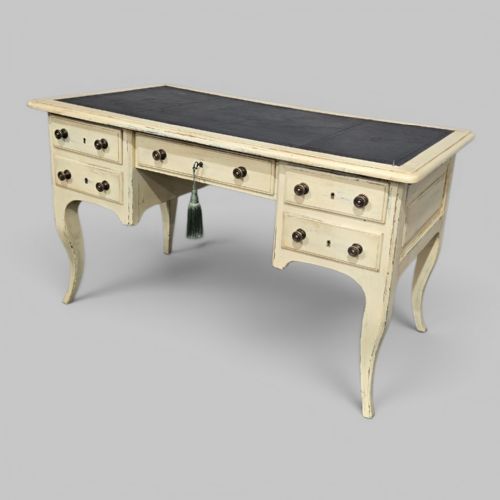
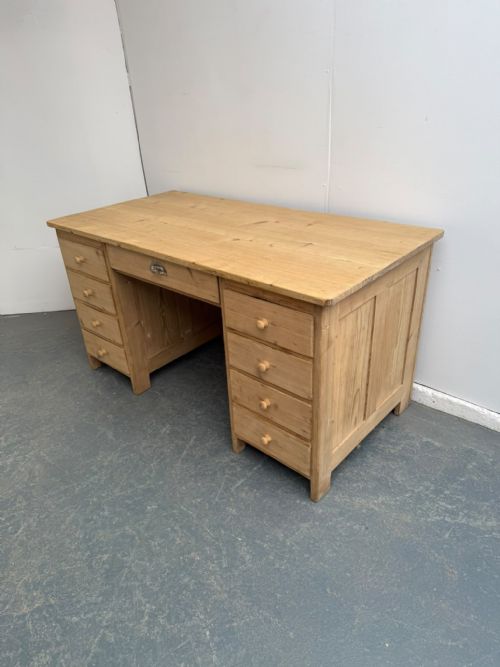
Large Light Oak Pedestal Partners Desk in the Style of Heals., 1910
Priced at £695 from Rupert Hitchcox Antiques
Hand-cut dovetails secure the drawer fronts to the sides in older pieces.
Examine the back panels. Fielded panelling suggests the desk was intended to stand free in the centre of a room.
Veneers applied over a solid pine carcase allowed cabinetmakers to match grain patterns across the drawer fronts.
"The modular three-part design makes them much easier to move up narrow staircases."
"Some deep bottom drawers are actually double-height disguised as two, built specifically to file tall ledgers."
"Pull-out brushing slides sometimes sit above the top drawers to provide extra resting space for reference books."
Based on almost 25 years of Sellingantiques UK antique market data, Antique Pedestal Desks appeared 7633 times (out of 1,100,000 antiques) which gives it a rarity score of 22/100.
This score measures scarcity within the Sellingantiques archive only and is not a survey of the entire antiques market, so these statistics may not be indicative of the general availability of Antique Pedestal Desks elsewhere.
Dust the surface regularly with a soft dry cloth. You can wipe away light marks using a barely damp sponge, but dry it immediately.
Avoid wax polishes on the leather. They build up in the tooling and attract grime.
Most standard nineteenth-century examples separate into three sections for easy moving. The rectangular top lifts cleanly off the two drawer banks beneath, making them highly practical for awkward spaces.
Some early library tables were built as a single solid carcase. Always check underneath the frieze to see if locating blocks are present.
These deep drawers were built for filing tall papers and ledgers. You'll sometimes find wooden dividers built into the sides.
People often repurpose them today for modern suspension files.
Cabinetmakers often updated handles as fashions changed. A Victorian owner might have swapped wooden knobs for brass drop handles to modernise the piece.
Pull a drawer out and look at the back of the front panel. Filled holes usually indicate an earlier set of hardware.
Please note: This Antique Pedestal Desks guide and its associated pricing data are provided for general informational purposes only. It does not constitute formal financial, investment, or appraisal advice and should not be relied upon as the sole basis for any commercial activity, purchasing, or sales decisions. Sellingantiques.co.uk accepts no liability for any actions taken in reliance on this information. Always consult with a qualified professional or independent appraiser.
