


A 2026 Guide by Sellingantiques
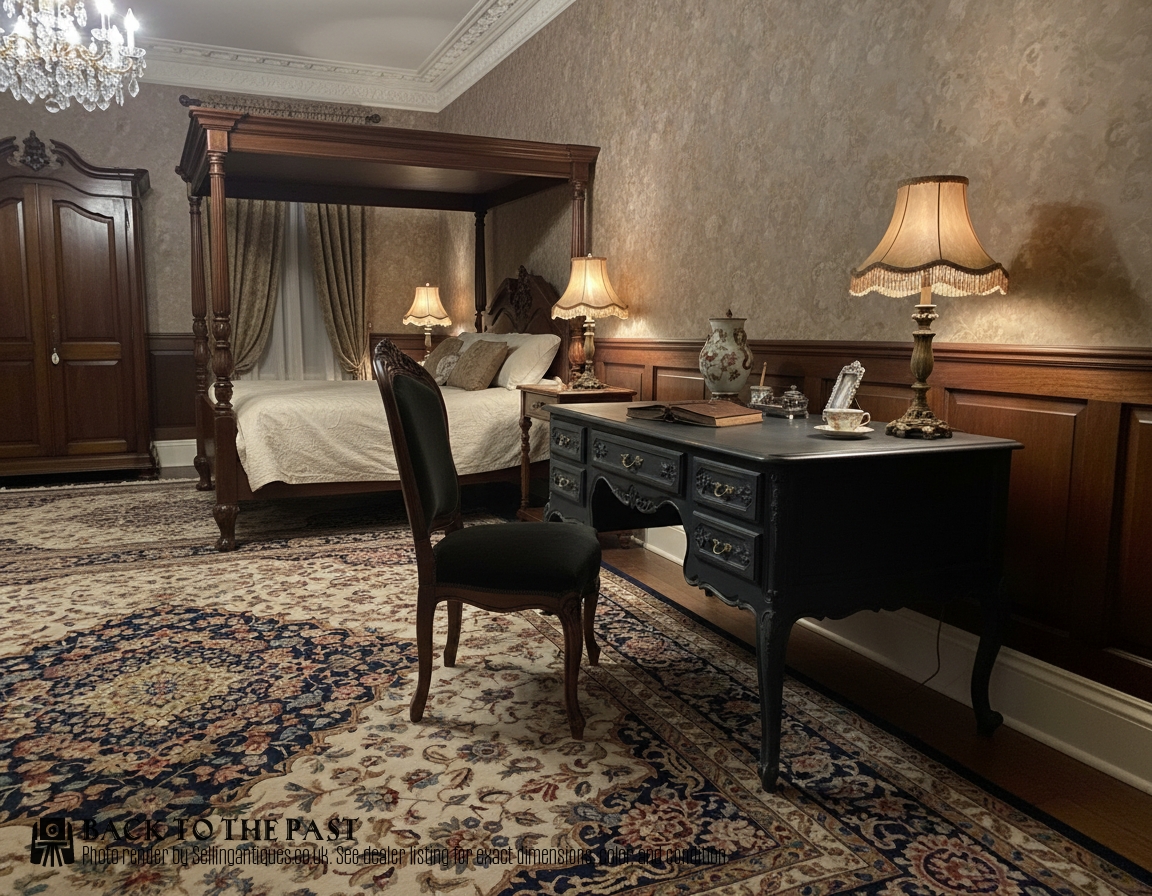
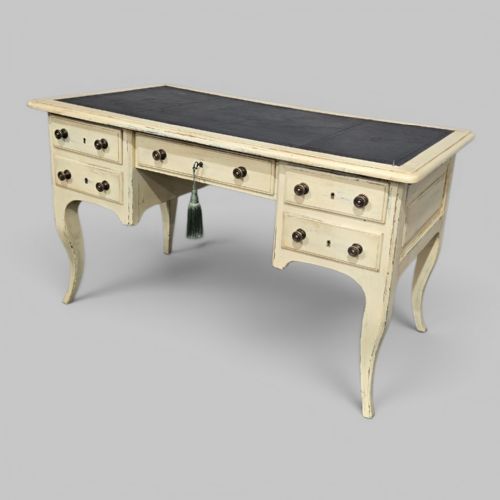
Painted Carved Oak French Desk, 1920
Priced at £995 from The Vintage Interiors
Rooted in regional vernacular traditions, early painted furniture brought colour into modest rural homes.
Paint often disguised cheaper native timbers like pine or poplar in country pieces.
Look at the stylistic motifs. Folk art examples frequently feature floral designs tied to specific European immigrant communities.
More formal antique painted desks emerged during the late Georgian era to match lighter neoclassical interiors.
Gustavians in Sweden applied pale washes to their furniture to maximise light during long, dark winters.
Provincial carpenters produced the vast majority of antique painted desks without ever signing their work.
Gillows of Lancaster occasionally produced painted and japanned writing furniture during the late eighteenth century.
Hard to pin down exact names. Regional styles like Pennsylvania German or Swedish Gustavian matter more than individual makers here.

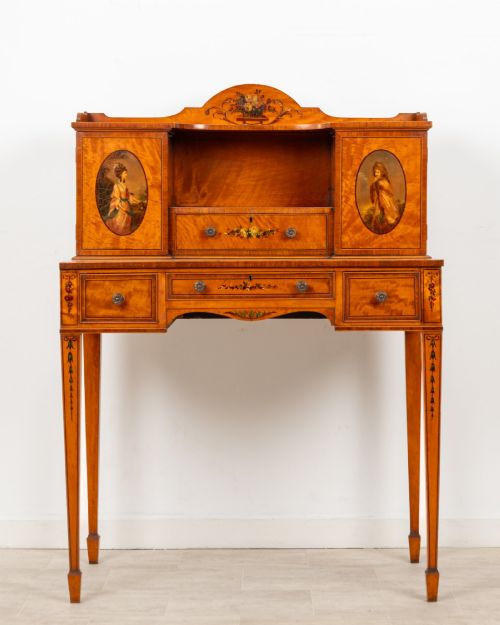
Fine Quality Antique Edwardian Freestanding Decorated Inlaid Satinwood Desk, 1900
Priced at £2,200 from Unique Antiques by Emma Jade
The 2026 retail price guide for Antique Painted Desks is drawn from a proprietary archive of over 1.1 million retail prices indexed by Sellingantiques since 2003. This guide relies exclusively on their own internal data; no external sources or auction records are used.
Analysing nearly 25 years of UK antique market history alongside current retail values, the data indicates that typical UK retail prices for Antique Painted Desks range between £500 and £3,000. Entry-level prices generally fall under £500 and premium examples upwards of £3,000.
Slant-front lids and flat writing surfaces are both common on antique painted desks.
Turned or tapered legs, depending on the specific period and regional style.
Notice the hardware. Wrought iron, wooden knobs or brass escutcheons often contrast sharply with the painted surface.
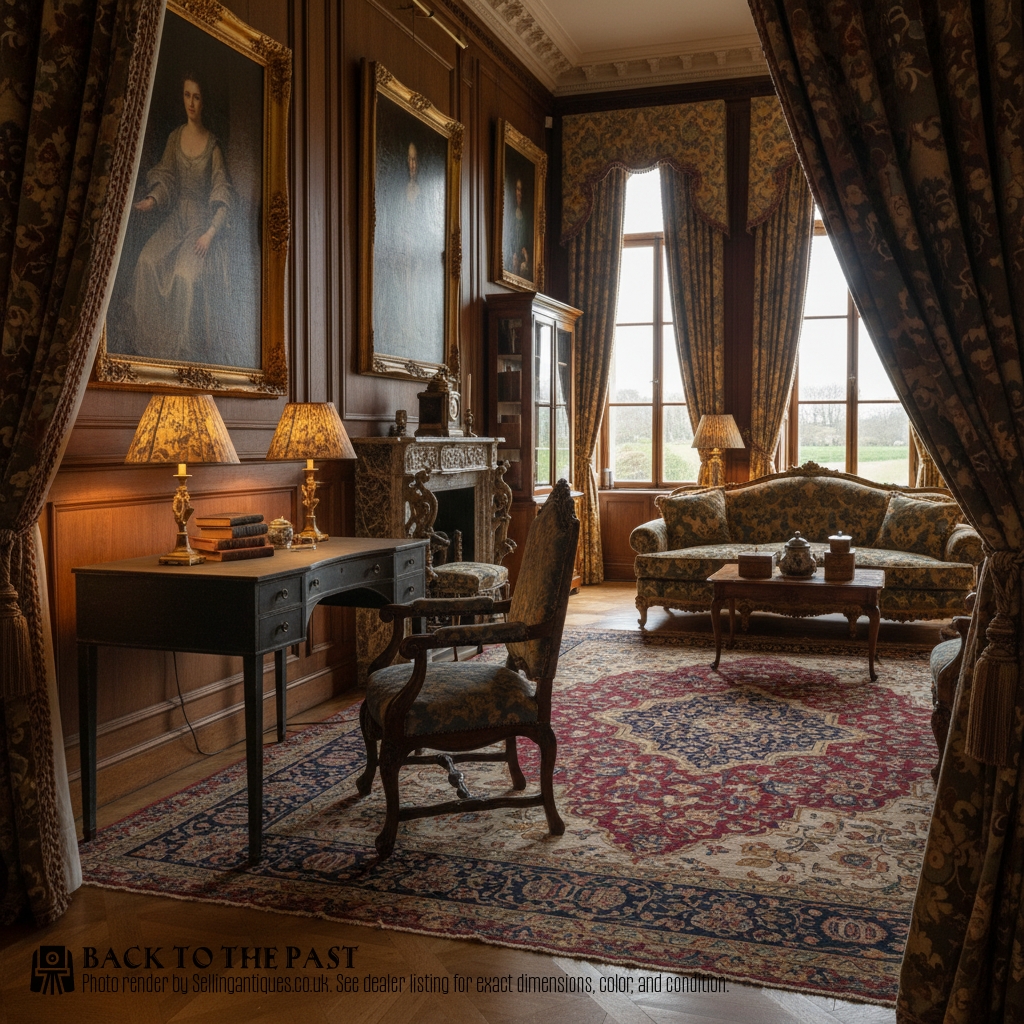
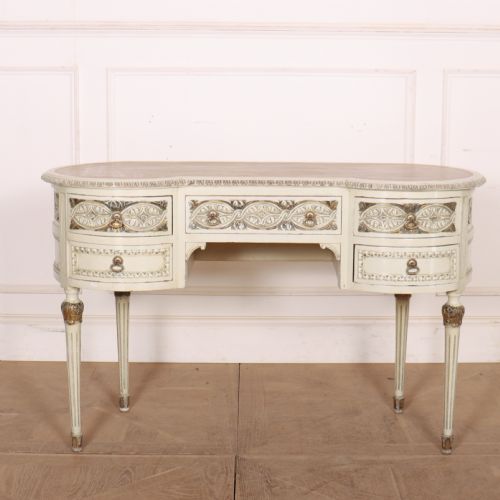
Swedish Painted Writing Desk, 19th Century
Priced at £2,450 from Arcadia Antiques
Hand-cut dovetails secure the drawer boxes on older pieces, keeping the joints tight through seasonal wood movement.
Wooden pegs securing mortise and tenon joints on the frame.
Examine the backboards. Craftsmen usually left them rough-hewn or hand-planed since they faced the wall.
"Many layers of paint often act as a protective shell, preserving the soft timber beneath for generations."
"Hidden compartments tucked behind central prospect doors to hold private correspondence."
"Trace the folk motifs. Floral decorations often held specific cultural meanings related to hospitality or prosperity."
Based on almost 25 years of Sellingantiques UK antique market data, Antique Painted Desks appeared 917 times (out of 1,100,000 antiques) which gives it a rarity score of 83/100.
This score measures scarcity within the Sellingantiques archive only and is not a survey of the entire antiques market, so these statistics may not be indicative of the general availability of Antique Painted Desks elsewhere.
You'll want to dust it with a dry microfibre cloth first. This lifts loose dirt without rubbing it into the painted surface.
For sticky marks, use a damp cloth with mild soap. Wipe it away immediately and dry the area. Never use chemical cleaners or stiff brushes on antique paint.
Stripping original paint removes a large part of the history and character of the piece. The floral motifs often point to a specific regional origin, making the desk more interesting to collectors.
Flaking paint is common on older softwood pieces. A conservator can consolidate the loose areas using specialist adhesives to bind the lifting flakes back to the carcase.
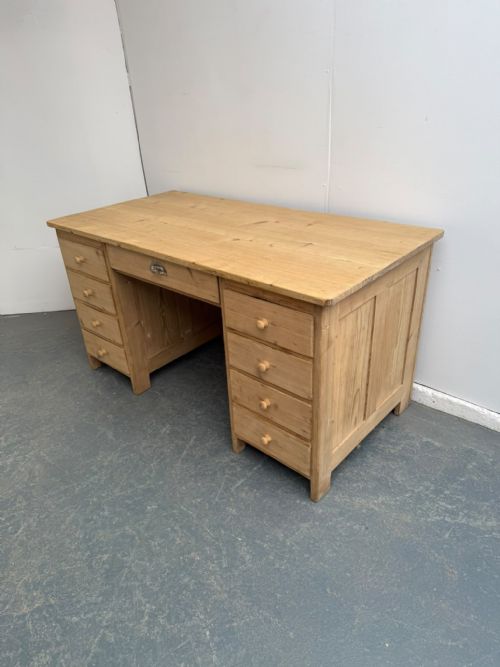
If you strip a provincial desk, you generally find a very plain, knotty pine surface beneath. The maker intended for that wood to be covered.
They'll handle normal use well, provided you treat the surface with care. The writing area on an antique painted desk is vulnerable to scratches from modern pens and heavy laptops.
Put a leather pad down where you work. This protects the historic paint from friction and gives you a smoother surface for writing.
Drawers stick because the timber absorbs moisture from the air and expands. This happens frequently with older softwood carcases during damp seasons.
Pull the drawer out completely and rub a candle along the runners and the bottom edges of the drawer sides. Wax provides a dry lubricant that helps the wood slide freely without causing damage.
Avoid sanding the edges down. Once the dry season returns, the wood shrinks back. Sanding often leaves the drawer too loose later in the year.
Please note: This Antique Painted Desks guide and its associated pricing data are provided for general informational purposes only. It does not constitute formal financial, investment, or appraisal advice and should not be relied upon as the sole basis for any commercial activity, purchasing, or sales decisions. Sellingantiques.co.uk accepts no liability for any actions taken in reliance on this information. Always consult with a qualified professional or independent appraiser.
