


A 2026 Guide by Sellingantiques
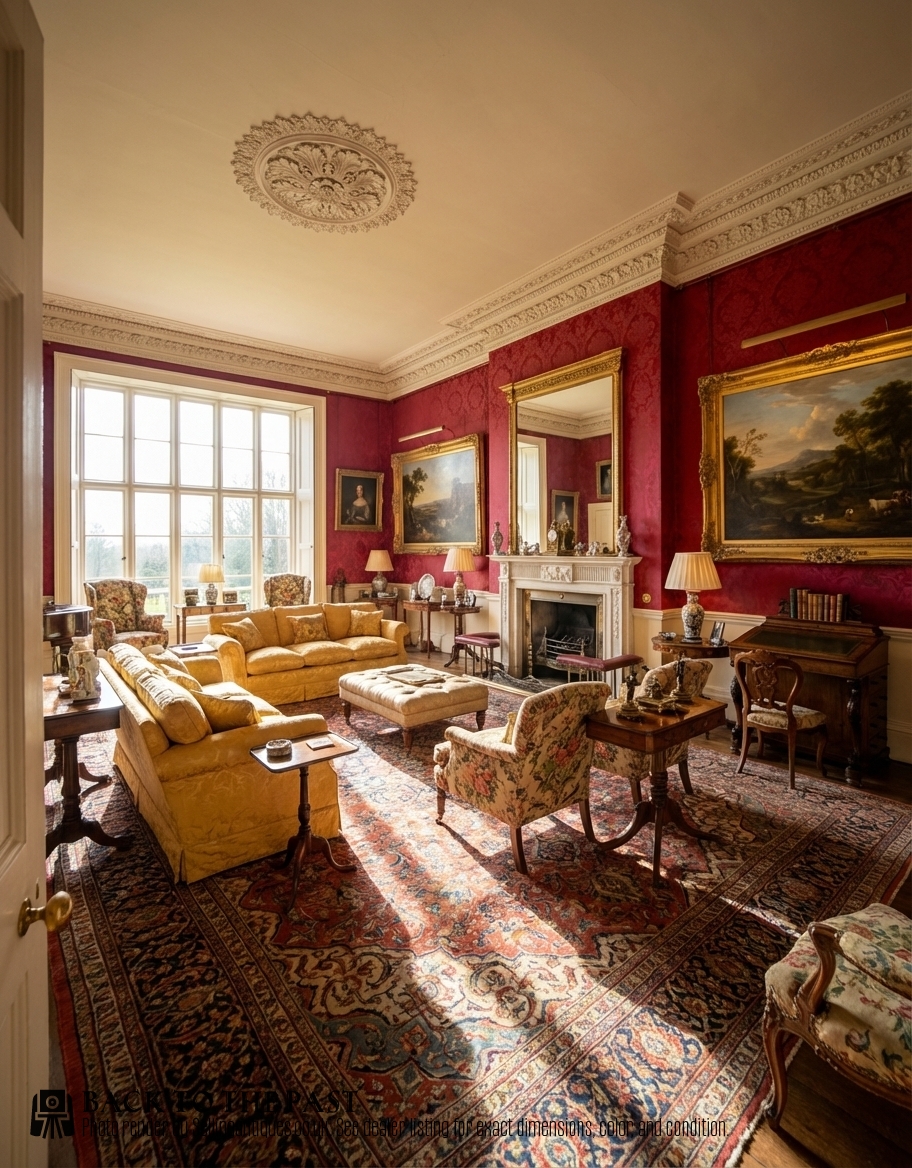
Victorian Burr Walnut Davenport, Victorian
Priced at £495 from In A Nutshell Antiques and Interiors
Captain Josiah Davenport commissioned the first recorded example from Gillows of Lancaster in the late eighteenth century.
Naval officers needed compact furniture for tight quarters at sea.
Look at nineteenth-century variations. They eventually moved from the ocean into domestic boudoirs.
By the late Victorian era, the Davenport was a standard fixture in wealthy households for writing letters.
Gillows of Lancaster made documented examples from the 1790s through to the late nineteenth century.
Holland and Sons produced finely veneered Davenports during the middle of the nineteenth century.
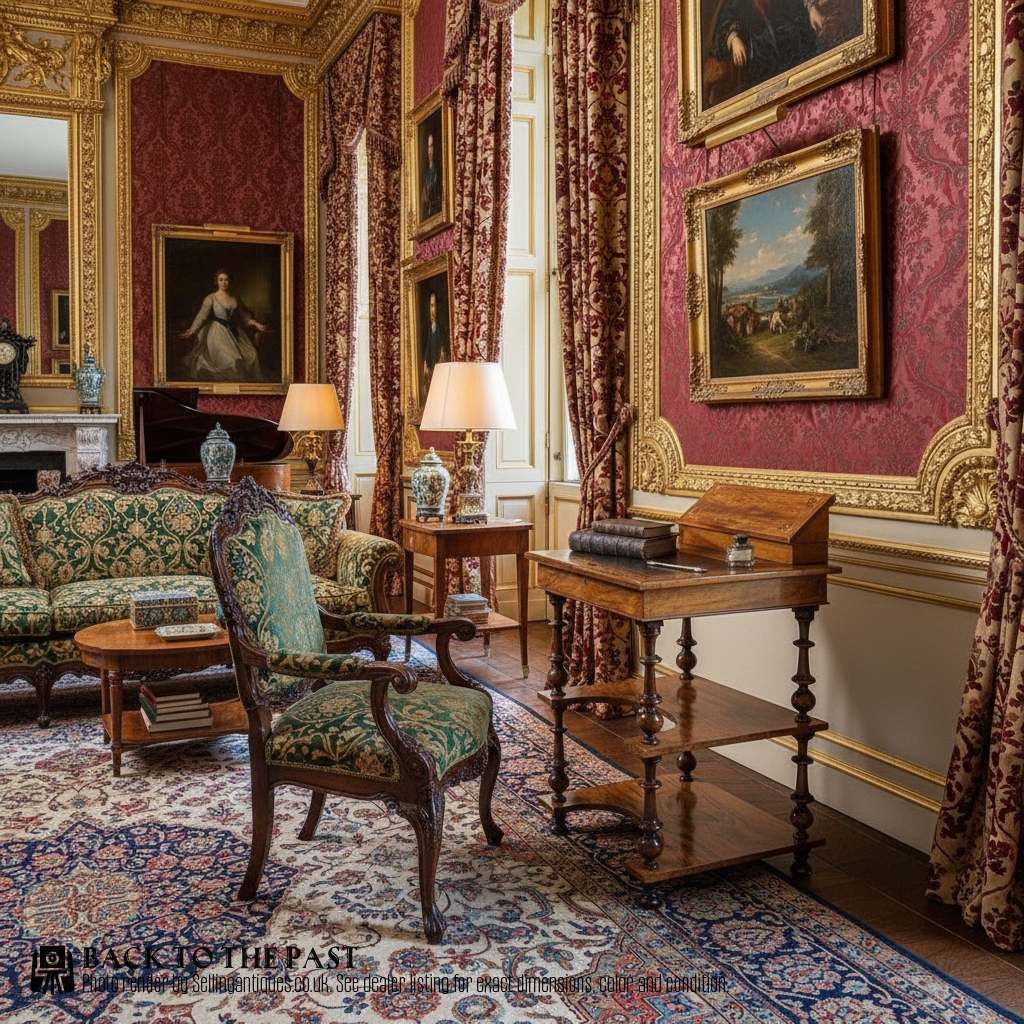
Stunning Victorian Walnut Antique Davenport Whatnot
, Victorian
Priced at £695 from Driscolls Antiques Ltd
The 2026 retail price guide for Antique Davenports is drawn from a proprietary archive of over 1.1 million retail prices indexed by Sellingantiques since 2003. This guide relies exclusively on their own internal data; no external sources or auction records are used.
Analysing nearly 25 years of UK antique market history alongside current retail values, the data indicates that typical UK retail prices for Antique Davenports range between £700 and £3,000. Entry-level prices generally fall under £700 and premium examples upwards of £3,000.
Drawers open from one side only. The opposite side usually features dummy drawer fronts to maintain symmetry.
Lift the hinged lid. You will find small pigeonholes and sometimes hidden compartments for ink and pens.
Brass castors generally sit beneath the feet to allow easy movement.

Antique Victorian Quality Walnut Freestanding Davenport, 1880
Priced at £1,125 from London City Antiques
Early Georgian pieces are plain and rely on solid mahogany joinery.
Victorian makers introduced elaborate fretwork and heavy burr walnut veneers applied over pine carcases.
Turn a drawer over to check the joints. Hand-cut dovetails hold the sides to the fronts.
"Some designs feature a slide-out top section. The whole writing slope pulls forward over the knees for better posture."
"Secret compartments often sit behind the main pigeonholes. A hidden button or false panel releases the spring mechanism."
"The gallery rail kept quills and loose papers from sliding off the back while a ship pitched at sea."
Based on almost 25 years of Sellingantiques UK antique market data, Antique Davenports appeared 2119 times (out of 1,100,000 antiques) which gives it a rarity score of 65/100.
This score measures scarcity within the Sellingantiques archive only and is not a survey of the entire antiques market, so these statistics may not be indicative of the general availability of Antique Davenports elsewhere.
Most antique Davenport drawers pull straight out like any standard chest. You just slide them forward until they stop.
Sometimes a wooden stop block sits inside the carcase to catch the back edge. If they resist, you might need to angle the drawer slightly upwards as it clears the front rail.
A loose top is common on a Davenport. Many were built with a sliding mechanism. The entire upper section pushes forward over the knees to make writing comfortable.
Check the sides just below the sloping section. You will often find a small wooden catch or brass pin that locks the top in place. If that pin is missing, the top slides freely.
Sometimes the runner tracks themselves dry out or shrink. A little hard wax rubbed onto the wooden rails will help it glide smoothly again.
That small pull-out section is the pen drawer. It pivots to hold an inkwell securely.
Makers fitted them so writers avoided balancing open ink on a slanted surface.
You are pulling on dummy drawers. Antique Davenports usually only have working drawers on the right-hand side. The left side is fixed solid.
Cabinet makers added fake drawer fronts and matching knobs to the blank side. This kept the piece looking symmetrical when placed in the centre of a room.
Always check the other side of the desk. You will find the actual drawers pull out easily from there.
Please note: This Antique Davenports guide and its associated pricing data are provided for general informational purposes only. It does not constitute formal financial, investment, or appraisal advice and should not be relied upon as the sole basis for any commercial activity, purchasing, or sales decisions. Sellingantiques.co.uk accepts no liability for any actions taken in reliance on this information. Always consult with a qualified professional or independent appraiser.
