

Antique Pocket Watches
A wound mechanical watch carried in the pocket or waistcoat, on a chain, and the standard way of telling the time until the wristwatch took over after the First World War.
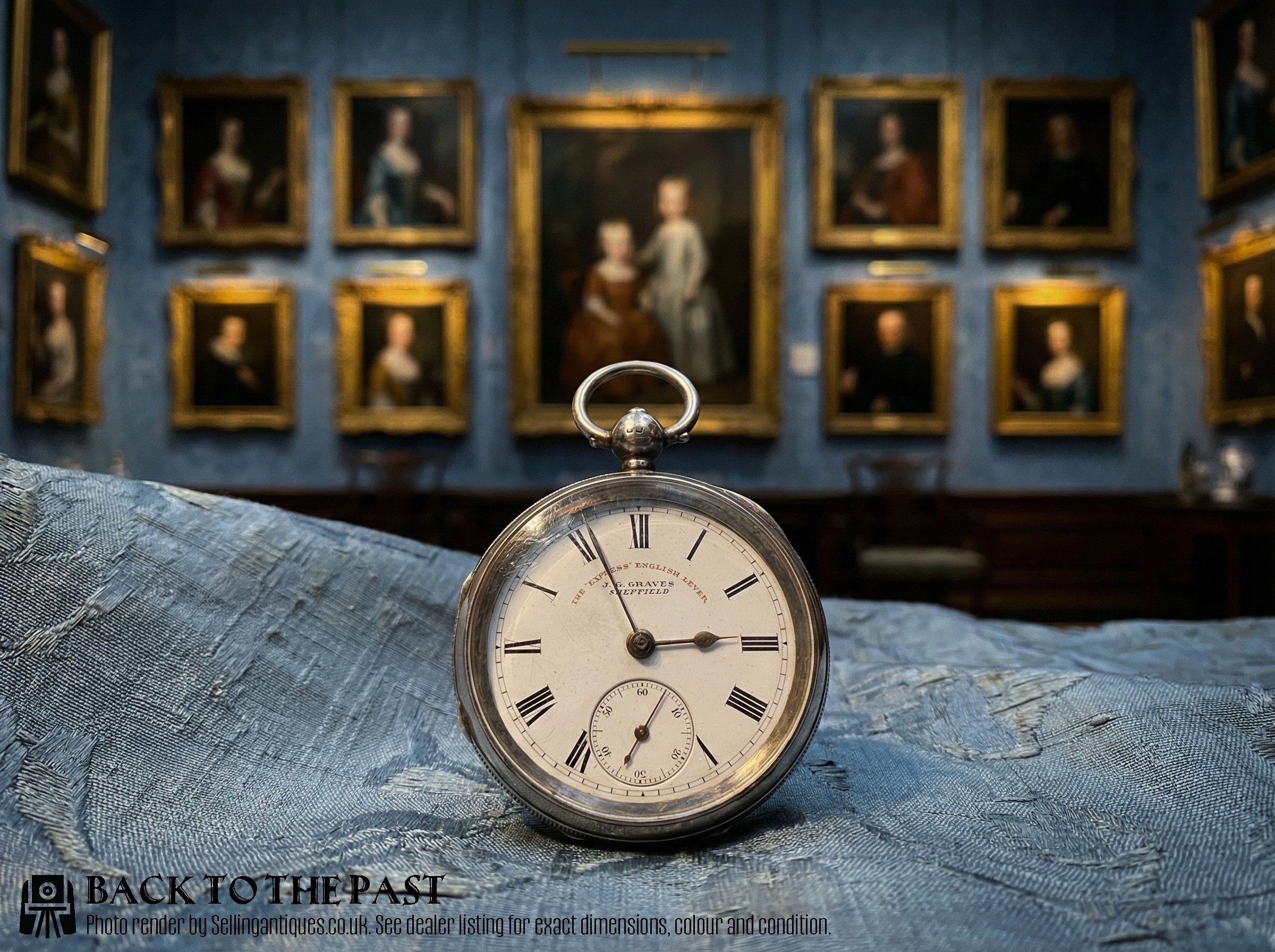
Antique Pocket Watches
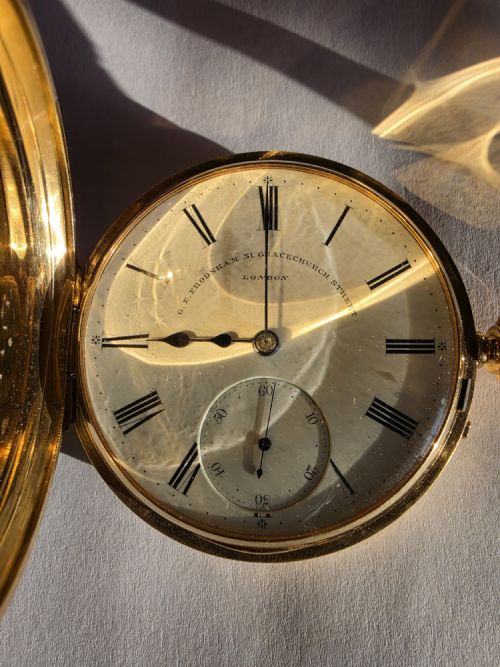
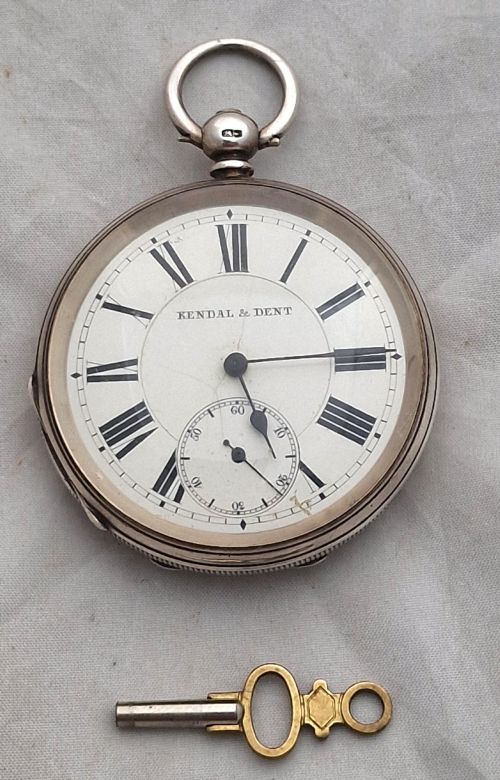
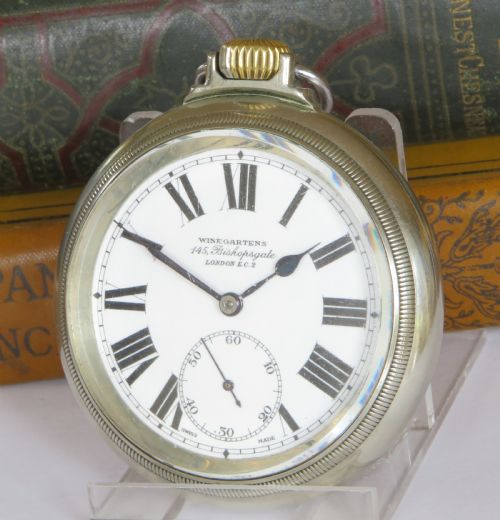
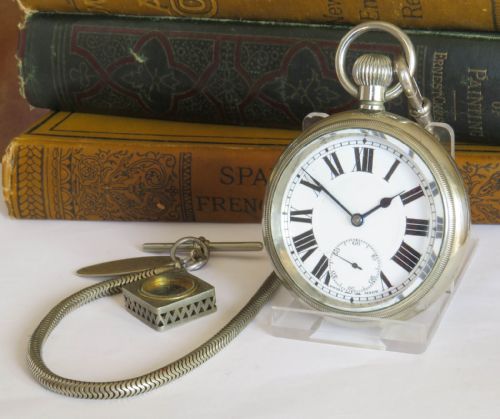
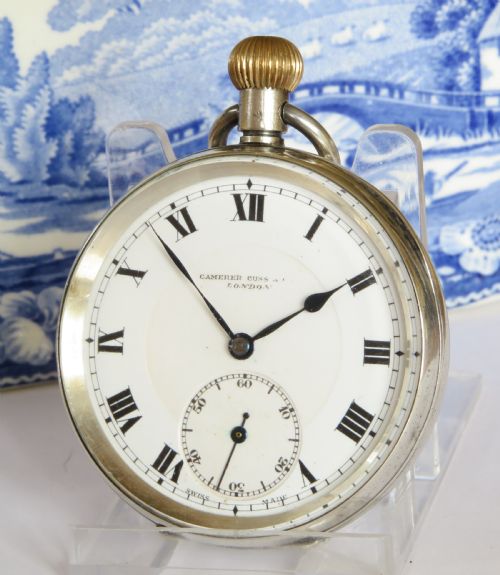
Most of what turns up on Sellingantiques is a gentleman's watch in a silver or base-metal case, wound by the crown, made between about 1900 and 1939. Four fifths of dated stock falls in those four decades, with the 1920s the busiest and the 1910s close behind. Silver appears in a third of titles; gold in a small minority.
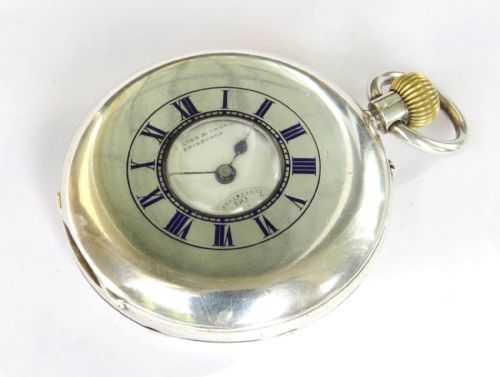
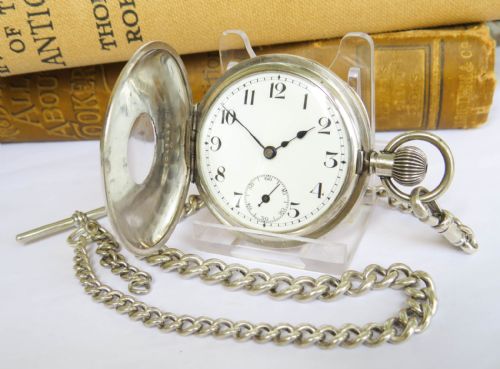
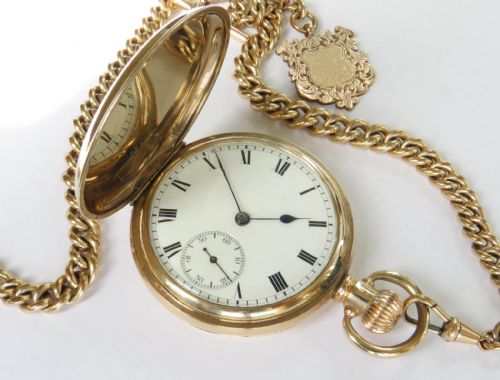
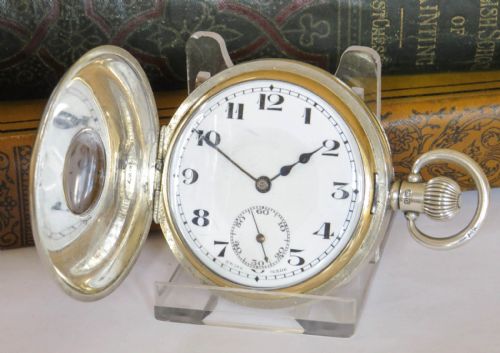
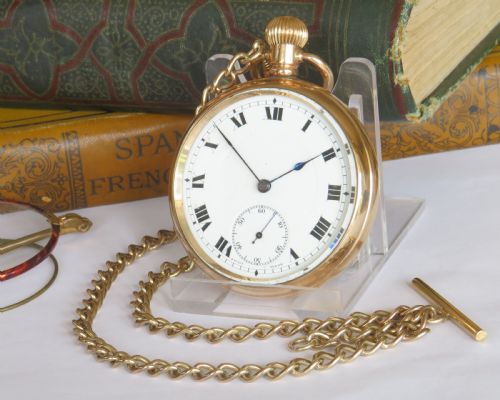
Case style splits the category. A quarter of titles name a hunter, meaning a hinged metal lid over the dial, and full hunters outnumber half hunters roughly two to one. The rest are open-faced or left unstated. Around one in six is sold with a chain or albert already attached.
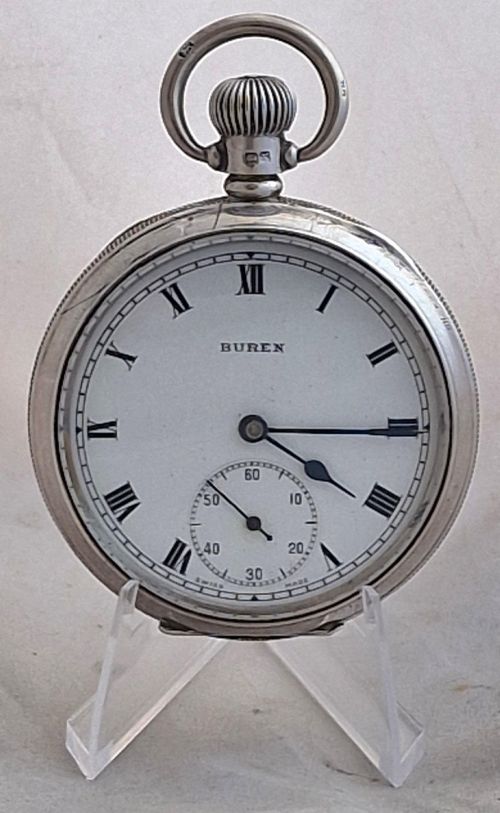
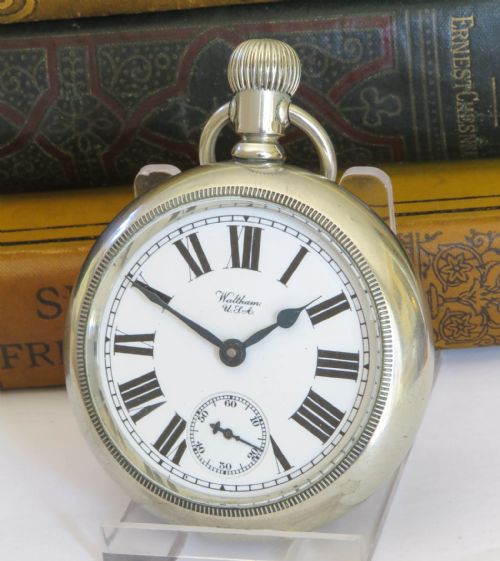
Named factory watches dominate. Waltham alone is named in 554 titles, with Elgin, Hampden, Illinois and other American firms behind it, while the Swiss group taken together is the largest branded stratum: Omega, Cyma, Longines, Zenith, Revue, Record, Buren and more. English and retailer-signed watches, including Thomas Russell, Rotherhams and the Lancashire Watch Co, form a smaller layer.
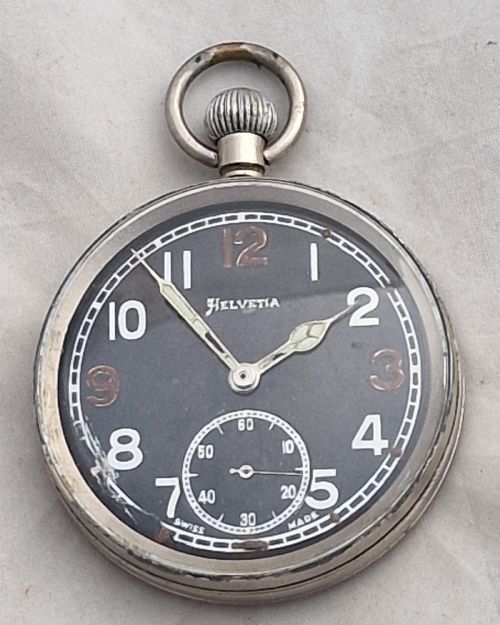
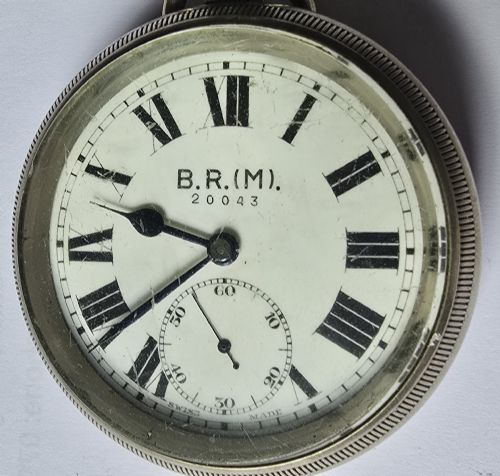
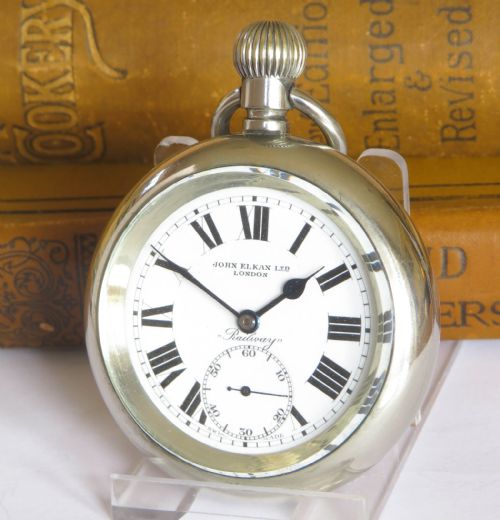
Smaller currents run through the category. Military issue shows up in a modest run of titles, GSTP markings and wartime wording among them, and railway service watches appear occasionally with their issue numbers. Pieces before 1890 are thin on the ground, and verge, pair-cased and fusee watches of the 18th and early 19th centuries are the outliers at the far end.
What Sets Them Apart
Case metal does the first sorting. Gold, whether 9ct or 18k, sits at the upper end and is named in only a small fraction of titles. Silver is the broad middle. Gun metal, blackened base metal named in 58 titles, and gold-plated cases sit low, and they are a reminder that much of this trade was working kit rather than jewellery.
Within a single factory the movement grade matters as much as the case. Waltham's grade names get quoted in titles the way model names are quoted elsewhere: Traveler, Bond Street, Riverside, P S Bartlett, Crescent St, Vanguard, Marquis. The railroad-grade movements, built to railway timekeeping standards with high jewel counts, sit noticeably above plain entries.
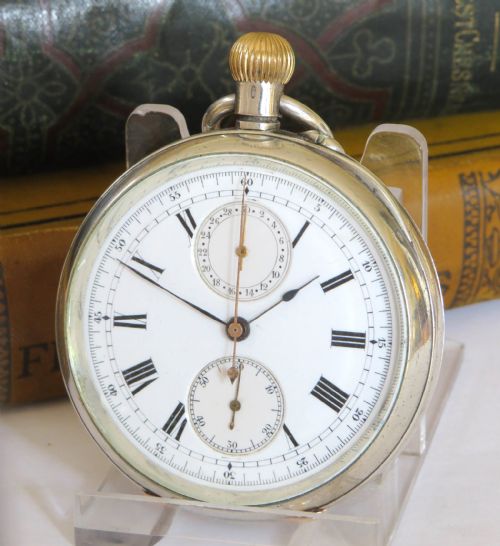
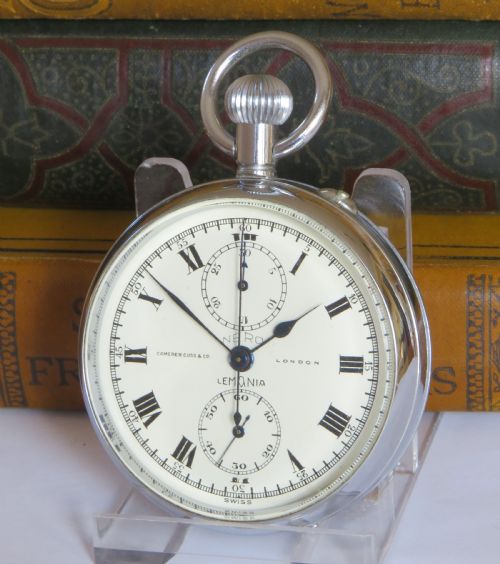
Above that come the things few watches have. Chronographs appear in a modest run of titles; repeaters, 8-day movements and alarms show up once or twice in hundreds. Documented issue lifts a watch too, whether that's a railway number, a military marking or a cockpit watch. So does real age: the verge and fusee pieces sit at the top on hand-work alone.
Antique Pocket Watches Retail Price Guide 2026
Typical UK retail prices for pocket watches, calculated from the Sellingantiques database of over a million retail prices indexed since 2003. This retail price guide relies exclusively on Sellingantiques data; no external sources or auction records are used, so the figures do not describe the wider market.
Gun metal cases account for 58 pocket watch titles on Sellingantiques, much of this market being working kit rather than jewellery.
Waltham
The Antique Pocket Watches Glossary
- Full hunter
- A case with a hinged metal lid closing over the dial, opened by pressing the crown. The commonest hunter form in the category, named in 456 titles.
- Half hunter
- The same hinged lid, but with a glazed aperture in the centre and the hours marked round it, so the time reads without opening the cover.
- Open face
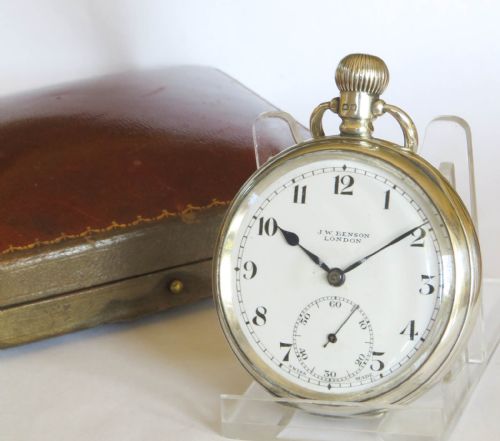
- No cover at all over the dial, the plain alternative to a hunter case, and the balance of what isn't described as a hunter.
- Albert
- The chain worn across the waistcoat, one end at the watch and the other through a buttonhole. 'Chain' appears in 509 titles, 'albert' in 33.
- Stem winding
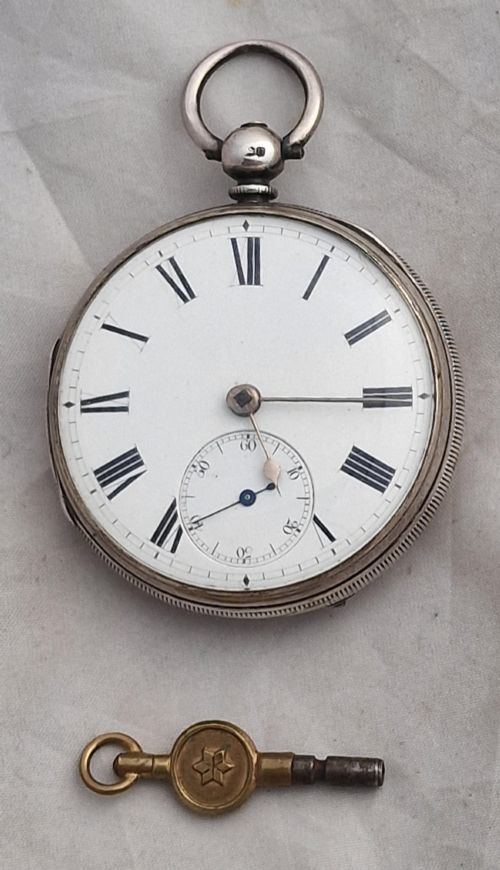
- Wound by turning the crown rather than with a separate key, also listed as keyless. It replaced key winding through the later 19th century.
- Fusee
- A cone and chain that evens out the pull of the mainspring as it unwinds, found on earlier English movements and named in 39 titles.
Antique Pocket Watches: Frequently Asked Questions
What is the difference between a full and half hunter?
A full hunter has a solid hinged lid over the dial, so the watch has to be opened to read the time. A half hunter has the same lid with a glazed window in the middle and the hour numerals painted or applied around it.
Full hunters are the more common of the two in listings, at 456 titles against 241 for half hunters. Between them they make up a quarter of the category.
Which makers appear most often in pocket watch listings?
Waltham is far and away the most named, appearing in 554 titles. Elgin follows some distance behind, with Hampden, Illinois, Rockford and New York Standard turning up as well.
Taken as a group, the Swiss brands are the largest: Omega, Cyma, Longines, Zenith, Revue, Record, Buren, Tavannes, Minerva and others.
English and retailer-signed watches are a smaller layer, names like Thomas Russell, Benson, Rotherhams and the Lancashire Watch Co among them.
Are antique pocket watches usually silver or gold?
Silver leads by a wide margin. It appears in 968 titles, a third of the category, and it's the default case metal for the Swiss and American factory watches that make up the bulk.
Gold is a small minority at 176 titles, with 9ct and 18k naming a few dozen each. Gun metal, a blackened base metal, accounts for 58 titles at the cheaper end.
What does GSTP mean on a military watch?
GSTP stands for General Service Trade Pattern, the British military issue marking used on Second World War watches. It turns up in several titles alongside wartime wording.
Military pieces are a small part of the whole, named in 65 titles, and railway service watches with original issue numbers are rarer still.
How old are most of the pocket watches listed?
The dated field runs from 1750 to 1960, but the mass sits between 1900 and 1939. About four fifths of dated listings fall in those four decades.
The 1920s is the busiest single decade at 753 listings, with the 1910s at 699, then the 1930s and 1900s. Victorian pieces from the 1880s and 1870s are thin, and post-war stock is scarce.
What is a goliath pocket watch?
A goliath is an oversized watch, made for a desk or for travelling rather than for the pocket. The name comes straight from the size.
They appear 34 times in the category, including one 1950s piece described as flying-saucer shaped.